When working on high-rise facades or complex architectural structures, traditional ground-supported scaffolding often becomes impractical due to space constraints or extreme height. This is where suspended access systems provide a critical alternative for construction and maintenance crews.
The choice of access equipment directly impacts project timelines, labor costs, and most importantly, the safety of the personnel on site. Understanding the mechanics and limitations of different suspended platforms is essential for project managers and site engineers to ensure structural stability and operational efficiency.
To determine what are suspended scaffolds and how they differ from conventional systems, one must analyze their suspension mechanisms, load-bearing capacities, and the specialized hardware required to maintain secure connections.
Unlike supported scaffolds that rely on a foundation of poles and braces resting on the ground, suspended scaffolds are platforms hung by ropes, cables, or chains from an overhead support structure. This allows the platform to move vertically, providing workers with flexible access to the entire height of a building face without the need for extensive ground-level assembly.
The system generally consists of a working platform, a hoisting mechanism (manual or motorized), and a secure anchorage system. The ability to adjust the height of the platform dynamically makes these systems indispensable for window cleaning, facade painting, and structural inspections of skyscrapers.
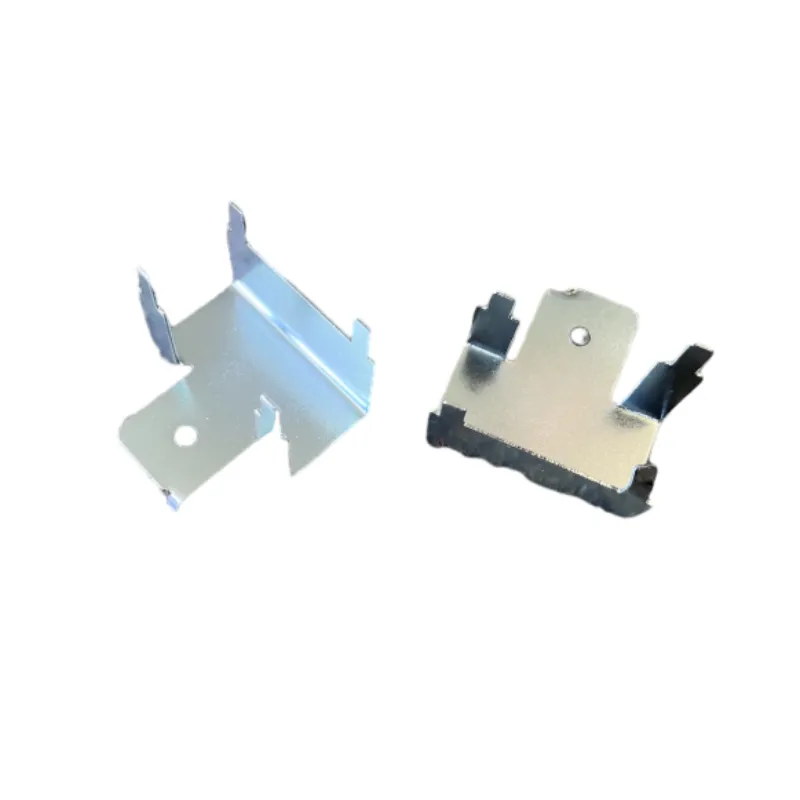
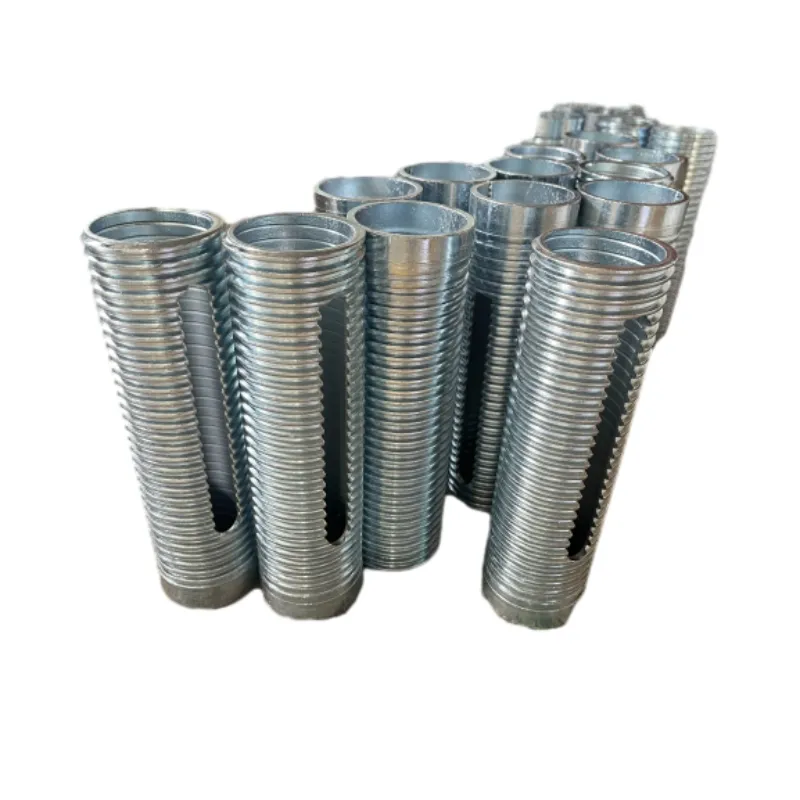
The integrity of a suspended system is only as strong as its weakest connection. High-tensile steel cables are the primary load-bearers, but the hardware securing these cables to the structure is where the real engineering occurs. Precision-manufactured fasteners, including heavy-duty hex bolts and specialized nuts, ensure that the suspension points do not slip or deform under dynamic loads.
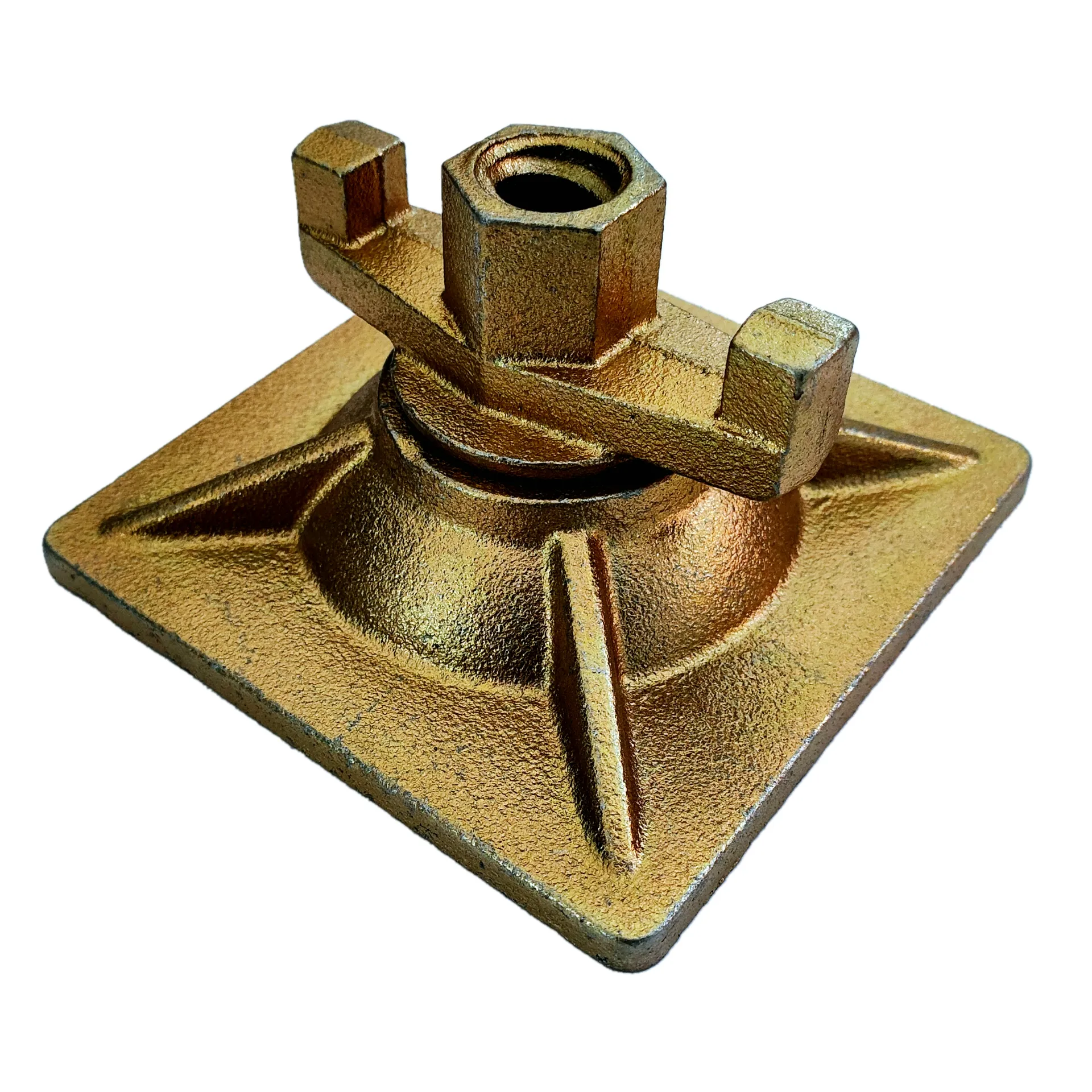
In many configurations, anchor fastener nut bolts are utilized to secure the roof-top outrigger beams to the concrete slab. These fasteners must be engineered to withstand not only the vertical weight of the platform and workers but also the lateral forces caused by wind loads and movement. Using grade 8.8 or higher carbon steel fasteners is a common industry standard to prevent shearing and material fatigue.
Furthermore, the use of lock nuts and washers is critical. Because suspended platforms are subject to constant vibration from hoisting motors and wind, standard nuts can loosen over time. High-quality locking mechanisms ensure that the assembly remains tight, reducing the risk of catastrophic structural failure during operation.
Safety in suspended access is predicated on the principle of redundancy. Every system must incorporate a secondary safety line or "fail-safe" mechanism that prevents the platform from falling if the primary hoisting cable fails. This redundancy is paired with rigorous load calculations to ensure the platform does not exceed its rated capacity.
The critical failure point in suspended systems is rarely the cable itself, but rather the anchorage point. Ensuring a balanced distribution of force through the use of precision washers and high-grade anchor bolts is the most effective way to mitigate risk.
Load distribution is managed by ensuring the platform remains level during ascent and descent. If the load shifts significantly to one side, it creates an uneven tension on the cables, which can lead to tilting or twisting. Modern systems use synchronized motors to maintain a perfect horizontal plane, while the hardware at the anchorage point distributes the stress across a wider surface area of the building's structure.
When comparing suspended scaffolds to traditional fixed scaffolding, the primary efficiency gain is found in the setup and teardown time. For a mid-sized building, a suspended system can be deployed in a fraction of the time it takes to erect a full-frame structure, significantly reducing labor costs.
However, the operational speed is limited by the hoisting mechanism's capacity and the safety checks required before each shift. The following index illustrates the relative performance of various access methods based on setup speed, cost-effectiveness for high-rises, and flexibility.
In a typical industrial setting, such as the cladding of a new corporate tower, suspended scaffolds allow teams to install panels from the top down. This eliminates the need for a ground-up scaffold structure that would otherwise block pedestrian traffic and occupy valuable urban real estate. The agility of these platforms allows for rapid repositioning across the facade.
Maintenance of existing infrastructure also relies heavily on these systems. For instance, during the restoration of a historic building's masonry, a suspended platform provides a stable base for craftsmen to work at specific heights without disturbing the architectural integrity of the lower levels. The focus here is on minimizing the footprint of the construction site while maximizing vertical reach.
The industry is shifting toward more automated and sensor-driven access systems. While the basic principle of suspension remains the same, the integration of load sensors allows the system to automatically lock if an overweight condition is detected. This prevents the structural overstress of the cables and anchorage hardware.
Material science has also played a role, with the transition from heavy steel frames to lightweight, high-strength aluminum alloys for the platforms themselves. This reduction in dead weight allows for higher payload capacities for workers and tools, while reducing the stress on the rooftop support beams.
Furthermore, the development of corrosion-resistant coatings for fasteners, such as zinc plating and hot-dip galvanization, has extended the lifespan of these systems in coastal or high-humidity environments. This ensures that the critical nuts and bolts maintaining the system's safety do not degrade due to environmental exposure.
Choosing between different access methods requires a trade-off analysis between cost, safety, and speed. For short-term, lightweight tasks on extremely tall buildings, a suspended system is almost always the superior choice. However, for heavy-duty structural work that requires significant material storage on the platform, a supported system may be safer.
Engineers must evaluate the anchorage capacity of the building. If the rooftop cannot support the concentrated load of a suspended scaffold's outrigger, alternative support structures or specialized anchor fasteners must be employed to distribute the load across the masonry or concrete.
The following framework provides a comparison of access methods based on typical project requirements and the technical considerations involved in their deployment.
| Evaluation Factor | Suspended Scaffold | Fixed Scaffold | Mast Climbers |
|---|---|---|---|
| Deployment Speed | Very High | Low | Medium |
| Height Capability | Unlimited | Limited/Costly | High |
| Footprint Impact | Minimal | Significant | Moderate |
| Load Capacity | Moderate | Very High | High |
| Installation Risk | Anchorage-Dependent | Stability-Dependent | Mechanical-Dependent |
| Primary Hardware | Cables & Anchor Bolts | Couplers & Props | Steel Masts & Gears |
The primary difference lies in the support mechanism. Supported scaffolds are built from the ground up, resting on a foundation and using vertical poles to carry the load. Suspended scaffolds are hung from a structure above using cables or ropes, allowing them to be moved vertically. This makes suspended systems ideal for high-rise facades where ground-based construction is impossible or inefficient.
Anchor fastener nut bolts and high-tensile hex bolts are the most critical. These components secure the outrigger beams to the building's roof or structure. Because these points bear the entire weight of the platform and the workers, using grade 8.8 carbon steel or stainless steel fasteners with proper locking washers is essential to prevent loosening caused by vibration and wind.
Load capacity is determined by the combined strength of the hoisting cables, the motor's lifting power, and the shear strength of the anchorage hardware. Engineers calculate the maximum allowable weight (including personnel and materials) and then apply a safety factor—often 4:1—meaning the system is designed to hold four times the expected maximum load to account for dynamic stresses.
The most significant risks include anchorage failure, cable snap, and platform instability due to wind. To mitigate these, industry standards require the use of independent lifeline systems for every worker, regular inspection of the fasteners for corrosion or loosening, and strict adherence to wind-speed limits for operation.
Motorized systems are significantly more efficient for high-rise projects, as they allow for faster vertical movement and more precise positioning. Manual systems are typically reserved for very short-term, low-height tasks where the cost of a motorized unit is not justified. For most professional construction settings, motorized platforms are the standard for productivity and worker fatigue reduction.
In coastal or industrial environments, saltwater and chemicals can lead to rapid corrosion of steel. In such cases, stainless steel fasteners or those with advanced coatings like hot-dip galvanization or Dacromet are used. This prevents the structural degradation of the nuts and bolts that could otherwise lead to catastrophic failure in the suspension system.
Suspended scaffolds represent a sophisticated balance of mechanical engineering and safety management. By decoupling the work platform from the ground, these systems enable the maintenance and construction of our most ambitious architectural achievements. However, the reliance on overhead suspension places an immense amount of trust in the hardware—specifically the anchor bolts and fasteners that tie the system to the building.
Ultimately, the successful deployment of these platforms depends on a commitment to high-grade materials and rigorous inspection protocols. When paired with precision-engineered fasteners and a strict safety framework, suspended access provides an efficient, scalable, and safe solution for the challenges of high-altitude construction.