When discussing structural support, a critical distinction must be made between pedagogical theory and physical engineering. While the term "scaffolding" in an educational context refers to a teaching method that provides temporary support to students, in the metal products industry, it refers to the complex temporary structures used to support workers and materials during construction.
The physical implementation of these systems requires high-precision metal fabrication, where the safety of the entire site depends on the integrity of every single joint and coupler. From forged steel to pressed components, the engineering behind construction scaffolding ensures that temporary platforms can withstand immense loads and harsh environmental conditions.
Understanding the technical specifications of these systems is essential for contractors and engineers. To explore the professional hardware required for these installations, you can learn more about what is scaffolding in education and its physical counterparts in industrial construction.
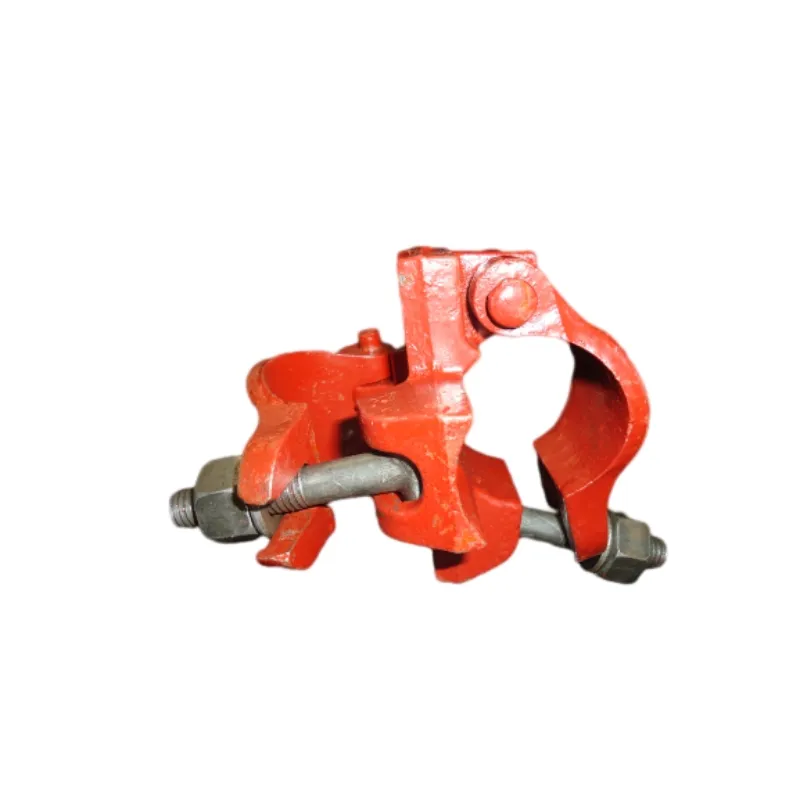
Construction scaffolding is an assembly of metal pipes and accessories that creates a temporary platform for workers. Unlike the conceptual "scaffolding" used in teaching, this is a rigorous exercise in metal structural engineering. The primary goal is to distribute weight effectively and provide a stable working environment.
The system relies on a network of vertical standards, horizontal ledgers, and transoms, all held together by specialized couplers. These components must be manufactured to strict tolerances to prevent slipping or structural failure under load.
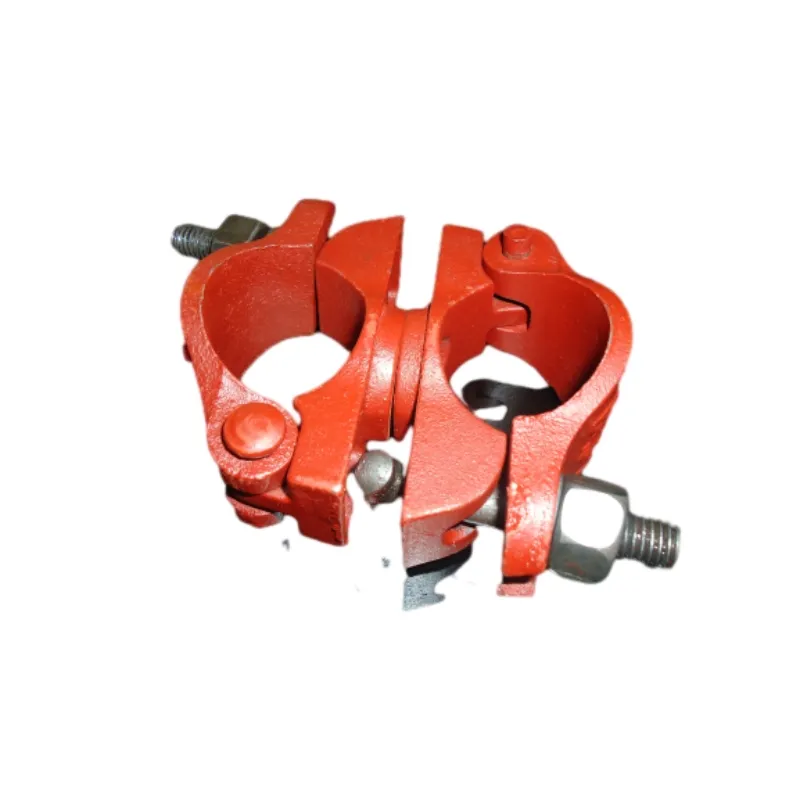
Couplers are the critical nodes of any scaffolding system. Their primary mechanical function is to lock two or more pipes together at specific angles. Whether using a double coupler for 90-degree joints or a swivel coupler for adjustable angles, the precision of the clamping force determines the overall safety of the structure.
The manufacturing process for these parts varies significantly. Pressed couplers are formed from high-strength steel plates through punching and forming, making them ideal for medium-duty applications where cost-efficiency is balanced with strength. These are often seen in projects adhering to British (BS1139/EN74) or Japanese (JIS/KSD) standards.
In contrast, casting couplers are produced by pouring molten iron into molds. While they are the most cost-effective option—frequently utilized in regions like Ethiopia and Bangladesh to reduce construction overhead—they generally offer lower durability compared to forged or pressed alternatives.
When selecting materials for scaffolding accessories, engineers must prioritize the "safety load" and "slip test" results. The choice between pressed, cast, and forged steel isn't just about budget; it is about the specific physics of the project.
Forged couplers, created from high-strength steel round bars through high-temperature malleability, are the gold standard for heavy-duty tubular systems due to their superior stability and durability in extreme atmospheres.
The durability of these components is further enhanced by surface treatments. Zinc plating is commonly used for pressed and forged couplers to prevent oxidation, while painting is often used for casting couplers to provide a basic protective layer.
Analyzing the relative performance of different coupler types reveals a clear hierarchy in load-bearing capacity. Forged couplers lead the index due to their dense molecular structure, followed by pressed steel, with cast iron serving as the baseline for light-duty needs.
This relative assessment helps procurement officers decide which product fits the project risk profile. A high-rise construction project will always demand the stability of forged components, whereas minor renovations may suffice with pressed or casting options.
In a typical industrial setting, the choice of scaffolding components is dictated by the environment. For example, in coastal regions with high salinity, zinc-coated forged couplers are preferred to prevent corrosion. For interior finishing work on low-rise buildings, pressed couplers offer the necessary support without over-engineering the cost.
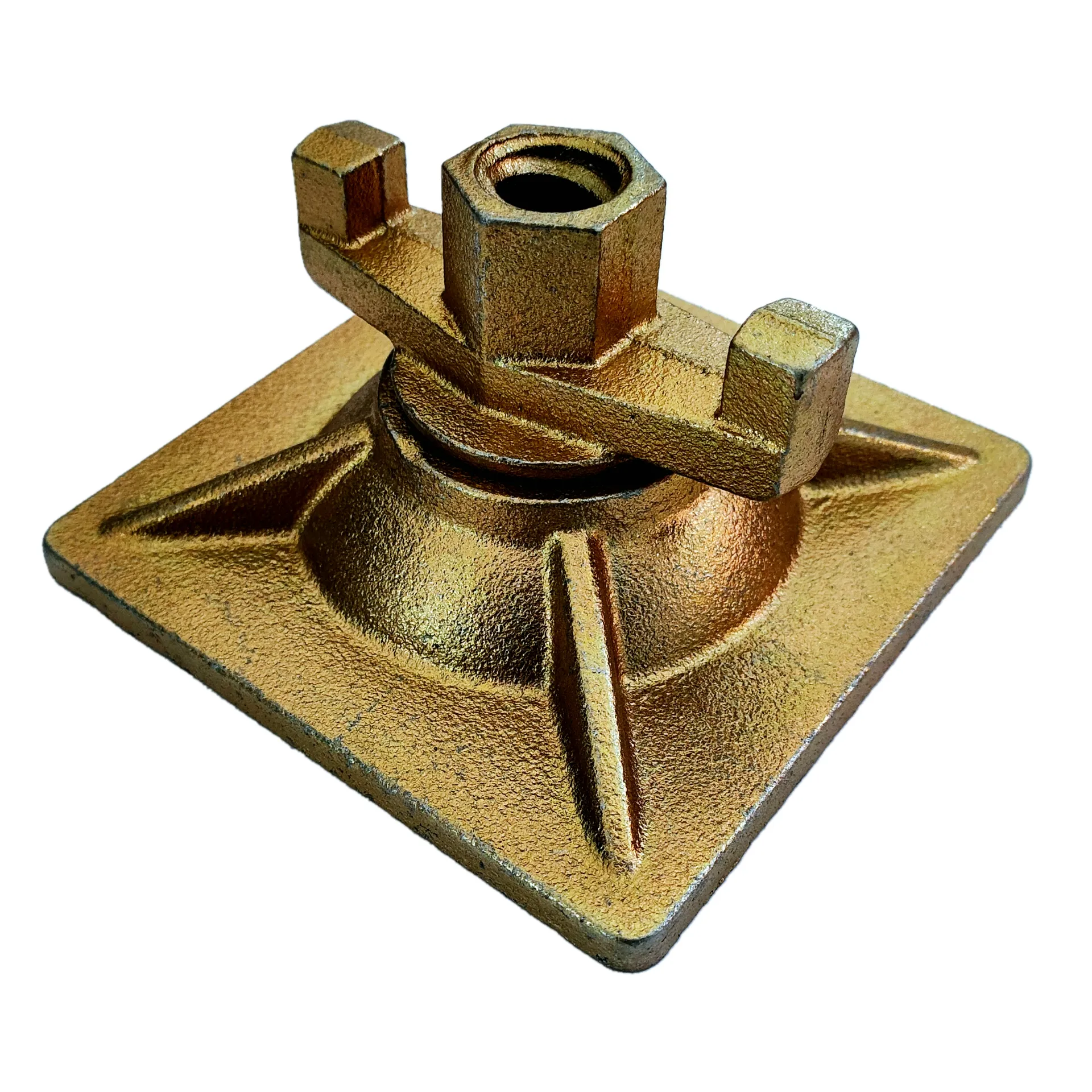
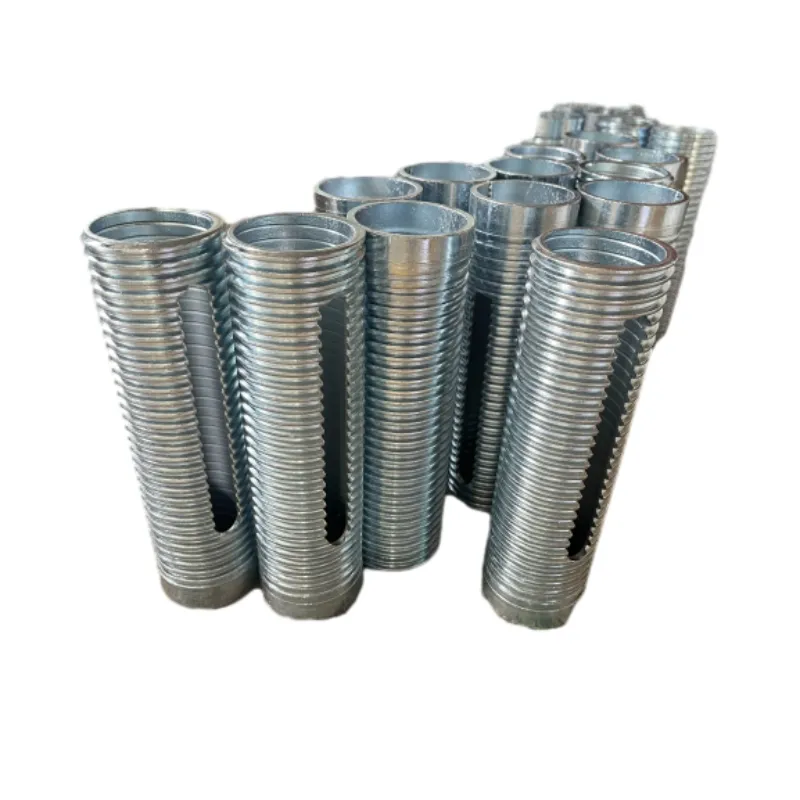
The integration of complementary accessories, such as adjustable jack bases and ringlock systems, allows for a more modular approach. These accessories ensure that the scaffolding can be adapted to uneven terrain and complex architectural shapes, maintaining a level working plane.
The industry is moving toward higher automation in the stamping and machining process. By utilizing automatic machinery, manufacturers can ensure more consistent roundness and load capacity across large batches of couplers, reducing the margin of error in safety tests.
There is also a growing emphasis on environmental protection in the production of metal parts. Transitioning to sustainable coating processes and optimizing the scrap rate during the forging and pressing stages is becoming a priority for global suppliers.
Furthermore, the shift toward modular systems like Ringlock scaffolding is reducing the reliance on individual couplers in some areas, though traditional tubular scaffolding remains indispensable for bespoke structural needs.
Procuring scaffolding hardware requires a balance between structural requirements and budget constraints. A systematic approach involves evaluating the pipe size (typically 48.3mm), the intended weight load, and the atmospheric conditions of the site.
Forged couplers are the most robust and reliable for heavy-duty applications, making them the choice for large construction companies and contractors globally. Pressed couplers serve as a middle-ground solution, while casting couplers provide an economical entry point for specific markets.
The following framework provides a qualitative comparison to assist in the selection process based on common project needs.
| Coupler Type | Manufacturing Method | Load Suitability | Relative Cost |
|---|---|---|---|
| Forged Steel | Hot-Forged Round Bar | Heavy-Duty | High |
| Pressed Steel | Punching & Forming | Medium-Duty | Medium |
| Casting Iron | Melted Iron Pouring | Light-Duty | Low |
| Zinc Pressed | Forming + Galvanizing | Medium-Duty | Medium |
| Painted Casting | Casting + Painting | Light-Duty | Low |
| Zinc Forged | Forging + Galvanizing | Heavy-Duty | High |
Forged couplers are made from heated steel round bars, resulting in a denser, stronger structure suitable for heavy-duty loads. Pressed couplers are stamped from steel plates, offering a lighter and more cost-effective solution for medium-duty applications. Forged versions generally have higher stability and better slip resistance.
Casting couplers are best suited for projects with limited budgets or light-load requirements, such as small-scale residential repairs or in specific markets like Ethiopia and Bangladesh where cost reduction is a primary driver. They should not be used in heavy-duty tubular systems where maximum safety and load capacity are required.
Surface treatments prevent corrosion. Zinc plating (galvanization) provides a high level of protection against moisture and salt, significantly extending the life of forged and pressed couplers. Painting is a more basic protective measure common in casting couplers, offering less durability in harsh outdoor environments.
The most common industry standard pipe size for these couplers is 48.3mm. This ensures compatibility across various scaffolding systems globally, including those meeting British, Japanese, and Korean standards, allowing for interchangeable parts across different sites.
Pressed couplers are designed for medium-duty applications. While they meet safety standards for many projects, high-rise buildings often require the maximum stability and safety load provided by forged couplers. A professional engineer should evaluate the load requirements before selecting pressed components for high-altitude work.
The most critical tests include roundness tests to ensure a perfect fit on the pipe, load capacity tests to determine the maximum weight the joint can hold, and slip tests to ensure the coupler does not slide under pressure. These tests are essential for certifying the reliability of the hardware.
Navigating the complexities of scaffolding hardware requires a deep understanding of metallurgy and structural mechanics. By distinguishing between the manufacturing processes of forged, pressed, and casting couplers, contractors can optimize both the safety and the cost of their construction sites.
As the industry evolves toward higher automation and stricter environmental standards, the focus remains on the fundamental reliability of these metal components. Choosing the right coupler is not merely a procurement decision—it is a critical safety measure for every worker on the platform.