The question of whether scaffolding is dangerous is often met with a binary "yes" or "no," but in the professional construction sector, the answer is rooted in risk management. Scaffolding is inherently high-risk due to the nature of working at height, yet it is the primary tool that makes vertical construction possible.
Safety on a job site is not a product of luck, but a result of rigorous engineering, high-quality component selection, and strict adherence to assembly protocols. When structural failures occur, they are rarely the fault of the scaffolding system itself, but rather a failure in installation, overloading, or the use of substandard accessories.
Understanding the intersection of material integrity and operational safety is key to mitigating these risks. By examining how specific components—from the base to the couplers—contribute to overall stability, we can determine how to ensure that is scaffolding dangerous remains a manageable concern rather than a constant threat.
Most perceptions of danger in scaffolding stem from three primary categories: fall risks, structural collapse, and falling objects. While falls are the most frequent accidents, structural collapses are the most catastrophic, often caused by a failure to distribute weight evenly across the vertical standards.
The risk is fundamentally linked to the "weakest link" theory. A scaffold is only as safe as its lowest point of contact. If the base is unstable or the couplers are worn, the entire system becomes vulnerable to oscillation and eventual failure under load.
Engineering a safe scaffold requires a systemic approach to load bearing. The primary vertical elements, such as Steel Props and Ringlock systems, must be capable of transferring the cumulative weight of workers, materials, and environmental forces (like wind) directly to the ground. Any deviation in the verticality of these members introduces eccentric loading, which can lead to sudden buckling.
Supporting these vertical members are the base components. An Adjustable Jack Base U Head is critical here, as it allows for precise leveling on uneven terrain. Without a properly adjusted base, the scaffold may lean, shifting the center of gravity and increasing the probability of a tip-over event.
Furthermore, the lateral stability provided by Scaffolding Couplers and Ringlock pins ensures that the structure acts as a single, rigid unit. When these accessories are manufactured to precise tolerances, they prevent the "sway" that often precedes a collapse, providing a stable platform for high-altitude tasks.
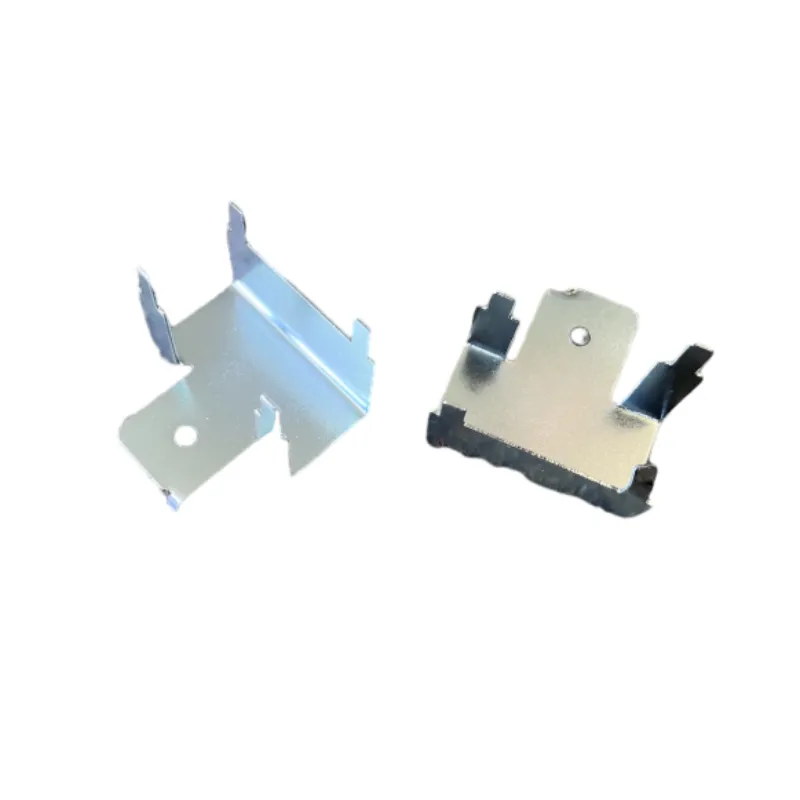
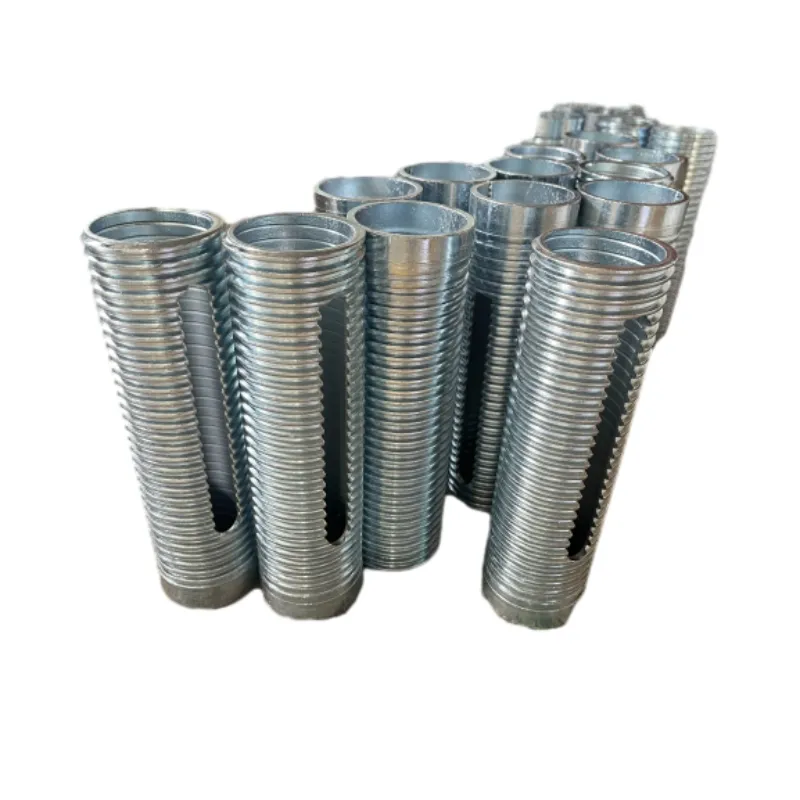
In the metal structure industry, the difference between a safe scaffold and a dangerous one often comes down to the quality of the fasteners. Small components like Scaffolding Pins, Bolts and Nuts, and Hex Nuts may seem insignificant, but they are the primary points of tension and shear resistance.
Structural safety is not found in the thickness of the steel pipes alone, but in the precision and load-rating of the connectors that bind them. A single faulty coupler can compromise the integrity of an entire tier.
Consistent manufacturing standards are essential. When fasteners are produced using high-pressure die casting or precise stamping, they maintain their shape under extreme stress. This prevents the loosening of joints over time, which is a common cause of gradual structural degradation on long-term construction sites.
Analyzing the causes of scaffold failure reveals a pattern: the danger is rarely inherent to the design but is instead triggered by operational negligence. Overloading a platform beyond its rated capacity is a leading cause of collapse, as it exceeds the shear strength of the couplers and the compressive strength of the props.
Another critical factor is the lack of adequate tying to the permanent structure. Without proper anchors, a scaffold can pull away from the building, leading to a total collapse. The following index illustrates the relative risk impact of various failure factors in a typical construction setting.
In high-rise projects, the complexity of scaffolding increases exponentially. The wind load at higher elevations can create immense lateral pressure, making the choice of locking mechanisms—such as Scaffolding Ringlock—paramount. These systems provide a more rigid connection than traditional tube-and-clamp methods, significantly reducing the risk of sway and oscillation.
Furthermore, the integration of complementary building materials is essential for a holistic safety approach. For instance, using PVC Corner Beads or specific PVC Profiles in the surrounding permanent structure ensures that the environment around the scaffolding remains clean and free of jagged edges, reducing secondary injury risks for the workforce moving between the scaffold and the building.
The industry is moving away from haphazard assembly toward standardized modular systems. Modular scaffolding, such as the Cuplock or Ringlock variety, minimizes the human error associated with manual measurements and tightening. By utilizing pre-engineered connections, the risk of "under-tightening" a coupler is virtually eliminated.
The focus has also shifted toward material science. The transition to galvanized steel and high-strength alloys prevents corrosion, which is a silent killer in scaffolding safety. Rust degrades the wall thickness of the pipes and the grip of the couplers, making a structure that was safe yesterday dangerous today.
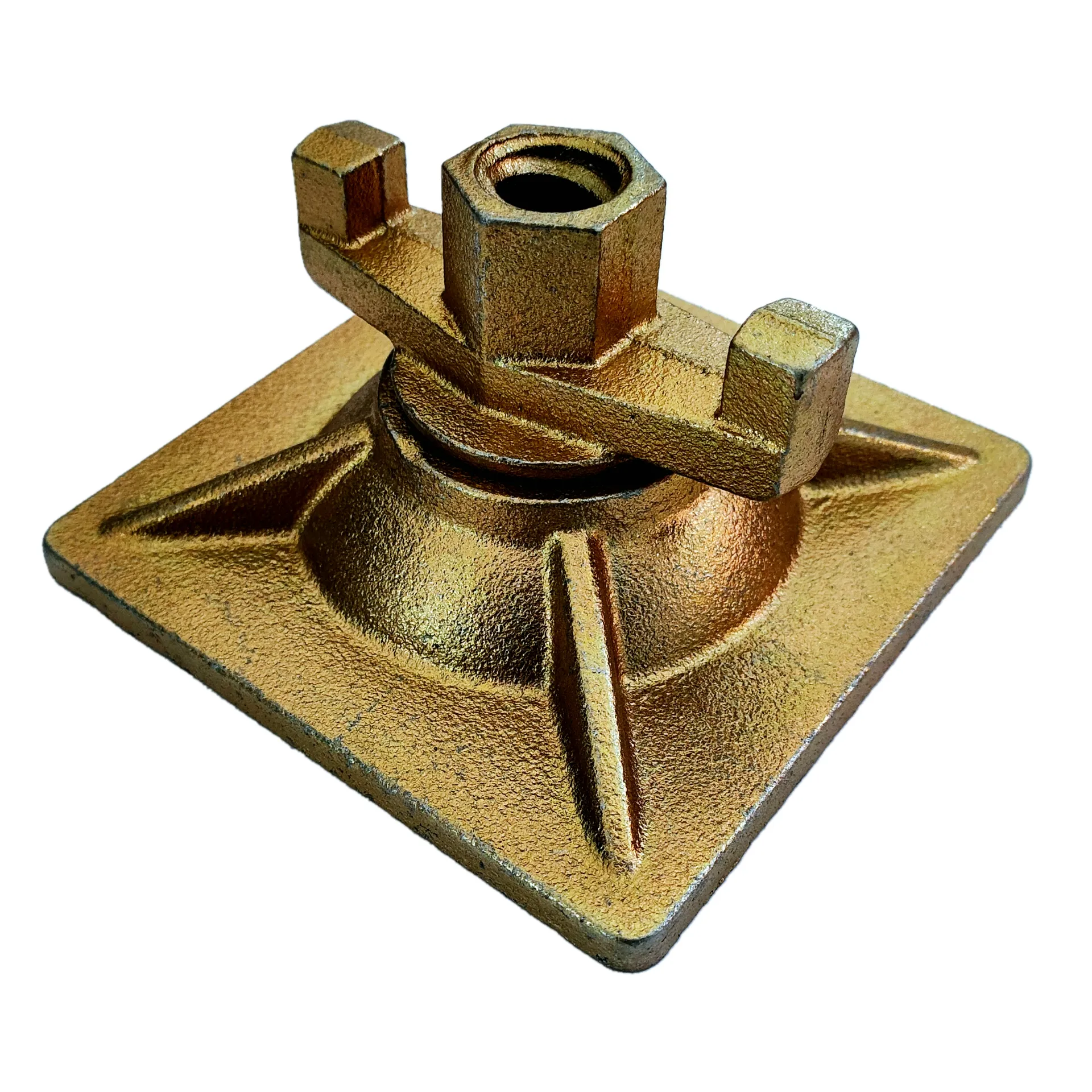
Modern procurement now emphasizes the "system" rather than individual parts. By sourcing compatible accessories—such as matching Tie Rods, Wing Nuts, and Steel Props—from a single manufacturer, contractors ensure that all components are designed to work within the same load-bearing calculations.
When evaluating equipment to determine if a setup will be dangerous or safe, a structured selection framework is required. The focus should be on the intersection of material grade, tolerance levels, and environmental suitability.
Comparing traditional tube-and-clamp systems with modern modular systems reveals a clear trade-off between flexibility and inherent safety. While traditional systems can be adapted to any shape, they rely heavily on the skill of the individual worker to ensure every joint is secure.
The following table provides a relative assessment of different scaffolding components and their contribution to overall site safety, helping buyers identify which elements require the highest quality control.
| Component | Primary Safety Function | Failure Risk | Criticality Level |
|---|---|---|---|
| Adjustable Jack Base | Load Distribution | Uneven Sinking | High |
| Ringlock/Cuplock | Joint Rigidity | Connection Slip | Critical |
| Steel Props | Vertical Support | Buckling | High |
| Scaffolding Coupler | Lateral Stability | Shear Failure | Critical |
| Scaffolding Pins | Locking Security | Dislodgement | Medium |
| Tie Rods/Fasteners | Building Anchorage | Tension Snap | High |
No, scaffolding is not inherently dangerous; it is a highly engineered tool. The danger arises from the misuse of the equipment, such as overloading platforms, using corroded components, or failing to secure the structure to a building. When high-quality materials like Ringlock systems are installed according to professional engineering standards, the risks are minimized to an acceptable level for industrial construction.
Signs of instability include visible leaning, excessive swaying when workers move, or gaps between the couplers and the pipes. You should also check the base; if the Adjustable Jack Bases are sinking into the ground or are not properly leveled, the center of gravity is compromised. Regular audits focusing on the tightening of all fasteners and the condition of the locking pins are essential for early detection.
Modular systems (like Ringlock or Cuplock) are generally safer because they reduce the reliance on manual tightening and human judgment. The connections are standardized and a "click-lock" mechanism often indicates a secure joint. Tube-and-clamp systems offer more flexibility for complex shapes but carry a higher risk of failure if a single coupler is not tightened to the correct torque specification.
Absolutely. The metallurgical properties of the fasteners determine their shear and tensile strength. High-pressure die casting and precision stamping ensure that the components can withstand the intended load without deformation. Galvanized coatings are also critical, as they prevent rust from eating into the structural wall of the metal, which would otherwise lead to a sudden drop in load-bearing capacity.
The most common cause is a combination of overloading and inadequate bracing. When too much material is placed on one level, the vertical props can buckle. If the lateral bracing or the ties to the building are missing or loose, the structure loses its ability to resist horizontal forces, leading to a "domino effect" collapse of multiple tiers.
Scaffolding should be inspected before the first use, at regular weekly intervals, and after any significant event—such as high winds, heavy rain, or a structural impact. Inspections should verify that all Adjustable Jack Bases are secure, all couplers are tight, and no components have become bent or corroded. A formal tag system (Green for safe, Red for danger) is the industry standard for communicating status to workers.
Mitigating the risks associated with working at height requires a shift in perspective: safety is not a feature of the equipment, but a result of the entire ecosystem—from the quality of the steel and the precision of the fasteners to the discipline of the assembly crew. By investing in certified modular components and adhering to strict inspection cycles, the inherent dangers of scaffolding are transformed into a controlled and safe environment.
Ultimately, the responsibility for safety lies in the details. Whether it is ensuring a perfectly leveled base or selecting high-tolerance couplers, the goal is to eliminate the "weakest link." As the industry continues to evolve toward more standardized modular systems, the potential for human error decreases, paving the way for more efficient and secure vertical construction globally.