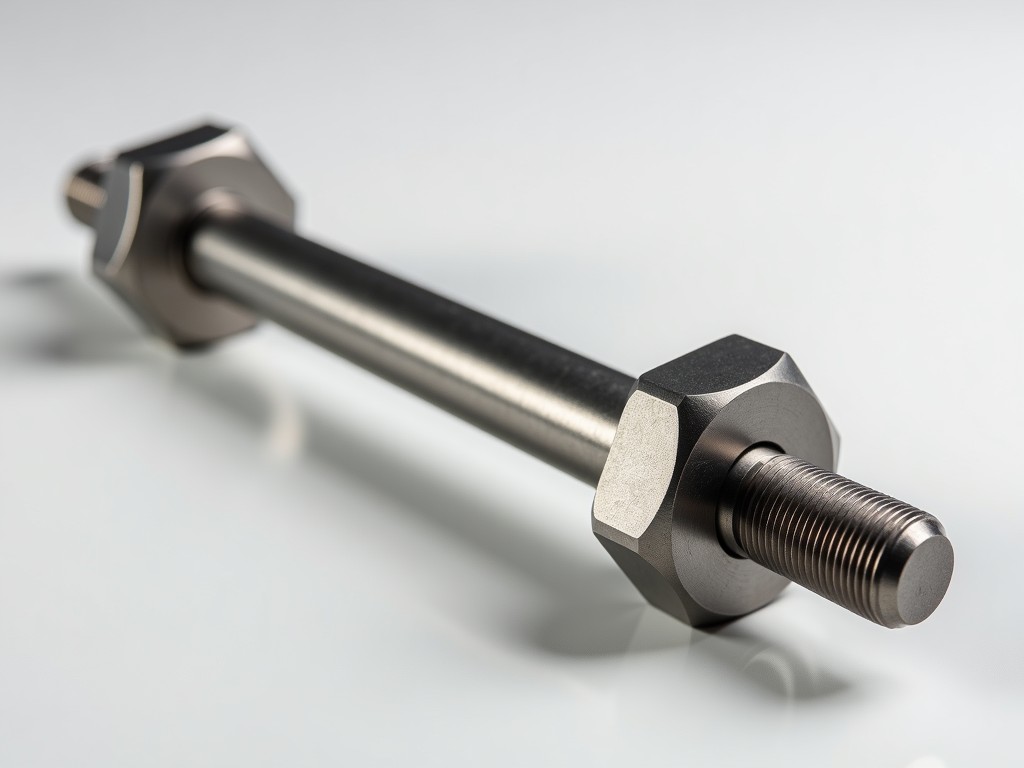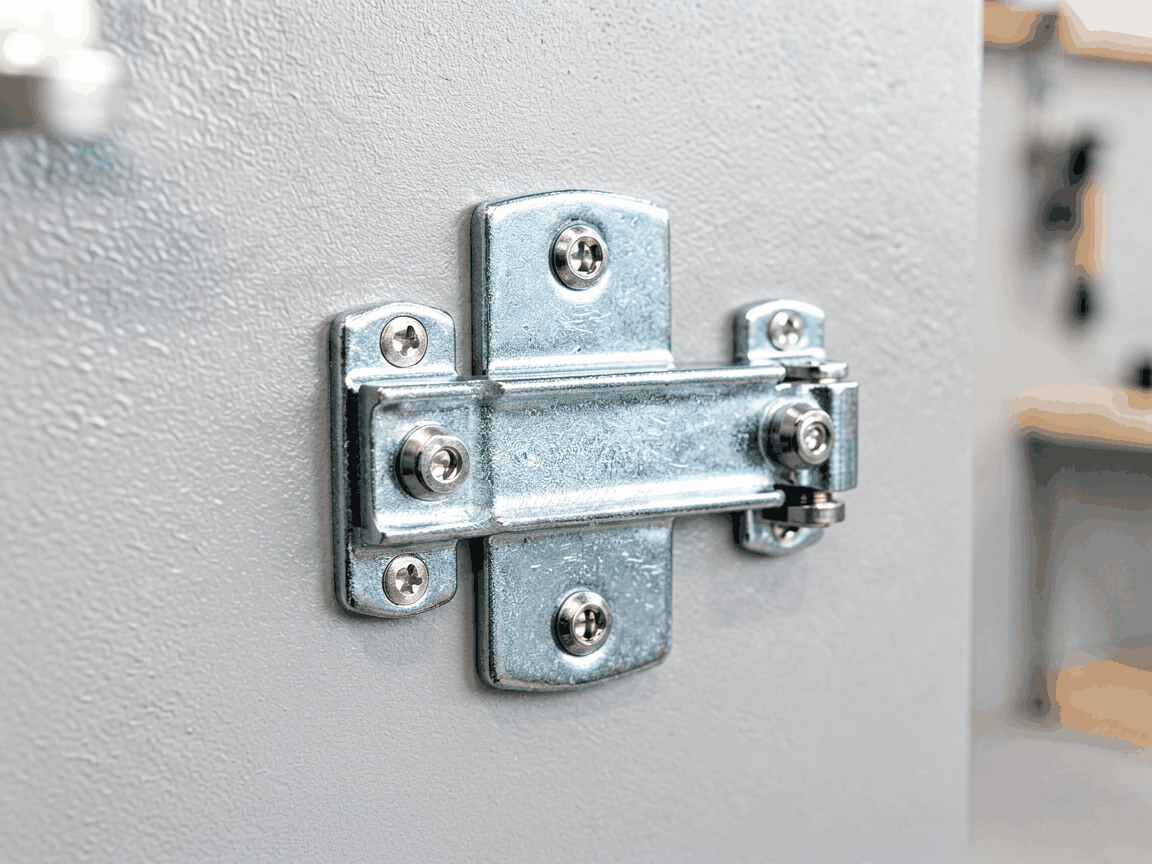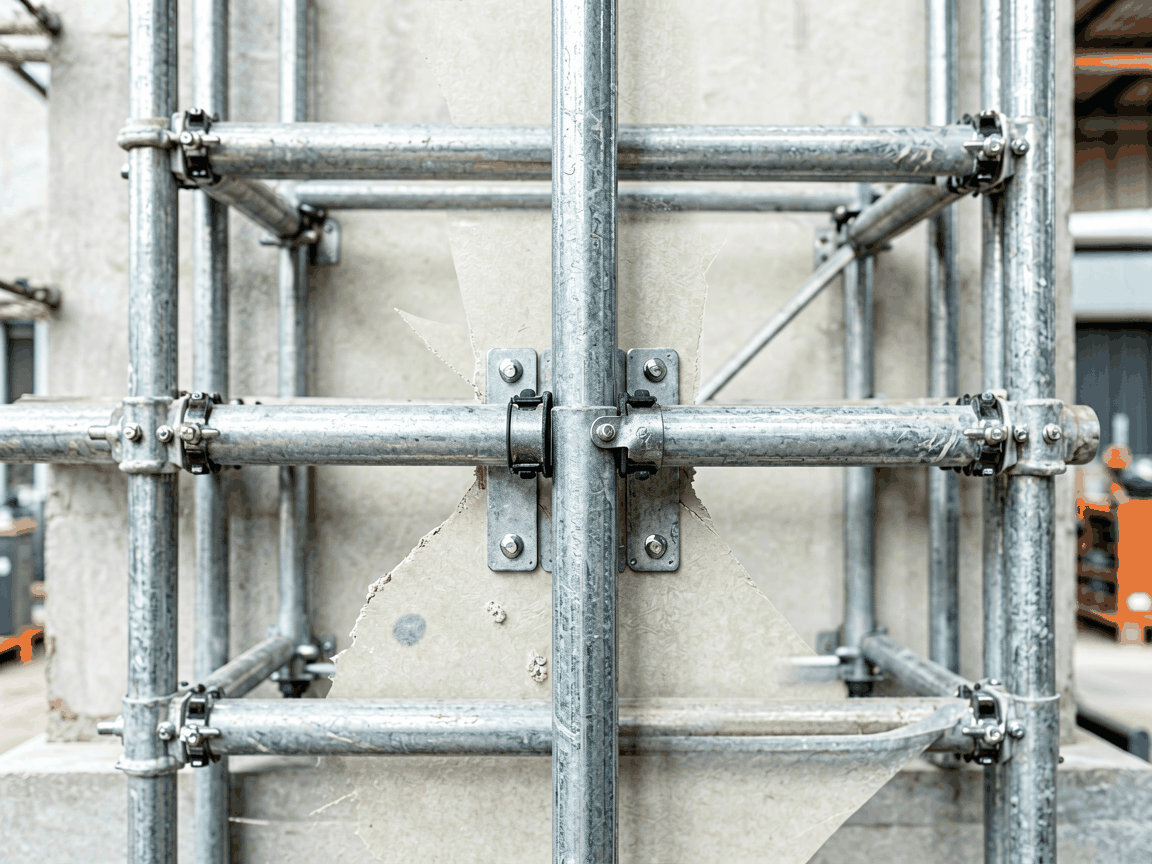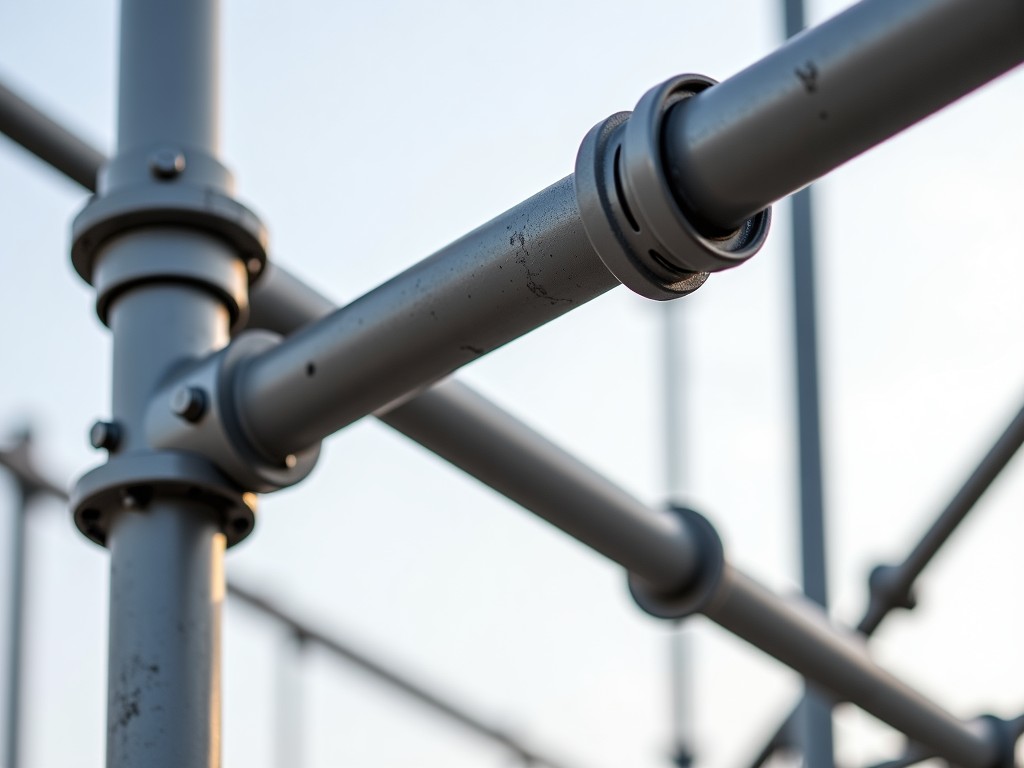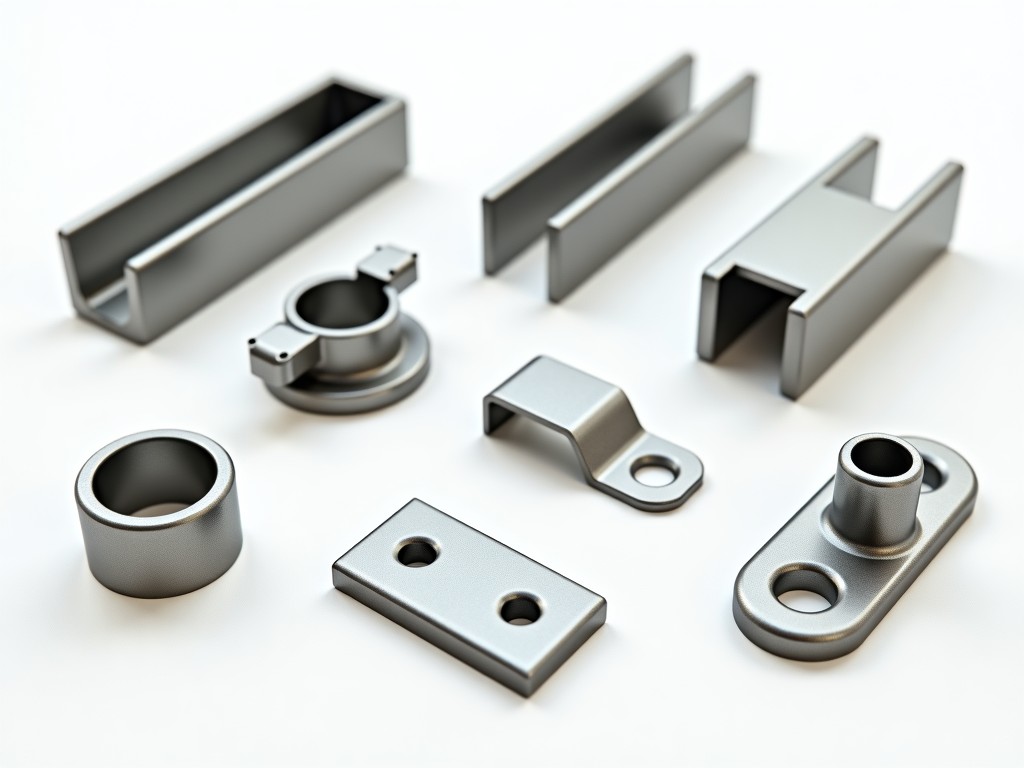
Scaffold clips are essential fastening components used to secure scaffold tubes, boards, and accessories in temporary support structures. Their design directly affects assembly speed, load distribution, and structural integrity under varying site conditions. Understanding the functional differences between clip types enables safer, more efficient erection and dismantling processes.
Scaffold clips are primarily categorized by their attachment mechanism and load path. The most prevalent types include swivel clips, right-angle clips, putlog clips, and board retaining clips. Each serves a distinct role in connecting scaffold elements at specific angles or resisting particular forces.
Swivel clips allow rotational adjustment between connected tubes, enabling bracing at non-standard angles. Right-angle clips lock tubes at 90° intersections, forming the primary grid of most scaffold systems. Putlog clips support horizontal putlogs that bear working platforms, while board retaining clips prevent lateral movement of scaffold boards under wind or worker load.
Most scaffold clips are manufactured from hot-dip galvanized steel to resist corrosion in outdoor environments. The base material typically meets S235JR or equivalent structural steel standards, with zinc coating thickness averaging 55 μm per EN ISO 1461. Some clips incorporate hardened steel pins or springs to maintain clamping force over repeated use.
Forged clips exhibit superior grain flow and impact resistance compared to cast alternatives, particularly in high-stress joints. Welded assemblies undergo non-destructive testing to verify joint integrity, while machined components maintain tighter tolerances for precise tube fit. Surface treatments may include passivation to reduce white rust formation in humid climates.
The safe working load (SWL) of a scaffold clip depends on its geometry, material grade, and installation torque. Typical SWL values for standard right-angle clips range from 2.2 kN to 3.5 kN per leg when tested per EN 74 or BS 1139. Swivel clips generally exhibit lower axial capacity due to pivot point stress concentrations.
Clip performance degrades if tube surfaces are deformed, painted, or contaminated with debris. Over-tightening can cause tube ovalization, reducing contact area and increasing slip risk. Regular inspection for pin wear, spring fatigue, and corrosion pitting is recommended per local scaffolding regulations.
In facade scaffolding, right-angle clips dominate vertical and horizontal bracing due to their predictable shear resistance. Suspended scaffolds rely on specialized swivel clips to accommodate building curvature and maintain level platforms. Shoring systems often use heavy-duty putlog clips with increased bearing surfaces to distribute concentrated loads from formwork.
Mobile towers benefit from quick-release board retaining clips that allow tool-free board replacement during repositioning. Confined space applications may require low-profile clips to minimize protrusion hazards. Marine environments necessitate clips with enhanced chloride resistance, sometimes utilizing stainless steel grades like 316L for critical joints.
| Clip Type | Primary Function | Typical Angle | Load Direction | Adjustability |
|---|---|---|---|---|
| Right-Angle Clip | Tube-to-tube joint | 90° | Shear and axial | Fixed |
| Swivel Clip | Adaptive bracing | 0–360° | Multi-directional | Full rotation |
| Putlog Clip | Putlog support | 90° | Vertical load | Fixed |
| Board Retaining Clip | Board restraint | N/A | Lateral | Snap-fit |
Proper clip installation requires tube ends to be cut square and free of burrs. Clips should be positioned so that the load transfers through the strongest section of the tube wall, typically avoiding weld seams. Torque specifications for clamping bolts, where applicable, range from 25 to 40 Nm depending on bolt size and thread pitch.
Maintenance intervals should align with scaffold inspection schedules—typically every 7 days for active structures. Key inspection points include pin engagement, spring tension, thread condition, and coating integrity. Clips showing permanent deformation, cracked welds, or excessive corrosion must be removed from service immediately.
Storage in dry, ventilated conditions prevents premature degradation. Segregating clips by type and size reduces installation errors on site. Some manufacturers provide color-coded or stamped identifiers to aid rapid visual sorting during high-tempo operations.
While standard clip geometries satisfy most applications, specialized projects may require non-standard tube diameters, extended throat depths, or modified pin configurations. Customization is feasible through adjusted tooling or secondary machining, though lead times increase accordingly. Engraving for traceability or client identification is commonly available upon request.
Technical support includes load calculation assistance, compatibility verification with existing tube inventories, and guidance on regional compliance standards (e.g., OSHA, CSA, EN). Documentation such as material test certificates, batch traceability records, and installation manuals are provided with bulk orders.
For non-urgent inquiries, contact our engineering team via the link below. Provide project specifics including tube dimensions, expected loads, environmental exposure, and required quantities to receive a tailored recommendation.
Request Technical Consultation