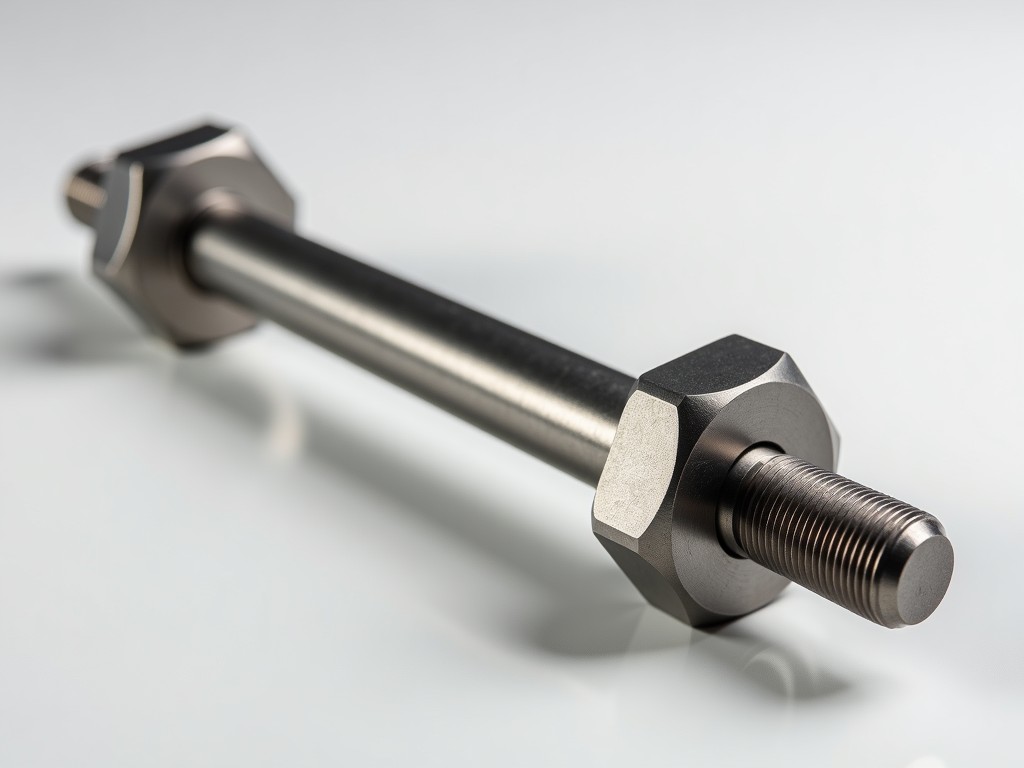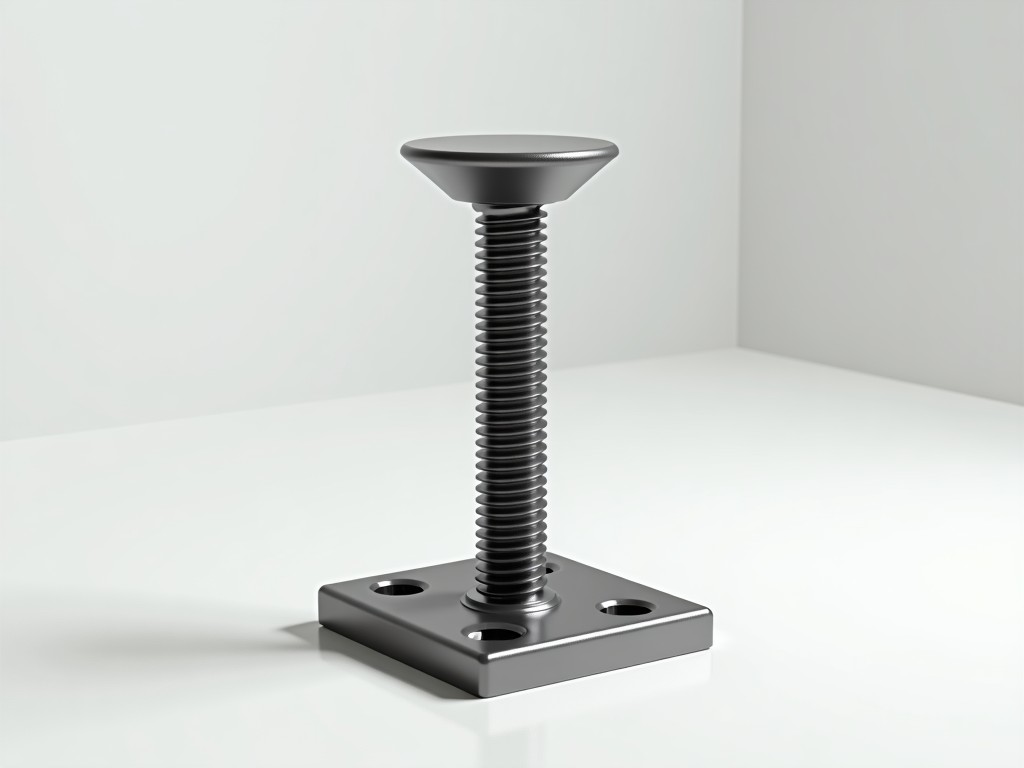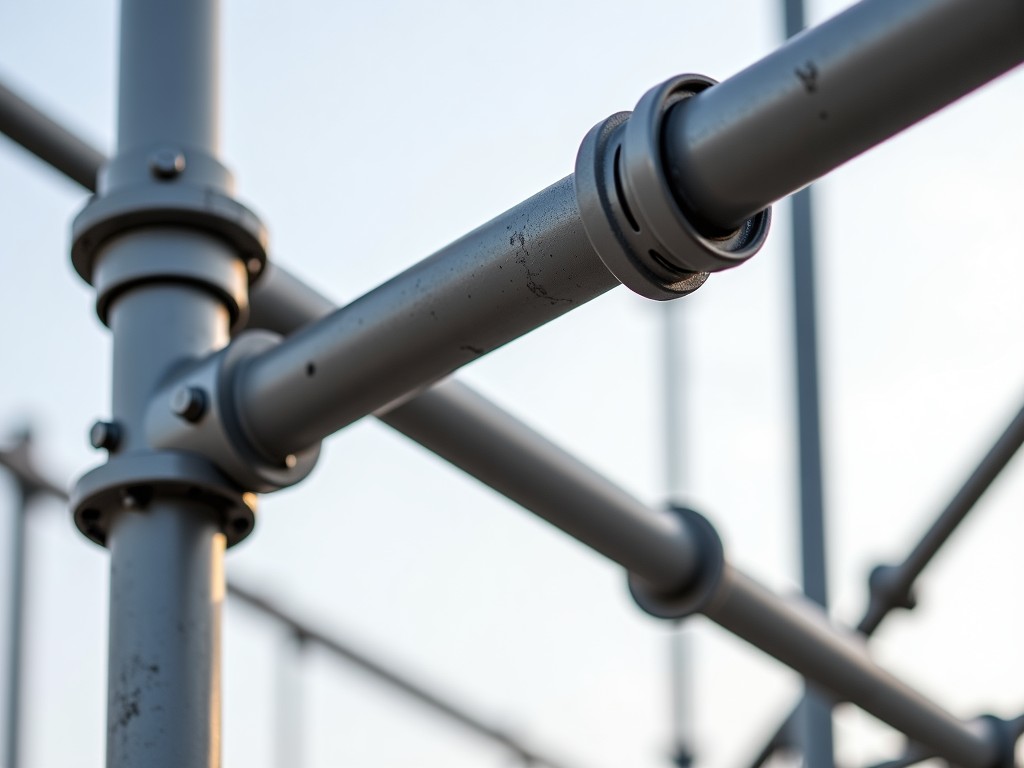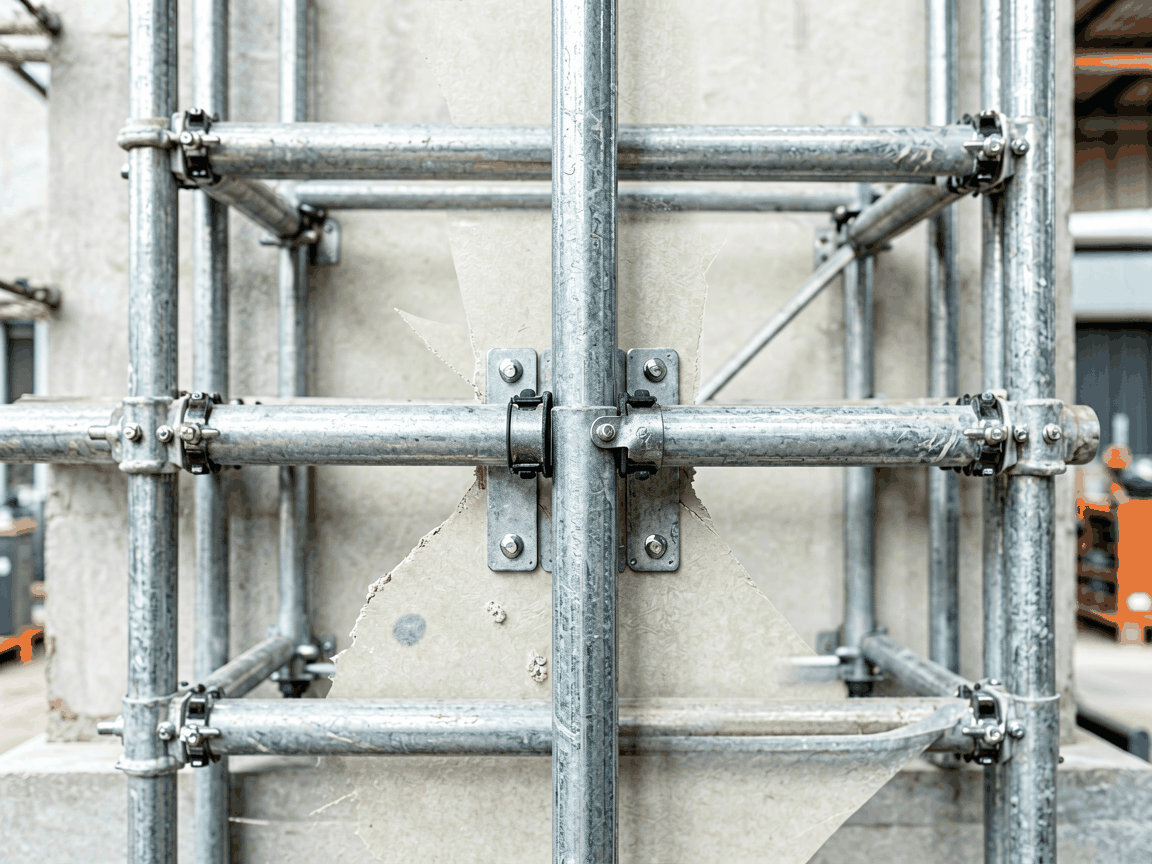
Scaffolding wall tie systems provide essential lateral restraint between temporary access structures and permanent building elements. Without adequate tying, scaffold frames become susceptible to wind loads, dynamic forces from personnel movement, and instability during erection or dismantling. The universal frame scaffolding wall tie system addresses these risks through a standardized interface compatible with multiple tube-and-clamp and modular scaffold configurations, reducing reliance on custom-fabricated solutions.
The system transfers horizontal forces from the scaffold to the building structure via a load-bearing anchor point embedded in or attached to the substrate. Primary components include a scaffold-side coupling mechanism, a structural tie bar, and a building interface—typically a through-bolt, chemical anchor, or expansion sleeve. Load paths are designed to resist both tension and compression, accommodating cyclic loading during construction phases. Engineering calculations typically assume a 3:1 safety factor against ultimate tensile strength, with design loads based on EN 12811-1 or OSHA 1926 Subpart L guidelines.
Unlike proprietary tie systems limited to specific scaffold brands, the universal version uses adjustable couplers that accommodate tube diameters from 48.3mm to 60.3mm, enabling integration with common scaffold tube sizes across regional standards. The tie bar length is adjustable in 50mm increments, typically ranging from 300mm to 1200mm, allowing adaptation to varying cavity depths in masonry, concrete, or steel structures.
Structural components are manufactured from hot-rolled structural steel grades such as S275JR or S355JR, meeting minimum yield strength requirements of 275 MPa and 355 MPa respectively. For environments with elevated chloride exposure—such as coastal infrastructure or industrial zones—hot-dip galvanization per EN ISO 1461 provides a zinc coating thickness of 55–85 µm, offering approximately 15–25 years of maintenance-free service in C3–C4 atmospheric corrosion zones.
Stainless steel variants (A2/AISI 304 or A4/AISI 316) are available for permanent works or high-hygiene environments where staining or corrosion products must be avoided. Material test certificates (EN 10204 3.1) are provided upon request, verifying chemical composition and mechanical properties. Welded joints, where present, employ continuous fillet welds verified by visual inspection per EN ISO 5817, with non-destructive testing available for critical applications.
The system’s adaptability reduces on-site modification needs. The scaffold coupler uses a dual-bolt clamping mechanism that grips the tube without damaging galvanization, allowing repositioning without compromising coating integrity. Tie bars feature serrated adjustment slots with locking pins, enabling incremental length changes while maintaining shear resistance. This avoids the need for cutting or welding ties to length, preserving material certification and reducing hot-work risks on site.
Installation follows a logical sequence: first, the building anchor is secured to the substrate using engineer-approved fasteners; second, the tie bar is inserted into the anchor and adjusted to reach the scaffold; third, the scaffold coupler is clamped to the vertical or horizontal member and locked. Temporary deflection indicators may be used during initial loading to verify alignment. Reusability is designed into the system—components withstand multiple erection cycles if inspected for deformation, thread wear, or coating damage before reuse.
| Feature | Universal Frame Tie | Eye Bolt + Wire | Through-Bolt + Plate |
|---|---|---|---|
| Scaffold Compatibility | Adjustable coupler fits 48.3–60.3mm tubes | Requires specific eye size | Direct bolt-through |
| Length Adjustment | 50mm increments, no cutting | Wire length variable | Fixed; requires new bolt |
| Reusability | High (inspect and reuse) | Low (wire deformed) | Medium (bolt reusable) |
| Installation Time | Moderate (mechanical lock) | Low (but less precise) | High (drilling, alignment) |
| Load Precision | Predictable, calibrated | Variable (wire sag) | High (direct transfer) |
Compared to traditional wire ties, the universal system eliminates variability in tension and reduces risk of slippage under dynamic loads. While through-bolt systems offer high stiffness, they require precise hole alignment and are less adaptable to uneven substrates. The universal tie balances adjustability, reusability, and predictable load transfer—making it suitable for projects where scaffold geometry changes frequently or where temporary works must align with evolving permanent structures.
Manufacturing follows ISO 9001-aligned processes with material traceability from mill certificate to final product. Dimensional inspections verify coupler bore tolerance (±0.5mm), tie bar straightness (<0.5mm/m), and thread pitch compliance. Load testing is performed on sampling basis using hydraulic rigs to validate ultimate tensile capacity, with results retained for batch tracking. Surface preparation before galvanizing includes alkaline cleaning and pickling to ensure coating adhesion, verified by magnetic flux thickness gauges.
Each batch is marked with a unique identifier enabling traceback to raw material lot, production date, and inspection records. This supports safety audits and incident investigations. While the system is not inherently certified as a complete scaffold assembly, its components are designed to integrate with EN 74 and EN 12810/12811 compliant scaffolds when installed per engineer specifications.
The system is commonly used in high-rise concrete construction where scaffold must be tied to floor slabs, shear walls, or core structures at intervals not exceeding 6m vertically and 3m horizontally—per typical scaffolding regulations. In renovation projects, it allows tying to existing masonry or concrete without damaging finishes, using chemical anchors that distribute load over a larger substrate area. For steel-framed buildings, beam clamps or bolt-on adapters enable connection to structural members without welding.
Infrastructure projects such as bridge rehabilitation or tunnel lining benefit from the system’s adaptability to curved or irregular substrates. In industrial maintenance turnarounds, where scaffolds are erected and dismantled repeatedly over short periods, the reusability of the tie system reduces lifecycle cost compared to single-use alternatives. It is also applied in shoring and falsework systems where lateral restraint is required for formwork stability during concrete pouring.
Engineers and procurement teams seeking detailed load tables, anchoring options, or project-specific configuration support can request technical documentation. The universal frame scaffolding wall tie system is available in standard and custom lengths, with material finishes selected to match environmental exposure and service life requirements.