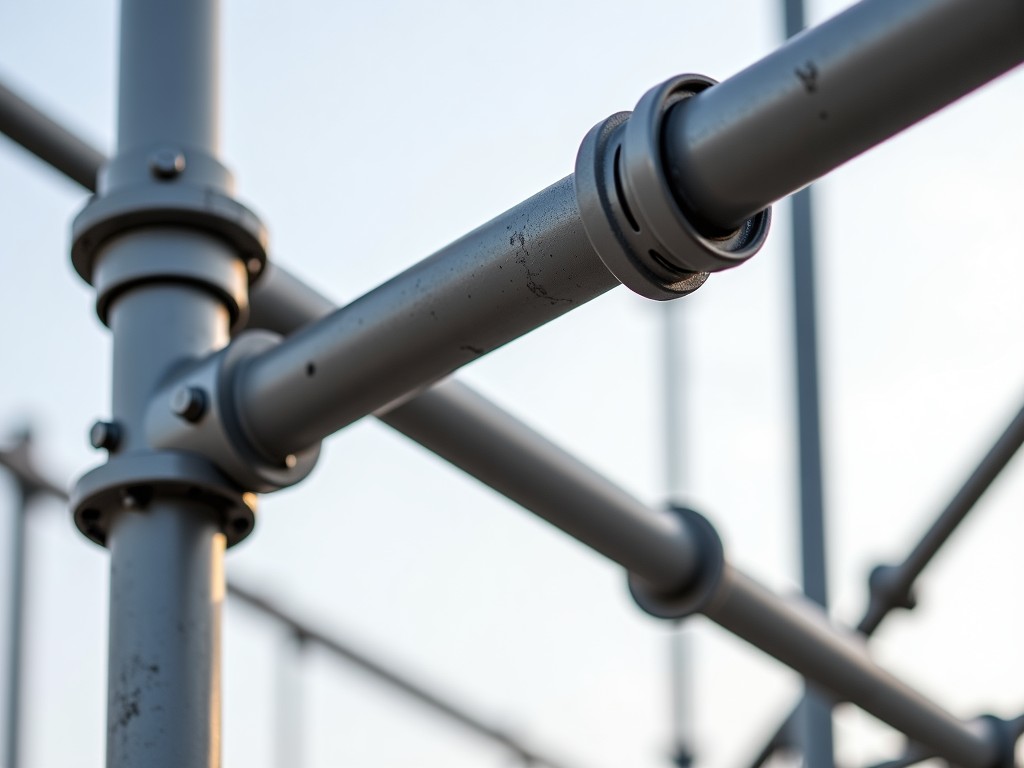
U jacks are adjustable steel support systems used in concrete formwork to maintain precise vertical alignment and load distribution during pouring and curing. Unlike fixed-height props, U jacks incorporate a threaded spindle mechanism allowing incremental height adjustment typically ranging from 300mm to 600mm, depending on model. This adjustability compensates for site tolerances, beam deflection, and formwork settlement, ensuring consistent slab thickness and surface finish. The U-shaped head securely grips timber or steel beams, transferring loads vertically to the base plate while minimizing lateral movement. Proper selection directly impacts formwork stability, labor efficiency, and concrete quality, making technical specifications critical for procurement decisions.
Material composition significantly influences durability and load capacity. Standard U jacks utilize cold-rolled steel for the inner and outer tubes, with tensile strength typically between 340–450 MPa. The spindle is commonly manufactured from hardened carbon steel (grade 45# or equivalent) to resist deformation under cyclic loading. Base plates are often forged or pressed steel with diameters ranging from 150mm to 200mm to distribute loads over soft ground or timber sleepers. Surface treatments include hot-dip galvanizing (minimum 55µm zinc coating) or powder coating to enhance corrosion resistance in humid or alkaline concrete environments. These material choices determine service life, maintenance frequency, and suitability for reuse across multiple construction cycles.
Load capacity is the primary engineering criterion for U jack selection, defined as the maximum axial load the unit can sustain without permanent deformation or buckling. Capacity depends on tube diameter, wall thickness, material grade, and extended height. Typical safe working loads (SWL) range from 20 kN to 50 kN per jack when deployed vertically and fully retracted, decreasing linearly with extension due to reduced column stability. For example, a 50mm outer tube with 2.5mm wall thickness may support 35 kN at 500mm extension but only 25 kN at 750mm extension. Manufacturers specify SWL with a safety factor of 3:1 or 4:1 against yield strength, meaning the ultimate load capacity is three to four times the rated value. Exceeding SWL risks tube ovalization, spindle thread stripping, or base plate punching shear failure.
Buckling resistance is governed by the slenderness ratio (effective length divided by radius of gyration). Longer extensions increase susceptibility to Euler buckling, particularly if the jack is not perfectly vertical or if the base lacks lateral restraint. To mitigate this, some designs incorporate stiffening ribs on the outer tube or use ovalized cross-sections to improve moment of inertia. Site conditions such as uneven ground, dynamic loads from vibrating equipment, or eccentric loading from misaligned formwork further reduce effective capacity. Engineers should apply additional derating factors—typically 15–25%—for non-ideal installation conditions, especially in high-rise formwork or long-span slab applications where cumulative deflection must be controlled.
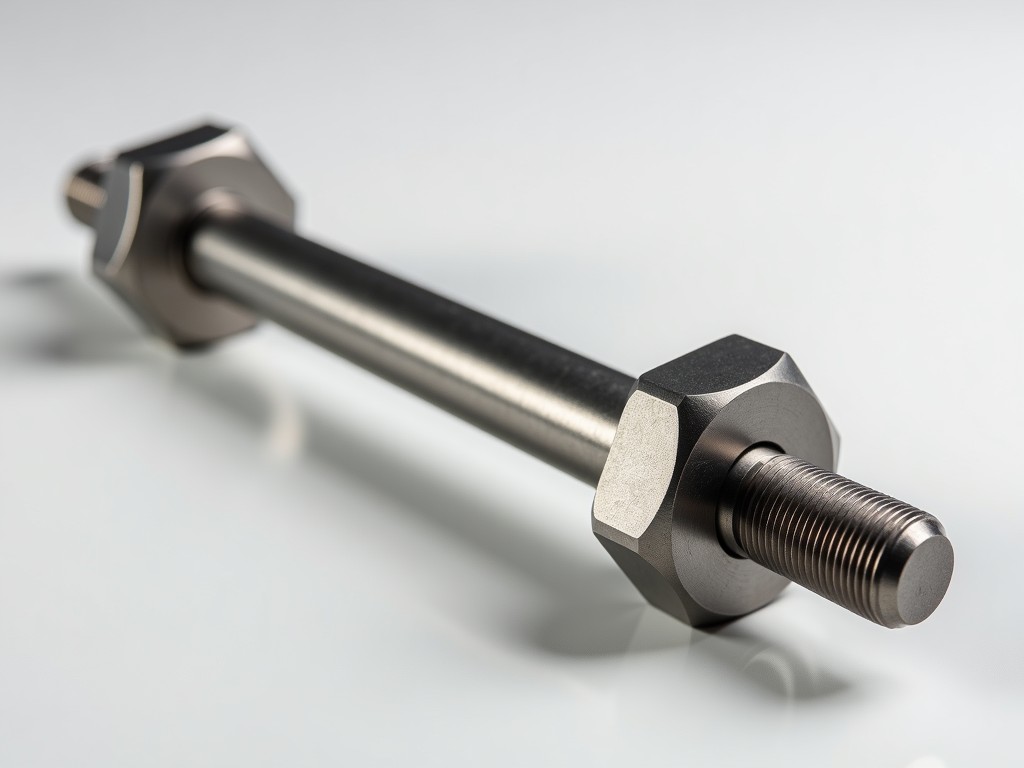
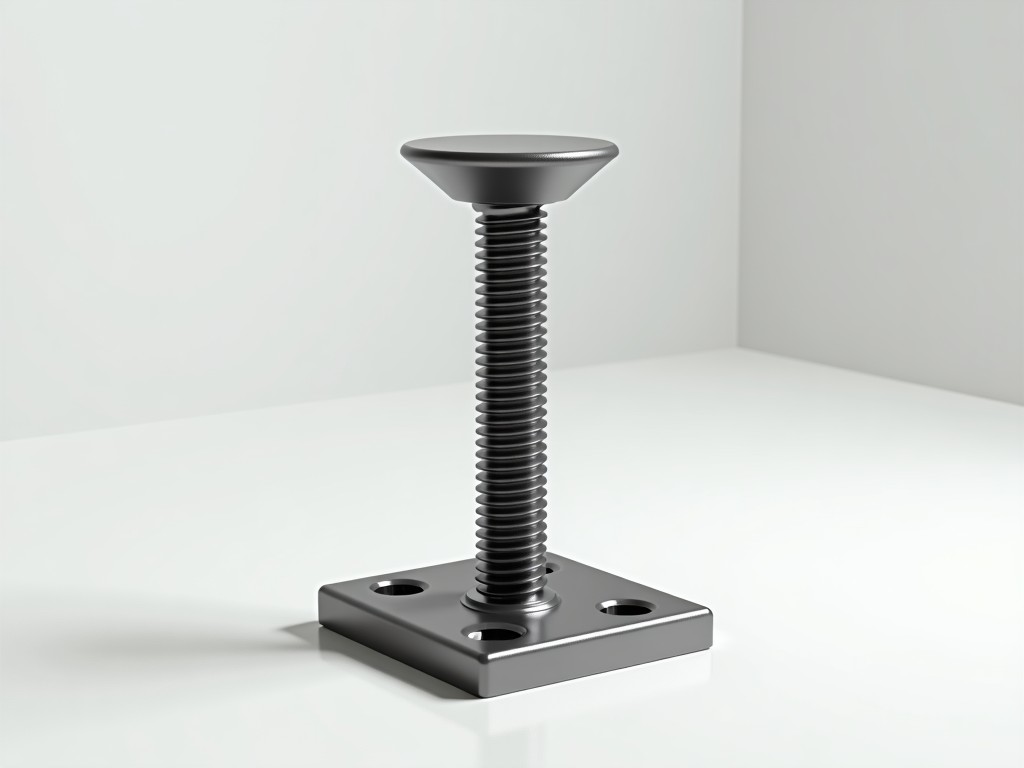
The adjustment mechanism determines ease of use, precision, and long-term reliability. Most U jacks use a trapezoidal or ACME thread spindle with a pitch of 3–6mm per revolution, allowing fine height control. A full rotation typically changes height by the pitch value; for instance, a 4mm pitch requires 25 rotations to achieve 100mm of adjustment. Spindle length dictates total adjustment range—commonly 300–600mm—beyond which the inner tube may disengage or lose guidance. Collar nuts or locking pins prevent unintended rotation under load, while ergonomic handles (often steel pipe or molded plastic) reduce operator fatigue during repeated adjustments. Some models feature quick-release triggers for rapid positioning in repetitive tasks like wall formwork, though these may compromise load integrity if not fully engaged.
Wear resistance in the thread interface is critical for longevity. Hardened spindle surfaces (HRC 40–50) paired with nitrogen-treated or bronze-bushed inner tubes reduce galling and maintain smooth operation after hundreds of cycles. Lubrication points—usually grease nipples on the collar or spindle end—allow maintenance without disassembly. Corrosion inhibitors in the lubricant prevent rust-induced seizing in wet conditions. Visual height indicators, such as engraved scales or color-coded bands on the inner tube, improve setup accuracy and reduce measurement errors. These features collectively influence labor productivity, especially in projects requiring frequent reconfiguration like climbing formwork or adjustable soffit systems.
Safety considerations extend beyond load ratings. Anti-tilt designs prevent the U head from slipping off beams during initial placement or vibration. Some models include spring-loaded latches or magnetic retention to hold the head in position before beam insertion. Base plates may feature perforations for staking into soil or cleat attachments for securing to timber sleepers. In high-wind or seismic zones, lateral bracing compatibility becomes essential—certain U jacks offer pre-drilled holes in the outer tube for connecting diagonal braces or strongbacks. These details, while seemingly minor, significantly reduce installation time and on-site risk, particularly when coordinating large crews across multiple pour stages.
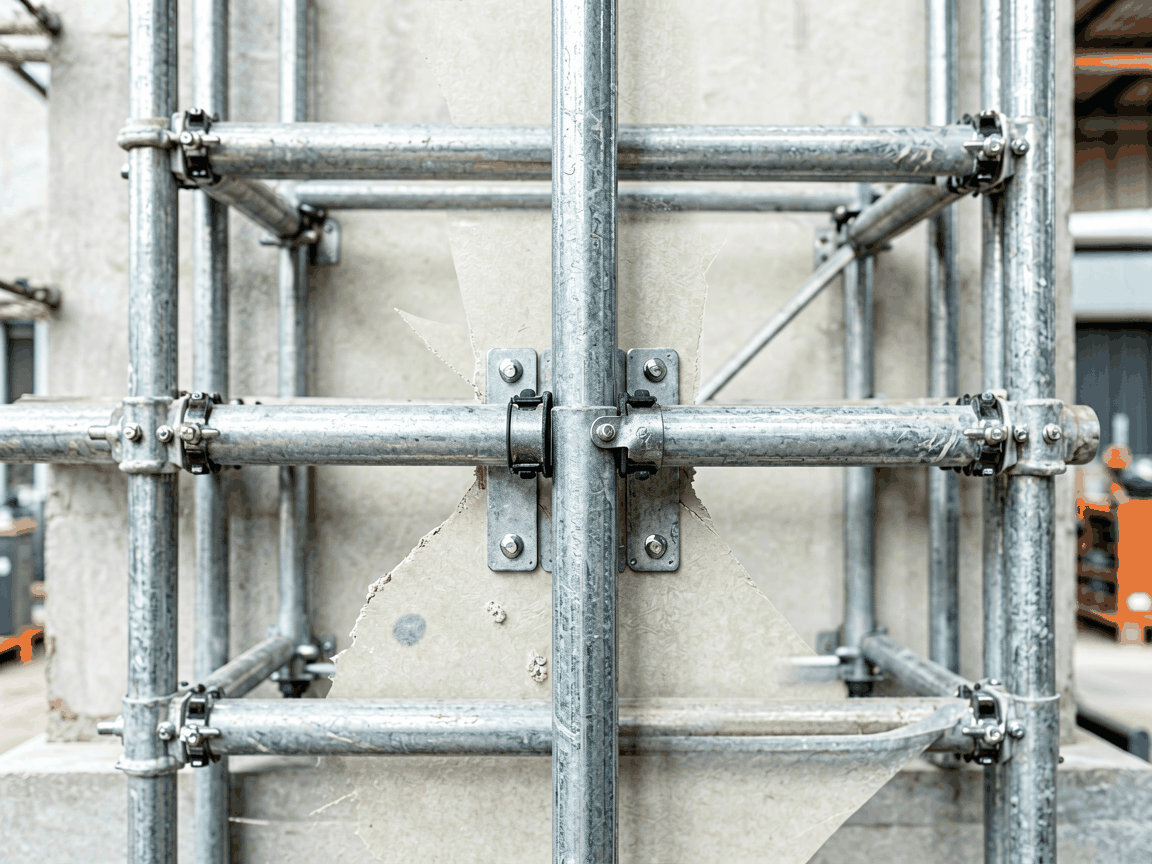
U jacks are most commonly employed in horizontal formwork systems where precise elevation control is required for slabs, beams, and cantilevers. In traditional timber formwork, they support primary bearers (e.g., 100x50mm timber) at intervals of 1.2–1.8m, transferring loads to secondary joists and decking. The U head’s 90-degree geometry accommodates both flush-mounted and side-fixed beams, allowing flexibility in formwork layout. For steel formwork systems, U jacks interface with aluminum or steel beams via bolt-on adapters or direct clamping, maintaining compatibility with modular systems like Peri, Doka, or MEVA. Their adjustability compensates for camber in prefabricated beams or residual deflection in shoring towers, ensuring the soffit remains within tolerance limits (typically ±3mm for exposed concrete finishes).
Vertical applications include temporary column support during wall casting or pier construction, where U jacks secure adjustable steel walers or strongbacks to maintain alignment. In tunnel formwork or climbing systems, they provide intermediate support for vertical panels, allowing incremental ascent as concrete cures. The ability to fine-tune height at each lift reduces reliance on laser grading and minimizes cumulative error. Additionally, U jacks are used in underpinning and repair work to temporarily sustain loads while replacing damaged foundations or columns, where their compact retracted height (often 600–800mm) enables installation in confined spaces. These scenarios demand consistent performance across varying load angles and dynamic conditions, making material fatigue and thread integrity key selection factors.
Beyond buildings, U jacks find use in infrastructure projects such as bridge deck formwork, where they support falsework over rivers or valleys, and in precast yards for adjusting casting beds or storage racks. In shipbuilding, they assist in aligning hull sections during erection. The common denominator across these applications is the need for reliable, repeatable height adjustment under load, combined with resistance to environmental degradation. Projects with high reuse expectations—such as rental yards or repeat contractors—prioritize corrosion resistance and thread durability over initial cost, as maintenance downtime and replacement frequency directly impact lifecycle economics. Understanding these operational contexts helps buyers match product specifications to actual site demands rather than relying solely on nominal load ratings.
Choosing the appropriate U jack requires evaluating five interrelated factors: required load capacity, adjustment range, site conditions, reusability expectations, and compatibility with existing formwork. Load calculations should include dead load (formwork, concrete, reinforcement), live load (workers, equipment), and impact factors from pouring or vibration. A common practice is to select a jack with 20–25% higher SWL than the calculated maximum to account for eccentricities and dynamic effects. Adjustment range must exceed the expected variation in formwork height—typically 50–100mm more than the nominal slab thickness—to allow for shimming and settlement. For example, a 200mm slab with 50mm camber tolerance necessitates at least 350mm of adjustment.
Site conditions dictate material and finish selection. In coastal or high-rainfall areas, hot-dip galvanizing is preferred over electroplating due to superior edge coverage. Where chemical exposure is possible (e.g., from accelerators or silica fume), epoxy or zinc-rich primers may be specified. Soft ground necessitates larger base plates (≥200mm diameter) or optional spreader plates to reduce ground pressure below 150 kPa, preventing settlement. In confined spaces like basements or retrofit projects, low-profile models with retracted heights under 600mm are advantageous. Compatibility checks should verify U head width (typically 100–120mm) matches beam dimensions and that spindle thread pitch aligns with any existing locking mechanisms or handles in inventory.
Customization options are frequently available to address project-specific needs. These include alternative spindle lengths (e.g., 400mm or 800mm for tall formwork), reinforced tubes for high-load applications (up to 75 kN SWL), and specialized head designs such as swivel U heads for sloped surfaces or fork heads for dual-beam support. Surface treatments can be customized to meet project-specific corrosion classes (C3–C5 per ISO 12944). Some manufacturers offer laser-etched identification tags for inventory tracking or barcoding for rental fleet management. While these modifications increase lead time and cost, they often reduce on-site improvisation and improve safety compliance. Buyers should request technical datasheets detailing material certifications, test methods (e.g., EN 1065 for adjustable steel props), and recommended inspection intervals to validate performance claims.
U jack pricing varies significantly based on material specifications, manufacturing tolerances, and surface treatment—factors that directly affect performance and longevity. Base price differences between models often reflect tube wall thickness (e.g., 2.0mm vs. 2.5mm), steel grade (Q235 vs. Q345), and coating thickness. A jack with 2.5mm tubes and hot-dip galvanizing may cost 15–25% more than one with 2.0mm tubes and electroplating, but offers double the service life in corrosive environments. Thread precision also impacts cost; machined ACME threads with tight tolerances (0.1mm pitch variation) are more expensive than rolled threads but ensure consistent torque and reduce wear. These differences are not immediately visible but manifest in field performance—such as seizure frequency, adjustment smoothness, and resistance to ovalization under repeated loading.
Volume pricing structures typically apply for orders exceeding 500 units, with discounts scaling with quantity and commitment to future purchases. However, buyers should be cautious of unusually low quotes that may indicate compromises in material thickness, coating adhesion, or thread hardening. Requesting mill test certificates for steel coils and coating thickness reports (via magnetic gauges) helps verify claims. Long-term value is better assessed through lifecycle cost analysis: initial price divided by expected reuse cycles (e.g., 20–50 for well-maintained galvanized jacks in moderate climates). A higher upfront cost may be justified if it reduces maintenance, replacement, and downtime over multiple projects. Rental companies, in particular, track metrics like average cycles before failure and repair cost per unit to optimize fleet composition.
Market fluctuations in raw material prices—especially steel and zinc—can cause short-term price variability. Lead times also affect effective cost; stock items ship within 5–10 business days, while custom specifications may take 4–6 weeks. Some suppliers offer price protection for quarterly forecasts or consignment arrangements for large contractors. Transparency in pricing breakdowns (material, labor, coating, testing) enables informed comparison. Ultimately, the optimal selection balances technical suitability with total cost of ownership, prioritizing confidence in performance over marginal savings that risk formwork failure, rework, or safety incidents.
| Parameter | Typical Range | Notes |
|---|---|---|
| Outer Tube Diameter | 48–60 mm | Affects buckling resistance and load capacity |
| Wall Thickness | 2.0–3.0 mm | Critical for deformation resistance under load |
| Adjustment Range | 300–600 mm | Determined by spindle length and tube overlap |
| Safe Working Load (SWL) | 20–50 kN (vertical, retracted) | Decreases with extension; apply safety factor 3:1–4:1 |
| Base Plate Diameter | 150–200 mm | Distributes load to prevent ground settlement |
| Coating Thickness (Galvanized) | 55–85 µm | Minimum for C3 corrosion environment per ISO 12944 |
| Thread Pitch | 3–6 mm/rev | Affects adjustment speed and precision |
Proper maintenance extends service life and ensures consistent performance across reuse cycles. After each use, jacks should be cleaned of concrete slurry, debris, and moisture using nylon brushes and low-pressure water—avoiding high-pressure jets that may force contaminants into threads. Threads and moving parts require relubrication with water-resistant grease (NLGI #2, lithium complex) before storage. Periodic inspection should check for tube ovalization (using calipers at multiple angles), thread wear (visible deformation or increased play), base plate cracks, and coating damage. Any jack showing permanent elongation beyond 1% of original length, thread galling that impedes rotation, or base plate distortion should be retired from service. These checks are often conducted quarterly in rental fleets or before each project cycle for owned equipment.
Storage conditions significantly influence longevity. Jacks should be kept in dry, ventilated areas off the ground to prevent moisture accumulation and condensation. Stacking should avoid point loading on threads or heads—using pallets or racks with uniform support is recommended. In humid climates, vapor-corrosion inhibitors (VCI) in storage wraps or desiccant packs can reduce rust formation. For long-term storage, applying a light oil coating to threads provides temporary protection. Maintaining detailed logs of usage cycles, maintenance actions, and inspection results supports predictive maintenance and helps identify design weaknesses or batch-specific issues. This disciplined approach maximizes return on investment and ensures reliability when the equipment is returned to service.
For technical inquiries, customization requests, or detailed quotation based on project-specific load profiles and environmental conditions, please contact our engineering team. Provide details including required safe working load, adjustment range, expected reuse cycles, and site conditions to receive a tailored solution that meets your formwork stability and budget objectives.
Request Technical Consultation