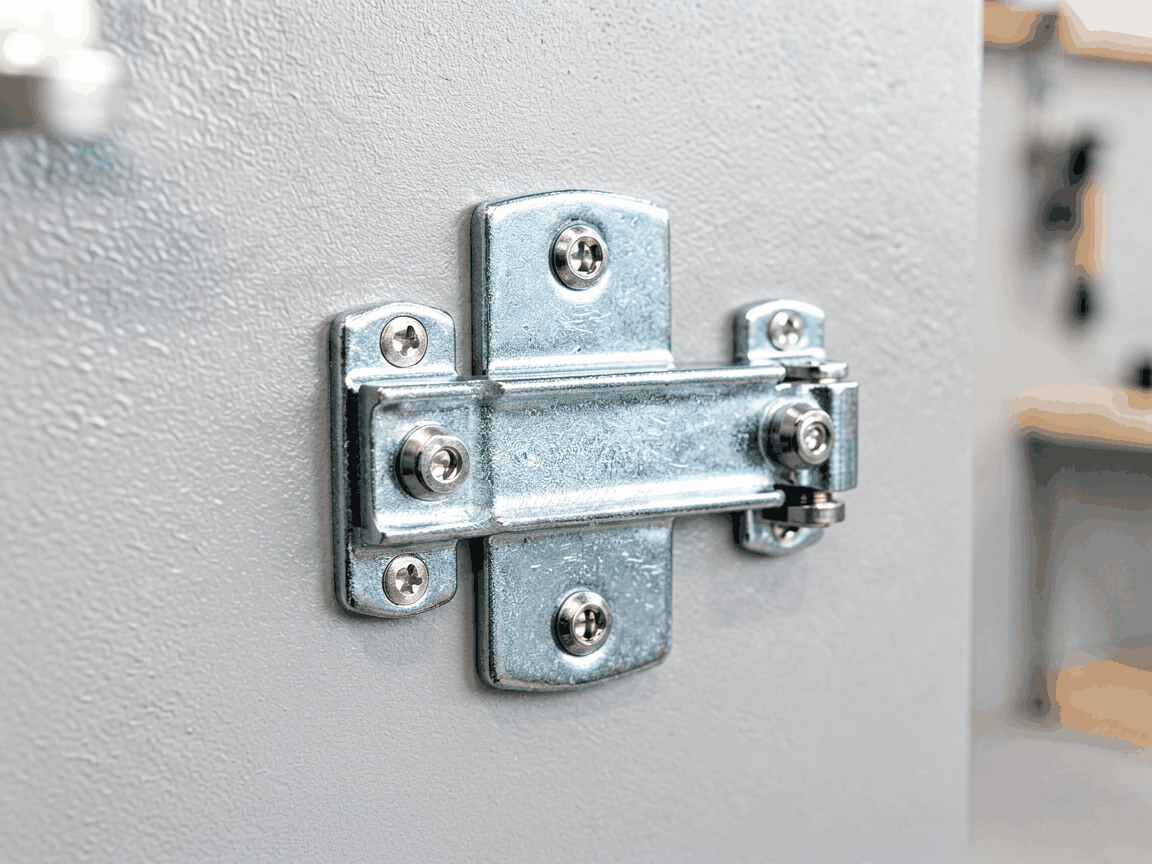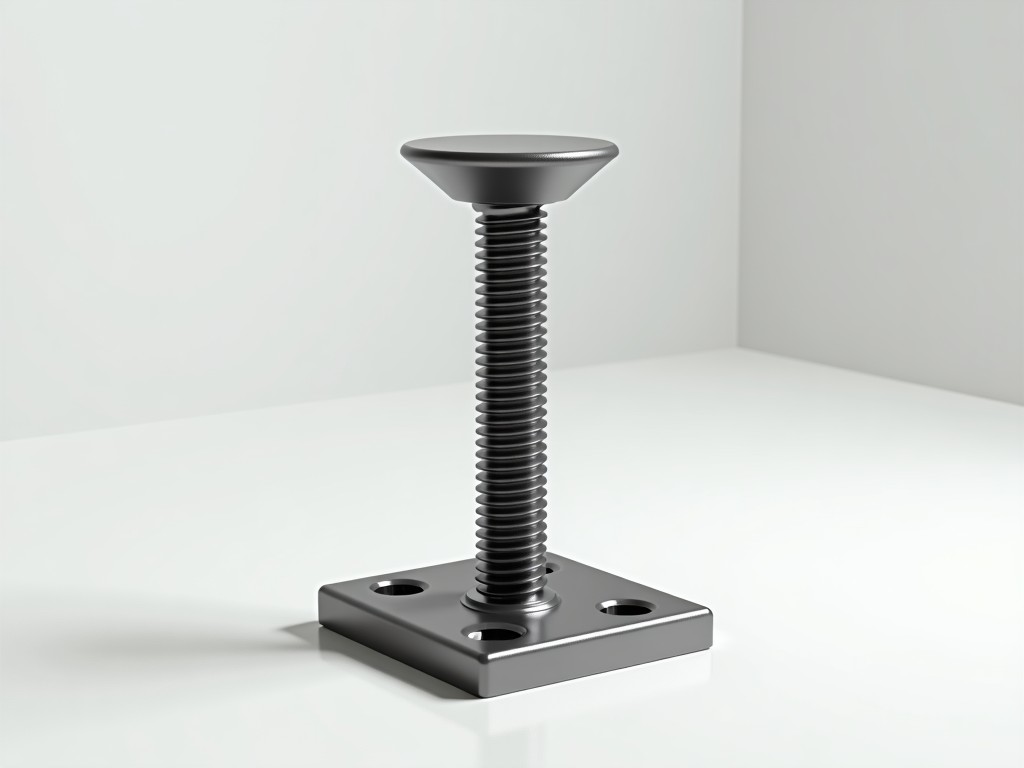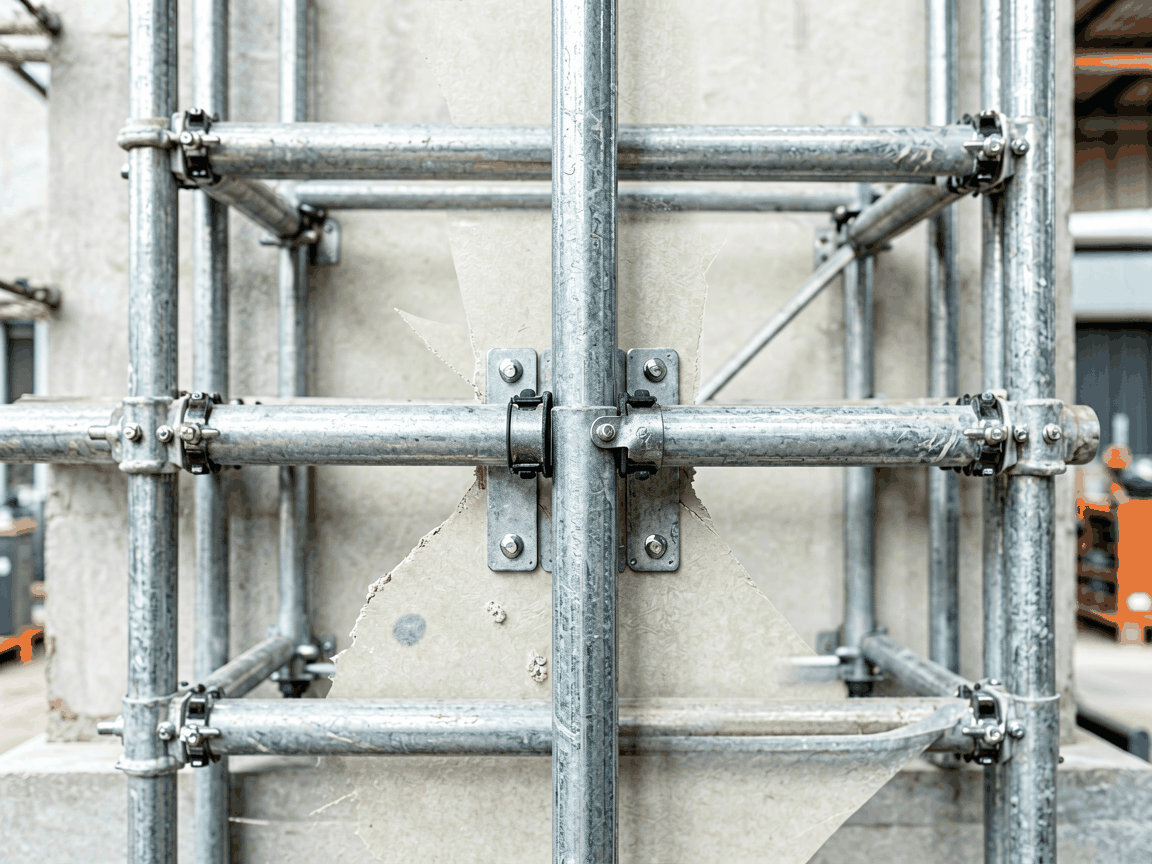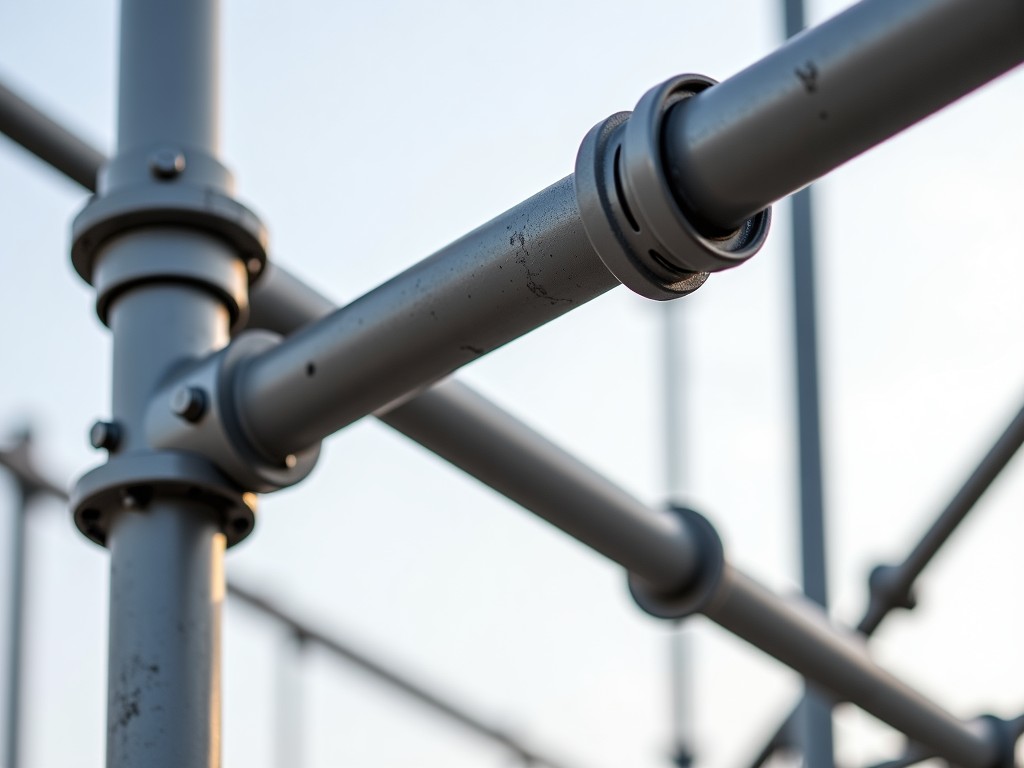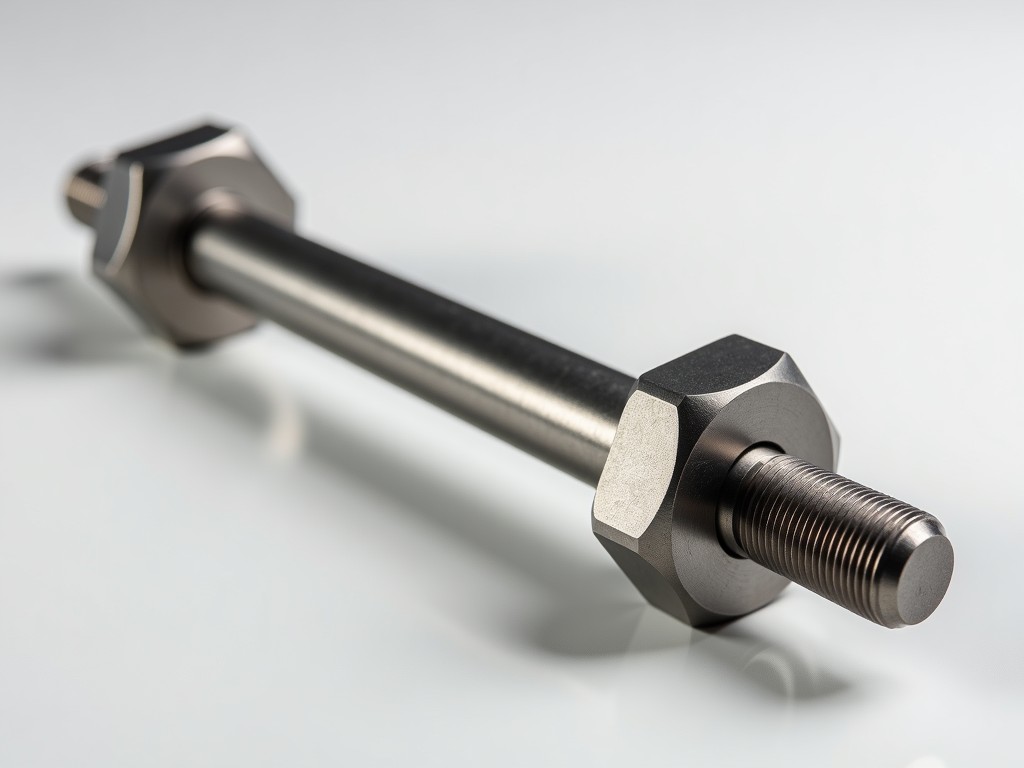
The water stop tie rod wing nut 16mm is a specialized fastening component designed for concrete formwork systems where watertight integrity is critical. It integrates a wing nut mechanism with a threaded tie rod to secure form panels while accommodating a water stop barrier — typically a rubber or PVC strip — that prevents fluid migration through construction joints. This assembly is commonly used in basement walls, water tanks, and underground structures where hydrostatic pressure demands reliable sealing at formwork interfaces.
The wing nut features two opposing lugs forged or cast into a hexagonal body, enabling manual tightening and loosening without tools — a key advantage in repetitive formwork assembly and disassembly cycles. The internal thread is precision-machined to M16 x 2.0mm pitch, matching standard tie rod specifications for compatibility with 16mm diameter steel rods. The bearing surface beneath the wing nut is flat and parallel to ensure even load distribution against the form panel or washer, minimizing point loading that could deform thin gauge steel or aluminum formwork.
The water stop element is typically positioned between the wing nut and the formwork face, compressed during tightening to create a continuous seal. Material selection for the water stop depends on project requirements: natural rubber offers elasticity and chemical resistance for general use, while PVC variants provide cost-effective performance in non-aggressive environments. The wing nut itself is manufactured from ductile iron or forged steel to withstand repeated clamping loads without thread stripping or lug fracture, with typical proof loads exceeding 25 kN for safe working loads in temporary works applications.
Wing nuts are produced via hot forging of SAE 1045 carbon steel or equivalent, followed by normalization to refine grain structure and improve machinability. Thread rolling — rather than cutting — is employed to enhance fatigue resistance by preserving grain flow along the thread flanks. Surface treatment typically includes hot-dip galvanizing to ISO 1461 standards, providing a minimum zinc coating thickness of 55 µm for corrosion resistance in wet concrete environments. Alternative finishes such as mechanical galvanizing or sherardizing are available upon request for specific project specifications.
Dimensional tolerances adhere to ISO 898-1 for mechanical properties and ISO 4759-1 for product grade C, ensuring interchangeability across suppliers. The wing span (distance between lug tips) is typically 45–50 mm to allow finger grip while maintaining compact formwork clearance. Thread engagement length is designed for a minimum of 1.5x nominal diameter (24mm for M16) to prevent thread shear under load. Each batch undergoes dimensional verification using GO/NOGO gauges and tensile testing of representative samples to confirm proof load compliance.
This component is integral to wall formwork systems where construction joints must resist water ingress under hydrostatic pressure. In basement construction, the water stop tie rod wing nut assembly seals the joint between successive pours, preventing groundwater infiltration that could compromise structural integrity or finishings. The wing nut allows rapid adjustment of tie rod tension to maintain precise panel alignment during concrete placement, while the embedded water stop accommodates minor differential movement without loss of seal.
In water-retaining structures such as reservoirs, swimming pools, and sewage treatment tanks, the assembly prevents exfiltration and contamination risks. The corrosion-resistant coating is essential here due to prolonged exposure to moisture and varying pH levels in stored liquids. For underground utility vaults and transit tunnels, the component supports modular formwork reuse — critical for cost efficiency in repetitive casting operations — while maintaining joint sealing performance over multiple cycles.
| Feature | Wing Nut Assembly | Hex Nut + Washer | Clamp Plate System |
|---|---|---|---|
| Installation Speed | High (manual, no tools) | Medium (requires wrench) | Low (bolt handling) |
| Water Stop Integration | Direct compression | Requires separate plate | Integrated but bulky |
| Reusability | High (if undamaged) | High | Medium (plate wear) |
| Load Distribution | Good (flat bearing) | Good (with washer) | Very good (wide plate) |
| Typical Use Case | Standard wall formwork | High-load applications | Panel alignment critical |
Manufacturing follows ISO 9001:2015 quality management principles, with process controls established for forging temperature, thread rolling pressure, and galvanizing bath chemistry. Each production lot is marked with a traceable code linking to raw material certificates, heat treatment records, and coating thickness measurements. Non-destructive testing such as magnetic particle inspection may be applied to critical surfaces upon customer request to detect subsurface flaws introduced during forging.
Final inspection includes dimensional verification of thread pitch, major/minor diameters, and wing nut geometry using calibrated gauges. Proof load testing is conducted on statistically significant samples per lot, typically at 1.5x the intended working load, to validate safety margins. Water stop compatibility is assessed through compression set tests and material certification to ensure long-term elastomeric performance under sustained load and environmental exposure.
While the 16mm M16 configuration is standard, wing nuts can be supplied with alternative thread sizes (M12, M20, M24) or special pitches for non-standard tie rods. Thread length and wing span dimensions are adjustable based on formwork panel thickness and clearance requirements. Coating options include duplex systems (galvanized + paint) for aggressive environments or stainless steel (A2/A4) grades for permanent installations where corrosion resistance is paramount.
Water stop materials can be specified as natural rubber, neoprene, EPDM, or PVC with varying hardness (Shore A 40–60) and dimensions to match joint width. Packaging is typically in bulk cartons of 100–200 units with corrosion-inhibiting interleaving, though custom packaging (e.g., reusable plastic containers, moisture-barrier bags) is available for export or site storage. Minimum order quantities and lead times depend on material availability and coating complexity; technical drawings or project specifications are recommended for accurate quotation.
For technical inquiries, custom specifications, or quotation requests regarding the water stop tie rod wing nut 16mm, please contact our engineering team.
Submit Inquiry