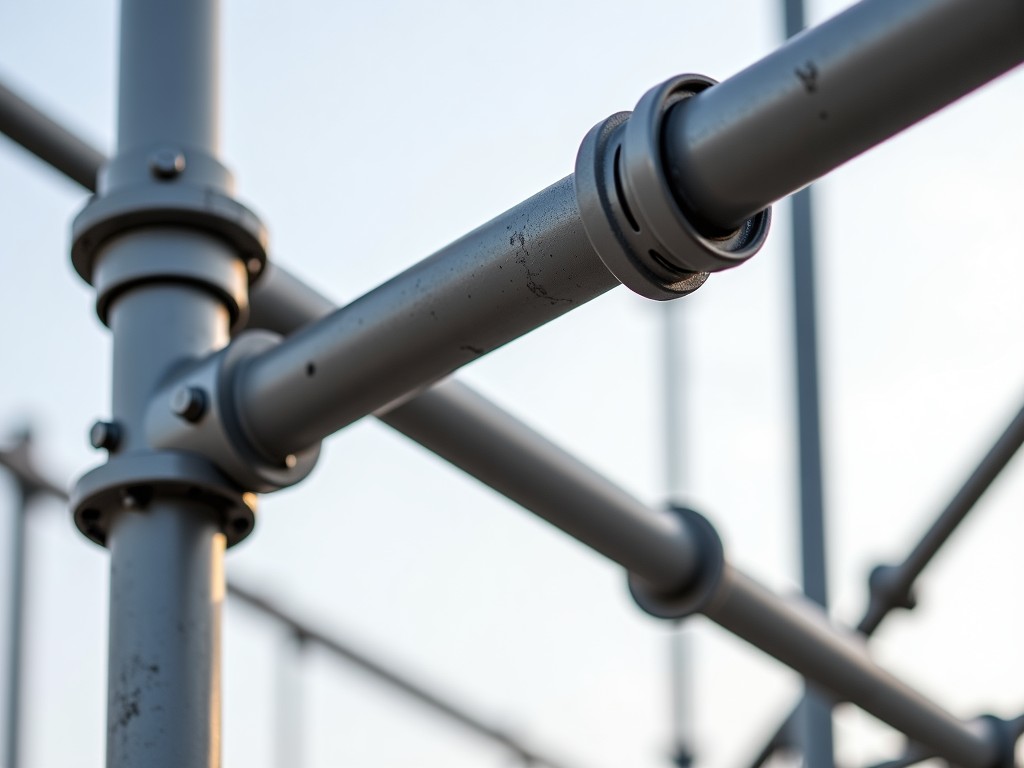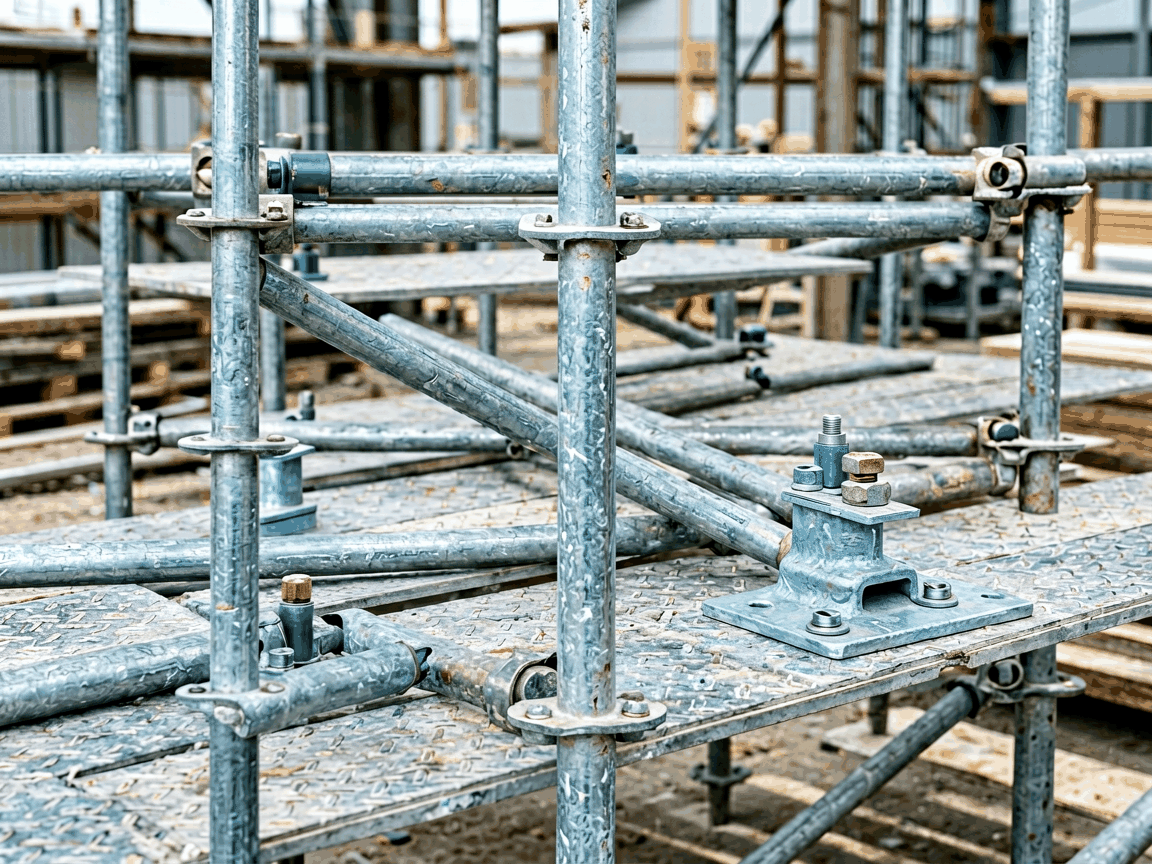
The load capacity of a top plate scaffold bracket is determined by the yield strength of the base material, the thickness and geometry of the plate, the bolt pattern size and grade, and the condition of the supporting structure. Typical working load limits (WLL) for steel brackets range from 15 kN to 35 kN per connection point when installed on Grade 50 structural steel or C25/30 concrete, assuming proper bolt torque and surface preparation. These values are derived from finite element analysis validated by physical testing under static and cyclic loading conditions. Exceeding the WLL risks plastic deformation of the plate, bolt shear failure, or crushing of the substrate—particularly critical in reused or aged concrete where surface spalling may reduce bearing area. Engineers must verify substrate compressive strength and surface flatness prior to installation, as uneven contact can induce bending moments not accounted for in nominal ratings.
Dynamic load factors must be considered in applications involving worker movement, material hoisting, or wind exposure. For temporary structures, design codes such as OSHA 1926 Subpart L or EN 12811-1 require applying impact factors of 1.5 to 2.0 to static loads when calculating required bracket capacity. Brackets with thicker plates (≥12 mm) and larger bolt diameters (M16 or M20) exhibit higher resistance to fatigue crack propagation under repeated loading. The inclusion of stiffening ribs or gussets on the underside of the plate can increase buckling resistance by up to 40% without significantly increasing weight. These design features are especially valuable in high-cycle applications like slipform climbing systems or modular formwork where connections are loaded and unloaded daily.
Carbon steel (ASTM A36 or S275JR) is the most common material for top plate scaffold brackets due to its favorable strength-to-cost ratio and weldability. However, in environments with high humidity, chloride exposure, or periodic wetting—such as coastal construction, wastewater treatment plants, or underground parking garages—unprotected steel is susceptible to corrosion, which can reduce cross-sectional area and compromise load capacity over time. Surface preparation and coating selection are therefore critical to long-term performance. Hot-dip galvanizing (HDG) per ASTM A123 provides a zinc coating thickness of 55–85 µm, offering sacrificial protection that extends service life to 5–15 years depending on environmental classification (ISO 9223 C2 to C4). For more aggressive conditions (C5-I or C5-M), epoxy primers followed by polyurethane topcoats or duplex systems (HDG + paint) are recommended to achieve durability exceeding 20 years.
Stainless steel grades (304 or 316L) are available for applications where painting or galvanizing is impractical due to hygiene requirements (e.g., food processing, pharmaceutical facilities) or where maintenance access is limited. Grade 316L, with molybdenum addition, resists pitting and crevice corrosion in chloride-rich environments, making it suitable for marine scaffolding or desalination plant construction. While stainless steel brackets cost 3–4 times more than galvanized carbon steel, they eliminate the need for recoating and reduce lifecycle costs in permanent or semi-permanent installations. Aluminum alloys (6061-T6) are rarely used for top plate brackets due to lower modulus of elasticity and bearing strength, though they may be considered in non-structural, lightweight access applications where weight reduction is paramount and loads are well below 5 kN.
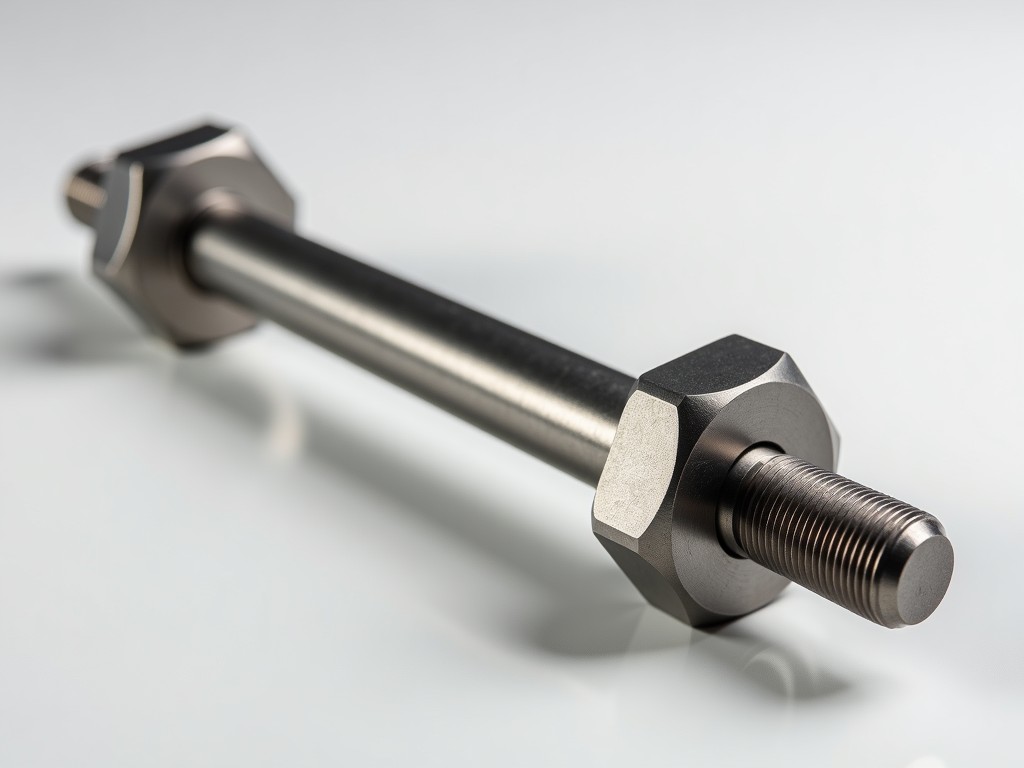
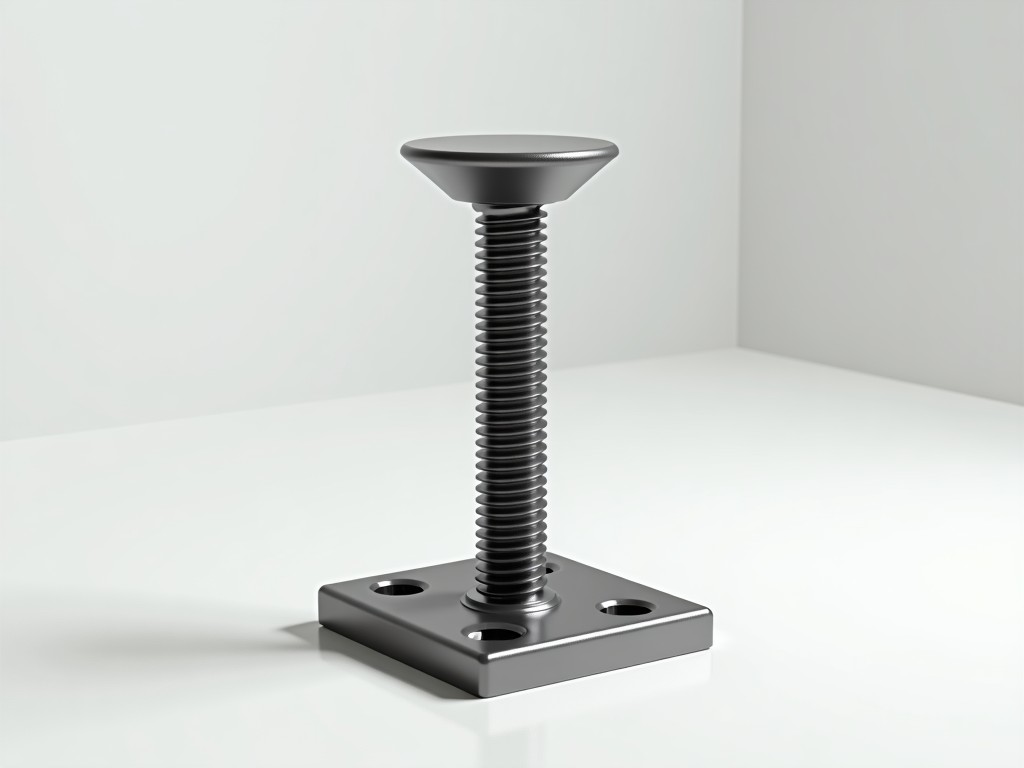
Top plate scaffold brackets are not one-size-fits-all; their geometry must align with the scaffold tube diameter, the spacing of ledger or transom connections, and the accessibility of the supporting structure. Standard models accommodate 48.3 mm OD scaffold tubes with a central bore or clamp mechanism designed to prevent rotation under load. Alternative configurations include offset plates for edge-of-slab applications where the bracket must clear formwork lips or embedments, and adjustable-height models featuring threaded spindles or telescoping sleeves to accommodate uneven soffits or cambered beams. Some designs incorporate a swivel base to allow angular adjustment (±5° to ±10°) for non-perpendicular connections, reducing the need for costly shimming or substrate modification.
Customization extends beyond geometry to include hole patterns, plate dimensions, and integrated features. Bolt hole patterns can be modified to match existing anchor bolts, embedded plates, or specific structural grids—common in retrofit projects where re-drilling is prohibited. Plate sizes typically range from 100x100 mm to 200x200 mm, with thickness scaled according to expected load and span. Additional features such as built-in leveling vials, anti-lift pins to prevent accidental disengagement, or scaffold tube retaining clips enhance safety and installation speed. For OEM clients or large-scale contractors, brackets can be supplied with pre-drilled holes for secondary bracing or laser-etched identification codes for traceability in quality management systems. All custom options are subject to engineering review to ensure load path integrity is maintained.
Proper installation begins with verifying the supporting surface is clean, level, and free of debris, laitance, or loose aggregate that could prevent full plate contact. For concrete substrates, a minimum compressive strength of 20 MPa is recommended at the time of installation, with core testing advised for existing structures. Steel surfaces must be free of mill scale, paint, or oil; if coating is present, it should be removed in the contact area unless a compatible coating system is confirmed. The bracket should be positioned so that the scaffold tube axis is perpendicular to the plate unless a swivel base is used, and all bolts must be tightened to the specified torque value (typically 80–120 Nm for M16 Grade 8.8 bolts) using a calibrated wrench to ensure consistent preload and prevent slip or overload.
Shimming may be required to compensate for minor surface irregularities, but shims should be made of durable material (e.g., stainless steel or high-density polymer) and limited to a maximum thickness of 3 mm per location to avoid inducing bending. Excessive shimming indicates substrate preparation issues and should be addressed by grinding or grouting. After installation, a visual inspection should confirm full plate contact, absence of gaps, and proper bolt engagement. Retorque checks are recommended after the first 24 hours of load application and periodically thereafter in vibratory environments. Documentation of installation torque, substrate condition, and inspector sign-off supports compliance with temporary works design codes and facilitates audit readiness.
Manufacturing consistency directly affects the reliability of top plate scaffold brackets in safety-critical applications. Material traceability begins with mill test certificates (MTCs) for raw steel, verifying chemical composition and mechanical properties against EN 10025-2 or ASTM A36/A572 standards. Dimensional accuracy is critical—plate thickness, hole diameter, and positional tolerances must be controlled to ensure proper bolt fit and load distribution. CNC drilling or punching is preferred over manual methods to maintain positional accuracy within ±0.5 mm and hole diameter tolerance within ±0.2 mm. Post-processing steps such as deburring and edge rounding prevent stress concentrations and facilitate safe handling. Welded components, if present (e.g., stiffeners or tube sockets), must be performed by certified welders following ISO 9606-1 procedures, with visual and dye penetrant inspection conducted on 100% of welds to detect cracks, porosity, or lack of fusion.
Surface treatment quality is equally important. For galvanized brackets, coating thickness is verified using magnetic or electronic gauges at minimum five points per plate, with adherence to ASTM A123 minimums. Paint systems require dry film thickness (DFT) measurements and holiday testing to ensure continuity. Final assembly includes functional verification: scaffold tube insertion/removal torque, clamp retention force, and plate flatness checks. Statistical process control (SPC) is applied to key dimensions, and batch testing may include destructive pull-out tests on representative samples to validate WLL claims. Documentation—including material certifications, inspection records, and test reports—is retained for a minimum of three years to support liability tracing and regulatory audits. These practices ensure that each bracket performs as designed, reducing the risk of field failure due to manufacturing variability.
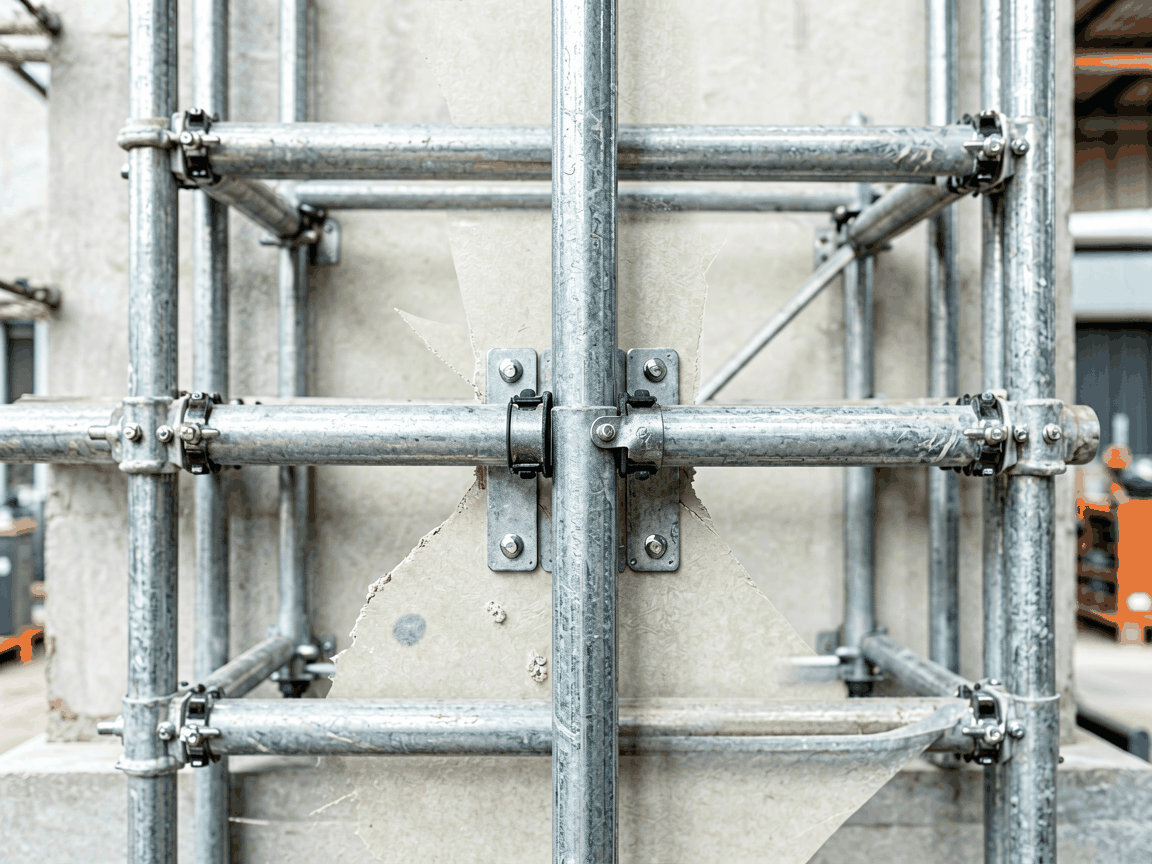
Top plate scaffold brackets are widely used in shoring systems for suspended slabs, where they transfer vertical loads from scaffold legs to soffits or beams without imposing lateral forces on the formwork. In high-rise construction, they support climbing formwork systems that jump vertically as each floor is cast, requiring reliable, repeatable connections that can withstand hundreds of load cycles. In bridge construction, they support falsework decks over waterways or traffic lanes, where installation must be rapid and inspections frequent due to public safety concerns. The vertical load path minimizes interference with soffit penetrations, conduits, or embedded items, making them ideal for retrofit projects where access is limited and structural modifications are discouraged.
Beyond temporary works, these brackets find use in permanent access solutions such as maintenance walkways beneath stadium roofs, crane rail service platforms in manufacturing facilities, or inspection galleries in power generation units. In these cases, the bracket becomes part of a semi-permanent structure where corrosion resistance and inspection accessibility are prioritized. For example, in petrochemical plants, brackets made of 316L stainless steel support access scaffolding for heat exchanger bundles, where periodic cleaning and visual inspection are required under API 570 or ASME PCC-2 guidelines. The ability to install without hot work or drilling into pressurized piping makes them valuable in turnaround scenarios where safety permits are restrictive. Their simplicity and reliability reduce dependency on complex engineering solutions for routine access needs.
For technical specifications, customization requests, or project-specific load calculations, contact our engineering team to discuss your scaffold connection requirements.
Request Technical Consultation