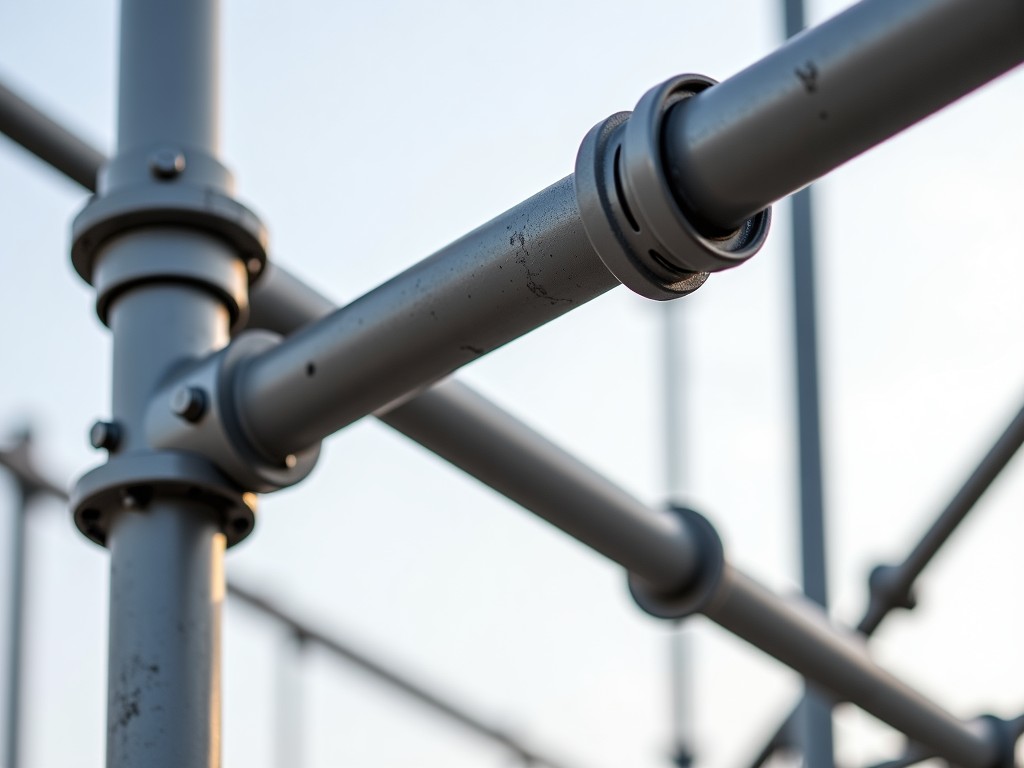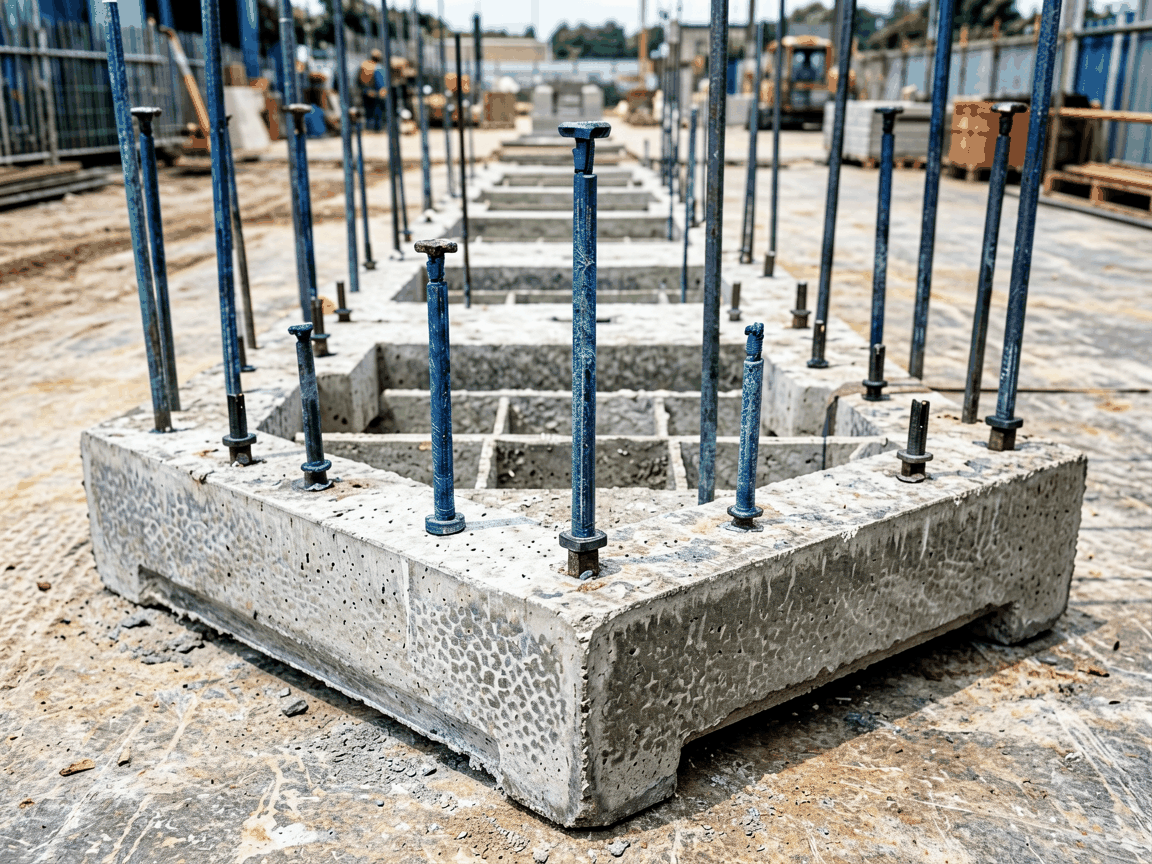
Tie rods are critical tension members in concrete formwork systems, designed to resist lateral pressure from fresh concrete and maintain panel alignment during pouring and curing. Their primary function is to transfer formwork loads to walers or strongbacks, preventing bulging, misalignment, or failure of the formwork assembly. Proper selection ensures dimensional accuracy of the final concrete structure and reduces the risk of costly rework or safety incidents.
The load-bearing capacity of a tie rod depends on its diameter, material grade, thread type, and end fittings. Standard sizes range from 15 mm to 36 mm nominal diameter, with corresponding safe working loads typically between 10 kN and 150 kN, depending on grade and configuration. Higher capacity is achieved through cold-worked steel alloys such as Grade 8.8 or 10.9, which provide tensile strengths of 800 MPa or 1000 MPa respectively, combined with precise thread rolling to avoid stress concentrations.
Thread engagement length is a critical design factor—minimum engagement should equal or exceed the nominal diameter to prevent thread stripping under load. For example, a 20 mm tie rod requires at least 20 mm of threaded engagement in nuts or couplers. Engineers must also account for dynamic effects during concrete pour, including impact and vibration, which may necessitate a 20–30% derating of static capacity in high-rise or high-flow applications.
Carbon steel is the most common material due to its strength-to-cost ratio, but it requires protection against corrosion from alkaline concrete and moisture. Standard tie rods are often coated with hot-dip galvanizing (minimum 55 µm zinc thickness) or electroplating to extend service life in reusable systems. In environments with high chloride exposure or prolonged wet storage, stainless steel grades like 304 or 316 are available, offering inherent corrosion resistance without coating degradation.
Material choice affects not only durability but also handling and reinstallation. Galvanized rods maintain dimensional stability over multiple uses, while stainless steel eliminates staining risks on exposed concrete surfaces. For projects requiring frequent reuse—such as in precast yards or high-rise construction—material longevity directly impacts lifecycle cost. Engineers should evaluate expected reuse cycles, storage conditions, and cleaning methods when specifying material and finish.
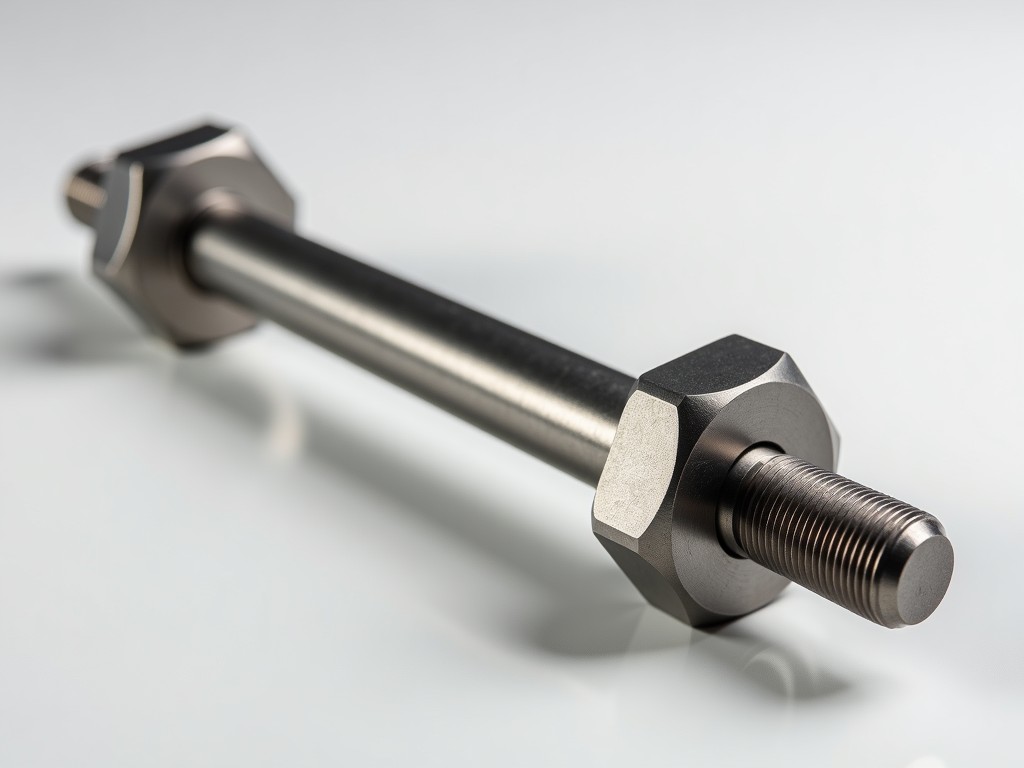
Tie rods are typically used with matching nuts, washers, and coupler systems designed to distribute load and prevent pull-through. Common end configurations include forged eye nuts, hexagonal nuts with washers, and threaded coupler sleeves for extending length. The eye nut design allows for quick attachment to formwork waler brackets, while washers—usually 3–5 mm thick and sized to match the rod diameter—spread compressive load over a larger area of the formwork plywood or steel facing.
Compatibility with existing formwork hardware is essential. Systems vary by manufacturer, with differences in thread pitch (e.g., coarse vs. fine), nut geometry, and washer dimensions. Using mismatched components can lead to uneven load distribution, thread damage, or nut rotation under vibration. It is recommended to source tie rods and accessories from the same supplier or verify dimensional tolerances against the formwork system’s technical specifications before procurement.
Standard tie rod lengths range from 0.5 m to 6.0 m in 0.25 m increments, but custom lengths are available to match specific wall heights or formwork grid layouts. Cutting to length is performed with precision sawing to maintain thread integrity, followed by deburring and recleaning. For applications requiring adjustable tension—such as in tapered walls or variable-thickness pours—turnbuckle assemblies or threaded inserts can be integrated into the design.
Additional customization includes specialized coatings (e.g., epoxy for chemical resistance), insulated ends for thermal break applications, or pre-assembled kits with nuts and washers bundled per rod. Length tolerances are typically held to ±2 mm for cut-to-length rods, while threaded sections maintain ISO metric tolerances (6g for external threads). These options allow contractors to reduce on-site modification time and improve installation consistency across large pours.
Dimensional inspection includes verification of diameter, thread pitch, length, and straightness—typically checked using go/no-go gauges, optical comparators, or coordinate measuring machines (CMMs). Straightness is critical; deviations exceeding 0.5 mm per meter can cause misalignment in formwork panels under load. Surface inspection ensures coating uniformity and absence of cracks, laps, or seams that could initiate corrosion or fatigue.
Mechanical testing may include tensile strength verification on sample lots, particularly for high-capacity or safety-critical applications. Hardness testing confirms proper heat treatment in alloy grades. For reusable systems, magnetic particle or dye penetrant inspection is used to detect surface cracks after multiple cycles. Documentation such as material test certificates (MTCs) and inspection reports are available upon request for project audits or quality assurance requirements.
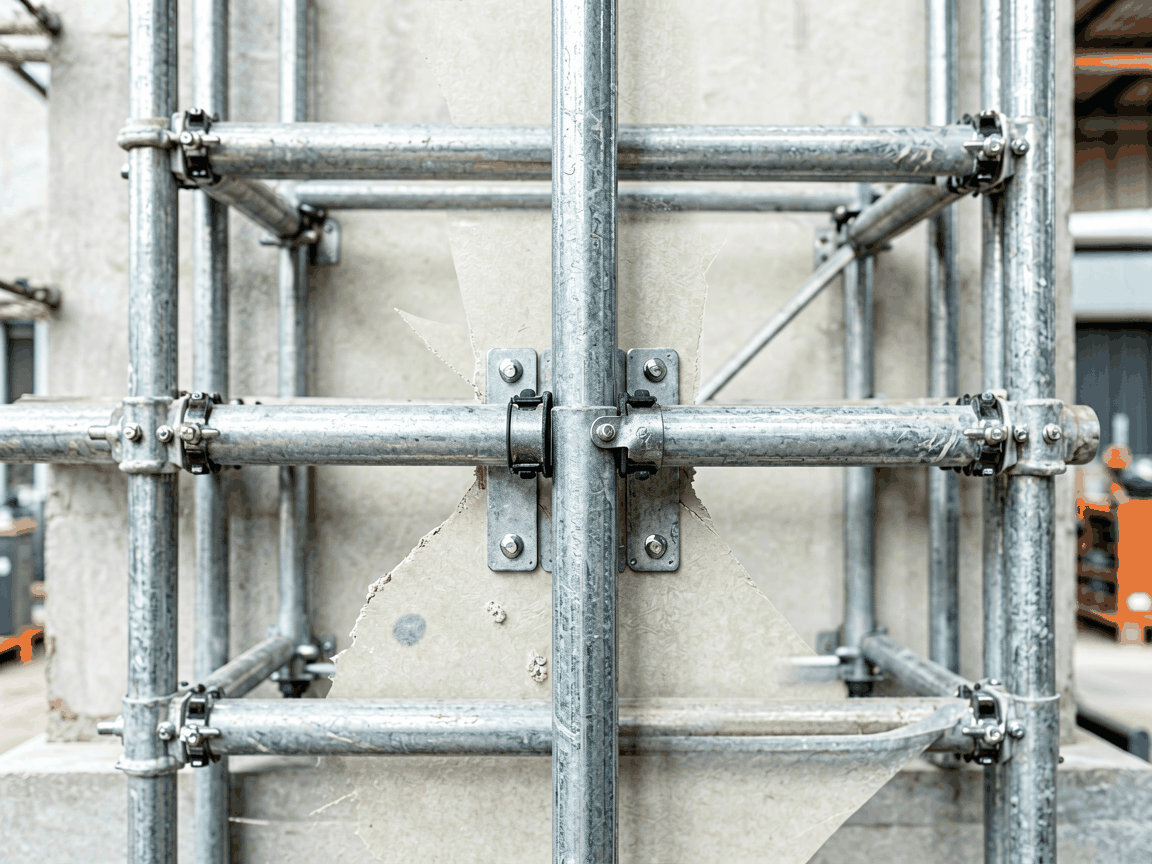
Tie rods are used in virtually all formwork systems requiring resistance to lateral concrete pressure, including walls, columns, beams, and shear walls. In high-rise construction, they enable the use of large-panel systems by transferring loads to core walls or external braces. In basement or retaining wall pours, they counteract hydrostatic and soil pressures during curing. Their role is especially critical in slipforming and climbing formwork, where continuous tension must be maintained as the system ascends.
In architectural concrete projects, where surface finish is paramount, tie rods help prevent bulging that could mar the final appearance. For water-retaining structures like tanks or reservoirs, their reliability ensures watertightness by maintaining precise joint alignment. Even in modular or precast production, tie rods are used in casting beds and side forms to resist internal pressures during vibration and curing. The universality of their function makes them a foundational component across cast-in-place concrete construction.
For technical specifications, customization requests, or quotation support, contact our engineering team to discuss your project’s formwork requirements, load conditions, and reuse expectations.
Request Technical Consultation