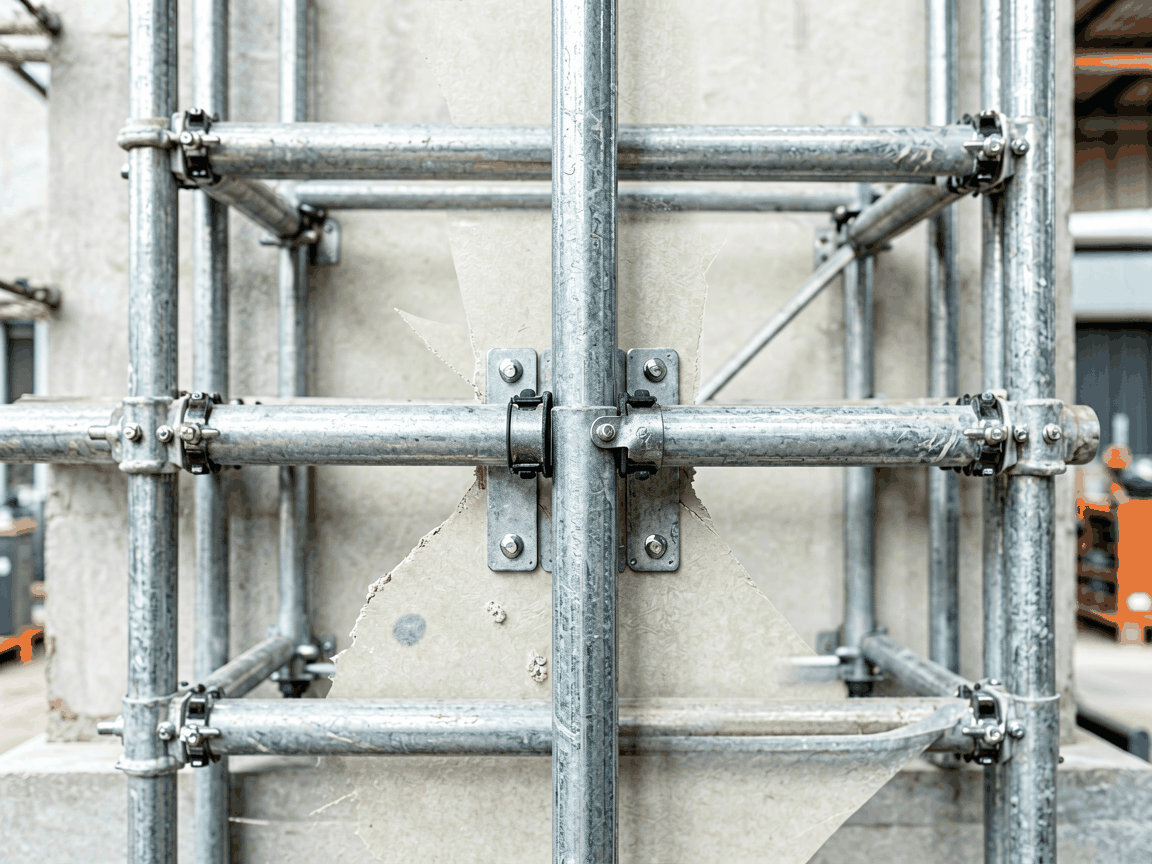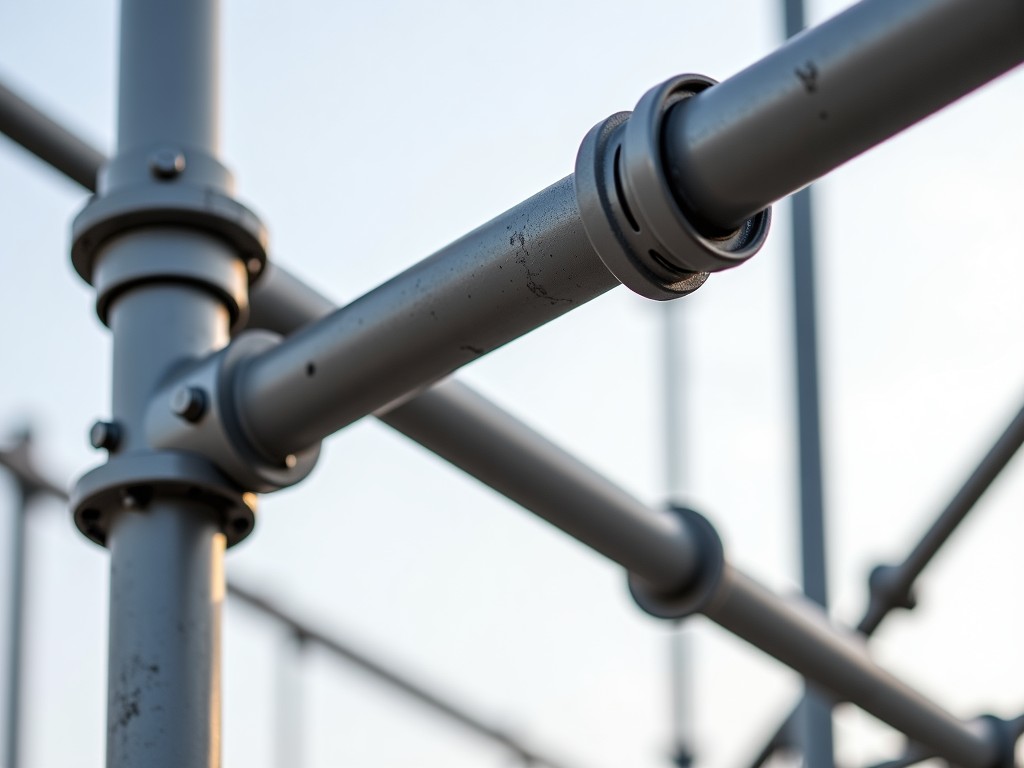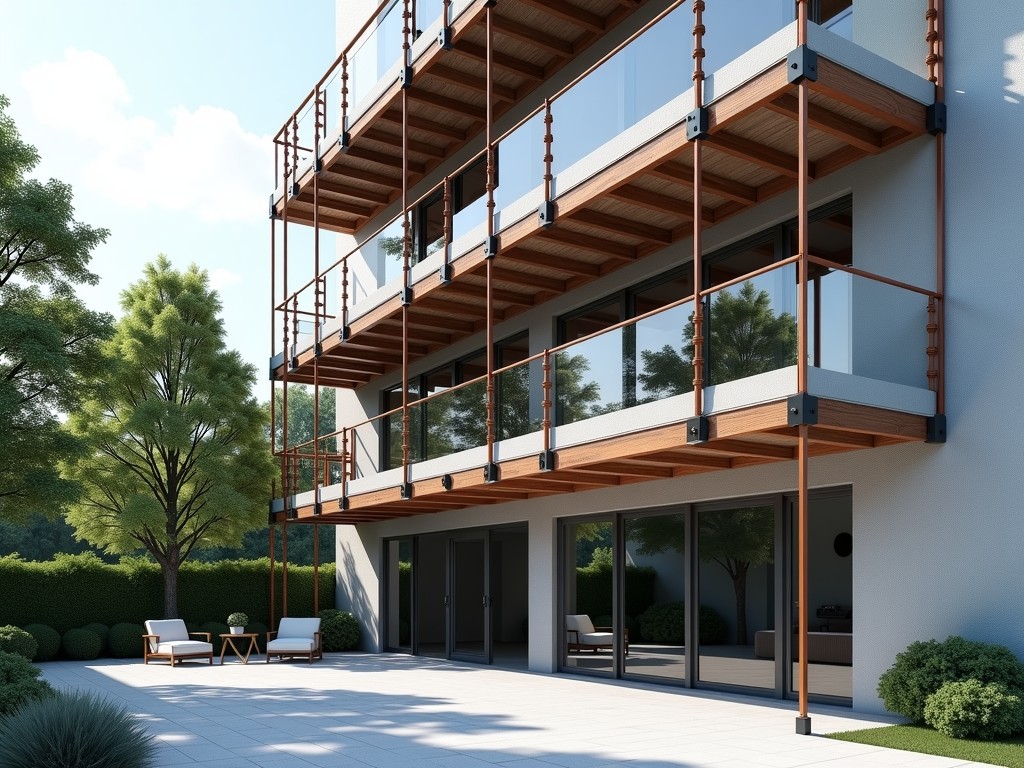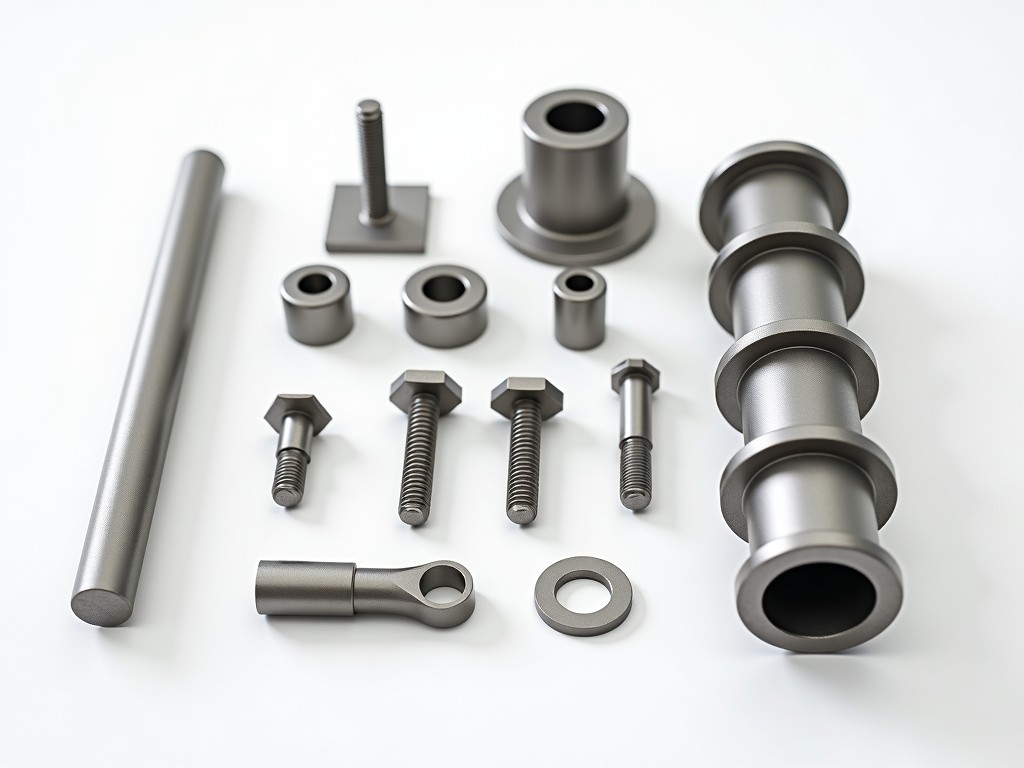
System scaffolding refers to modular, engineered frameworks designed for temporary access and support in construction, industrial maintenance, and shipbuilding. Unlike traditional tube-and-clamp scaffolding, system scaffolding uses prefabricated components with standardized connections—such as rosettes, pin locks, or wedge heads—that enable rapid assembly, precise alignment, and high load capacity. Each part is engineered to interlock securely, reducing on-site variability and enhancing safety through repeatable geometry. The modularity allows configurations to adapt to complex façades, curved surfaces, or elevated work platforms while maintaining structural integrity under dynamic loads.
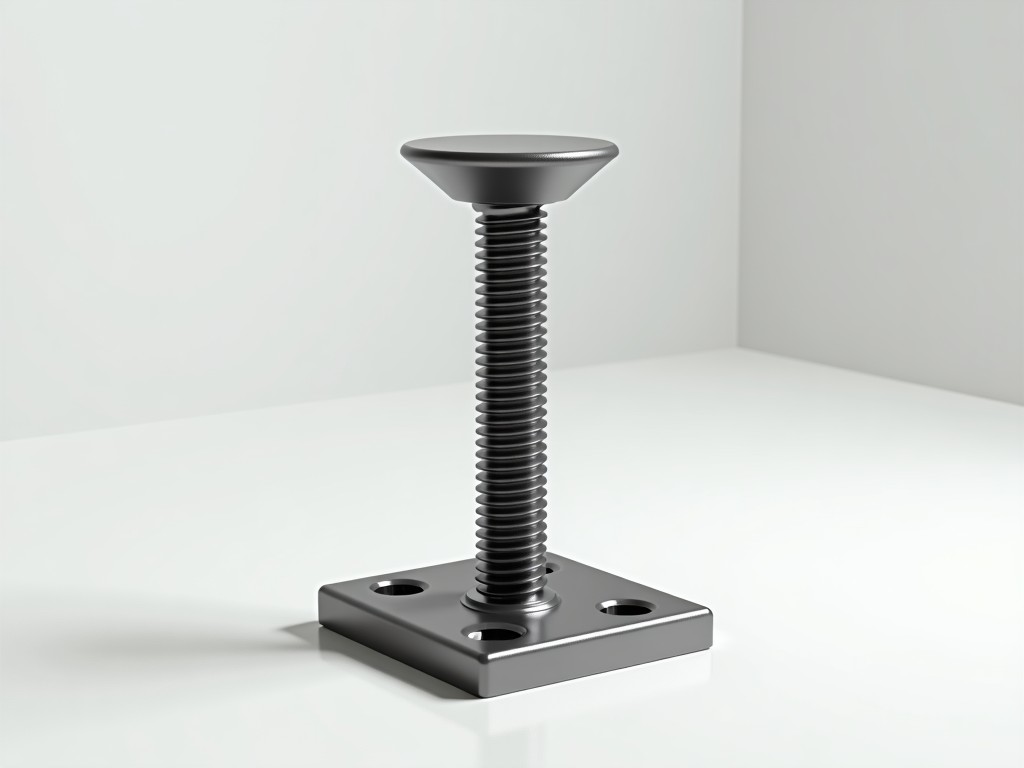
The primary elements of system scaffolding include vertical standards, horizontal ledgers, diagonal braces, base jacks, and platform accessories. Vertical standards transfer loads from the working platform to the foundation and feature connection points at 50 mm intervals for precise horizontal alignment. Ledgers connect between standards to form the horizontal framework and support decking or guardrails. Diagonal braces—typically installed in a zigzag pattern—resist lateral forces from wind, seismic activity, or eccentric loading. Base jacks provide vertical adjustment to compensate for uneven ground, ensuring the scaffold remains plumb and level. Together, these components create a rigid, load-bearing lattice capable of supporting design loads up to 6 kN per bay, depending on configuration and material grade.
Scaffolding components are predominantly manufactured from structural steel grades such as S355JR or equivalent, selected for their yield strength (typically 355 MPa) and tensile strength (490–630 MPa). Hot-dip galvanization per ISO 1461 provides a zinc coating of 55–85 µm, offering corrosion resistance suitable for outdoor exposure over multiple construction cycles. Alternative materials include aluminum alloys (e.g., EN AW-6082) for lightweight applications where manual handling is critical, though their lower modulus of elasticity requires larger cross-sections to match steel stiffness. Material choice directly affects dead load, transportation cost, and ease of erection—steel remains dominant for high-rise and heavy-duty applications due to its strength-to-bulk ratio.
The defining feature of system scaffolding lies in its connection mechanism, which dictates assembly speed, joint rigidity, and error tolerance. Rosette locks—common in ring-lock systems—use a forged steel rosette welded to the standard, allowing up to eight connections via wedge-headed ledgers and braces driven by hammer. Pin-lock systems employ a vertical pin on the standard that aligns with holes in the ledger end, secured by a spring clip. Wedge-lock variants use a tapered wedge driven into a housing to clamp components together. These connections eliminate loose bolts or clamps, reducing assembly time by 30–50% compared to traditional methods and minimizing the risk of missing or incorrect fasteners. Joint stiffness typically exceeds 50 kNm/rad, ensuring minimal deformation under service loads.
System scaffolding is designed as a three-dimensional frame where loads are transferred through axial forces in standards and shear in ledgers and braces. Vertical loads from workers, equipment, and decking are carried primarily in compression by the standards, with buckling resistance enhanced by close horizontal and diagonal bracing (typically spaced at 1.5–2.0 m intervals). Horizontal loads—such as those from wind or impact—are resisted by the bracing system acting as a vertical truss. The stiffness of connections plays a critical role: rigid joints distribute load more evenly across the frame, while pinned connections may concentrate stress. Finite element analysis is commonly used to validate configurations against EN 12810 and EN 12811 standards, particularly for irregular geometries or cantilevered extensions.
While system scaffolding offers efficiency gains, interchangeability between brands is limited due to proprietary connection geometries. A ledger from one manufacturer’s rosette-lock system will not physically engage with another’s standard, even if both use similar tube diameters (commonly 48.3 mm OD). This lack of standardization means that project owners must commit to a single system for the duration of a project to avoid compatibility issues on-site. Some manufacturers offer adapter couplers to bridge between systems, but these introduce additional joints and potential weak points. For long-term fleet management, selecting a system with widespread regional availability of spare parts and technical support reduces downtime and procurement complexity.
Dimensional accuracy is critical in system scaffolding due to the reliance on precise mating surfaces. Connection components—such as rosettes, wedges, and pins—are typically forged or machined to tolerances of ±0.5 mm to ensure consistent fit and locking force. Tube straightness is controlled to less than 0.5% deviation over length, and wall thickness uniformity is maintained within ±0.3 mm to prevent weak spots. Welds connecting rosettes or brackets to tubes undergo 100% visual inspection and periodic non-destructive testing (e.g., magnetic particle inspection) to detect cracks or lack of fusion. Galvan coating thickness is verified via magnetic induction, with adhesion tested per ISO 2409. These controls ensure that components perform predictably under repeated assembly and disassembly cycles.
System scaffolding is widely adopted in high-rise construction where rapid erection and reconfiguration are essential for meeting tight schedules. In industrial settings—such as petrochemical plants or power stations—it provides stable access for boiler inspection, pipe replacement, and facade cleaning, often requiring configurations that accommodate uneven ground or existing equipment. Shipyards use system scaffolding for hull surface preparation and painting, benefiting from its corrosion-resistant finish and ability to conform to curved surfaces. The modular nature also supports temporary grandstands, concert stages, and evacuation towers, where load patterns vary and quick dismantling is required after use.
While standard components cover most common scenarios, project-specific challenges often require tailored solutions. Adjustable base jacks with extended travel (up to 600 mm) are available for steep slopes or deep foundations. Cantilever brackets enable scaffolding to project beyond the building edge without ground support, designed using moment-resisting connections to resist overturning. Custom-length ledgers and braces can be manufactured to avoid splicing in long spans, reducing joint density and improving aesthetics. Manufacturers typically provide engineering support—including load tables, assembly guides, and BIM models—to validate configurations against local regulations. Custom finishes, such as powder coating in specific colors, are available upon request for architectural or branding requirements.
| Component | Typical Material | Connection Type | Adjustment Range | Primary Function |
|---|---|---|---|---|
| Vertical Standard | S355JR Steel | Rosette / Pin / Wedge | None (fixed increments) | Vertical load transfer |
| Horizontal Ledger | S355JR Steel | Wedge / Pin End | None (fixed length) | Horizontal bracing & deck support |
| Diagonal Brace | S355JR Steel | Wedge / Pin End | None (fixed length) | Lateral load resistance |
| Base Jack | S355JR Steel + Nut | Threaded Adjustment | 0–300 mm (standard) | Height leveling & load distribution |
| Deck Bracket | S355JR Steel | Wedge / Hook | None | Support for wood/steel planks |
Regular inspection extends service life and ensures ongoing safety. Components should be checked for straightness, tube deformation, weld integrity, and coating damage before each use. Bent standards or ledgers exceeding 1° deviation per meter should be withdrawn from service, as they compromise connection alignment and load distribution. Wedge heads and pins must move freely without binding; corrosion or debris in the locking mechanism can reduce clamping force by over 40%. Galvanized surfaces with white rust or pitting should be assessed—loss of coating thickness below 40 µm warrants re-coating or retirement. Maintaining a clean, dry storage environment with protective wrapping reduces environmental degradation between projects.
For procurement engineers and project planners, understanding the technical interdependence of system scaffolding components enables informed decisions that reduce risk, avoid delays, and optimize lifecycle cost. Prioritizing dimensional compatibility, material traceability, and connection reliability over short-term price considerations leads to safer, more efficient worksites. The true value of system scaffolding lies not in individual parts, but in their predictable, repeatable performance when assembled as a certified system.