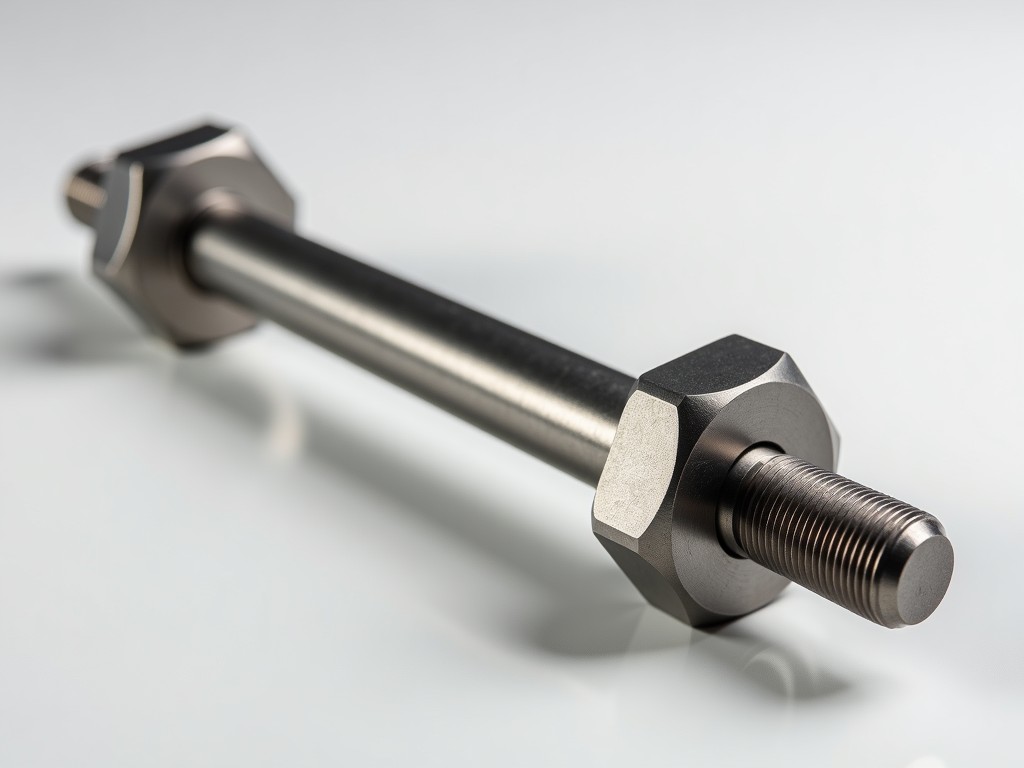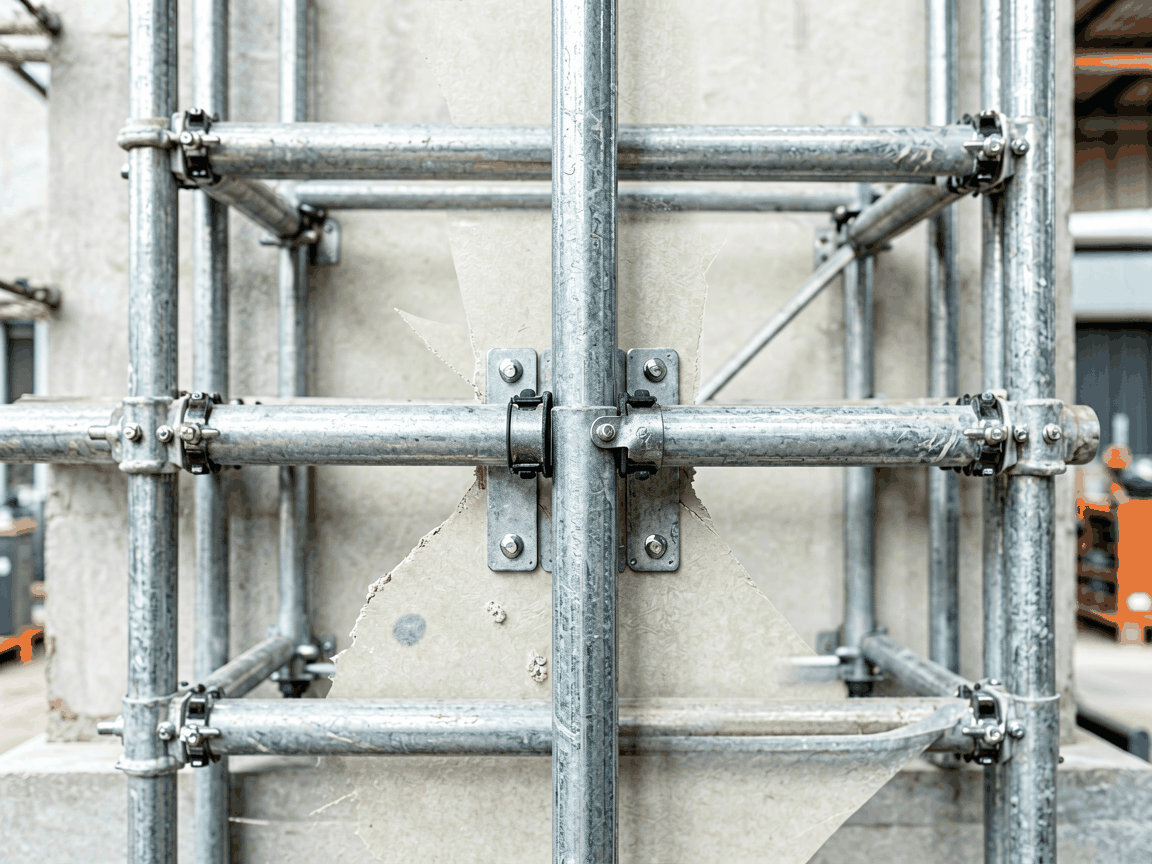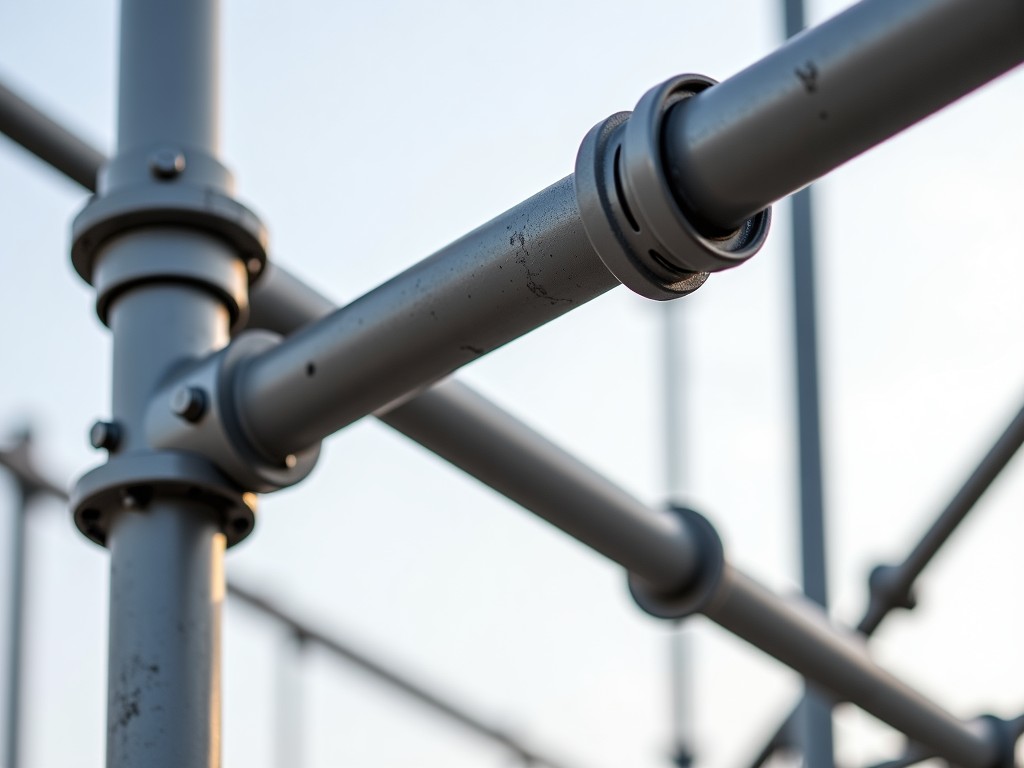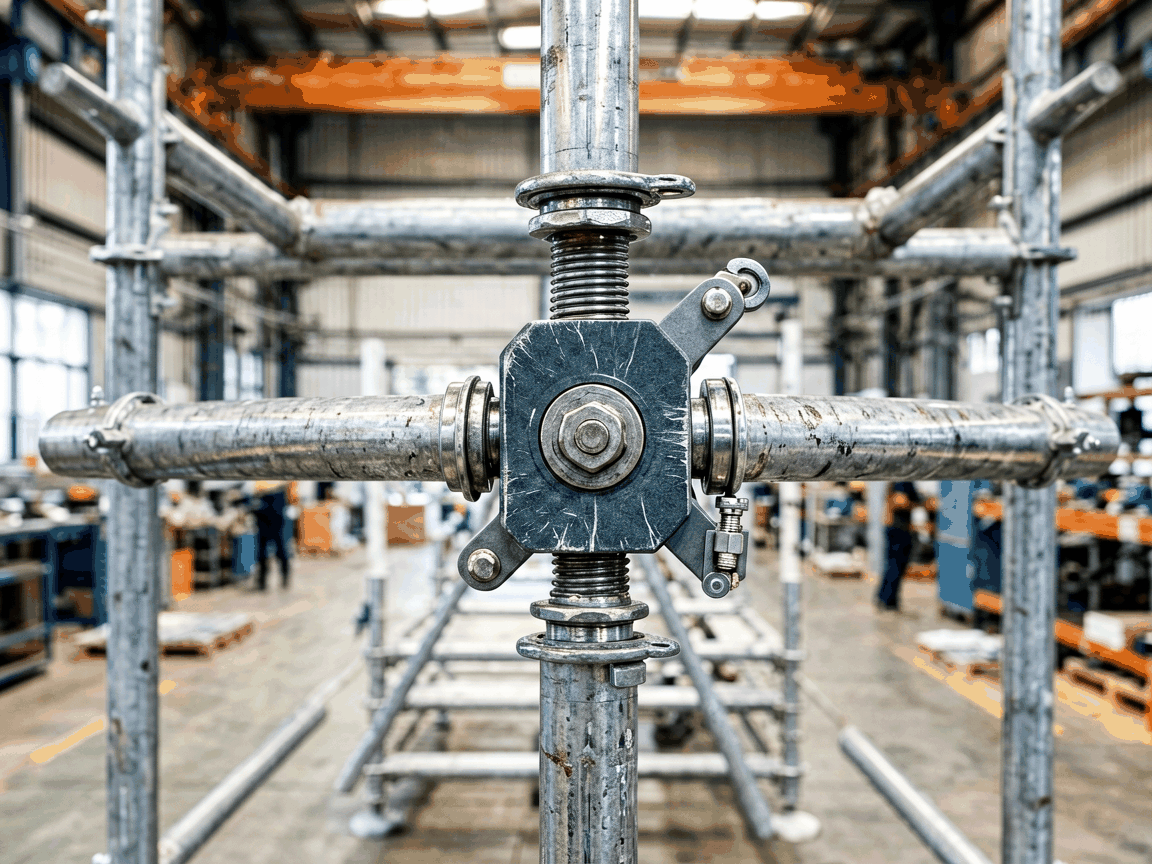
Swivel scaffold clamp clips are precision-engineered connection components designed to join tubular scaffold members at variable angles while maintaining structural integrity under load. Unlike fixed-angle clamps, these devices incorporate a rotational mechanism that allows adjustment between 0° and 360°, enabling complex scaffolding geometries required for irregular structures, curved façades, or confined industrial spaces. The swivel function eliminates the need for custom-fabricated brackets or field modifications, reducing installation time and minimizing alignment errors during erection.
Manufactured from hot-dip galvanized steel or stainless steel grades, these clips are built to withstand cyclic loading, environmental exposure, and repeated assembly/disassembly cycles common in construction, maintenance, and industrial turnaround projects. The clamping mechanism typically uses high-strength bolts or wedge-lock systems to secure the scaffold tubes, ensuring zero slippage under design loads as specified in EN 74 or ANSI/ASSE A10.8 standards. Proper selection depends on tube diameter, wall thickness, and anticipated load conditions—factors that directly influence safety factors and service life.
Industrial buyers prioritize traceability, material certification, and consistent dimensional tolerances when sourcing these components. Variations in bore size, pivot pin hardness, or clamp plate thickness can compromise joint stiffness or lead to premature fatigue failure. Reputable factories provide material test certificates, batch traceability, and third-party validation reports to support compliance with project-specific quality requirements. This documentation reduces procurement risk and facilitates audit readiness for regulated industries such as oil & gas, power generation, or shipbuilding.
The performance of swivel scaffold clamp clips is governed by three interdependent factors: clamping force, rotational resistance, and fatigue endurance. Clamping force must exceed the maximum anticipated shear and tensile loads at the joint to prevent tube slip, which is achieved through optimized bolt preload and friction surface treatment. Rotational resistance is calibrated to allow smooth adjustment during installation while maintaining position under load—typically achieved via nylon inserts, serrated surfaces, or spring-loaded detents that resist vibration-induced drift.
Fatigue endurance is critical in applications involving cyclic loading, such as suspended access platforms or equipment support scaffolds subjected to wind or machinery vibration. The pivot point experiences repeated stress concentrations, making material selection and heat treatment vital. Commonly used materials include S355JR hot-rolled steel for economical applications and AISI 304/316 stainless steel for corrosive environments. Surface treatments like hot-dip galvanizing (minimum 55 µm zinc coating) or passivation enhance corrosion resistance without interfering with mechanical function.
Dimensional tolerances directly affect assembly efficiency and safety. Tube bore diameters are typically held to ±0.5 mm to ensure snug fit without requiring excessive bolt torque, which could deform thin-walled scaffold tubes. Pivot pin diameters are controlled to ±0.1 mm to minimize play while allowing smooth rotation. Factories supplying to stringent specifications often use CNC machining for critical features and statistical process control (SPC) to monitor dimensional stability across production batches.
| Material Grade | Typical Use Case | Surface Treatment | Corrosion Resistance (Estimated) |
|---|---|---|---|
| S235JR | Temporary indoor scaffolding | Hot-dip galvanized (55 µm) | 2–5 years in rural environments |
| S355JR | General construction & industrial maintenance | Hot-dip galvanized (55–85 µm) | 5–10 years in urban/industrial zones |
| AISI 304 | Food processing, pharmaceutical, washdown areas | Passivated | Excellent resistance to mild chlorides & alkalis |
| AISI 316 | Marine, coastal, chemical processing facilities | Passivated | Superior resistance to chlorides & acidic environments |
Material selection is not merely a cost decision—it directly impacts inspection frequency, maintenance planning, and lifecycle cost. For example, while AISI 316 carries a higher initial cost, its use in chloride-rich environments can eliminate the need for frequent recoating or replacement, reducing total ownership cost over a 5–10 year project horizon. Factories often provide material substitution guidance based on environmental data sheets (e.g., ISO 9223 corrosivity categories) to help buyers optimize specification without over-engineering.
Load ratings for swivel scaffold clamp clips are determined through static testing and finite element analysis (FEA) simulating real-world load combinations: axial compression, transverse shear, and bending moments. Typical safe working loads (SWL) range from 2.2 kN to 5.0 kN per clip, depending on tube diameter (48.3 mm vs. 60.3 mm), material grade, and bolt strength (e.g., grade 8.8 vs. 10.9). These values assume symmetric loading and proper tube insertion depth—eccentric loading or incomplete tube engagement can reduce capacity by 30–50%.
Designers must account for the clip’s own weight and pivot friction when calculating stability in suspended or cantilever configurations. The swivel mechanism introduces a small but measurable moment arm that can amplify torsional effects under off-axis loads. Factory-provided load tables typically include derating factors for dynamic loading, temperature extremes, or prolonged vibration exposure—critical for applications like turbine maintenance scaffolds or refinery turnaround platforms where equipment operation induces cyclic stresses.
Quality control focuses on verifying critical dimensions, material hardness at the clamp and pivot points, and bolt torque consistency. Factories serving regulated industries often perform 100% dimensional inspection on bore and pivot features, coupled with batch-based tensile and hardness testing. Traceability is maintained via laser etching or barcode tags linking each batch to mill certificates, heat treatment records, and inspection reports—enabling rapid root-cause analysis if field performance deviates from expectations.
Swivel scaffold clamp clips enable safe access to complex geometries where fixed-angle couplers would require costly custom fabrication or unsafe field modifications. In power generation facilities, they are used to build scaffolds around boiler drums, turbine casings, and condenser tubes—equipment with compound curves that change direction in multiple planes. The ability to adjust angles incrementally allows erectors to follow contour lines precisely, reducing gaps between scaffold boards and minimizing fall hazards.
In petrochemical plants and refineries, these clips support maintenance platforms around spherical tanks, heat exchanger bundles, and pipe racks with irregular nozzle orientations. During turnaround projects, time saved per joint adjustment accumulates significantly—often reducing erection time by 15–25% compared to using fixed-angle clamps with shims or wedges. The reusability of swivel clips across multiple outages further improves cost efficiency, especially when paired with proper storage and inspection protocols.
Shipyards and offshore fabrication yards rely on these components for constructing access structures around hull sections, propulsion units, and piping systems with complex 3D routing. The corrosion-resistant grades (particularly AISI 316) withstand salt spray and humidity during extended outdoor use. Factories supplying to marine clients often provide additional documentation such as DNV-GL or ABS type approval summaries upon request, confirming suitability for offshore and marine environments.
While standard configurations cover 48.3 mm and 60.3 mm tube diameters with common swivel ranges, factories routinely accommodate project-specific requirements through engineering consultation. Customizations may include non-standard tube sizes (e.g., 42.4 mm, 76.1 mm), modified pivot friction for high-vibration environments, extended tube length accommodation via longer clamp plates, or specialized bolt heads for confined-space installation (e.g., hex socket vs. square drive).
To initiate a quotation, buyers should provide: tube outer diameter and wall thickness, required load conditions (static/dynamic), environmental exposure (indoor/outdoor, chemical exposure, salinity), quantity, and delivery timeline. Factories use this data to recommend appropriate material grade, surface treatment, and bolt specifications. Lead times typically range from 2–4 weeks for standard items and 4–8 weeks for engineered solutions, depending on material availability and complexity.
Packaging options include bulk-packed cartons for high-volume orders or individual protective sleeves for corrosion-sensitive grades. Export shipments are typically sealed in moisture-barrier bags with desiccant and secured in fumigated wooden pallets or steel frames to meet ISPM 15 requirements. Documentation packs include material certificates, inspection reports, and installation guidelines—ensuring compliance with project quality assurance protocols from receipt to installation.
For technical inquiries, quotation requests, or to discuss project-specific scaffolding connection requirements, contact our engineering team.
Request Technical Consultation