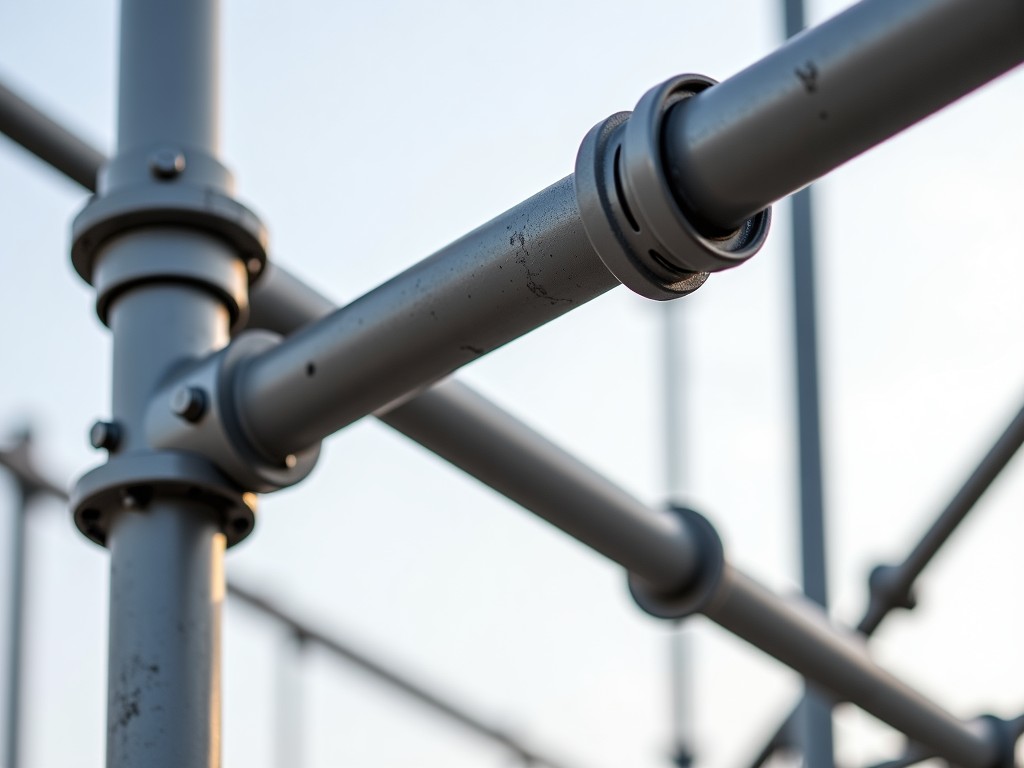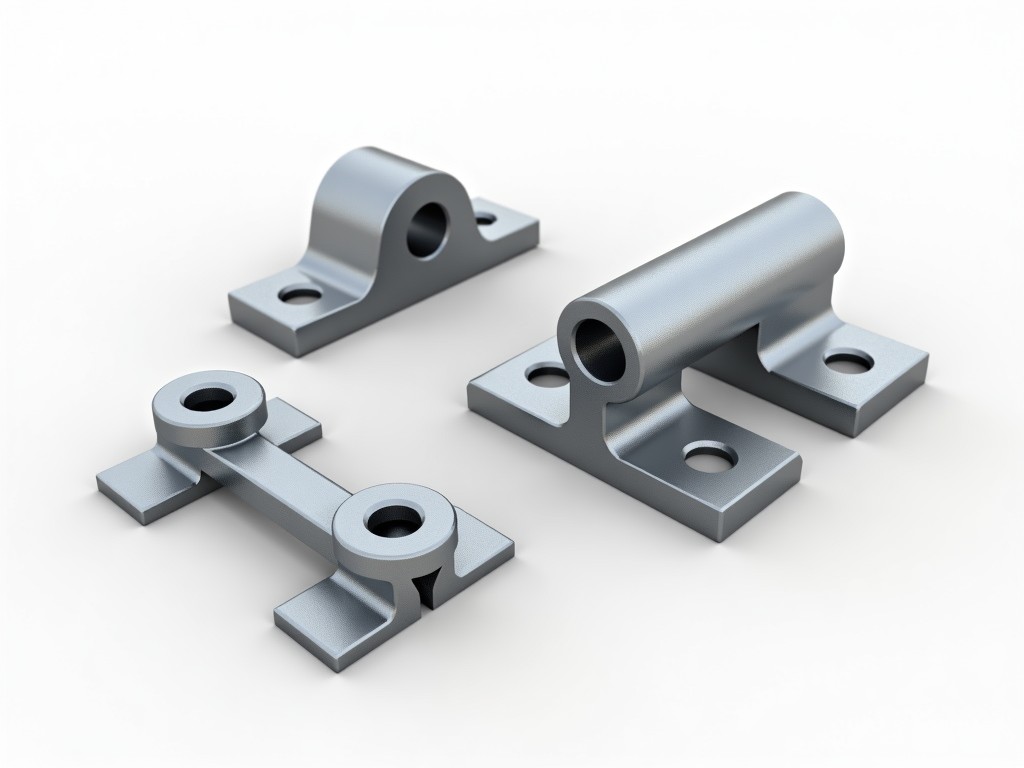
Scaffolding systems rely on precision-engineered parts to maintain structural integrity under dynamic loads. Each component—couplers, braces, ledgers, transoms, base plates, and pins—must conform to dimensional tolerances that ensure load transfer efficiency and resistance to deformation. Material selection, typically hot-rolled structural steel grades like S235JR or Q235B, directly influences yield strength, ductility, and fatigue resistance. Surface treatments such as hot-dip galvanizing (minimum 55µm zinc coating per EN ISO 1461) provide corrosion protection critical for extended service life in harsh environments. Understanding these technical fundamentals allows engineers to specify components that reduce failure risk and support compliance with temporary works standards like BS EN 12810-1 and BS EN 12811-1.
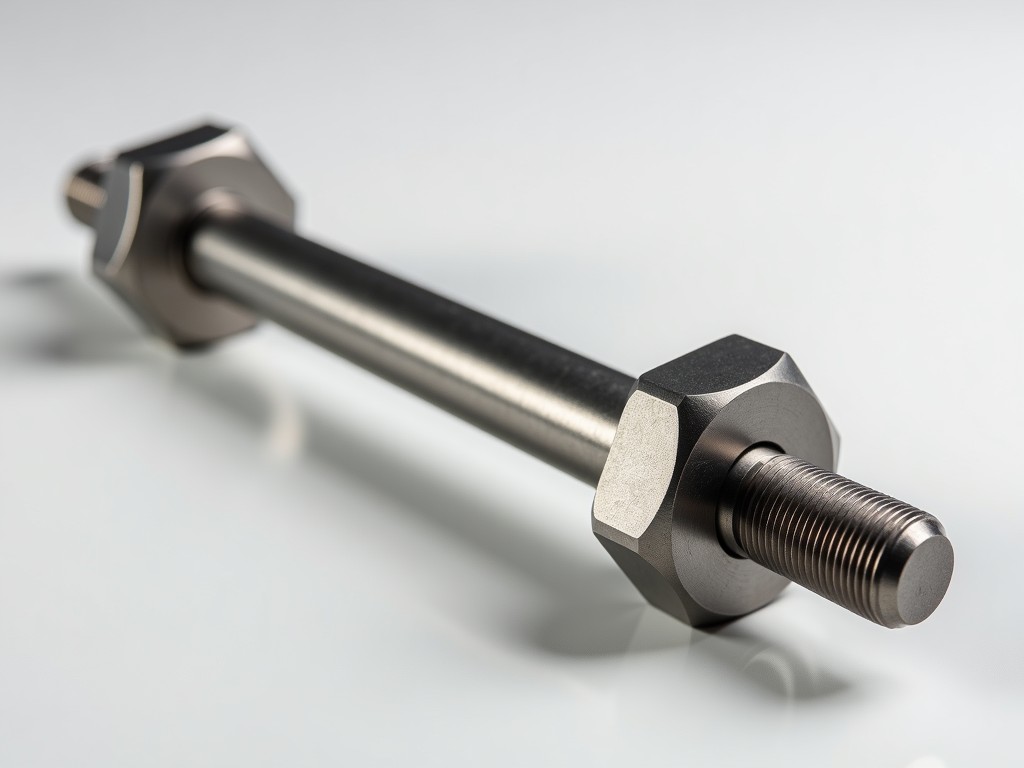
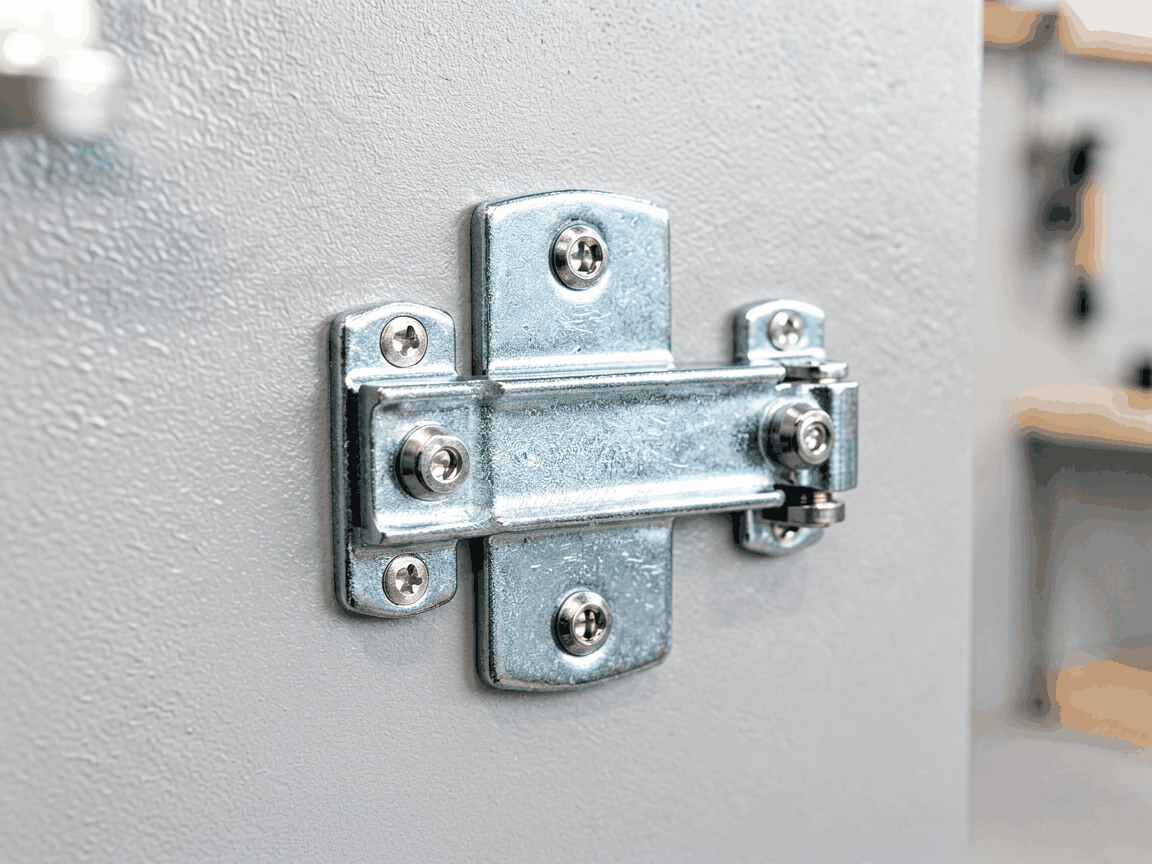
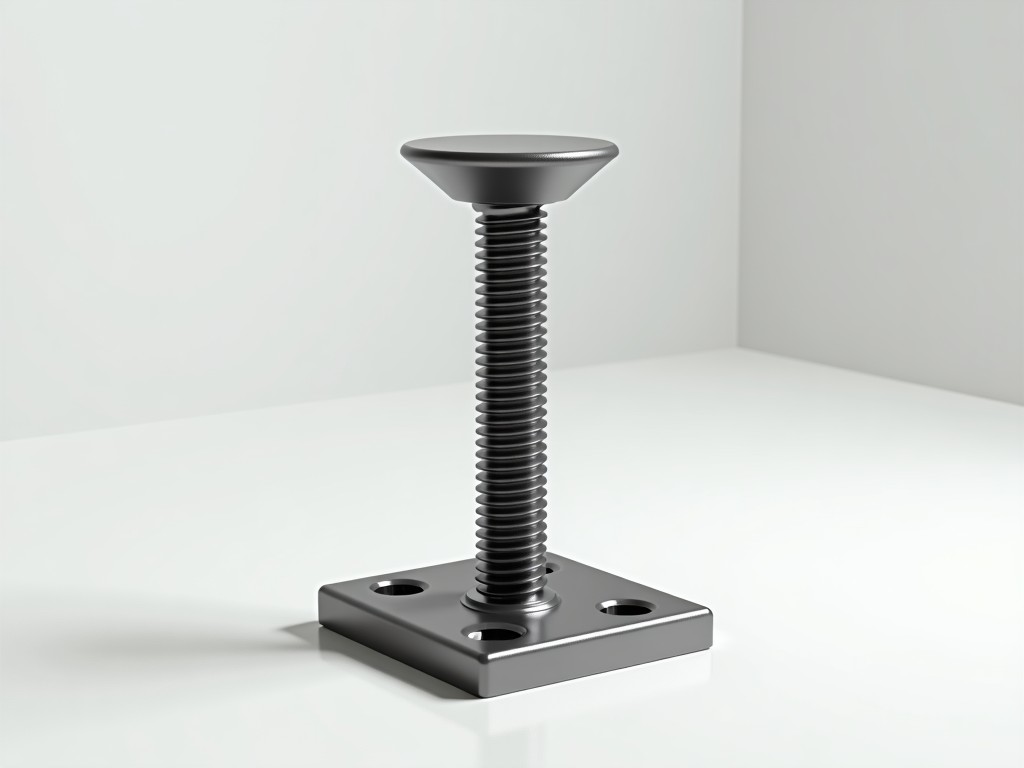
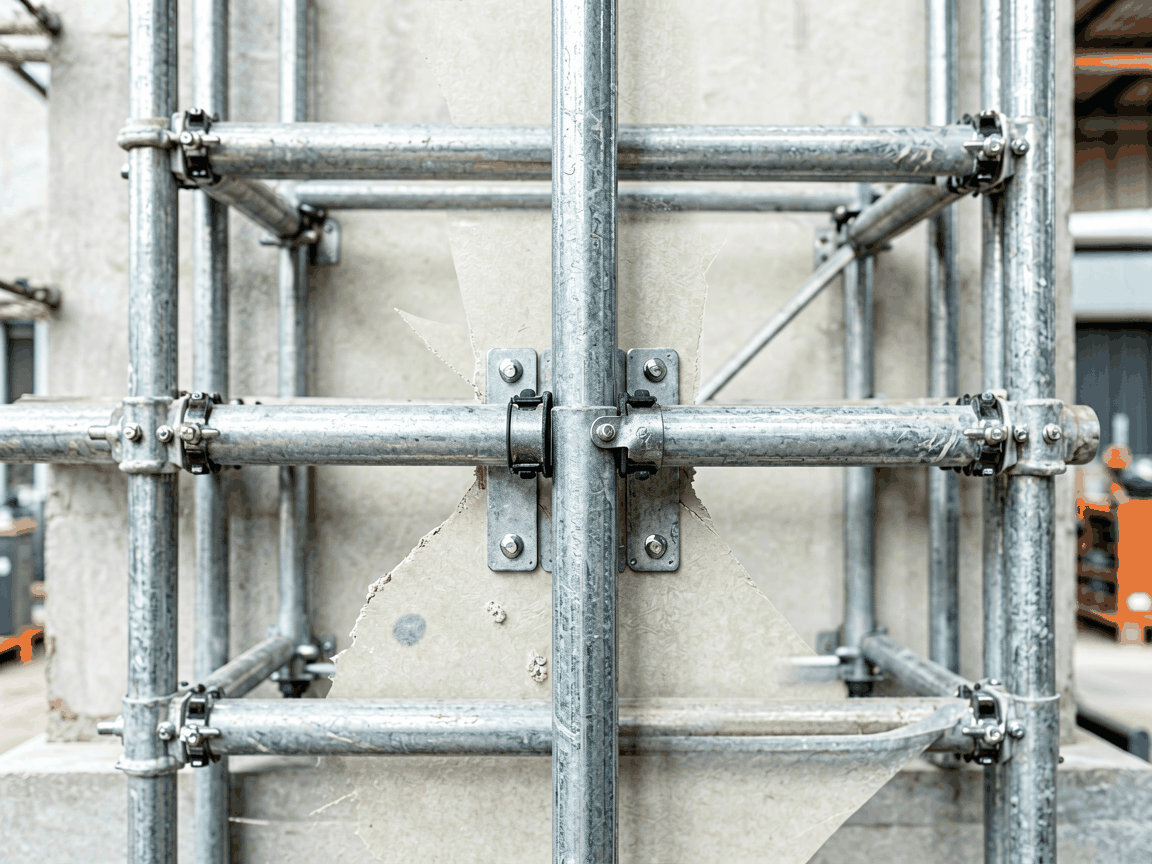
Scaffolding systems function as interconnected assemblies where each part serves a distinct mechanical role. Ledgers and transoms form horizontal load-bearing elements, typically featuring forged or pressed ends with specific spigot dimensions to mate with vertical standards. Couplers—right-angle, swivel, and sleeve types—transfer shear and tensile forces between tubes; their performance depends on bolt grade (usually 8.8), tightening torque specifications, and slip resistance under cyclic loading. Base plates and screw jacks distribute loads to foundations, requiring adequate bearing area and adjustable height ranges to accommodate uneven terrain. Diagonal and facade braces provide lateral stability, resisting buckling through precise angular geometry and connection stiffness. The interaction between these parts determines overall system rigidity, making compatibility between components from different manufacturers a critical consideration during system design.
Structural steel used in scaffatching components must meet minimum mechanical requirements to ensure safety under service loads. Common grades such as S235JR (EN 10025-2) provide a minimum yield strength of 235 MPa and tensile strength between 360–510 MPa, with elongation at fracture typically exceeding 24% to ensure ductility. Higher-strength grades like S355JR may be used for heavy-duty applications, offering yield strength of 355 MPa. Chemical composition limits—particularly carbon (≤0.20%), manganese (≤1.60%), phosphorus (≤0.045%), and sulfur (≤0.045%)—affect weldability and toughness. Mechanical properties are verified through mill test certificates; tensile and yield strength values are derived from standardized coupon testing per EN ISO 6892-1. These specifications ensure components can withstand expected loads without permanent deformation or brittle failure.
Corrosion resistance directly impacts scaffold longevity and maintenance frequency. Hot-dip galvanizing is the predominant protection method, where components are immersed in molten zinc (approximately 450°C) to form a metallurgical bond. Coating thickness is measured per EN ISO 1461, with typical minimums of 55µm for steel sections over 6mm thick and 45µm for thinner sections. This provides sacrificial protection; zinc corrodes preferentially to steel, extending service life in atmospheric, industrial, or marine environments. Alternative treatments include pre-galvanized steel (continuous hot-dip coating before fabrication) or powder coating for aesthetic or specific chemical resistance needs, though these generally offer lower barrier protection than hot-dip galvanizing for structural components exposed to weather. Regular inspection of coating integrity—particularly at cut edges and welds—is recommended to identify early signs of corrosion.
Interchangeability between scaffolding parts depends on strict adherence to dimensional tolerances. Tube outer diameters are commonly 48.3mm with wall thicknesses ranging from 2.7mm to 4.0mm, depending on load requirements. Coupler internal dimensions must accommodate these tubes with minimal play—typically allowing 0.1–0.3mm clearance—to ensure proper clamping force without binding. Spigot dimensions on ledgers and transoms (e.g., 22mm diameter, 55mm length) must match receiver sockets in vertical standards to prevent vertical movement under load. Tolerances are governed by standards such as BS EN 12810-1; deviations beyond ±0.5mm on critical interfaces can compromise system stiffness and increase slip risk. Manufacturers use precision tooling—including CNC tube cutting, robotic welding, and gauge-controlled pressing—to maintain consistency across production batches.
Scaffolding components are selected based on the specific demands of the work environment and load conditions. In building construction, modular systems using 48.3mm tube diameter components support formwork, facade access, and material handling, with load capacities designed for personnel and equipment (typically up to 2 kN/m² per platform). Industrial maintenance in refineries or power plants often requires corrosion-resistant grades and enhanced bracing to withstand chemical exposure and vibration. Shipbuilding and offshore applications may specify stainless steel or specially coated components for saltwater resistance. Event staging and temporary structures prioritize rapid assembly/disassembly, favoring components with quick-release pins and lightweight yet strong configurations. The choice of part type—such as using reinforced ledgers for heavy load spreading or swivel couplers for angled connections—directly influences system suitability for the intended task.
Reliability of scaffolding parts is ensured through systematic quality control throughout manufacturing. Incoming steel is verified via mill test certificates; dimensional checks are performed on tube diameter, wall thickness, and length using calibrated gauges or laser measurement systems. Critical components such as couplers undergo proof load testing—typically applying 1.5 times the rated working load—to verify slip resistance and structural integrity. Weld inspections use visual examination (per EN ISO 17637) and may include dye penetrant or magnetic particle testing for crack detection. Galvanizing thickness is measured with magnetic or electronic coating thickness gauges at multiple points per component. Final assembly checks confirm that moving parts (e.g., screw jacks) operate smoothly and that locking mechanisms engage securely. Traceability is maintained through batch or part numbers linking raw material to finished goods.
While standard components cover most applications, project-specific needs often require modifications. Length adjustments for ledgers, transoms, or vertical standards are common—achieved through cutting to specified dimensions while maintaining end preparation for couplers or spigots. Non-standard angles for brace connections may necessitate custom-fabricated nodes or adjustable brackets. Corrosion protection can be enhanced beyond standard hot-dip galvanizing—for example, using duplex systems (galvanizing plus paint) for aggressive environments. Threaded components like screw jacks may be supplied with alternative thread forms (e.g., trapezoidal ACME) or increased travel lengths for greater adjustability. Customization requires clear communication of interface dimensions, load expectations, and environmental factors to ensure compatibility and safety. Manufacturers typically review technical drawings or sketches before quoting non-standard parts.
Efficient handling and transport of scaffolding parts depend on appropriate packaging methods. Components are typically bundled using steel or plastic strapping, with wooden or plastic spacers preventing surface damage during transit. Bundles are designed for standard forklift handling, with weights usually kept under 25kg per bundle to facilitate manual movement when needed. Longer items like vertical standards or ledgers may be packed in hexagonal or square wooden crates to resist bending. Labeling includes part numbers, quantities, heat numbers (for traceability), and handling instructions. For export shipments, additional protection such as waterproof wrapping or corrosion-inhibiting vapor emitters (VCI) may be used inside packaging. Palletization follows ISPM 15 standards for wooden packaging when shipping internationally. Proper packaging reduces the risk of damage that could compromise dimensional accuracy or coating integrity.
| Parameter | Standard Duty | Heavy Duty | Extra Heavy Duty |
|---|---|---|---|
| Tube Outer Diameter | 48.3 mm | 48.3 mm | 48.3 mm |
| Wall Thickness | 2.7–3.2 mm | 3.2–4.0 mm | 4.0–5.0 mm |
| Material Grade | S235JR | S235JR or S355JR | S355JR |
| Typical Use Case | General building access, light maintenance | Formwork support, industrial maintenance | Shoring, heavy load bearing, offshore |
This table illustrates how wall thickness and material grade scale with duty classification while maintaining consistent tube diameter for coupler compatibility. Heavy and extra heavy duty versions increase load capacity through greater cross-sectional area and higher yield strength, allowing wider bay spacings or higher platform loads. The 48.3mm diameter remains constant across classifications to ensure interchangeability of couplers, braces, and accessories—a key design feature of modular scaffolding systems. Selection depends on calculated loads, span lengths, and deflection limits defined in temporary works design.
Scaffolding components contribute to site safety through predictable mechanical behavior and failure resistance. Ductile materials like S235JR deform plastically before fracture, providing visible warning signs under overload. Galvanized coatings reduce rust-related weakening that could lead to sudden component failure. Properly maintained parts minimize risks of slip, displacement, or collapse during use. At end-of-life, steel components are highly recyclable—re-melting scrap requires significantly less energy than virgin steel production. Manufacturers increasingly report recycled content in their steel inputs, supporting circular economy principles. Safety data sheets (SDS) are generally not required for inert steel products, but handling guidelines may address manual lifting risks or edge protection during installation.
Procurement of scaffolding parts begins with clear specification of required components, quantities, material grade, coating type, and any dimensional non-standardities. Essential information includes tube diameter, wall thickness, length, and connection type (e.g., coupler spigot size, thread diameter for adjustable bases). For custom parts, sketches or CAD drawings showing interface details accelerate quotation accuracy. Lead times vary based on material availability and complexity—standard hot-dip galvanized components typically ship within 2–4 weeks, while custom fabrications may require 4–6 weeks. Technical support is available to assist with load calculations, compatibility checks, or interpretation of relevant standards such as BS EN 12810-1/12811-1. Contact our engineering team via the inquiry form to discuss project-specific requirements and receive a detailed quotation.