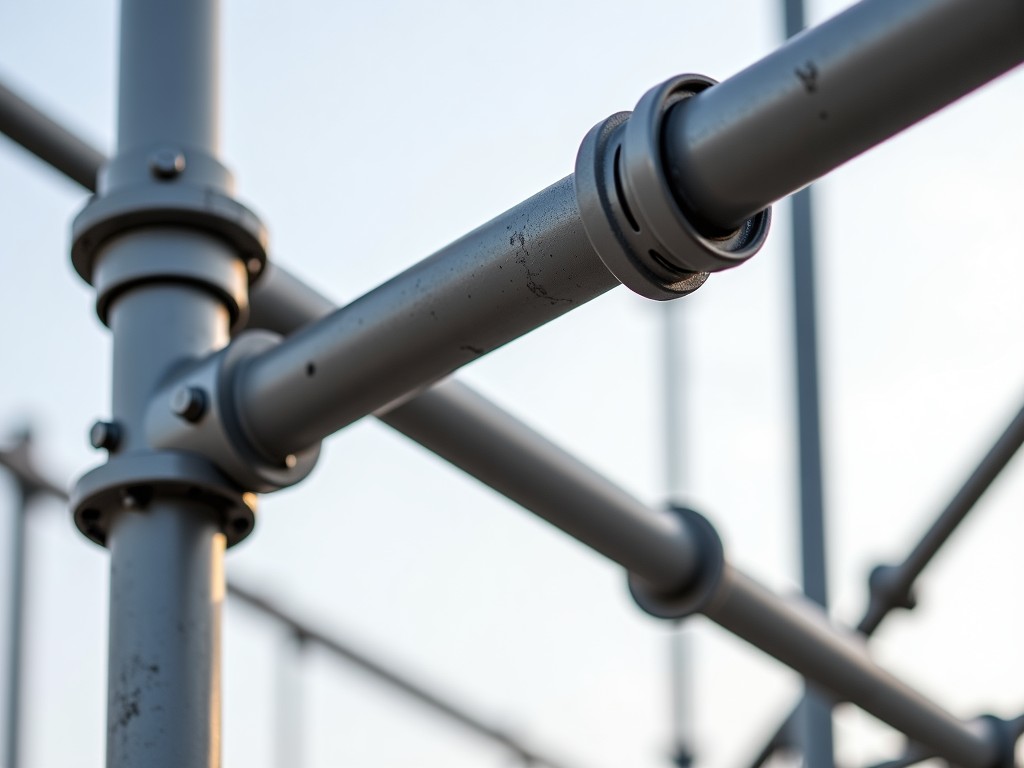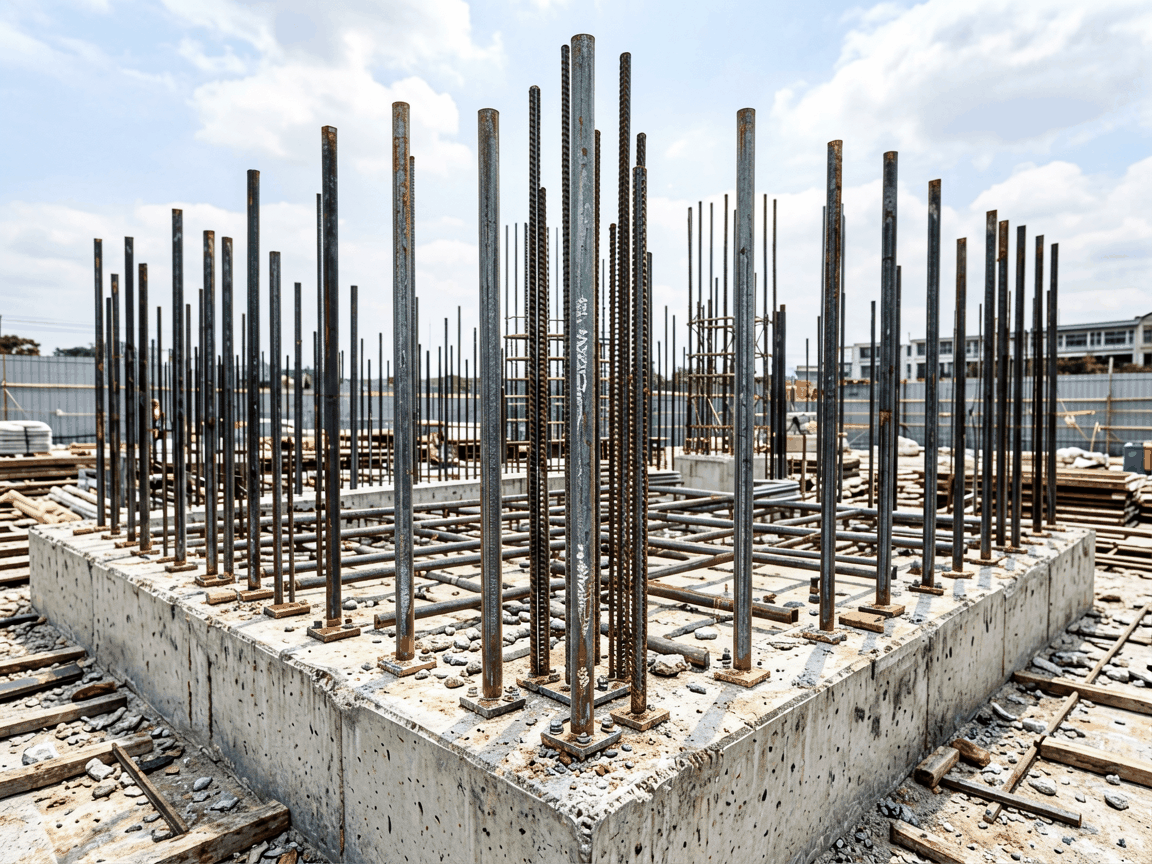
Steel props are adjustable vertical support systems used to bear formwork loads during concrete casting and curing. They transfer vertical forces from slabs, beams, and walls to the ground or structural slab, maintaining position and alignment until the concrete achieves sufficient strength. Their primary function is to resist compressive loads while allowing precise height adjustment to accommodate varying formwork elevations and slab thicknesses.
Steel props operate via a threaded inner tube that slides within an outer tube, secured by a locking pin or clamp mechanism. Rotation of the adjusting nut changes the effective length, allowing fine-tuned height control typically within a 50–100 mm range per adjustment cycle. Load capacity depends on extension length, tube diameter, wall thickness, and material grade; for example, a prop with 48.3 mm outer diameter and 3.2 mm wall thickness may support 20–25 kN at full extension, decreasing to 35–40 kN at minimum length due to improved column stability.
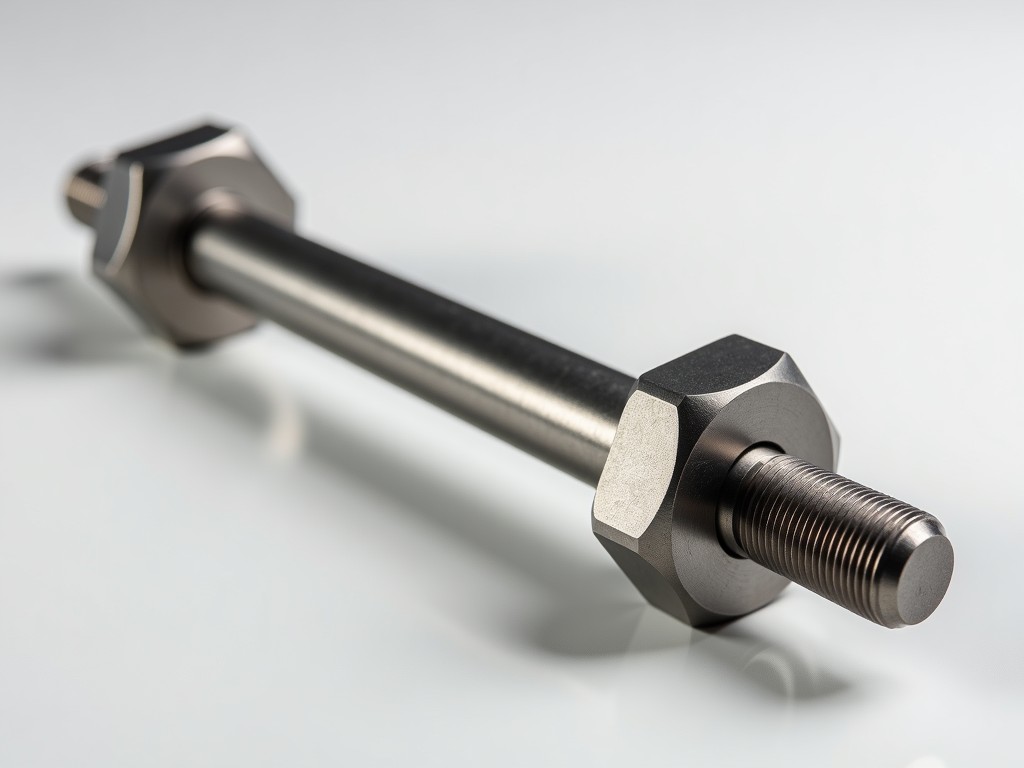
The inner and outer tubes are commonly manufactured from structural steel grades such as S235JR or S355JR, selected for yield strength and weldability. Surface treatment typically involves hot-dip galvanizing to a minimum coating thickness of 55 µm, providing corrosion resistance in alkaline concrete environments and repeated wet-dry cycles. Threaded components are often machined from solid bar stock to ensure dimensional accuracy and resistance to galling under load, while locking pins are made from hardened steel to prevent deformation during repeated use.
| Prop Type | Outer Diameter (mm) | Wall Thickness (mm) | Min Length (mm) | Max Length (mm) | Adjustment Range (mm) |
|---|---|---|---|---|---|
| Light Duty | 48.3 | 2.5 | 600 | 1000 | 400 |
| Medium Duty | 48.3 | 3.2 | 1000 | 1800 | 800 |
| Heavy Duty | 60.3 | 3.6 | 1500 | 2500 | 1000 |
| Extra Heavy Duty | 76.1 | 4.0 | 2000 | 3500 | 1500 |
Dimensions are selected based on slab height, required load capacity, and storage efficiency. Narrower diameter props (e.g., 48.3 mm) are preferred in confined spaces or for lighter slabs, while larger diameters (60.3–76.1 mm) provide higher buckling resistance for deep beams or thick foundation mats. Adjustment range determines versatility across multiple pour heights; props with limited range may require multiple sets for projects with significant vertical variation, increasing handling and storage complexity.
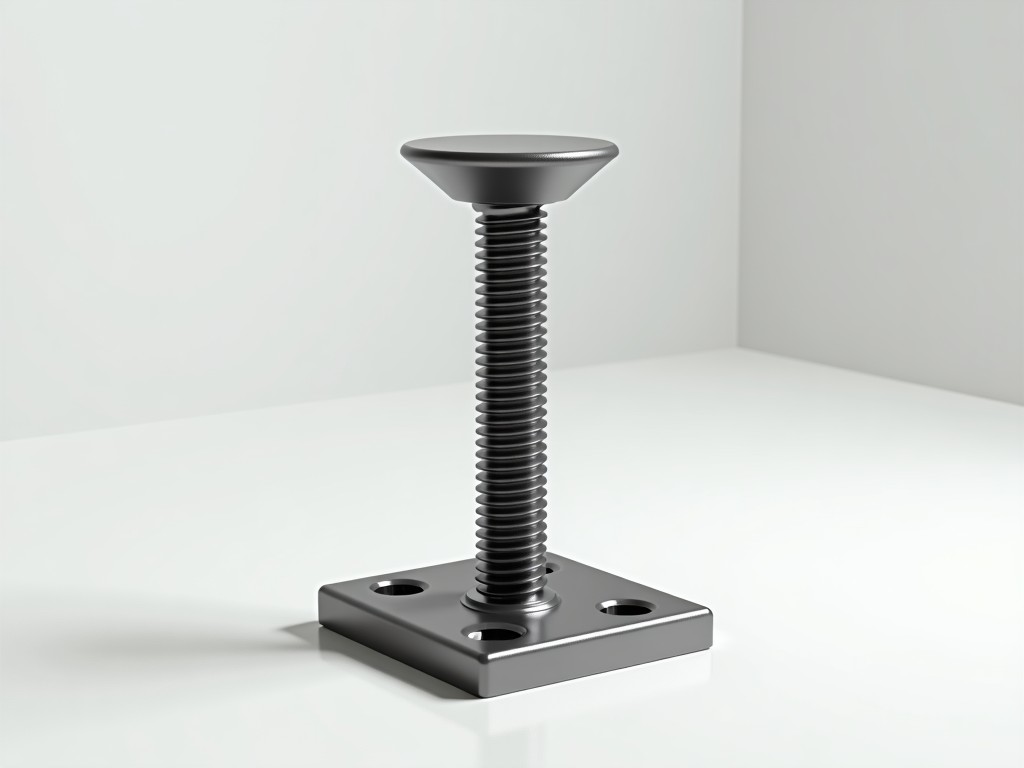
Eccentric loading significantly reduces effective capacity; even 10–15 mm misalignment can decrease safe working load by 20–30% due to bending moments induced in the tube wall. To minimize this, props should be positioned vertically using laser levels or plumb bobs, with base plates fully seated on compacted ground or steel spreaders to distribute pressure. Head plates, typically 100×100 mm steel plates with a central recess, prevent slip-off of wooden beams or steel headers and ensure uniform load transfer to the formwork.
Steel props are designed for repeated use across multiple pours, with service life depending on environmental exposure and handling practices. After each use, threads should be cleaned of concrete debris and lubricated with water-resistant grease to prevent seizing and ensure smooth adjustment. Deformed locking pins, bent tubes, or cracked welds must be removed from service immediately, as they compromise structural integrity. Regular inspection before each deployment is recommended to verify straightness, thread condition, and locking mechanism function.
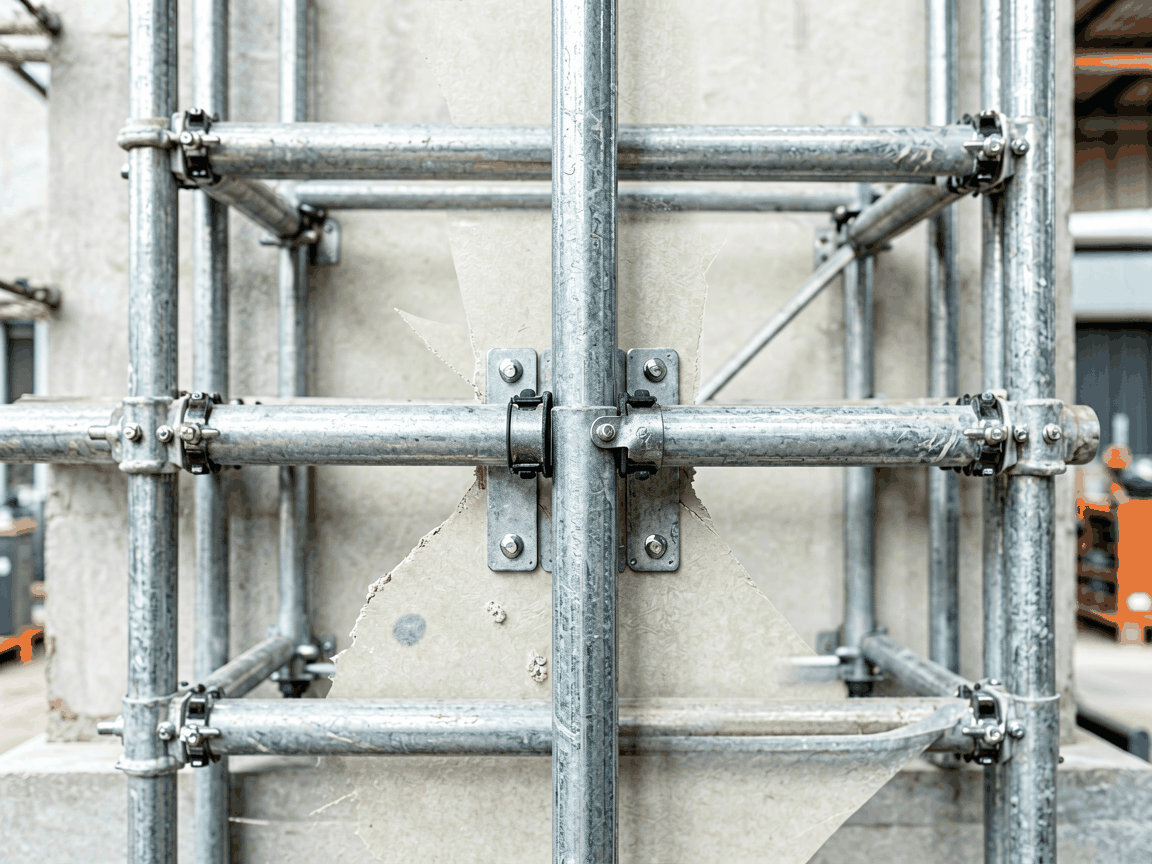
Steel props are essential in suspended slab construction where shoring must support wet concrete, reinforcement, and live loads during curing. They are commonly used in flat plate slabs, beam-and-slab systems, and inverted beam layouts, providing temporary support until the concrete reaches 70–80% of its design strength. In wall formwork, props stabilize vertical panels against lateral pressure from fresh concrete, particularly in tall walls or where kickers are absent. Their adjustability allows precise soffit elevation control, critical for achieving specified floor-to-floor heights in multi-story buildings.
Compared to timber props, steel offers consistent strength, dimensional stability, and resistance to moisture-induced warping or rot, eliminating variability in load capacity due to material grade or moisture content. Aluminum props are lighter but have lower modulus of elasticity and higher thermal expansion, making them less suitable for long-term load-bearing applications under sustained loads. Steel props provide a better balance of strength, durability, and cost-effectiveness for reusable systems, especially in projects requiring high cycle counts or exposure to harsh site conditions.
Contact our technical team to discuss load requirements, slab dimensions, or site-specific constraints for your formwork system.