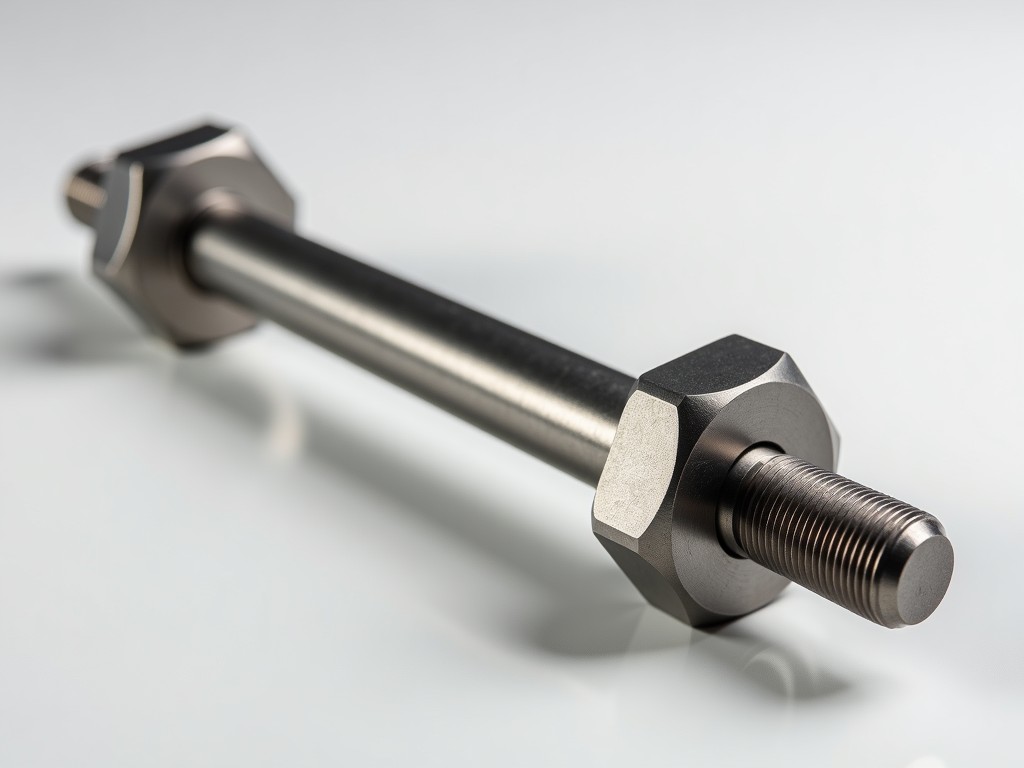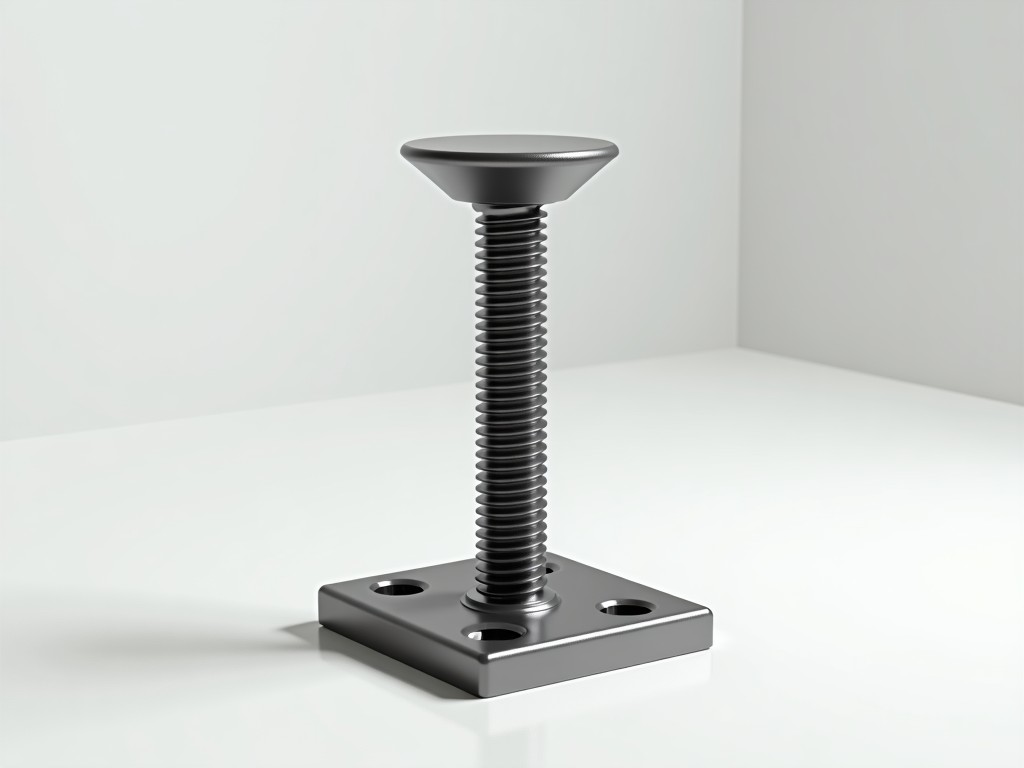
Floor leveling in industrial environments requires precise, stable, and load-bearing solutions. Screw jacks offer a mechanical alternative to hydraulic or pneumatic systems, providing controlled vertical adjustment without reliance on external power sources. Understanding their design, load capacity, and adjustment mechanisms is essential for selecting the right product for long-term floor leveling applications.
The price of screw jacks for floor leveling varies based on several technical factors, including load rating, screw material, gear ratio, housing construction, and whether the unit is manually operated or motorized. Manual screw jacks typically range from $150 to $800 per unit, while motorized or gear-reduced versions can exceed $2,000 depending on torque requirements and control integration. These costs reflect material selection, machining precision, and safety factors built into the design.
Load capacity is the primary determinant of screw jack pricing. Units rated for 5 kN (approximately 500 kg) use smaller trapezoidal screws and lighter housings, suitable for light machinery or equipment pads. Those rated for 50 kN or higher require hardened steel screws, larger diameter worm gears, and reinforced cast iron or ductile iron housings to prevent buckling and ensure longevity under sustained load.
Screw material and thread type significantly affect both performance and cost. Standard units use C45 steel trapezoidal screws with bronze nuts for self-locking and wear resistance. Stainless steel (AISI 304 or 316) screws are available for corrosive environments but increase cost by 30–50% due to material expense and machining difficulty. Ball screw variants, while offering higher efficiency and lower friction, are less common in pure leveling applications due to higher cost and lack of inherent self-locking, often requiring braking systems.
Gear ratio and operating mechanism influence both usability and price. A higher gear ratio (e.g., 24:1) reduces manual effort but increases turn count per millimeter of lift, slowing adjustment. Lower ratios (e.g., 6:1) allow faster adjustment but require more torque. Motorized units add cost through the inclusion of gearmotors, limit switches, and optional encoders for position feedback. Manual units remain more economical and are preferred where infrequent adjustment is needed.
| Configuration | Load Capacity | Typical Price Range (USD) |
|---|---|---|
| Manual, C45 screw, cast iron housing | 5 kN | $150 – $300 |
| Manual, C45 screw, ductile iron housing | 20 kN | $400 – $700 |
| Manual, stainless steel screw, bronze nut | 10 kN | $500 – $900 |
| Motorized, 24V DC gearmotor, limit switches | 15 kN | $1,200 – $2,500 |
| Motorized, feedback encoder, stainless steel | 30 kN | $2,800 – $4,500+ |
Note: Prices are indicative and based on standard configurations. Custom flange dimensions, special screw lengths, protective bellows, or integrated coupling systems will affect final cost. Volume discounts may apply for OEM orders exceeding 10 units.
Screw jacks are commonly used beneath machine tools, conveyor systems, and modular platforms where periodic re-leveling is required due to foundation settling, vibration, or process changes. Unlike shims or adjustable pads, screw jacks provide repeatable, measurable adjustment and can support dynamic loads during operation. Their self-locking trapezoidal threads maintain position without power, reducing risk of unintended movement.
In precision manufacturing, such as semiconductor equipment or optical machining, floor leveling accuracy within 0.1 mm over extended areas is critical. Screw jacks allow technicians to compensate for uneven concrete slabs by adjusting individual support points. The mechanical nature of the system avoids fluid leaks or pressure loss associated with hydraulic alternatives, making them suitable for cleanroom or food-grade environments when constructed with appropriate materials.
Selecting the right screw jack begins with calculating the total load per support point, including static weight, dynamic forces, and safety factors (typically 1.5–2.0 for industrial use). The required lift stroke must account for both initial leveling adjustment and expected long-term settlement. Housing mounting options—flange, foot, or trunnion—should match the structural interface to avoid bending moments on the screw.
Environmental factors dictate material and protection choices. In washdown areas, stainless steel screws with sealed gear housings prevent corrosion. In high-temperature environments, specialized lubricants and heat-resistant nut materials (such as PA66 or bronze alloys) maintain performance. For outdoor use, protective bellows or screw covers prevent ingress of debris and moisture, extending service life.
The lifespan of a screw jack in floor leveling service depends on wear between the screw and nut, lubrication retention, and protection from contaminants. Bronze nuts are standard for their compatibility with steel screws and self-lubricating properties. Regular inspection of thread wear and lubrication intervals—typically every 6–12 months depending on usage—helps maintain accuracy and prevent backlash development.
Manufacturing quality influences performance. Precision-ground trapezoidal threads reduce friction and wear compared to rolled threads. Concentricity between the screw and housing bore prevents binding and uneven load distribution. Units designed with accessible lubrication points and visible wear indicators support proactive maintenance, reducing downtime and extending service life in continuous-operation facilities.