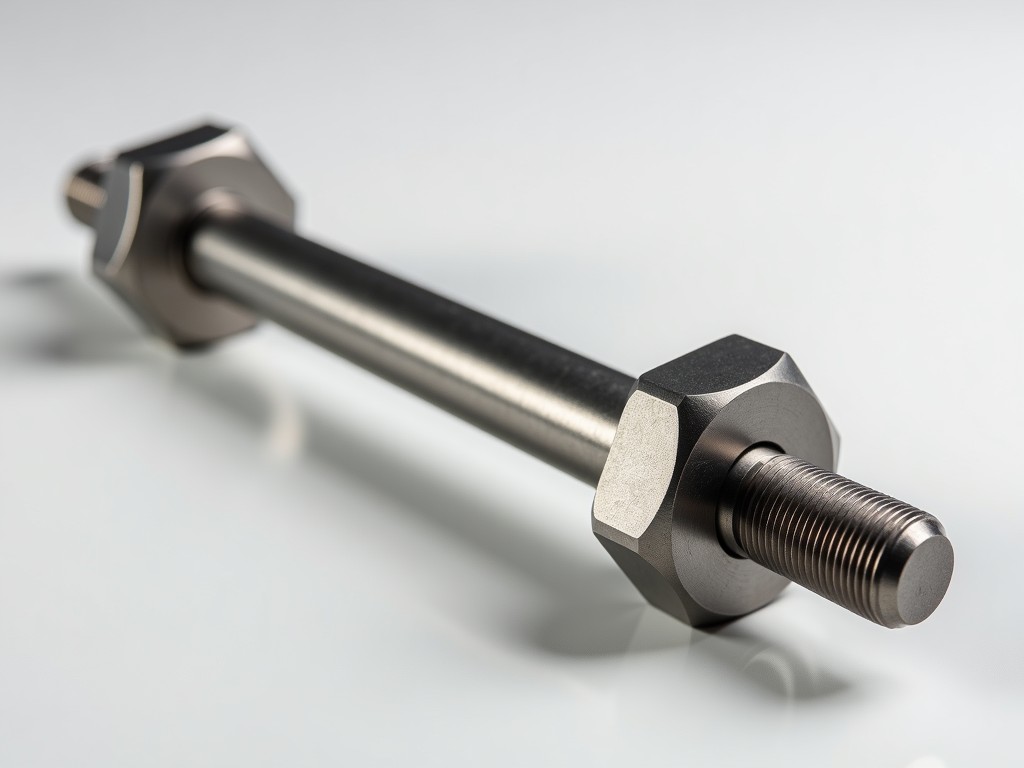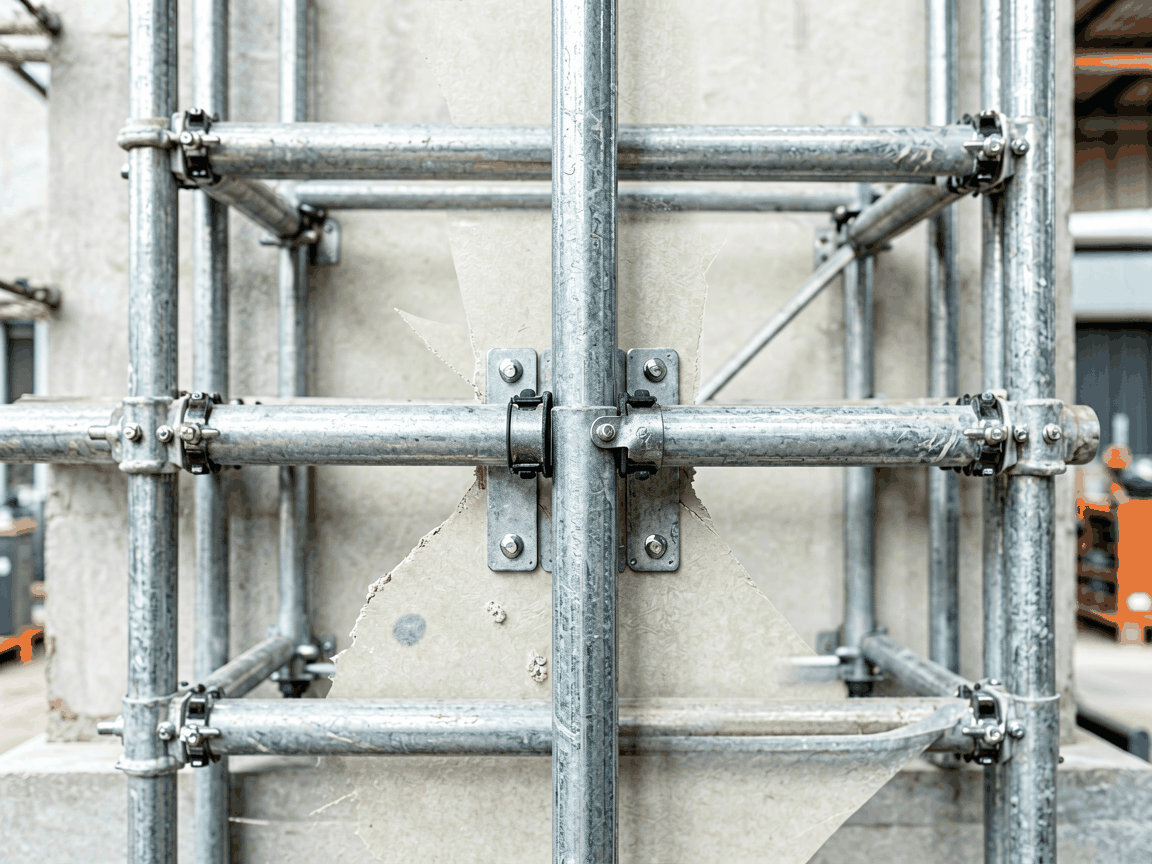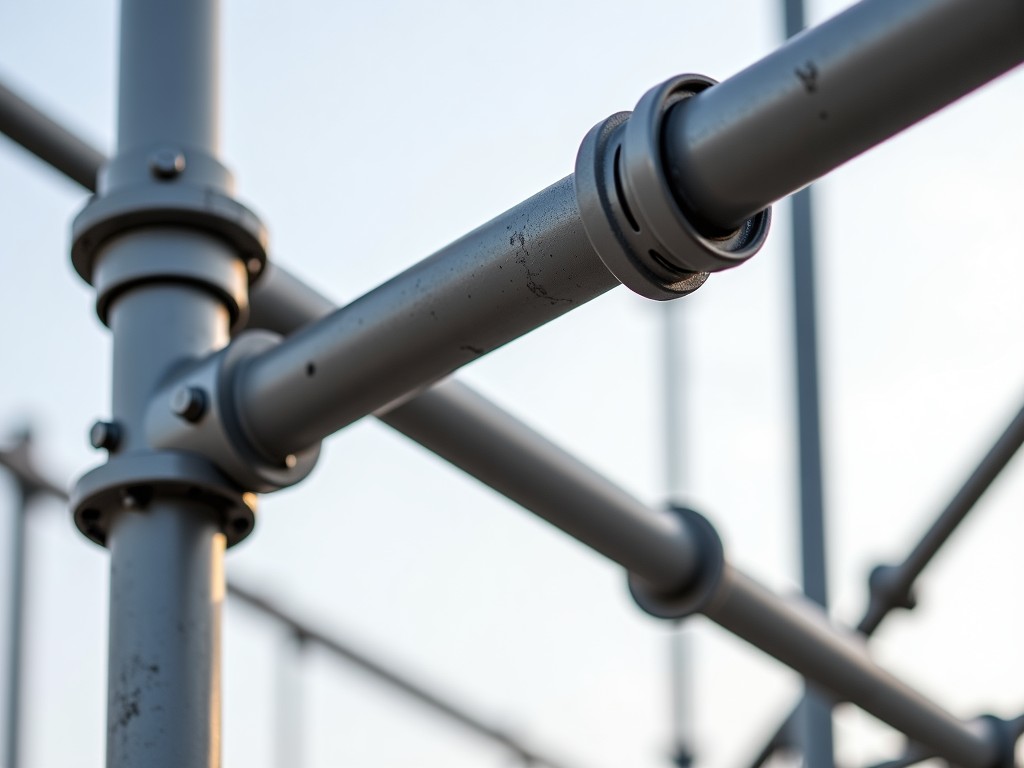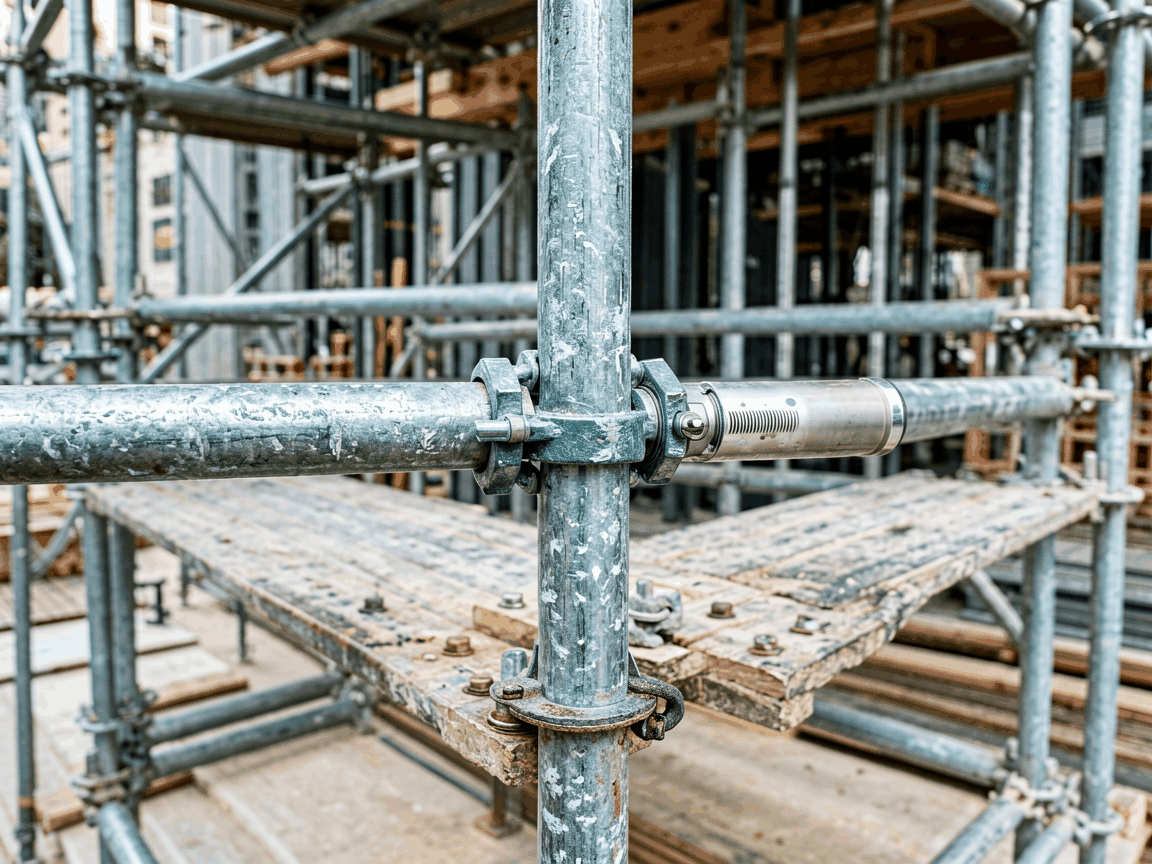
A scaffolding tie rod water stopper is a specialized sealing component designed to prevent water ingress at the interface between tie rods and formwork or structural concrete in temporary works applications. It functions by creating a watertight barrier around the threaded portion of the tie rod where it penetrates formwork, concrete, or shuttering systems, thereby protecting the structural integrity of the assembly and preventing corrosion or weakening of the tie rod due to prolonged moisture exposure. These components are essential in concrete construction projects where formwork is subjected to rain, groundwater, or intentional water retention during curing, particularly in below-grade works, tunnels, reservoirs, and marine structures.
The water stopper typically consists of a flexible, compressible sealing element—often made from elastomeric materials such as neoprene, EPDM, or polyurethane—encapsulated within a rigid or semi-rigid carrier that matches the outer diameter of the tie rod or formwork hole. When installed, the sealing element deforms under compression to fill annular gaps between the tie rod and the surrounding material, creating a dynamic seal that accommodates minor misalignments, thermal movement, and vibration without losing integrity. Unlike static plugs or tape wraps, this design maintains sealing performance under cyclic loading and varying hydrostatic pressure, making it suitable for both temporary and semi-permanent formwork systems.
Effective water stopping depends on three key factors: material compatibility with concrete admixtures and site chemicals, sufficient compression set resistance to maintain seal integrity over time, and geometric precision to match standard tie rod diameters (commonly 15mm, 20mm, 24mm, and 30mm). The stopper must resist extrusion under pressure while avoiding excessive force that could damage formwork or impede rod removal. Engineers select stoppers based on anticipated hydrostatic head, duration of exposure, and the chemical environment—such as alkaline pore water in fresh concrete or chlorides in marine settings—to ensure long-term performance without premature degradation.
Material choice directly influences the water stopper’s resistance to environmental stressors. Neoprene offers good balance of oil resistance, flexibility, and durability in moderate pH environments, making it suitable for general-purpose formwork. EPDM provides superior weathering, ozone, and heat resistance, along with excellent performance in alkaline concrete pore solutions, ideal for extended curing periods or hot climates. Polyurethane variants deliver high tear strength and abrasion resistance, beneficial in high-traffic formwork systems where mechanical damage during installation or reuse is a concern. Each material exhibits distinct compression set values—typically under 25% after 22 hours at 70°C for EPDM, and under 30% for neoprene—indicating their ability to recover shape after prolonged compression.
| Property | Neoprene | EPDM | Polyurethane |
|---|---|---|---|
| Typical Durometer (Shore A) | 40–60 | 45–65 | 50–70 |
| Compression Set (70°C, 22h) | ≤30% | ≤25% | ≤35% |
| Alkaline Resistance (pH 12–13) | Good | Excellent | Fair to Good |
| Ozone/UV Resistance | Fair | Excellent | Good |
| Temperature Range | -30°C to 100°C | -40°C to 120°C | -20°C to 80°C |
The carrier or housing of the water stopper is commonly manufactured from rigid plastics such as polypropylene or PVC, chosen for their chemical inertness, ease of molding, and compatibility with concrete release agents. Some designs incorporate metal inserts or flanges to enhance axial retention or facilitate installation via standard formwork accessories. The interface between the elastomeric seal and the carrier is critical—adhesion or mechanical locking must prevent debonding under hydrostatic pressure or during repeated use. Manufacturers often mold the seal directly onto the carrier in a two-shot process to ensure integrity, avoiding secondary bonding methods that may fail under long-term exposure.
Proper installation is essential to achieve reliable water stopping. The stopper is typically positioned on the tie rod before it is threaded through the formwork or waler system, ensuring the sealing element sits concentrically around the rod where it penetrates the barrier. In vertical applications, gravity assists in seating the stopper against the formwork face; in horizontal or overhead installations, retaining clips, washers, or molded stops may be used to prevent displacement during concrete pour. The stopper must not interfere with the tie rod’s load-bearing capacity or threading—designs avoid obstructing the rod’s ends or reducing effective cross-section at stress points.
Applications span a wide range of concrete construction scenarios where water control at penetrations is critical. In basement and foundation works, water stoppers prevent groundwater from seeping through formwork ties during excavation and pouring, reducing the risk of honeycombing, corrosion staining, or reinforcement damage. In water-retaining structures such as tanks, canals, and swimming pools, they maintain watertightness during both construction and service life by sealing around permanent or temporary tie rods that penetrate the structure. Underground infrastructure projects—including tunnels, culverts, and utility shafts—rely on these components to manage hydrostatic pressure from surrounding soil or groundwater, especially during segmented lining installation where temporary formwork is penetrated by numerous tie rods.
Consistent performance depends on tight control over material formulation, molding tolerances, and dimensional accuracy. The inner diameter of the sealing element must match the tie rod’s outer diameter with sufficient interference to ensure radial compression—typically 0.5mm to 1.5mm of interference fit—while the outer diameter must align with the formwork hole or washer size to prevent lateral movement. Wall thickness of the elastomeric seal affects both compression force and durability; too thin, and the seal may extrude or tear; too thick, and it may require excessive installation force or fail to seat properly. Manufacturers use calibrated molds and statistical process control to maintain dimensional stability across production batches, particularly for critical diameters used in high-rise or infrastructure projects.
Testing protocols often include compression set analysis per ASTM D395, hydrostatic pressure resistance testing (commonly up to 0.5 bar or 5m head for temporary works), and immersion testing in simulated concrete pore solution to evaluate chemical stability. Batch-to-batch variability in durometer or tensile strength is monitored to ensure that sealing force remains within predictable limits. While specific test results are project-dependent and not standardized across all manufacturers, reputable suppliers provide material data sheets and conformance documentation upon request, allowing engineers to verify suitability for their design conditions and exposure classifications.
While standard sizes cover the majority of scaffolding and formwork tie rod systems, customization is frequently required for non-standard rod diameters, specialized formwork geometries, or extreme environmental conditions. Engineers may request tailored inner and outer diameters, adjusted seal profiles (such as lip seals, O-rings, or molded flanges), or alternative materials based on project-specific chemical exposure—such as resistance to sulfates in wastewater structures or hydrocarbons in industrial facilities. Length customization is less common, as the axial dimension is primarily governed by the formwork thickness, but variations can be accommodated for thick waler systems or double-sided formwork where the stopper must span a greater distance.
Customization logic follows a risk-based approach: the greater the consequence of water ingress—such as in potable water reservoirs or underground transit tunnels—the more justification exists for non-standard solutions. Conversely, in short-duration, above-grade applications with low hydrostatic head, standard stoppers offer optimal cost-performance balance. Lead times for customized parts depend on tooling requirements; simple diameter adjustments may be accommodated using existing molds with minor reprogramming, while novel seal profiles or material blends may require new tooling and validation testing. Suppliers typically engage early in the design phase to align specifications with formwork layout, tie rod spacing, and pouring sequence.
Water stoppers are typically packaged in bulk cartons or sealed bags to prevent contamination, deformation, or UV exposure during transit and storage. Given their elastomeric nature, prolonged exposure to sunlight, ozone, or extreme temperatures can degrade performance even before installation, so packaging often includes UV-resistant films or desiccants in humid climates. Units are commonly counted and packed in quantities aligned with standard formwork module sizes—for example, 100 or 200 pieces per carton—to streamline inventory management on large construction sites. Heavier or larger custom variants may be packed individually or in smaller quantities to avoid crushing or misalignment during handling.
For international shipments, especially to regions with high humidity or temperature fluctuations, suppliers may use climate-controlled containers or include barrier bags with moisture indicators. Shelf life is generally 12 to 24 months when stored in cool, dry, dark conditions—though this varies by material, with polyurethane often having shorter usable life than EPDM under identical storage. Clear labeling includes part number, material type, nominal size, date of manufacture, and storage instructions, enabling site personnel to verify suitability and rotate stock effectively. Distributors and contractors benefit from standardized packaging that integrates with just-in-time delivery systems and reduces on-site waste from damaged or expired components.
For technical inquiries, customization requests, or detailed material data sheets regarding scaffolding tie rod water stoppers, please contact our engineering team to discuss your project’s specific requirements.
Contact Us for Engineering Support