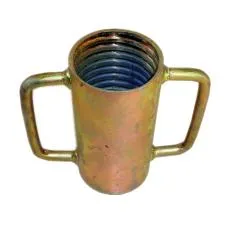
|
Product Name |
Image |
Material |
Outer Diameter |
Weight |
|
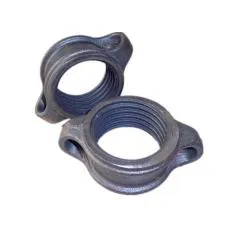
Cast Prop Nut |
|
Ductile Cast Iron |
48 mm |
420 g |
|
Cast Prop Nut |
|
Ductile Cast Iron |
60 mm |
670 g |
|
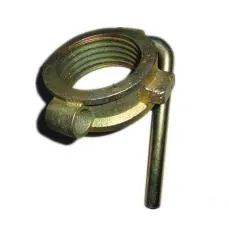
CNC Cup Prop Nut |
|
Carbon Steel |
48 mm |
500 g |
|
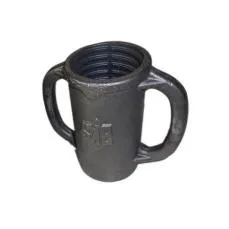
Cast Cup Prop Nut |
|
Ductile Cast Iron |
48 / 60 mm |
1100 g |
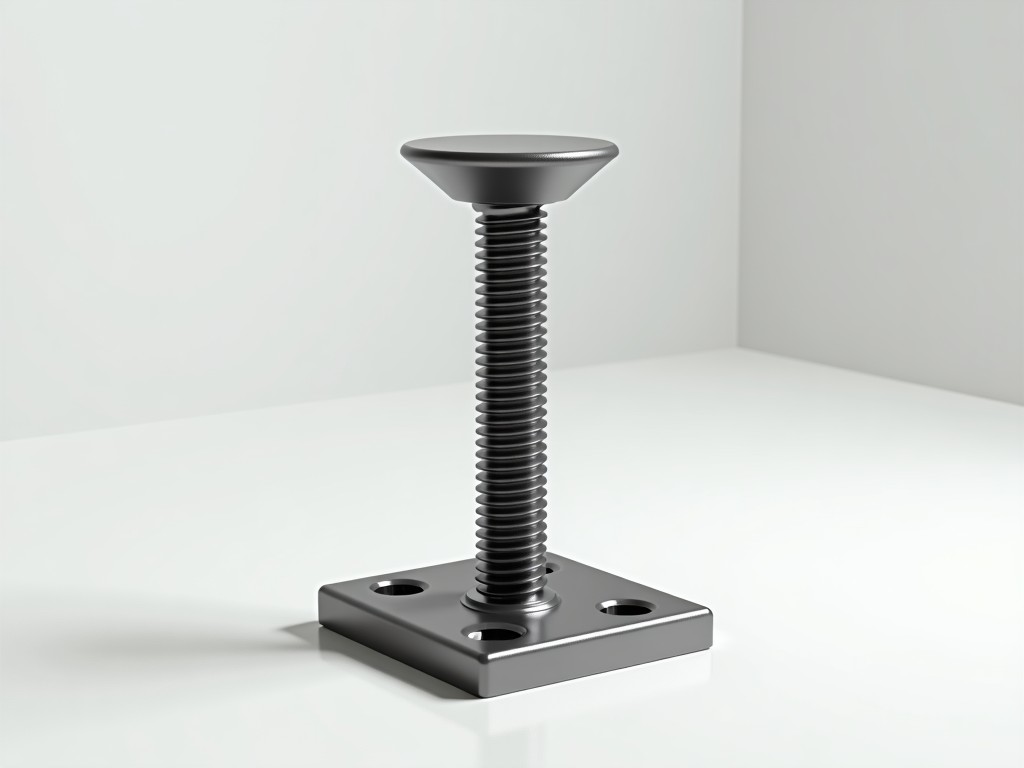
A scaffolding prop nut is a threaded fastener with a hexagonal or square head, designed for simple installation and removal. It ensures a secure, stable connection between components, preventing loosening or misalignment during use.
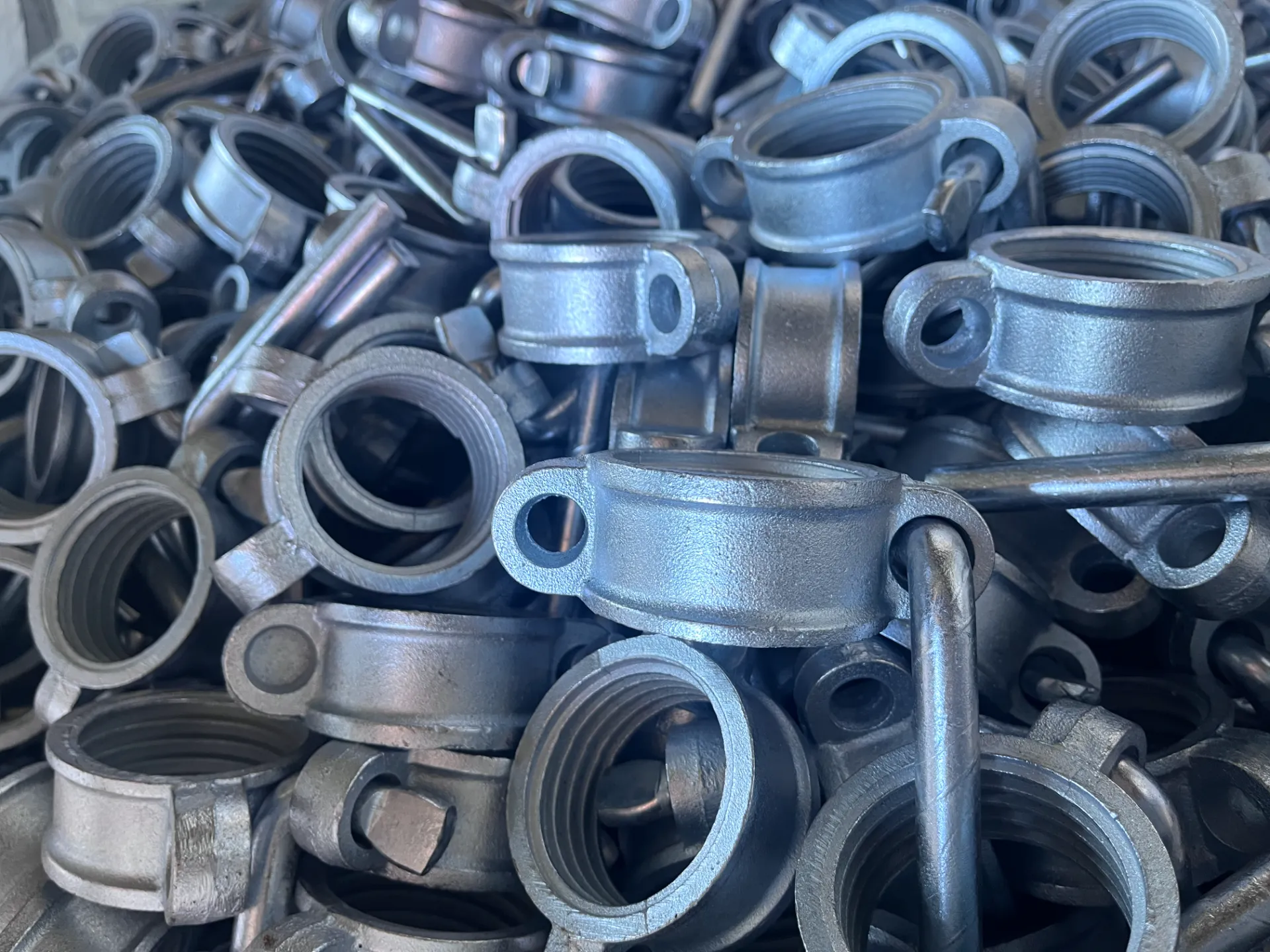
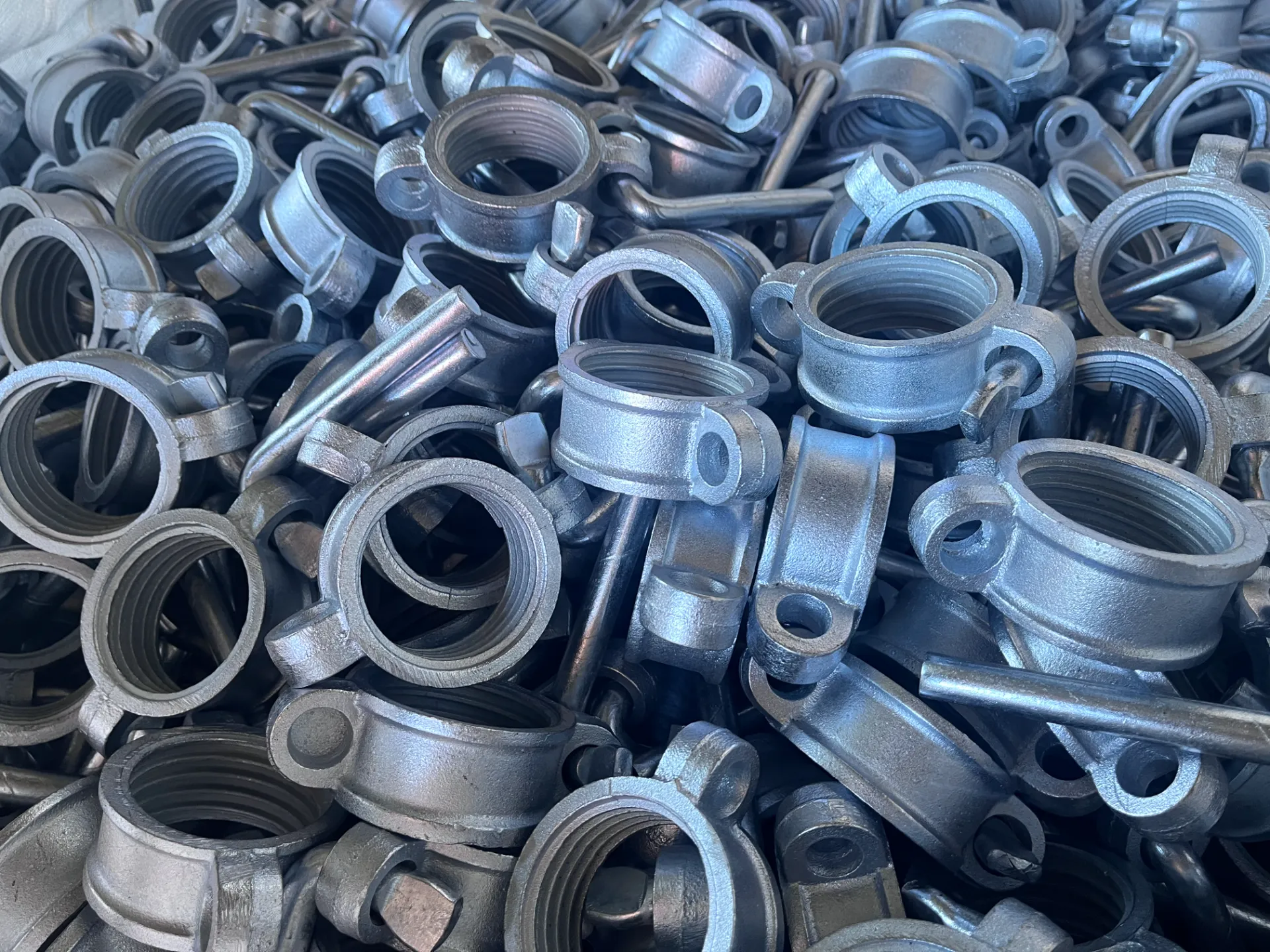
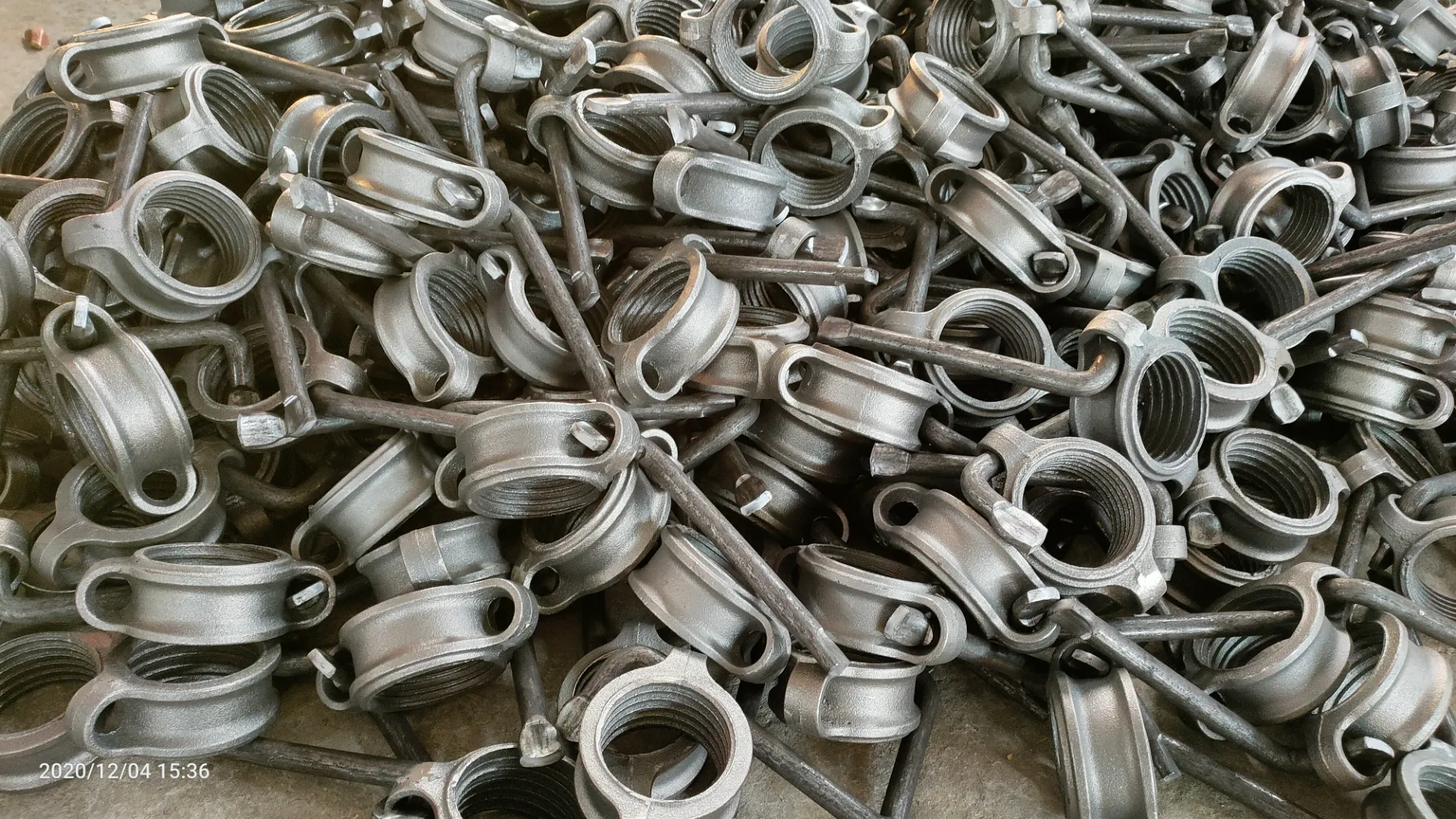
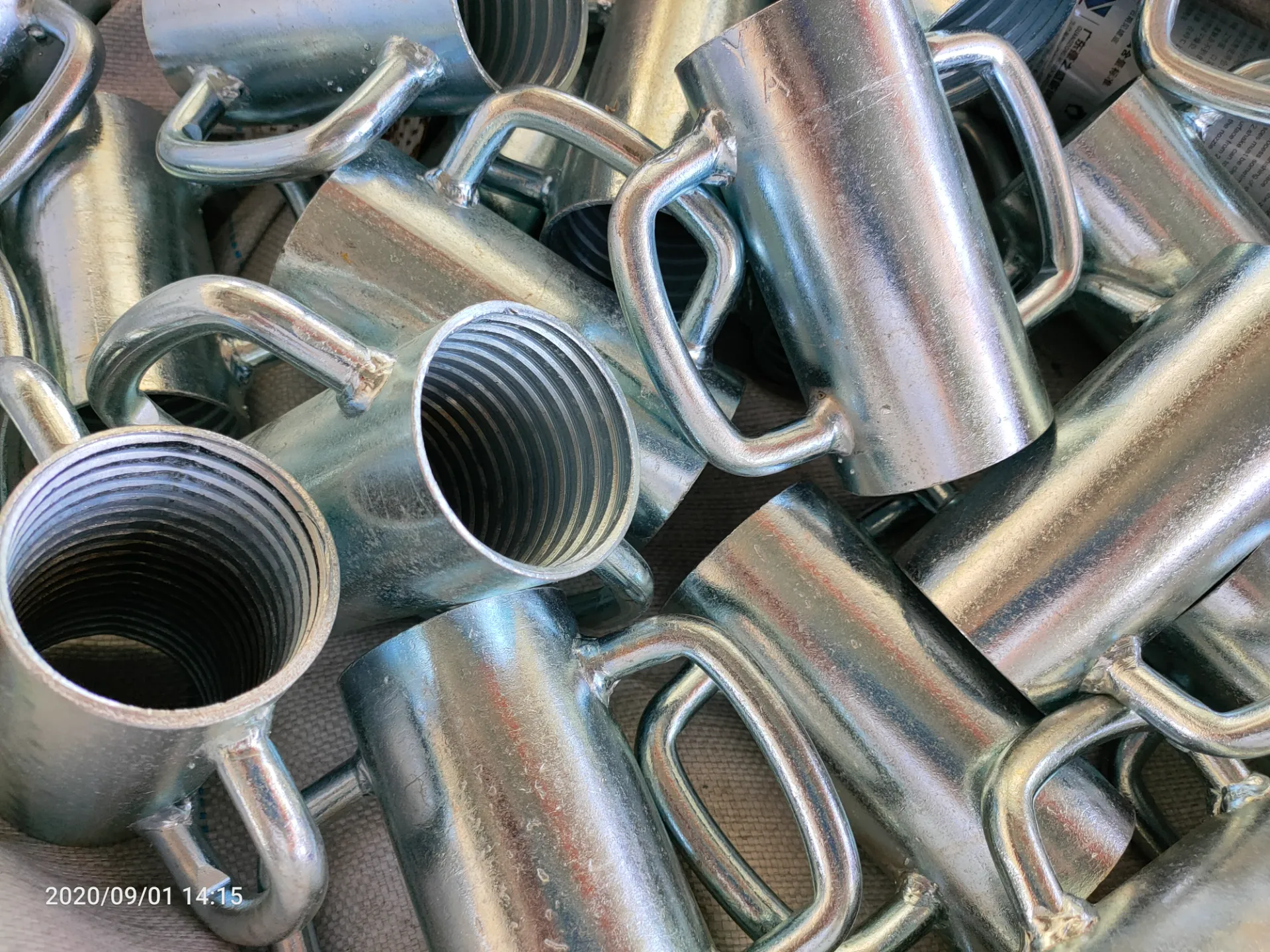
Light steel prop nuts are used in common scaffolding and formwork systems. Their reduced weight and size are compensated by the high density of scaffold elements, ensuring safety is maintained.
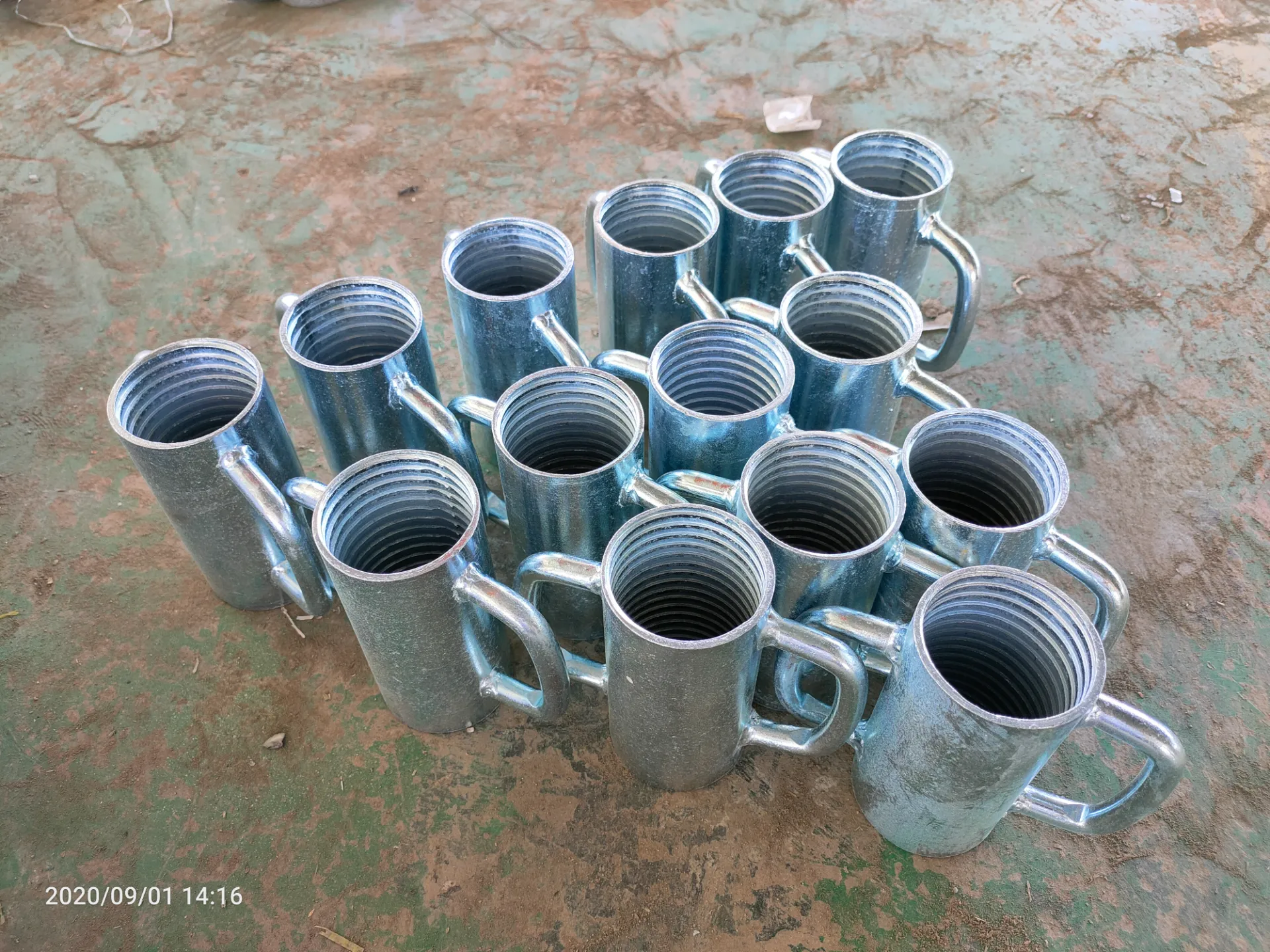
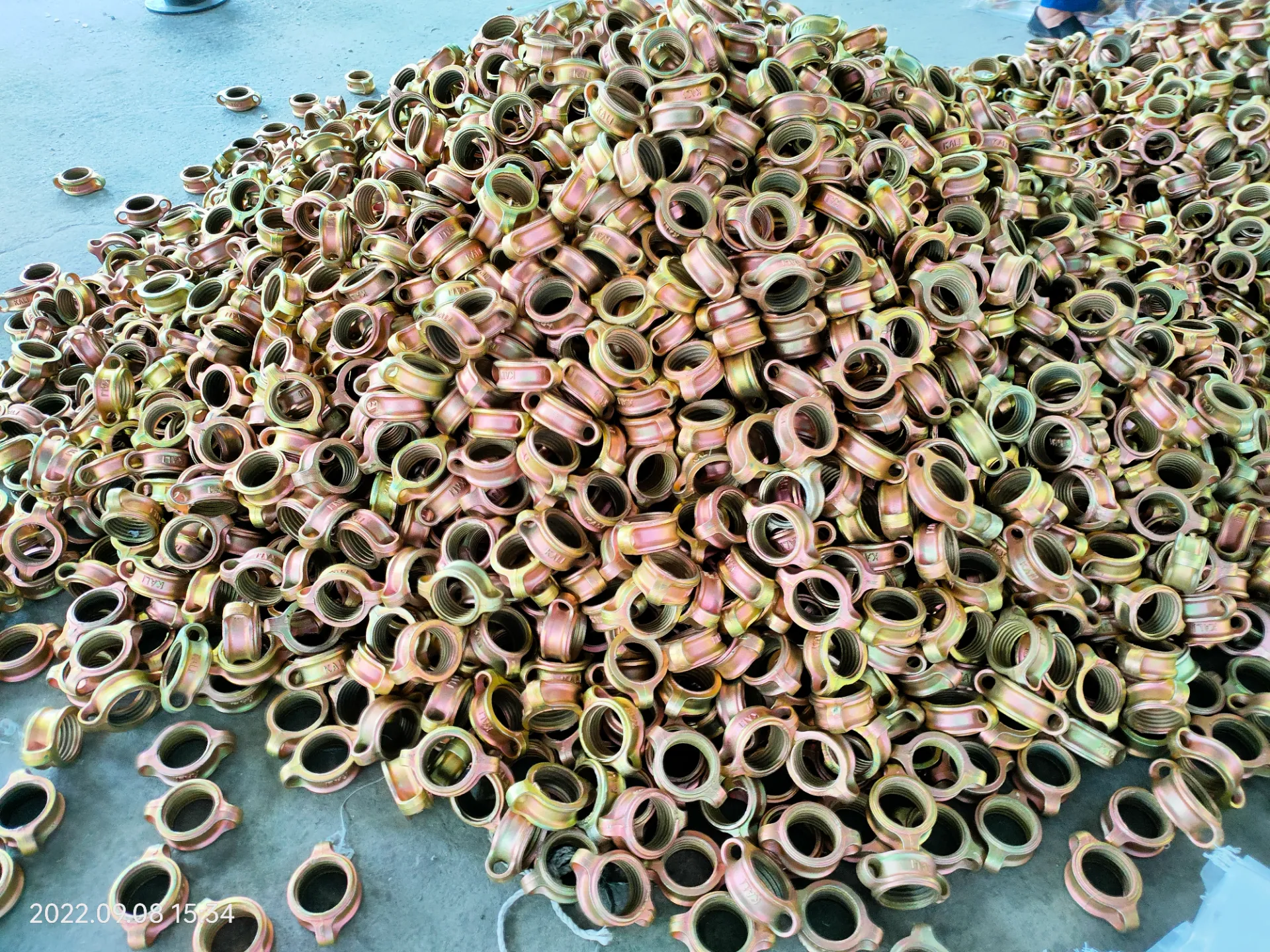
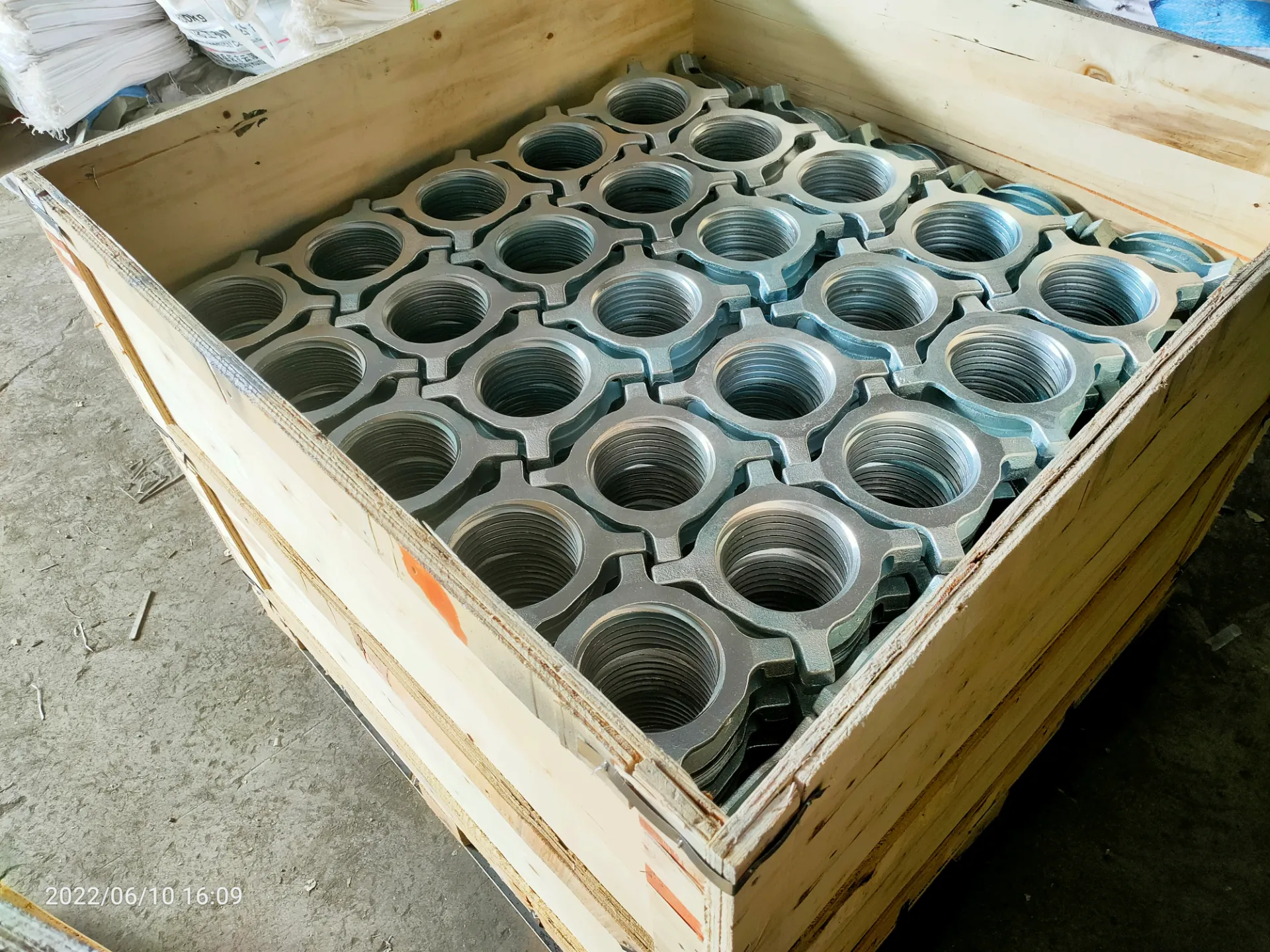
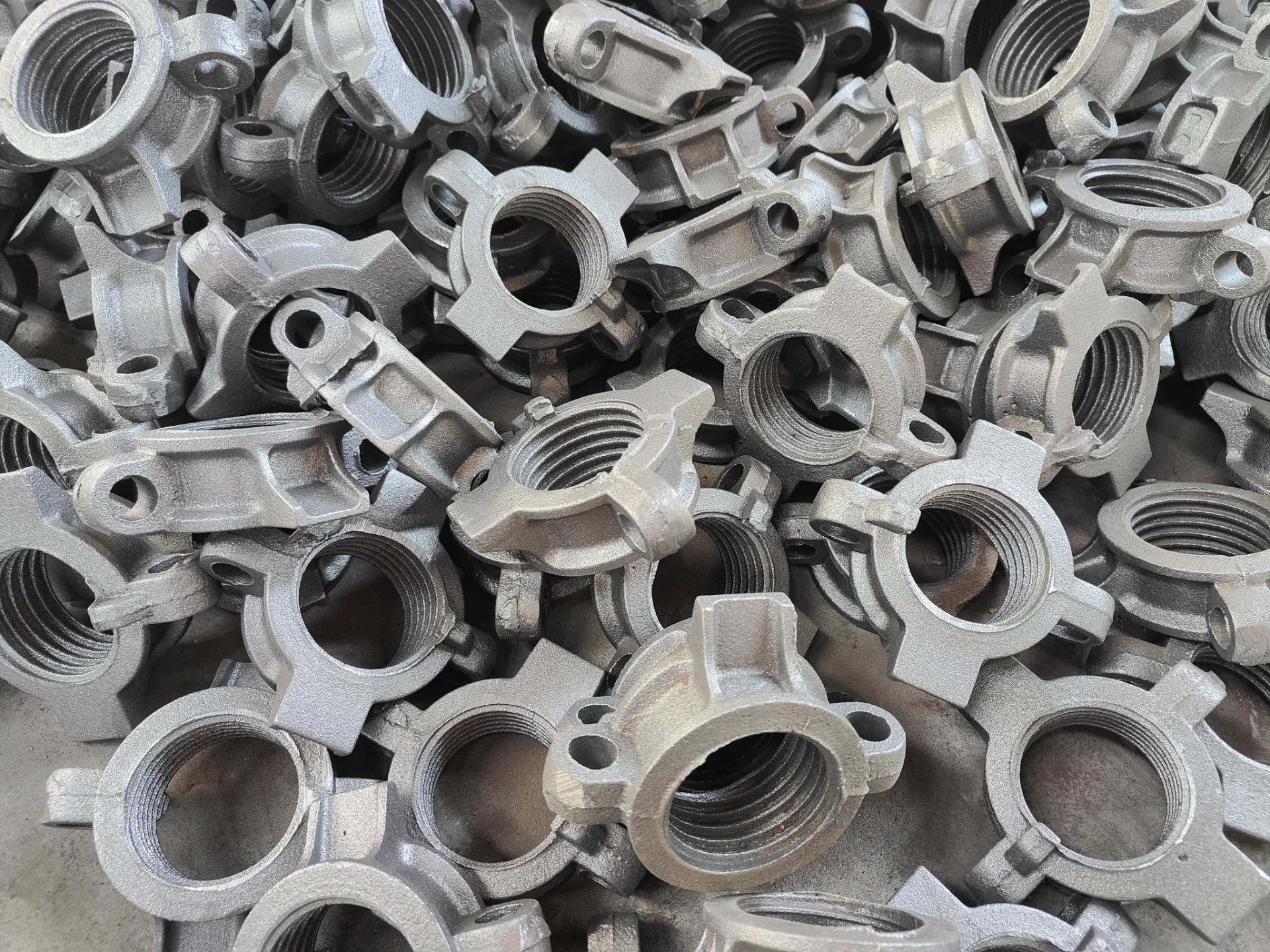
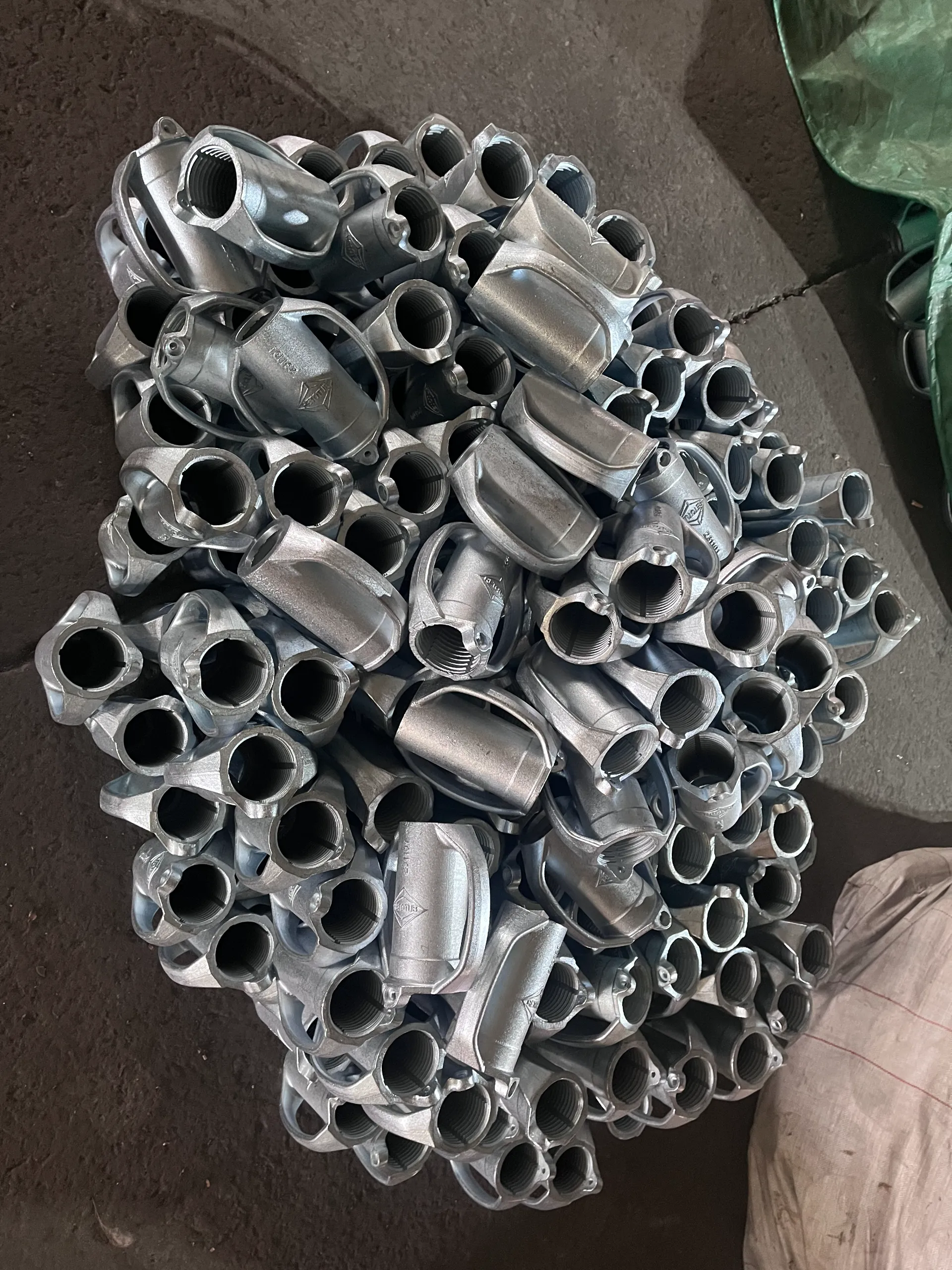
Steel props are widely used in construction to temporarily support formwork, slabs, and beams. However, their full functionality hinges on the prop nut, a critical component that enables both height adjustment and secure locking. Without a dependable prop nut, steel props would lose significant efficiency and safety.
The primary role of a prop nut is to allow height adjustment. Threaded onto the outer tube of the steel prop, it works with the inner tube and prop sleeve. Rotating the nut along the threaded section fine-tunes the prop height to meet structural requirements. This adjustability is essential for precise formwork alignment, especially on uneven terrain or when supporting slabs at varying elevations.
Beyond adjustment, the prop nut ensures stability and safety. Once tightened, it locks the prop firmly, preventing slippage under heavy loads. During concrete pouring, even minor support movement can compromise formwork and structural quality, making this locking mechanism critical.
High-quality prop nuts are engineered for durability and load capacity. They are typically made of ductile cast iron or forged steel, often with galvanization or surface treatment for corrosion resistance, ensuring they withstand immense pressure, weather exposure, and repeated use.
Prop nuts also boost on-site productivity. Their smooth threading allows quick height adjustments, reducing setup time and labor costs while accelerating project completion.
In summary, the prop nut is far more than an accessory—it is the core component that transforms steel props into safe, reliable, adjustable supports. By enabling precise height control and firm locking under load, it guarantees formwork stability and contributes to the safety and success of modern construction.
In scaffolding and formwork systems, both the prop nut and prop sleeve are essential but often confused. While they work together within the adjustable steel prop system, their functions are distinct and complementary. Understanding this difference helps builders and contractors choose equipment wisely and maintain safer job sites.
The prop nut is a heavy-duty threaded component that fits around the outer tube. Its primary function is to lock the prop in place and bear the load once height is set. Rotating the nut raises or lowers the inner tube, allowing precise height adjustment. When tightened, it keeps the prop stable under pressure.
The prop sleeve, in contrast, is a hollow threaded cylinder that serves as the adjustment guide. It provides the threaded surface for the nut to move along, enabling smooth height changes. The sleeve itself does not lock the prop or bear load directly; instead, it facilitates flexibility.
In simple terms, the prop nut secures and locks the position, while the prop sleeve enables adjustability and alignment. Without the nut, there is no stability; without the sleeve, smooth adjustment is impossible. Together, they form the essential adjustment system of a steel prop.
From a practical standpoint, recognizing this difference aids maintenance and replacement. Contractors must ensure both components are high-quality and compatible—a worn nut or damaged sleeve can compromise the entire support system.
In conclusion, while the prop nut and prop sleeve serve different roles, both are indispensable. The nut delivers strength and stability, while the sleeve ensures flexibility and smooth operation. Their combined functionality makes adjustable steel props reliable, versatile, and safe for modern construction.
The efficiency and safety of a formwork system depend not only on steel prop strength but also on the reliability of smaller components. Among these, the prop nut plays a vital role. Using high-quality prop nuts offers significant advantages beyond simple adjustability.
First, high-quality prop nuts ensure load-bearing safety. They lock props firmly and withstand the immense weight of fresh concrete, beams, and slabs. Inferior nuts made from poor materials may deform, crack, or slip under pressure, raising the risk of collapse. A strong, precision-engineered nut prevents such failures, protecting both workers and structures.
Second, they offer durability and reusability. Quality nuts are typically made of ductile cast iron or forged steel, often galvanized for rust and corrosion resistance. This allows them to endure repeated use across multiple projects without performance loss, providing long-term value.
Another key benefit is adjustment efficiency. High-quality prop nuts have well-machined threads for smooth, quick rotation. This speeds up height adjustment, saving labor time on busy sites and ensuring accurate formwork alignment. Precise adjustment also reduces concrete leveling errors, directly affecting the structural finish.
Additionally, investing in quality nuts lowers overall costs. Cheap nuts may require frequent replacement or cause failures that demand rework, while durable ones reduce downtime and maintenance expenses. They also boost worker confidence, knowing props will remain steady and reliable.
Finally, using high-quality prop nuts reflects professionalism. Contractors who prioritize safety and reliability earn client trust and build a strong reputation in the construction industry.
In conclusion, prop nuts are not minor accessories—they are vital safety and efficiency components of formwork systems. Quality nuts deliver strength, durability, ease of adjustment, and long-term cost savings, making them an essential investment for any construction project.