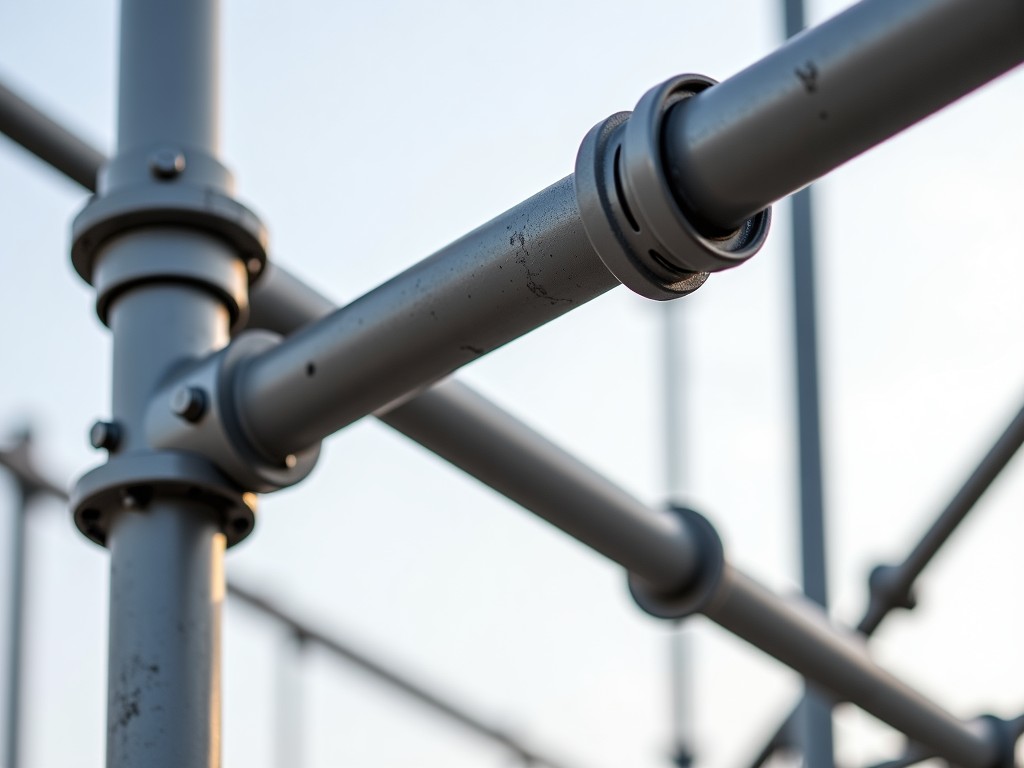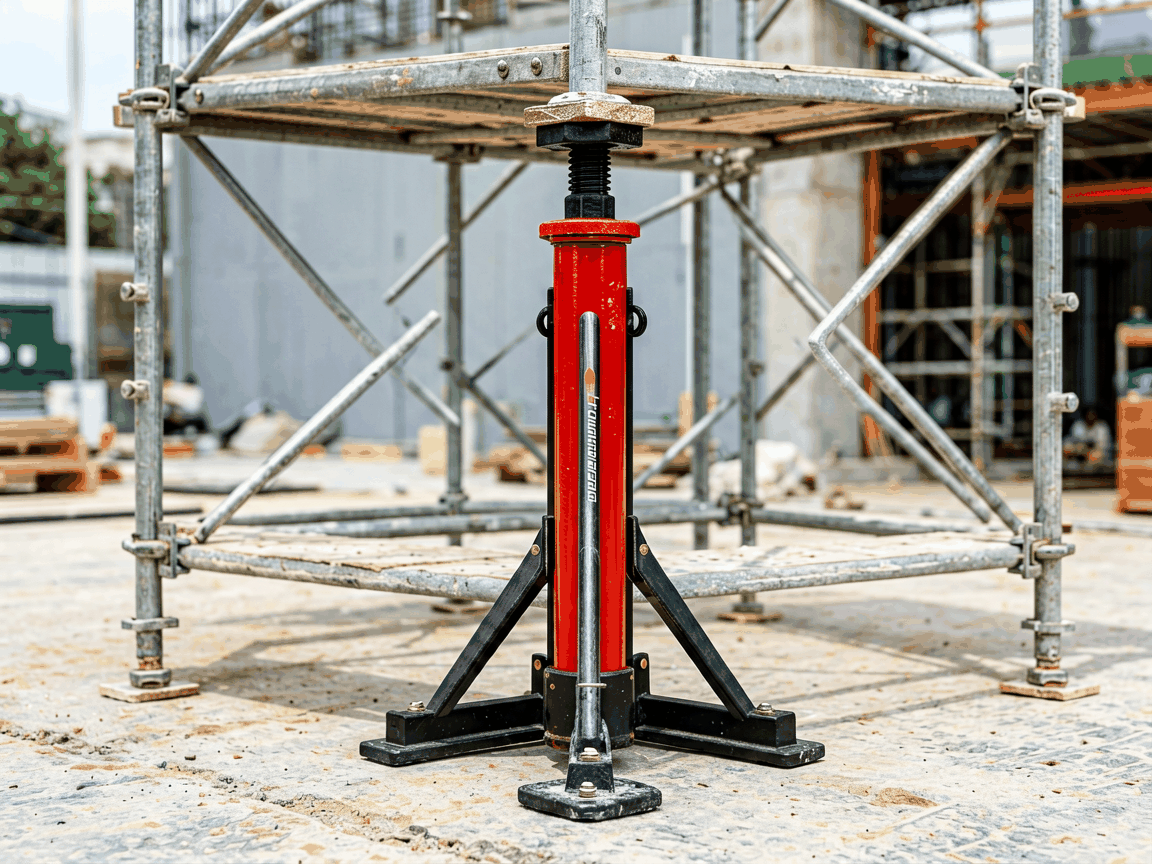
A scaffolding prop jack is a height-adjustable steel support used to transfer vertical loads from formwork, slabs, or structural elements to the ground or a stable substrate. Unlike fixed shoring, it allows precise load distribution and height compensation for uneven substrates or settlement during curing. Proper selection ensures structural safety, minimizes formwork deflection, and reduces the risk of premature stripping or collapse.
Prop jacks are rated by their safe working load (SWL), adjustment range, and thread mechanics. SWL typically ranges from 20 kN to 60 kN depending on tube diameter, wall thickness, and steel grade. Adjustment is achieved via a threaded collar and pin mechanism, allowing fine increments—usually 5 mm per revolution—critical for matching formwork elevations. The base plate distributes load over a minimum area to prevent soil punching or slab damage.
Tube materials are predominantly S235JR or S355JR carbon steel, chosen for yield strength and weldability. Surface treatment includes hot-dip galvanizing (minimum 55 µm zinc coating) or powder coating for corrosion resistance in humid or alkaline environments. Inner and outer tubes maintain concentricity to prevent binding under load; tolerances are held to ±0.5 mm to ensure smooth operation and consistent thread engagement.
The SWL assumes concentric axial loading with proper base and head plate contact. Eccentric loading reduces capacity significantly—often by 30–50%—and must be avoided through detailed shoring layout. Buckling resistance depends on the unsupported length; longer extensions require intermediate bracing or higher moment of inertia sections. Manufacturers provide load charts detailing SWL at various extensions, typically derating capacity beyond 70% of maximum extension.
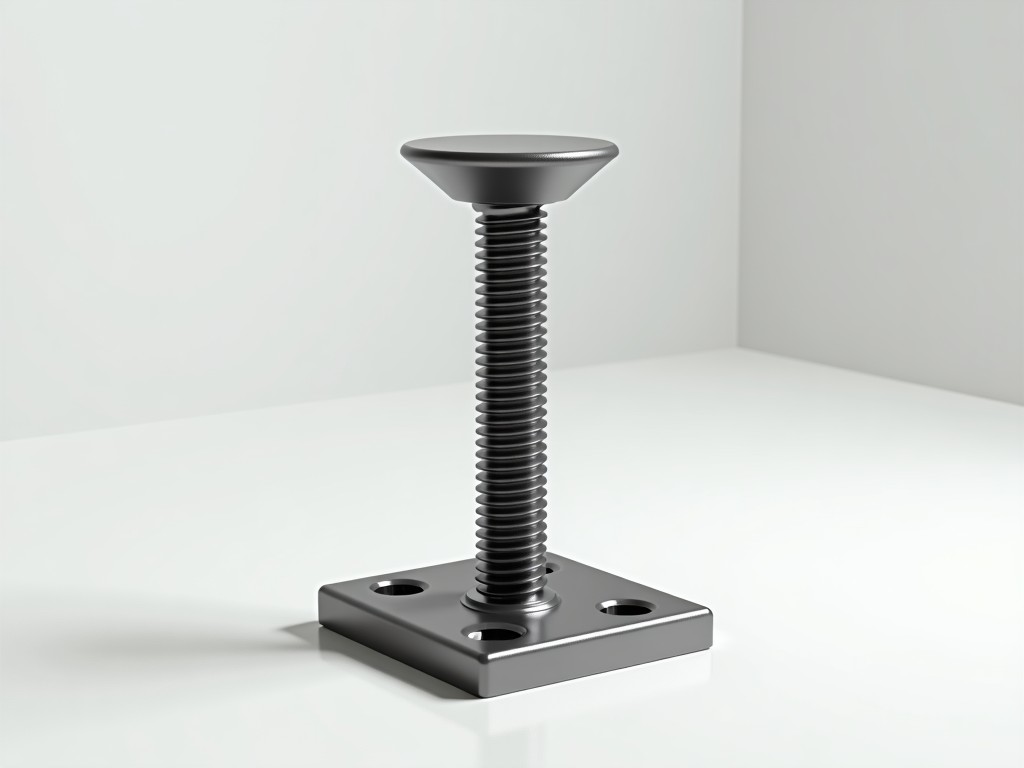
Base plates are sized to spread load; typical dimensions are 150x150 mm for soft soil and 100x100 mm for prepared substrates. Head plates feature a U-head or fork head to accommodate timber beams or steel walers, with welded lugs to prevent lateral slip. Pin diameter and hole spacing are standardized (commonly 16 mm pin, 90 mm hole centers) to ensure compatibility with standard formwork accessories.
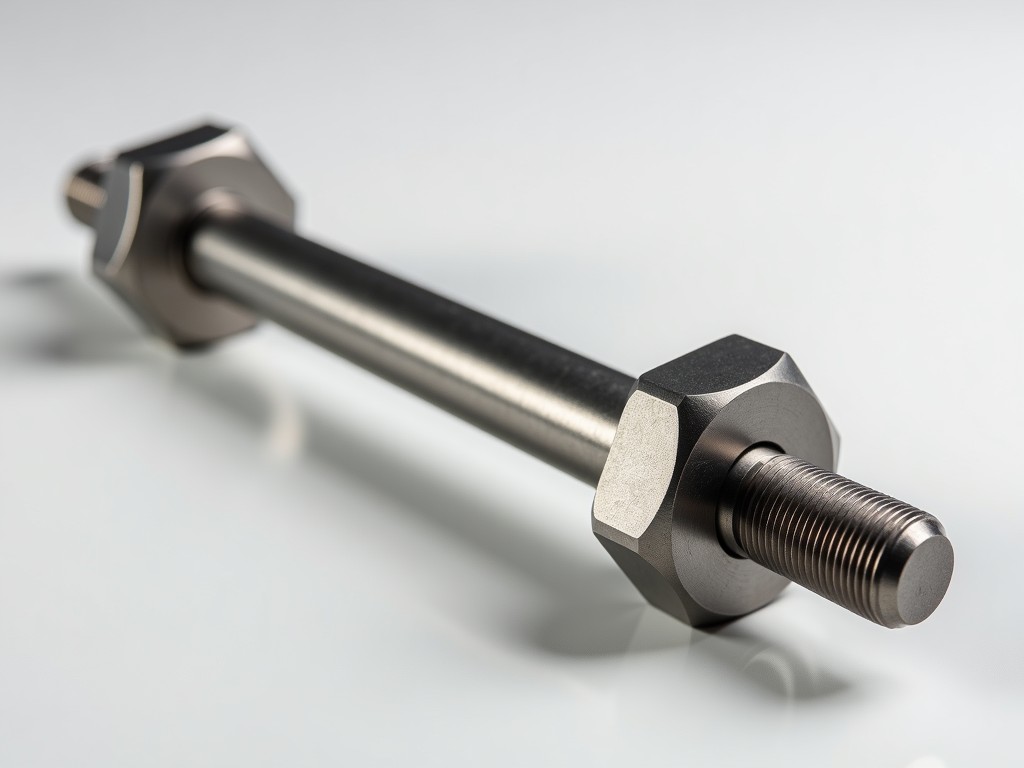
The acme-threaded collar provides self-locking under load, preventing creep or unintended descent. Thread pitch is selected to balance adjustment speed with holding力—commonly 4 mm or 5 mm pitch. A tommy bar hole in the collar allows manual torque application; typical torque to achieve rated load is 80–120 Nm, achievable with a standard 600 mm bar. Some models include a captive safety pin to prevent collar disengagement during adjustment.
Thread protection is critical; exposed threads are prone to concrete slurry accumulation, leading to galling or seizing. Designs often include a threaded sleeve or wiper ring to keep concrete out. Lubrication points are minimal—dry film lubricants are preferred to avoid attracting dust. Visual indicators, such as stamped extension marks or collared grooves, help workers verify engagement depth without measurement tools.
Steel grade selection impacts both load capacity and fatigue life. S355JR offers higher yield strength (355 MPa) than S235JR (235 MPa), allowing thinner walls for the same SWL or higher capacity in identical dimensions. However, higher strength steels may require more precise bending tolerances to avoid residual stress. Galvanization thickness is measured per EN ISO 1461; coating weight below 460 g/m² reduces service life in chloride-exposed environments.
Wear points include the thread interface, collar bearing surface, and pin holes. Hardened inserts or bushings in high-wear areas extend service life. Inner tubes may be chrome-plated or nitrided to reduce galling, particularly in rental equipment subject to frequent cycling. End closures (plastic or steel caps) prevent water ingress and internal corrosion during storage.
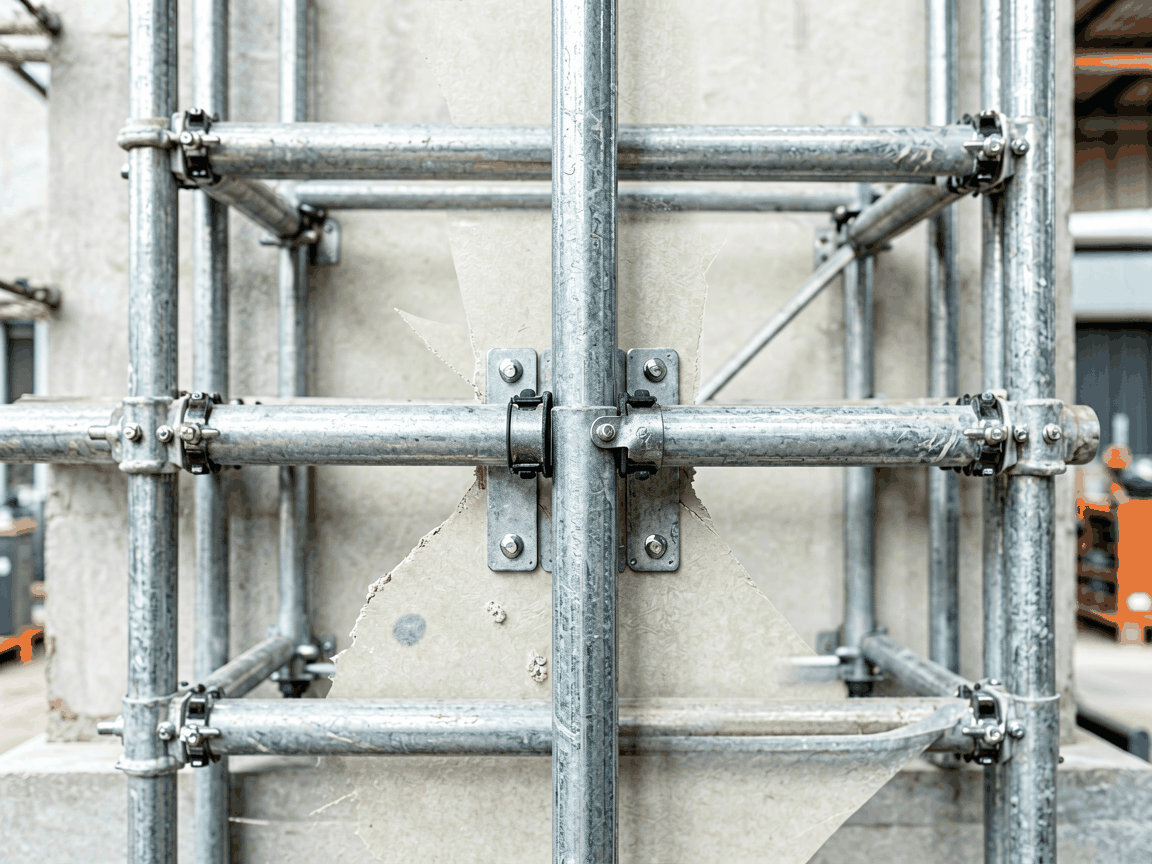
Prop jacks are indispensable in suspended slab formwork where shoring must accommodate varying soffit elevations due to beam camber or column tolerances. They allow contractors to level the formwork grid precisely, minimizing concrete thickness variations and avoiding over- or under-filling. In wall formwork, they resist lateral pressure from fresh concrete by transferring load vertically through strongbacks or walers to the ground.
During renovation or retrofit, prop jacks support existing slabs or beams while new columns or walls are constructed underneath. Their adjustability accommodates differential settlement or creep in aging structures. In tunnel or shaft construction, they support temporary linings or utility hangers where access is limited and load paths must be redirected vertically to shaft walls or invert slabs.
| Parameter | Light Duty (20–30 kN) | Heavy Duty (40–60 kN) |
|---|---|---|
| Outer Tube Diameter | 48 mm | 60 mm |
| Wall Thickness | 2.5 mm | 3.0–3.5 mm |
| Adjustment Range | 0.6–1.2 m | 1.0–2.0 m |
| Base Plate Size | 120x120 mm | 150x150 mm |
| Typical Use | Residential slabs, low-rise formwork | Commercial slabs, heavy wall formwork, shoring towers |
Manufacturing quality begins with material traceability—mill certificates for steel tubes and plates are retained for each batch. Dimensional checks include tube straightness (typically <0.5% deviation), thread pitch accuracy, and concentricity between inner and outer tubes. Welds on plates and lugs undergo visual inspection per EN ISO 5817; critical welds may be dye-penetrant tested to detect surface cracks.
Load testing validates SWL; samples are subjected to 1.5x rated load for a minimum of 3 minutes without permanent deformation exceeding 1% of thread diameter. Thread wear is assessed via torque-to-failure cycles after abrasive slurry exposure. Galvanizing coating thickness is measured magnetically at multiple points; adhesion is tested per ISO 2409. Final inspection includes function checks—smooth adjustment, secure locking, and pin engagement—before packaging.
While standard sizes cover most projects, customization addresses specific site constraints. Thread length can be extended for deeper formwork or reduced for compact storage. Base and head plates can be modified for odd-shaped substrates or specialized beam connections—such as triangular plates for precast node junctions or oval heads for curved walers. Steel grade upgrades to S690QL are available for high-capacity shoring towers where weight savings are critical.
Surface treatments beyond galvanizing include epoxy primers for acidic environments or duplex systems (galvanized + paint) for marine splash zones. Thread lubricants can be pre-applied for immediate use in cold climates. Marking options include laser-etched load ratings, barcodes for inventory tracking, or color-coded collars for quick identification of different SWL classes on large sites.
Prop jacks are typically bundled in loads of 25 or 50 units, secured with steel straps or plastic banding to prevent shifting during transit. Bundles are stacked on pallets (1000x1200 mm) with corner protectors and stretch film for warehouse handling. For export, fumigated wooden pallets or plastic alternatives comply with ISPM 15. Inner wrapping—such as polyethylene sleeves—protects threads from moisture and abrasion during long-haul transport.
Weight per unit ranges from 4.5 kg (light duty) to 8.0 kg (heavy duty), affecting container utilization. A standard 40 ft HQ container holds approximately 1800–2200 units depending on configuration. Documentation includes material certificates, test reports, and packing lists; CE marking or compliance with EN 1065 is available upon request for regulated markets.
Before each use, inspect for bent tubes, cracked welds, deformed plates, or thread damage. Straightness checks can be performed by rolling the tube on a flat surface; gaps >0.5 mm indicate bending. Threads should be clean, free of concrete buildup, and show no signs of galling or stripped threads. Collar rotation must be smooth without binding; any roughness indicates inadequate lubrication or corrosion.
Lubricate threads periodically with a dry film lubricant—avoid grease in dusty environments as it attracts abrasive particles. Check pin holes for elongation; replace if wear exceeds 10% of original diameter. Store vertically or horizontally on racks to prevent bending; avoid direct ground contact to minimize corrosion. Maintain a log of inspection dates and findings for rental fleets or long-term projects.