Types of Scaffolding Prop Pins
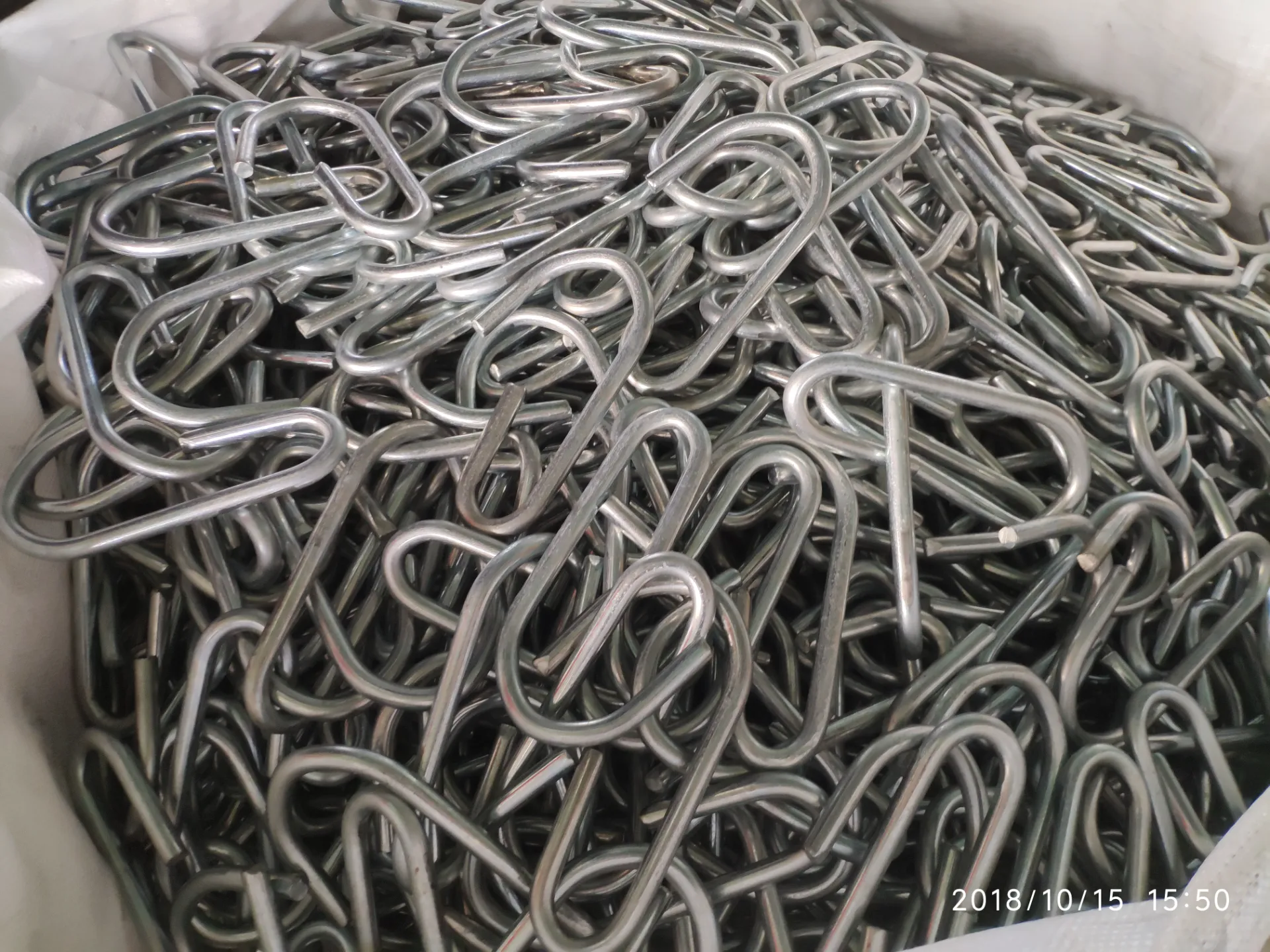
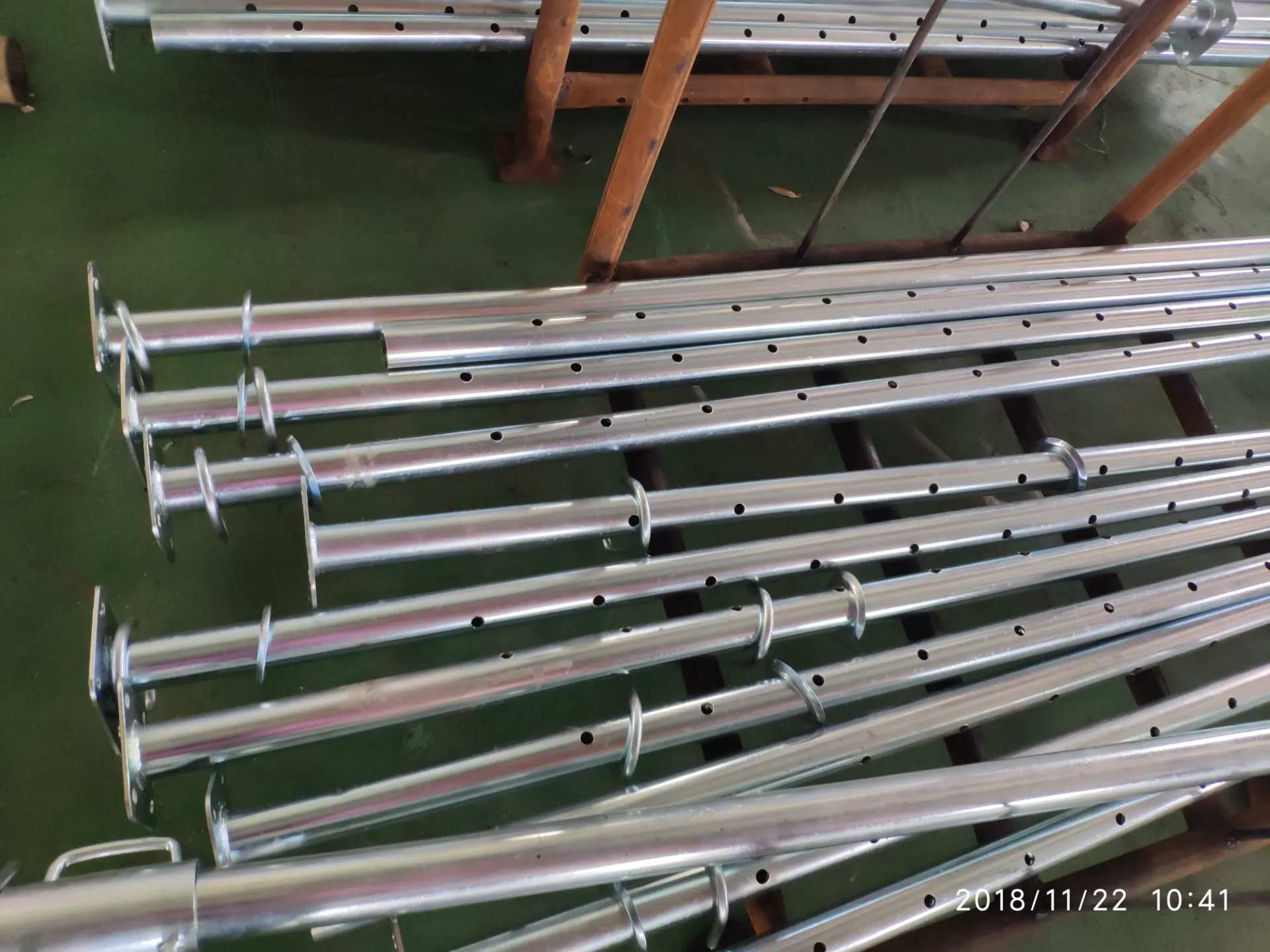
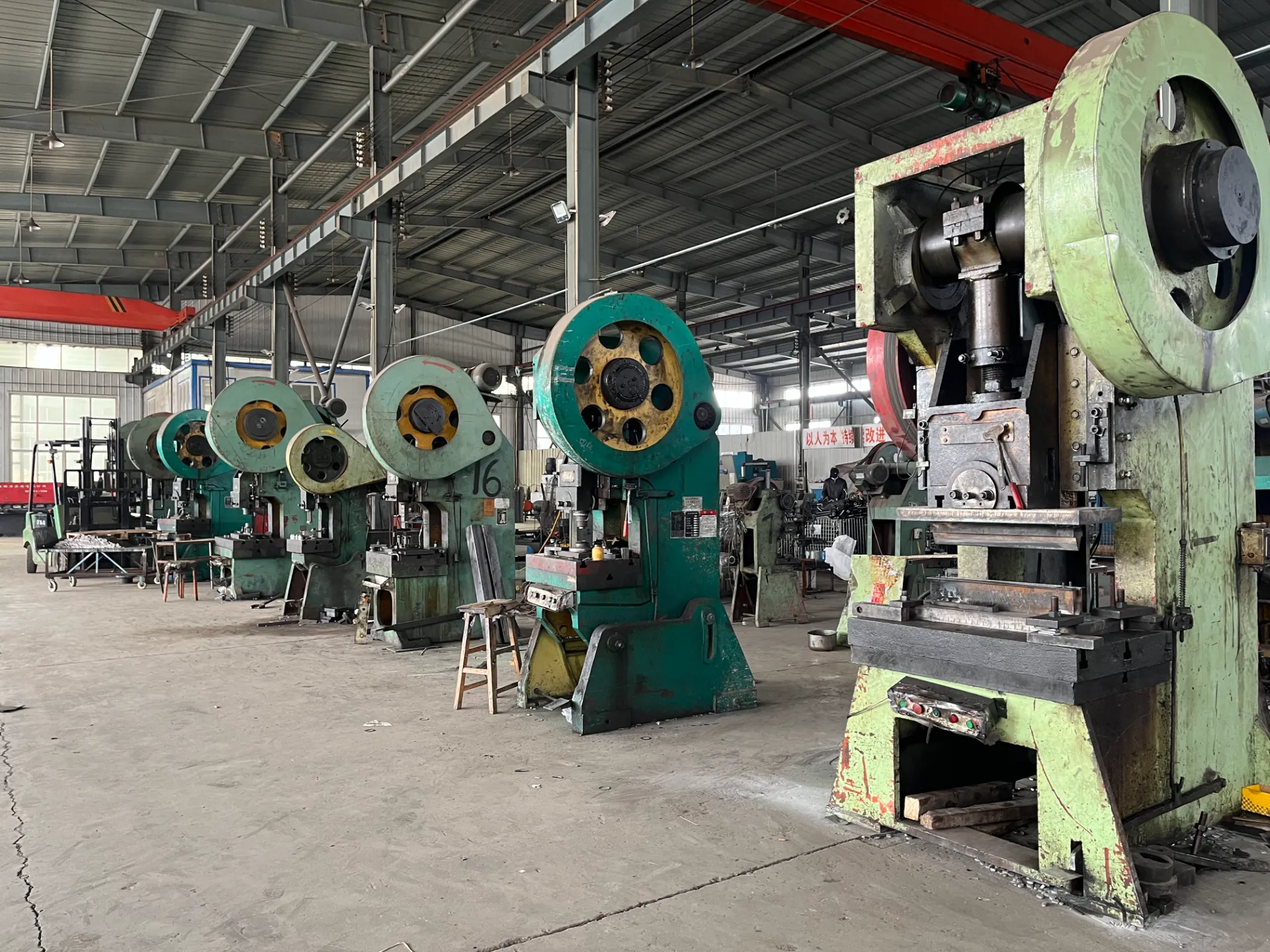
G Pin: This G-type scaffold locking pin is manufactured from round steel of varying diameters. It is cut, then stamped and molded using a stamping machine and custom die sets to achieve the specific size and angle required by the customer. The pin is designed to quickly and securely lock the height and level of steel scaffolding supports, and is a commonly used locking pin. Standard diameters are 12mm and 14mm, but they can be increased to 16mm for greater reliability and safety.
Chain Pin: Chain pins are used to secure scaffolding components together, often in conjunction with chain couplers. They are designed to provide a quick and secure connection.
Wire Pin: Wire pins, also known as binding wire or tie wire, are used to temporarily secure scaffolding components until more permanent connections can be made. They are flexible and can be easily bent and twisted into place.
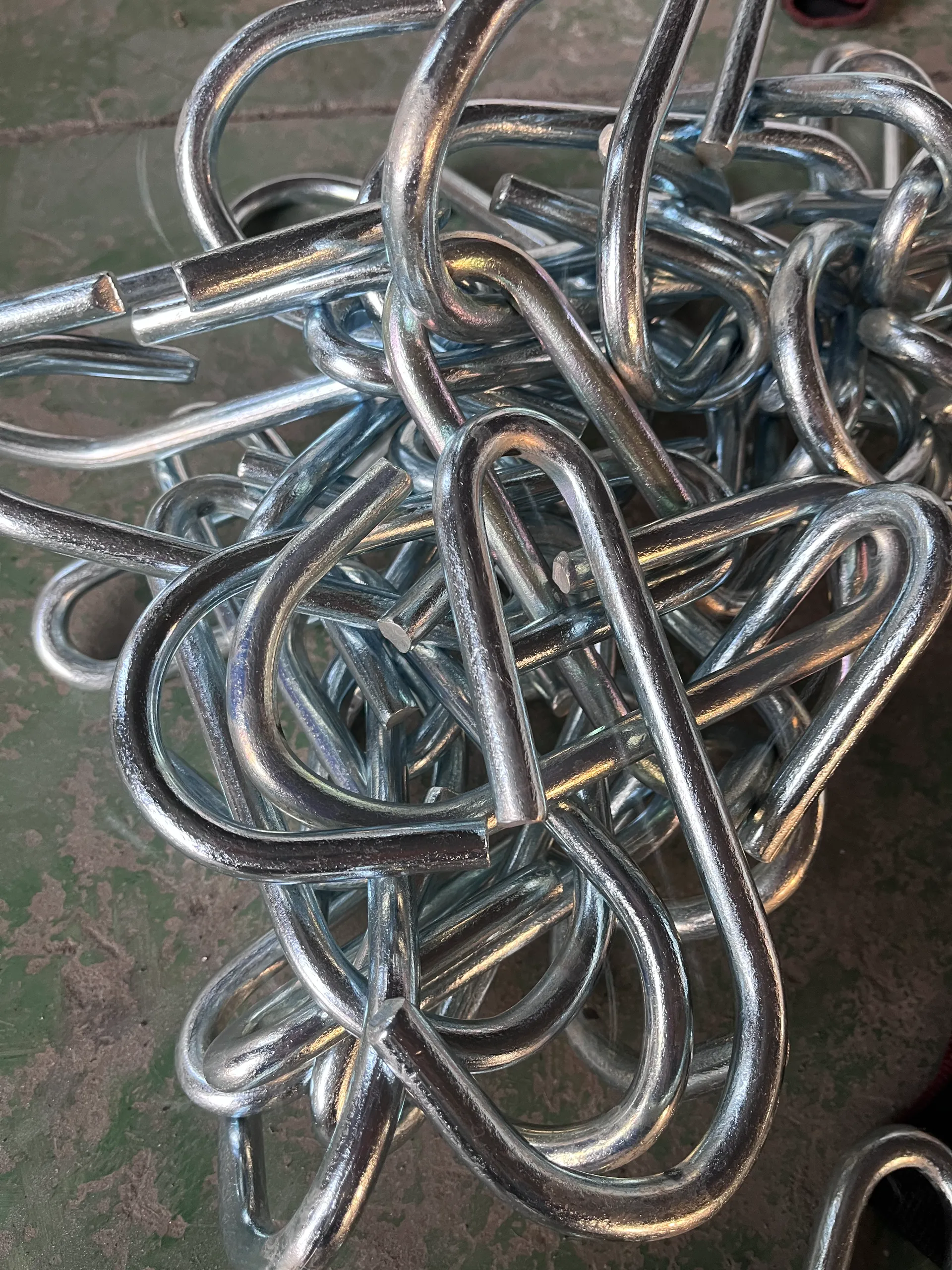
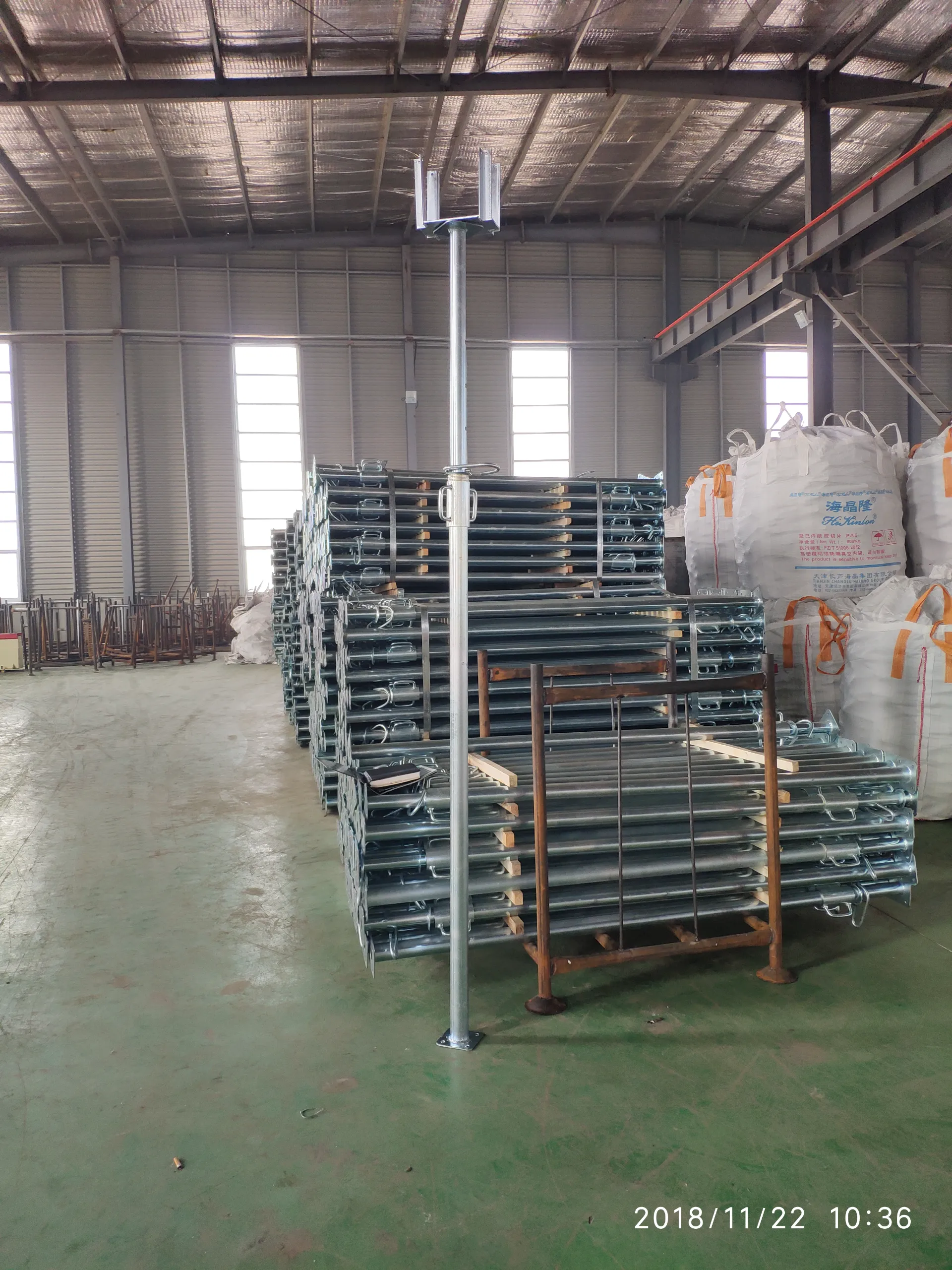
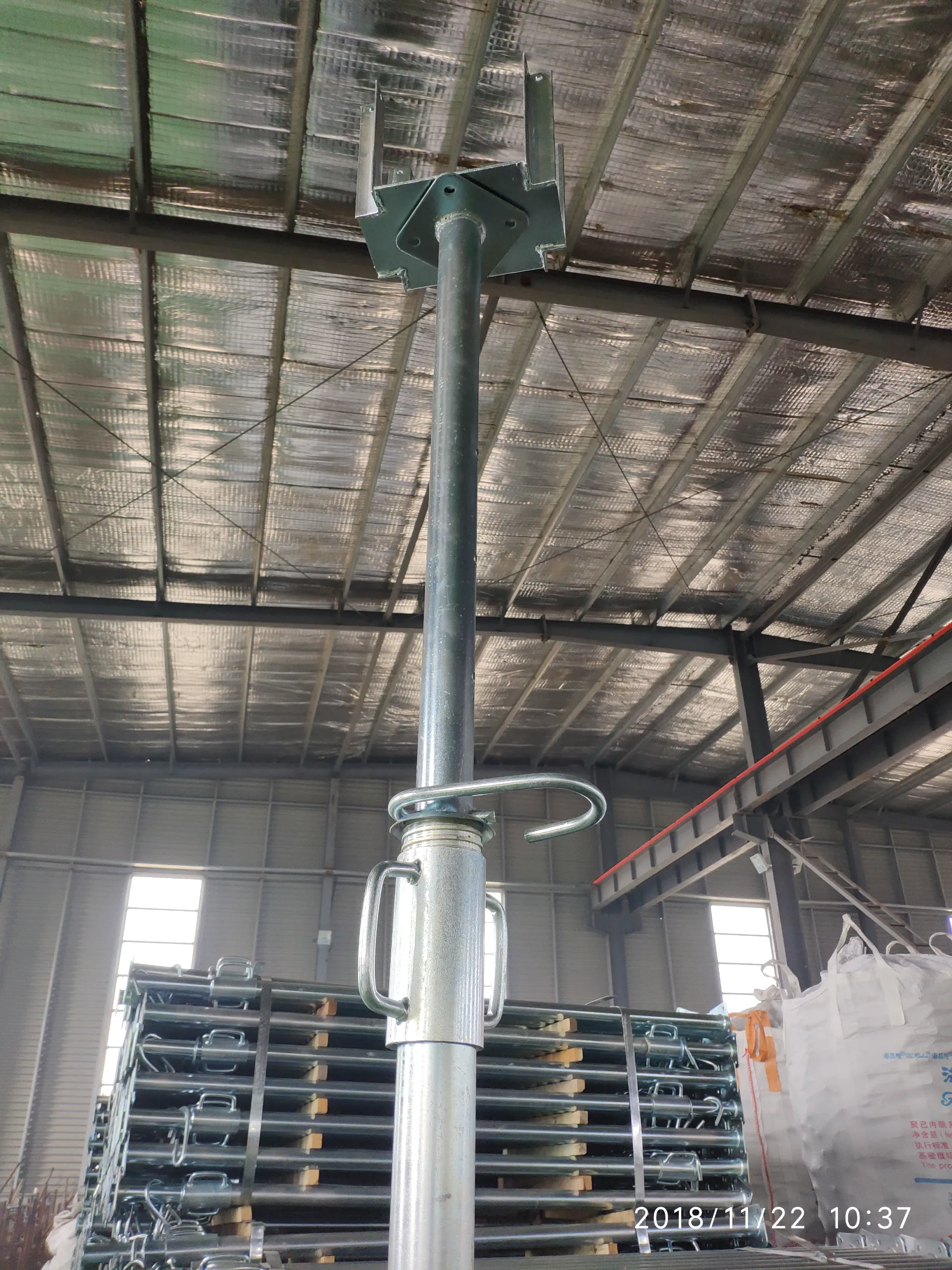
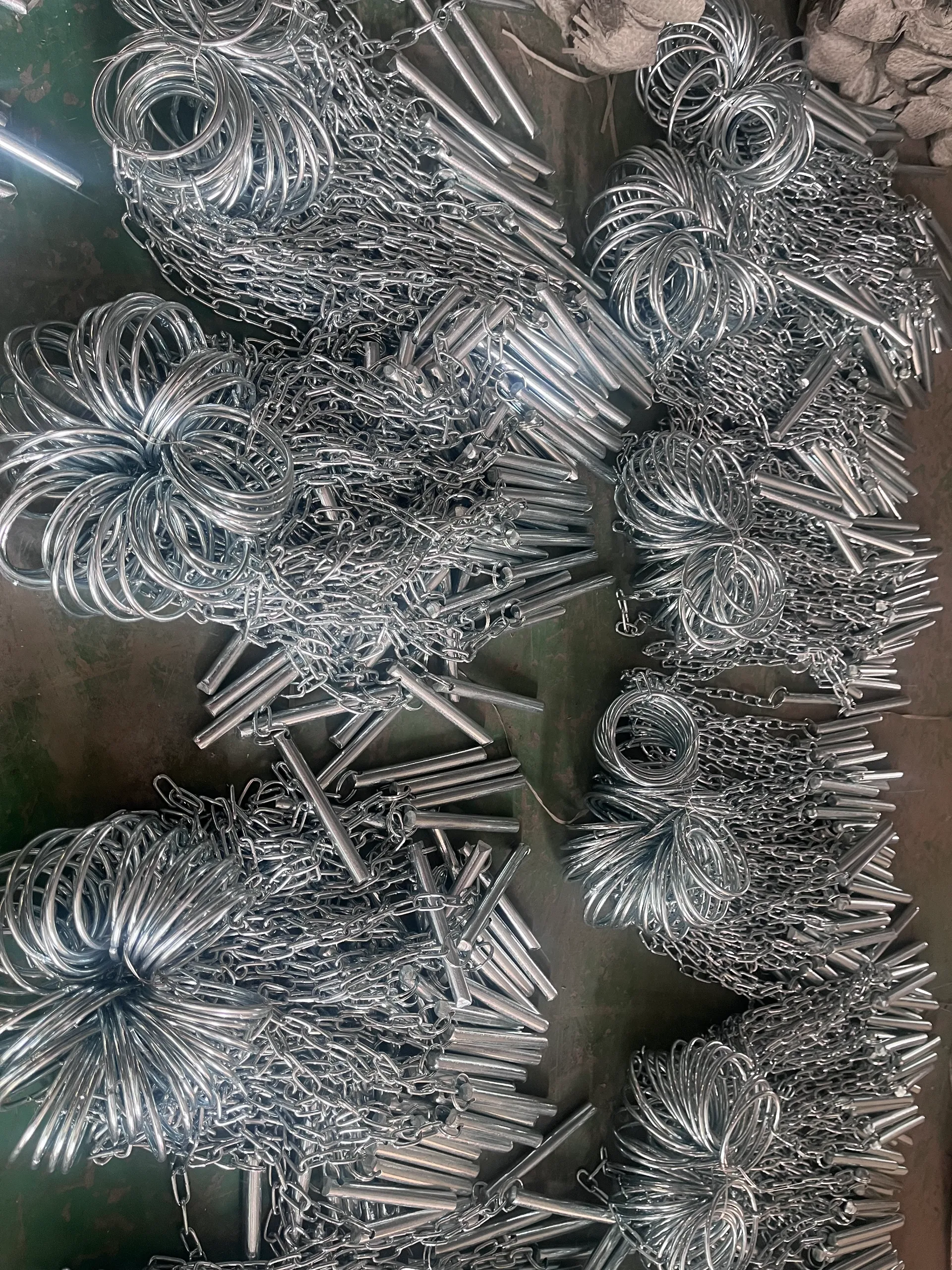
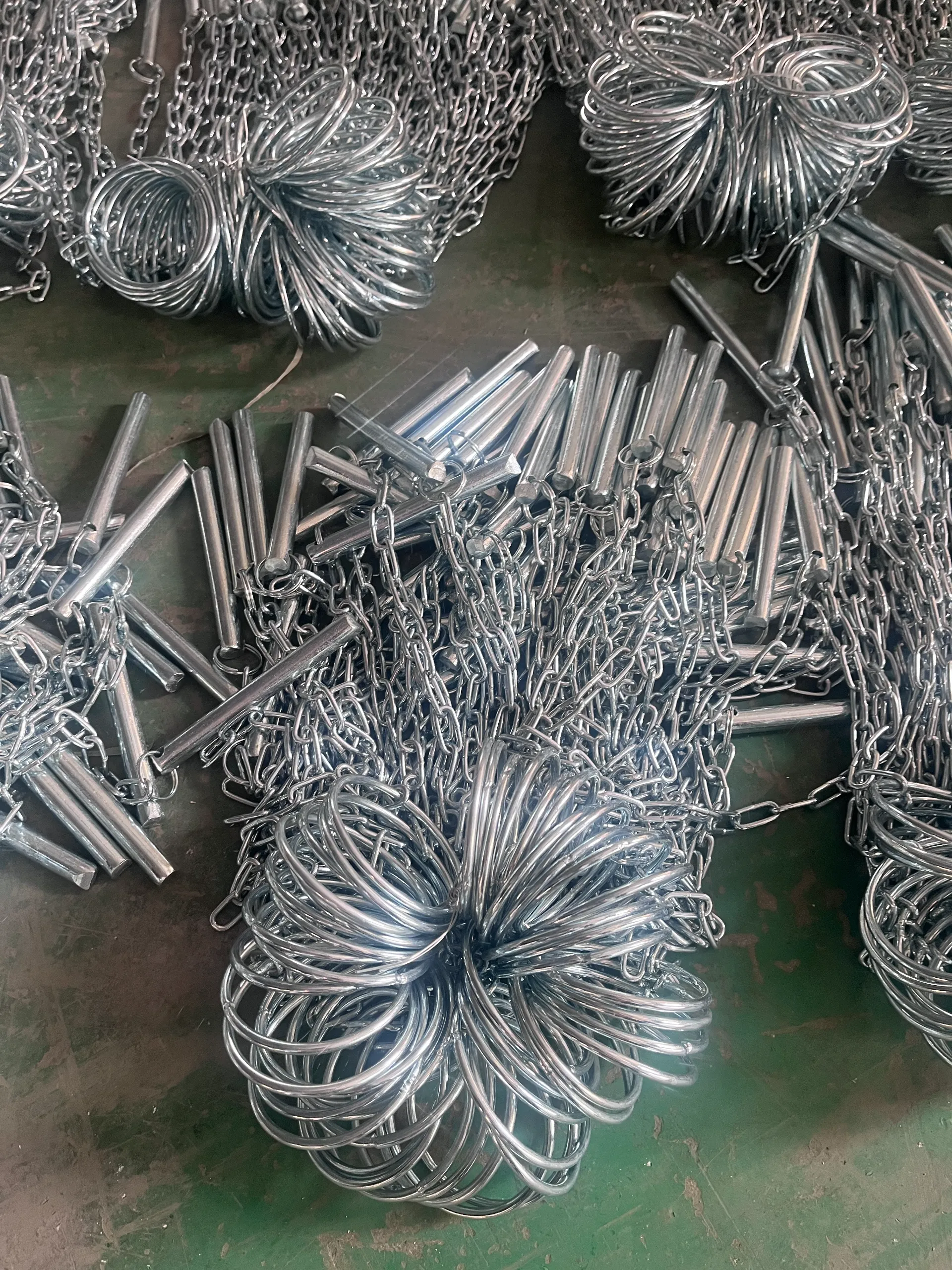
Scaffolding G Pins are crucial components in modular scaffolding systems such as Ringlock and Cuplock. They are designed to lock horizontal and diagonal members securely into vertical standards, ensuring the stability and safety of the structure. One important consideration when using G pins is their size, as it directly impacts compatibility and load-bearing performance.
Commonly, G pins are manufactured in diameters ranging from 16mm to 25mm and lengths from 90mm to 150mm, although specialized projects may require custom dimensions. The selection of pin size depends on several factors, including the type of scaffolding system, load requirements, and connection spacing. For example, heavier formwork applications or multi-story construction typically require larger-diameter pins with higher tensile strength to safely sustain increased weight.
The design of the G pin includes a spring-loaded locking mechanism or head that prevents accidental disengagement under load. Larger pins often have reinforced heads and thicker shafts, providing better resistance against bending and shear forces. These features make them suitable for high-rise buildings, bridges, and industrial construction projects where safety is paramount.
The versatility of G pins allows them to be used in a wide range of applications. In addition to standard scaffolding connections, they are also commonly employed in temporary support structures, platforms, and shoring systems. The right pin size ensures proper fit, smooth installation, and secure locking, minimizing the risk of joint failure during work.
Proper selection and usage of G pins also facilitate efficient assembly and disassembly of scaffolding systems. By matching the pin size to the standard and ledger dimensions, contractors can reduce installation time and prevent damage to the components.
In conclusion, understanding the common sizes and applications of G pins is essential for ensuring the safety, reliability, and efficiency of scaffolding systems. Choosing the correct diameter and length not only enhances load-bearing capacity but also improves overall structural integrity and project productivity.
In modern construction, safety and efficiency are key priorities, and high-quality scaffolding G pins play a crucial role in achieving both. While G pins may appear as simple connectors, their performance directly affects the stability of the entire scaffolding system. Using inferior or low-grade pins can compromise structural integrity and increase the risk of accidents.
One primary benefit of high-quality G pins is enhanced load-bearing capacity. Premium pins are manufactured from high-strength steel with precise tolerances and heat treatment processes. This ensures they can withstand significant shear and tensile forces without bending or breaking, even under heavy scaffolding loads. This feature is particularly critical in large-scale projects, high-rise buildings, and industrial construction.
Durability is another advantage. High-quality G pins are often galvanized or coated, providing resistance against corrosion, rust, and environmental wear. In outdoor construction or coastal projects, corrosion resistance significantly extends the service life of the pins and reduces maintenance costs. This ensures that scaffolding components can be reused across multiple projects without compromising safety.
Using superior G pins also enhances installation efficiency and safety. Precisely engineered pins fit seamlessly into scaffolding joints, allowing for quick and secure connections. Spring-loaded or head-lock designs prevent accidental disengagement, reducing the likelihood of scaffolding collapse during work. Additionally, their smooth threading or tolerances make disassembly easier and faster, saving valuable labor hours.
High-quality G pins also support structural reliability and worker confidence. When contractors know that the scaffolding is secured with strong, reliable connectors, they can operate more efficiently and safely. Over time, this contributes to fewer site incidents, smoother workflow, and improved project timelines.
In summary, investing in high-quality scaffolding G pins ensures enhanced load-bearing strength, durability, safety, and efficiency. They are essential components for reliable scaffolding systems, providing the performance and longevity needed for demanding construction environments.
Both G pins and wedge pins are widely used in scaffolding systems, but they serve different purposes and are applied in distinct scenarios. Understanding these differences is essential for contractors seeking optimal safety and efficiency on construction sites.
A scaffolding G pin is a spring-loaded or locking pin designed to secure horizontal ledgers, braces, or beams to vertical standards. Its design allows for quick insertion and ensures that once engaged, the joint remains stable under heavy loads. G pins are often used in Ringlock and modular systems, where repetitive assembly and disassembly are required. They provide precise alignment and a secure connection while enabling flexibility for height adjustments.
In contrast, a wedge pin is typically a tapered metal component used to lock scaffolding parts by creating friction between the wedge and a slot or collar. Wedge pins are commonly used in Cuplock systems, where horizontal members are secured by a combination of wedges and cups. Unlike G pins, wedge pins rely on compression for locking rather than a spring mechanism. They are highly effective in high-load scenarios and provide strong shear resistance, but installation may require more effort compared to G pins.
Another difference lies in reusability and ease of assembly. G pins are designed for frequent removal and reuse, making them ideal for projects that require mobility and modularity. Wedge pins, while strong, can experience wear over repeated insertions, and may require replacement after extensive use.
Applications also differ. G pins are excellent for platforms, formwork support, and adjustable props, where quick adjustments and secure locking are needed. Wedge pins excel in permanent or semi-permanent scaffolding setups, especially in heavy-duty construction with high lateral loads.
In conclusion, choosing between a G pin and a wedge pin depends on the scaffolding system type, load requirements, and operational flexibility. G pins provide quick, reusable, and adjustable connections, while wedge pins offer robust friction-based locking for heavy-load applications. Both play essential roles in modern construction scaffolding.