Applications in Construction
Applications in Construction
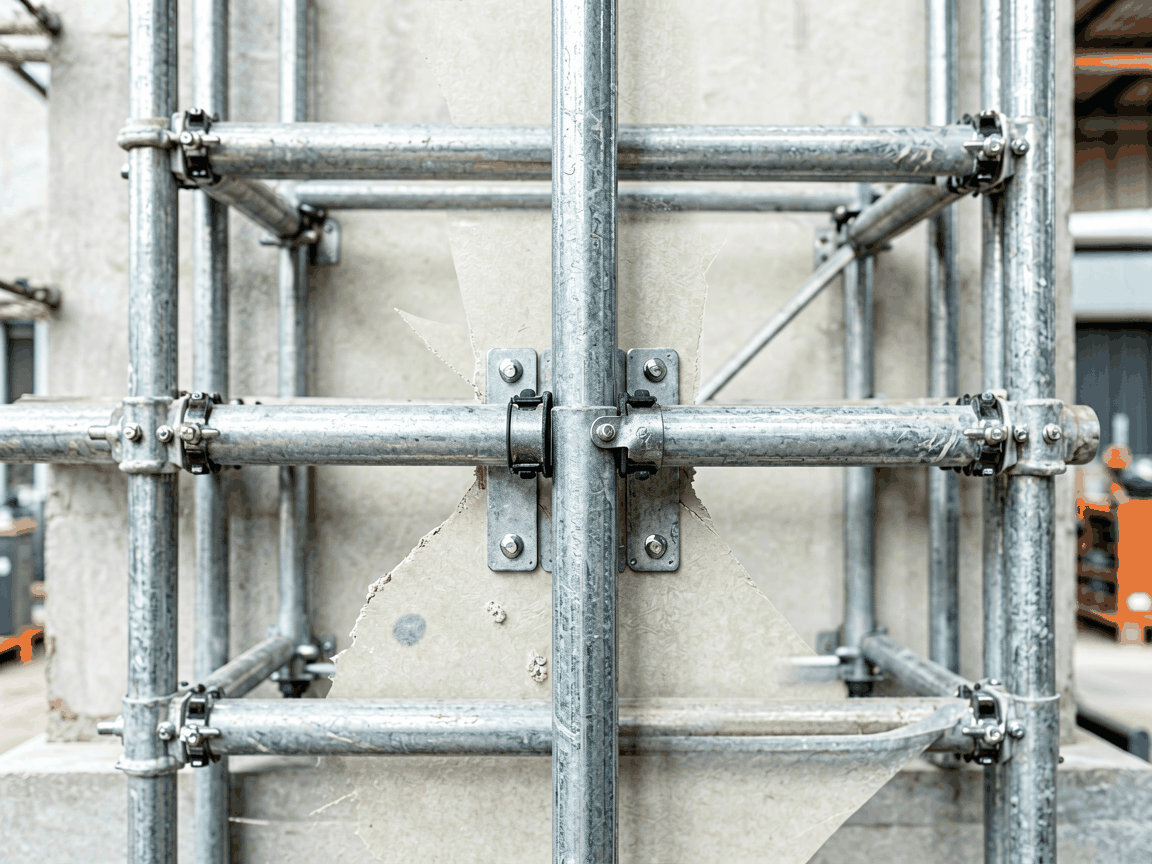
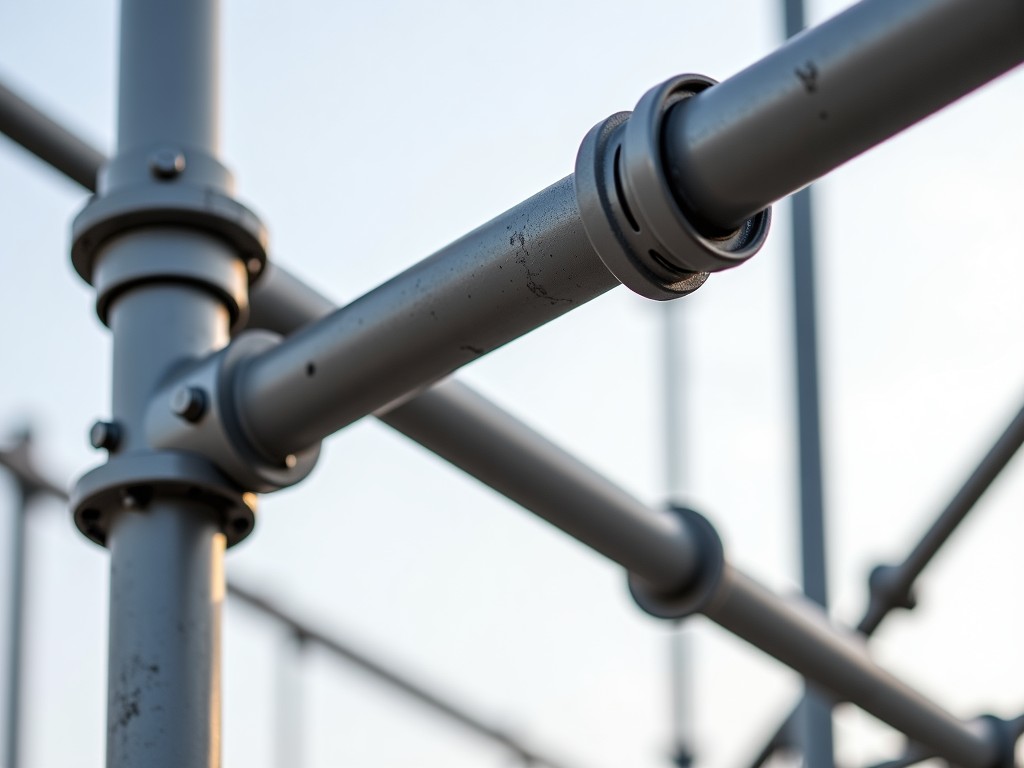
Scaffold couplers come in various types, each designed for specific tasks and offering distinct advantages. WRK focuses on three primary types: pressed couplers, casting couplers, and forged couplers. Understanding their differences helps you choose the optimal solution for your scaffolding system.
Select the coupler type that best fits your project requirements, balancing load capacity, durability, and budget.
|
Product Name
|
Photo
|
Pipe Size
|
Weight
|
Surface
|
Packages
|
|
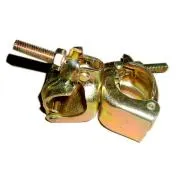
Pressed Double Coupler
|
|
48.3*48.3mm
|
0.56kg
|
Zinc
|
Boxes/Pallet
|
|
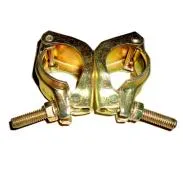
Pressed Swivel Coupler
|
|
48.3*48.3mm
|
0.56kg
|
Zinc
|
Boxes/Pallet
|
|
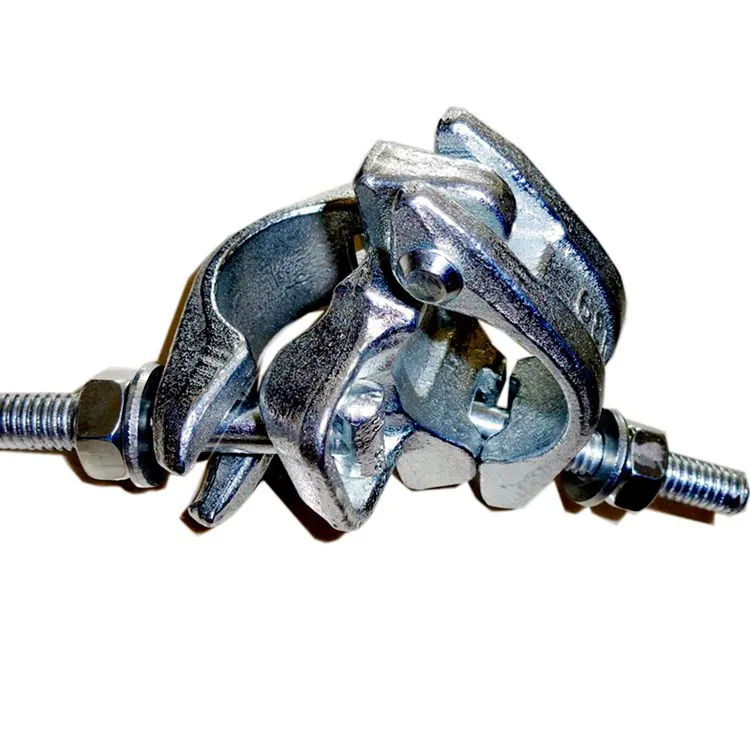
Forged Double Coupler
|
|
48.3*48.3mm
|
0.98-1kg
|
Zinc
|
Bags/Pallet
|
|
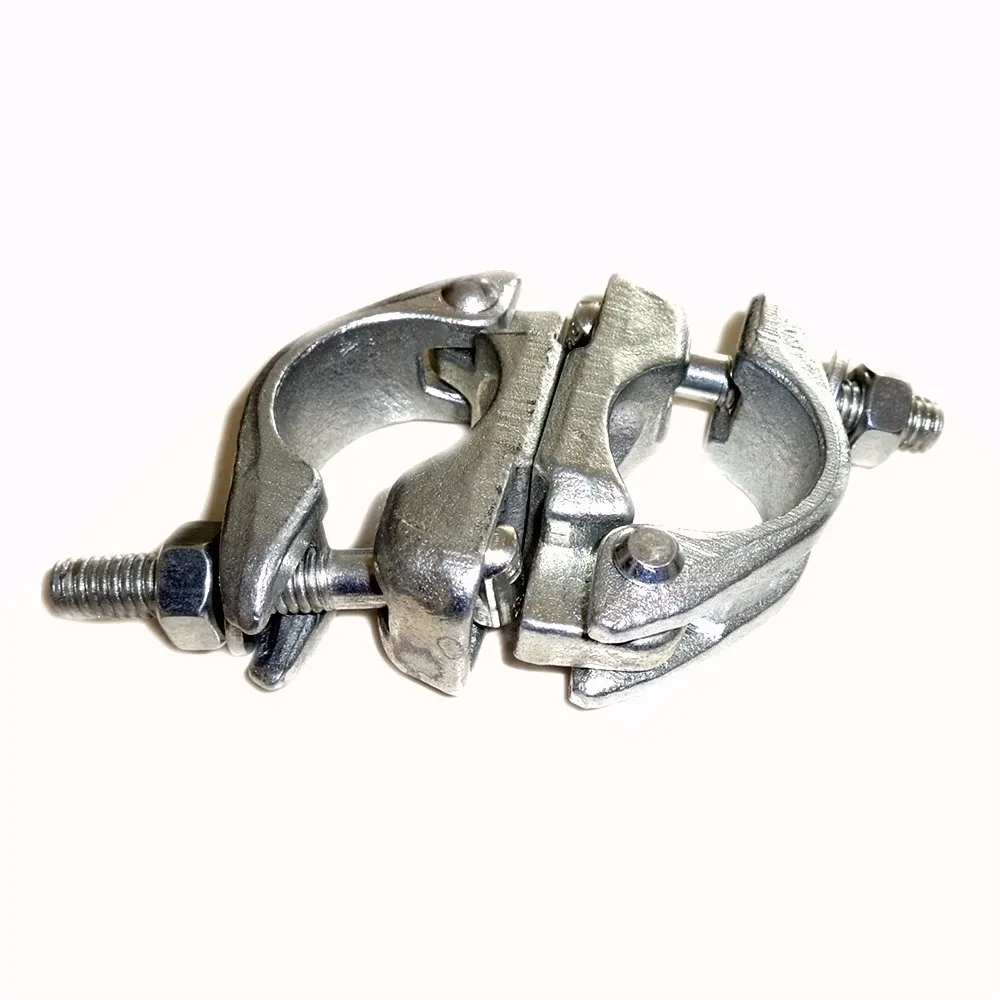
Forged Swivel Coupler
|
|
48.3*48.3mm
|
1.13-1.15kg
|
Zinc
|
Bags/Pallet
|
|
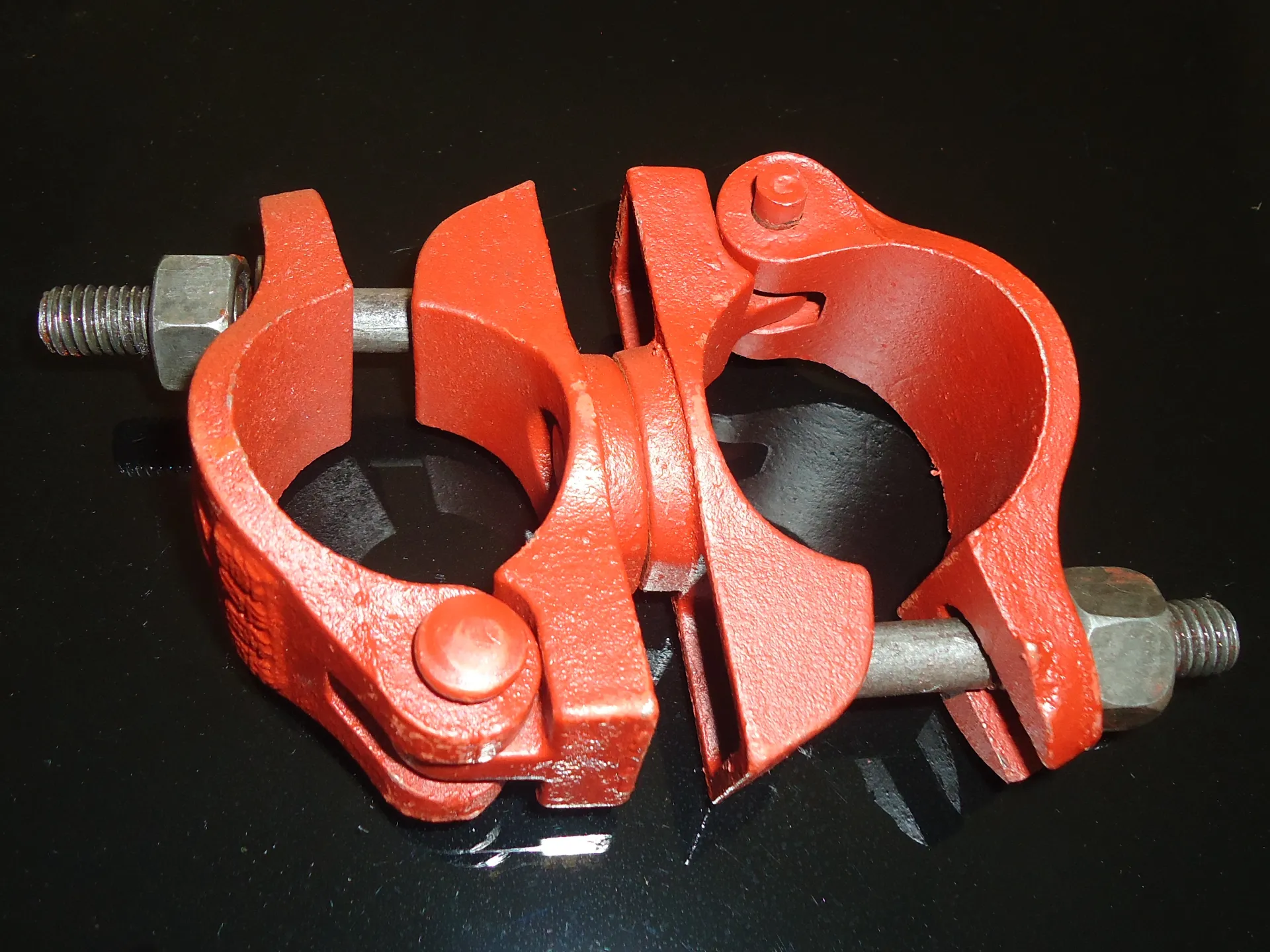
Casting Double Coupler
|
|
48.3*48.3mm
|
0.8kg
|
Painting
|
Bags/Pallet
|
|
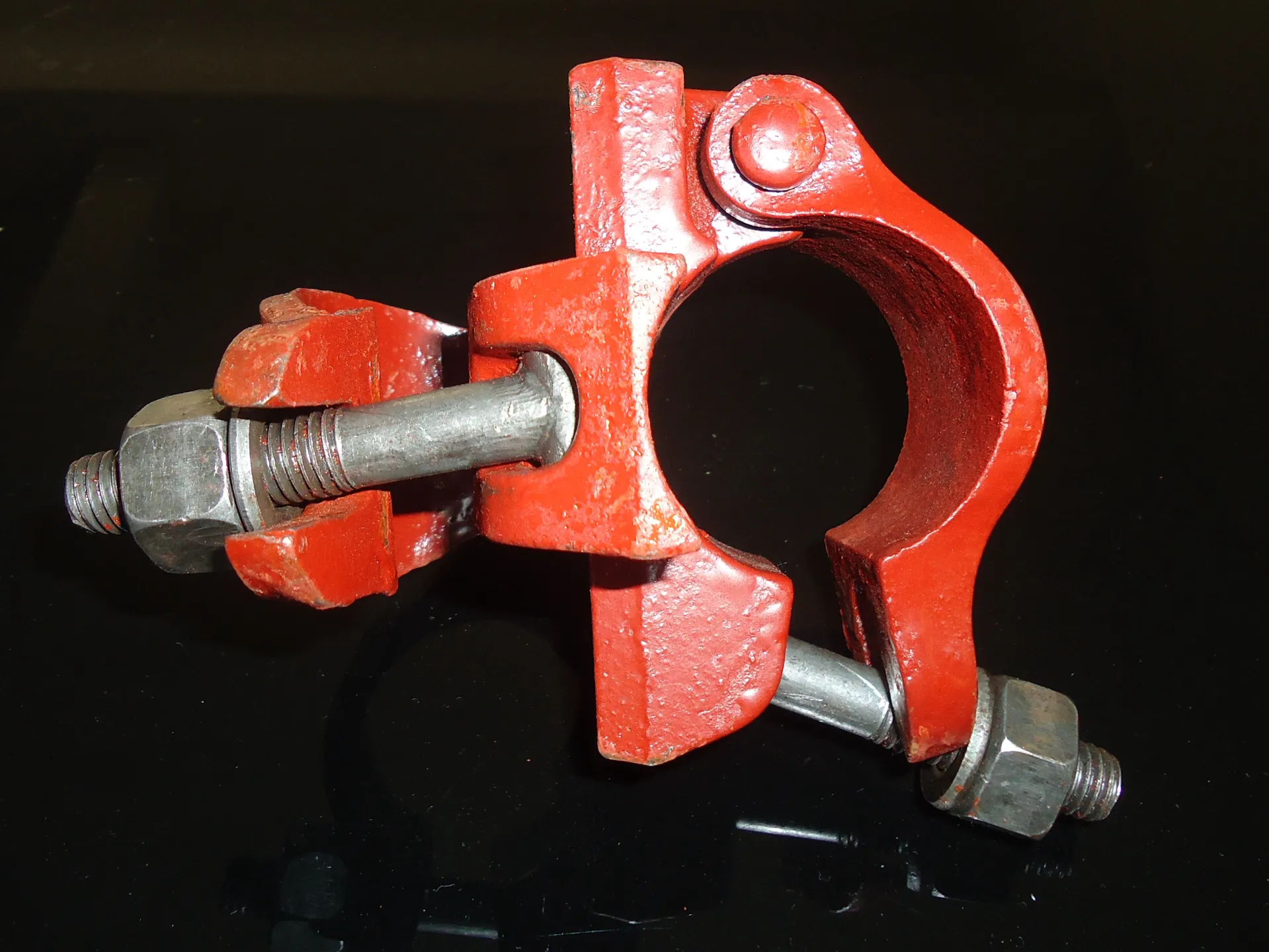
Casting Swivel Coupler
|
|
48.3*48.3mm
|
0.8kg
|
Painting
|
Bags/Pallet
|
|
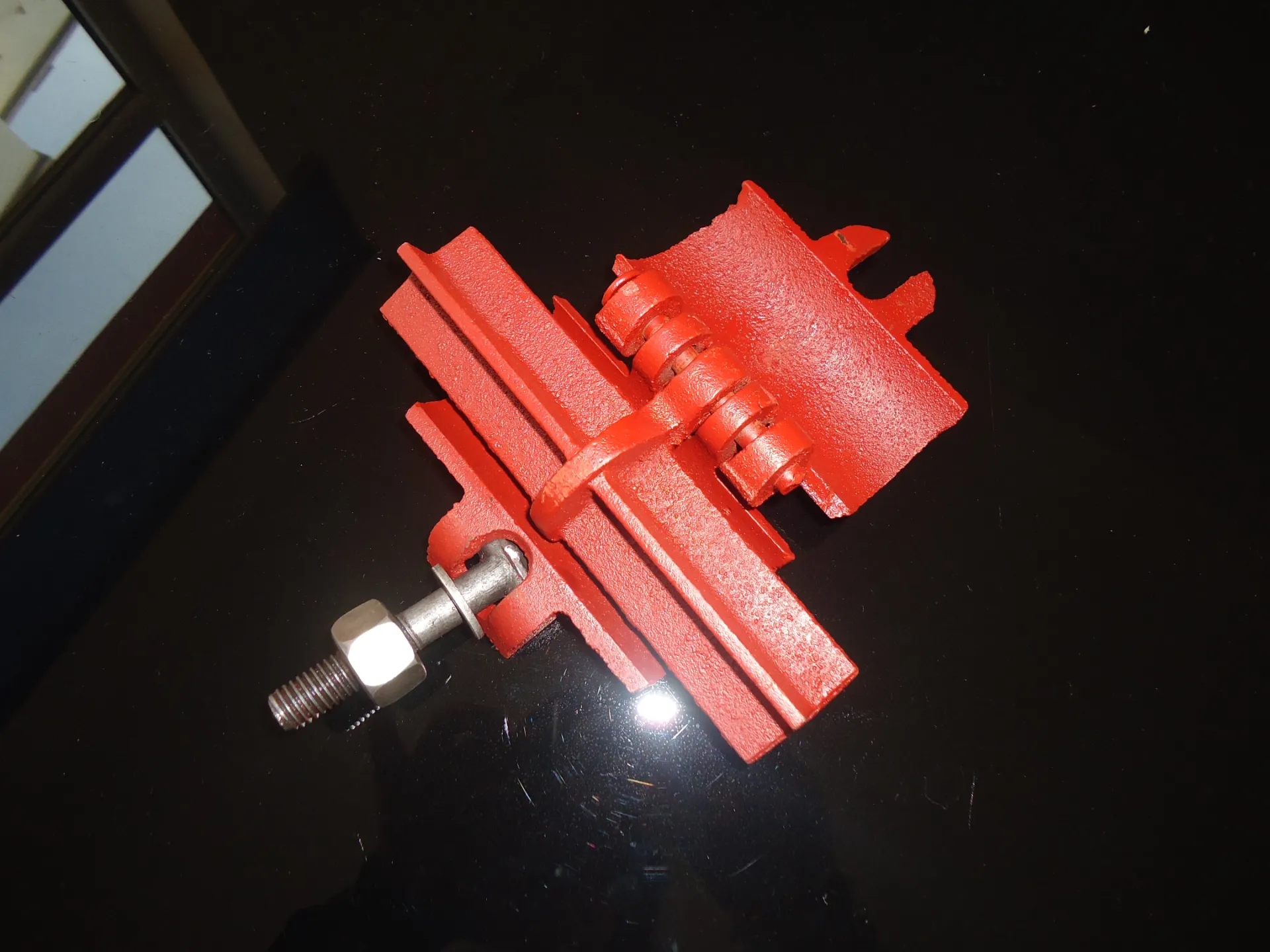
Casting Joint Coupler
|
|
48.3*48.3mm
|
0.8kg
|
Painting
|
Bags/Pallet
|
|
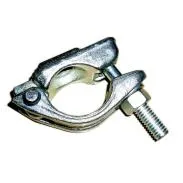
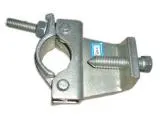
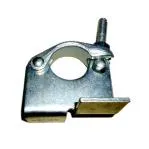
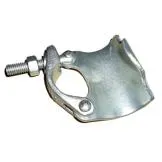
Other Couplers
|
|
|
|
|
 |
Material Selection
Material Selection
Pressed Couplers
Pressed Couplers
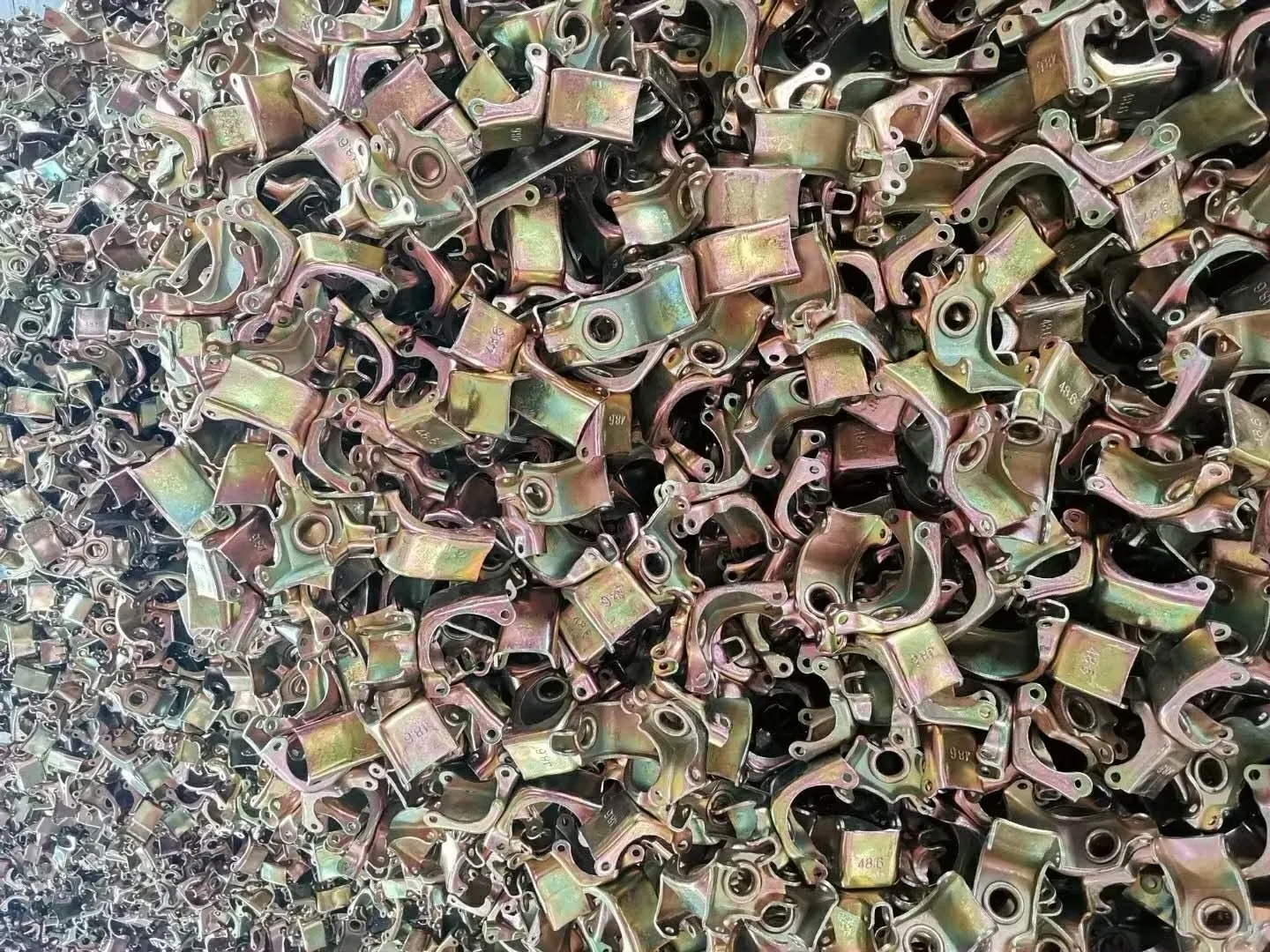
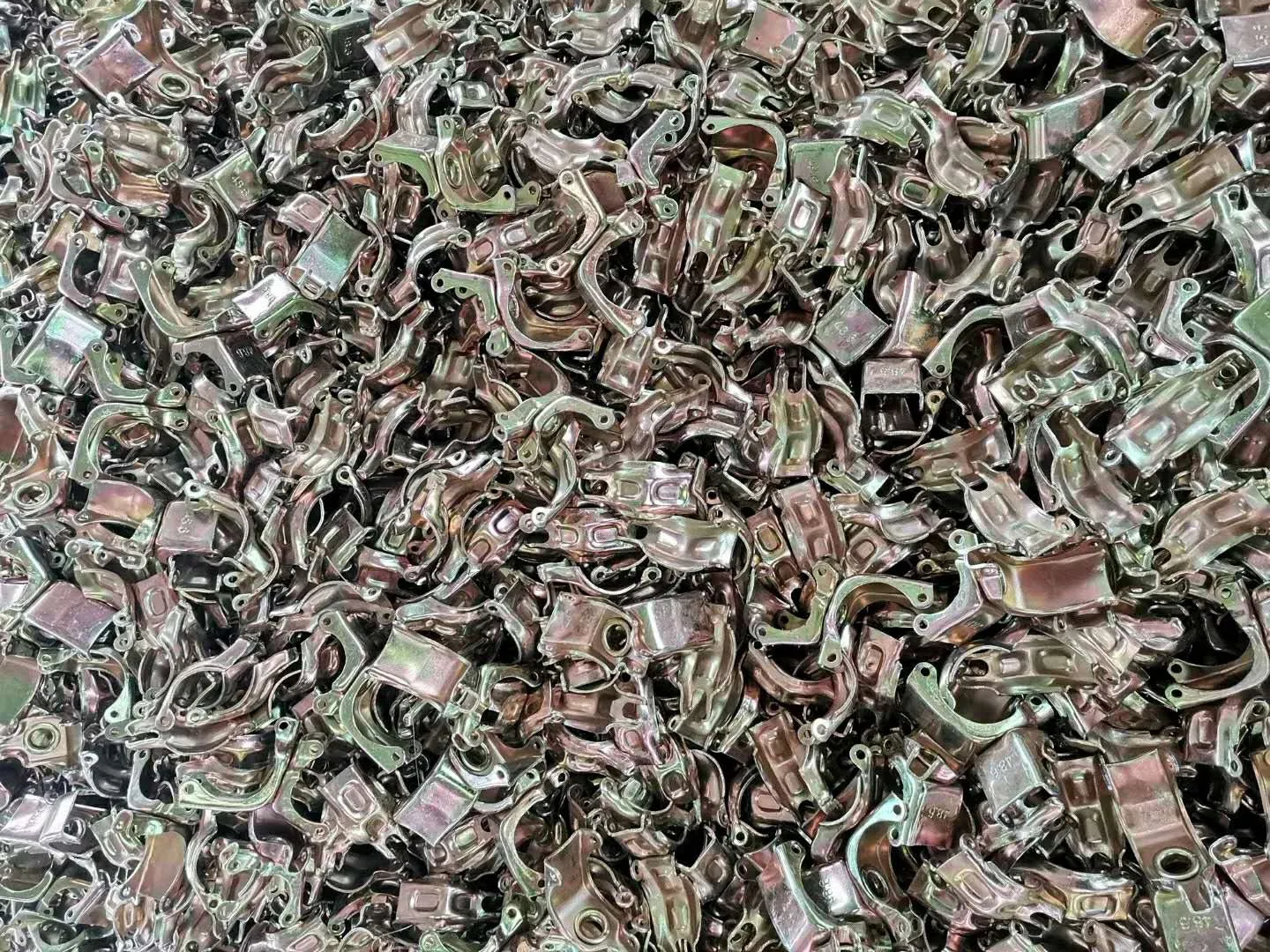
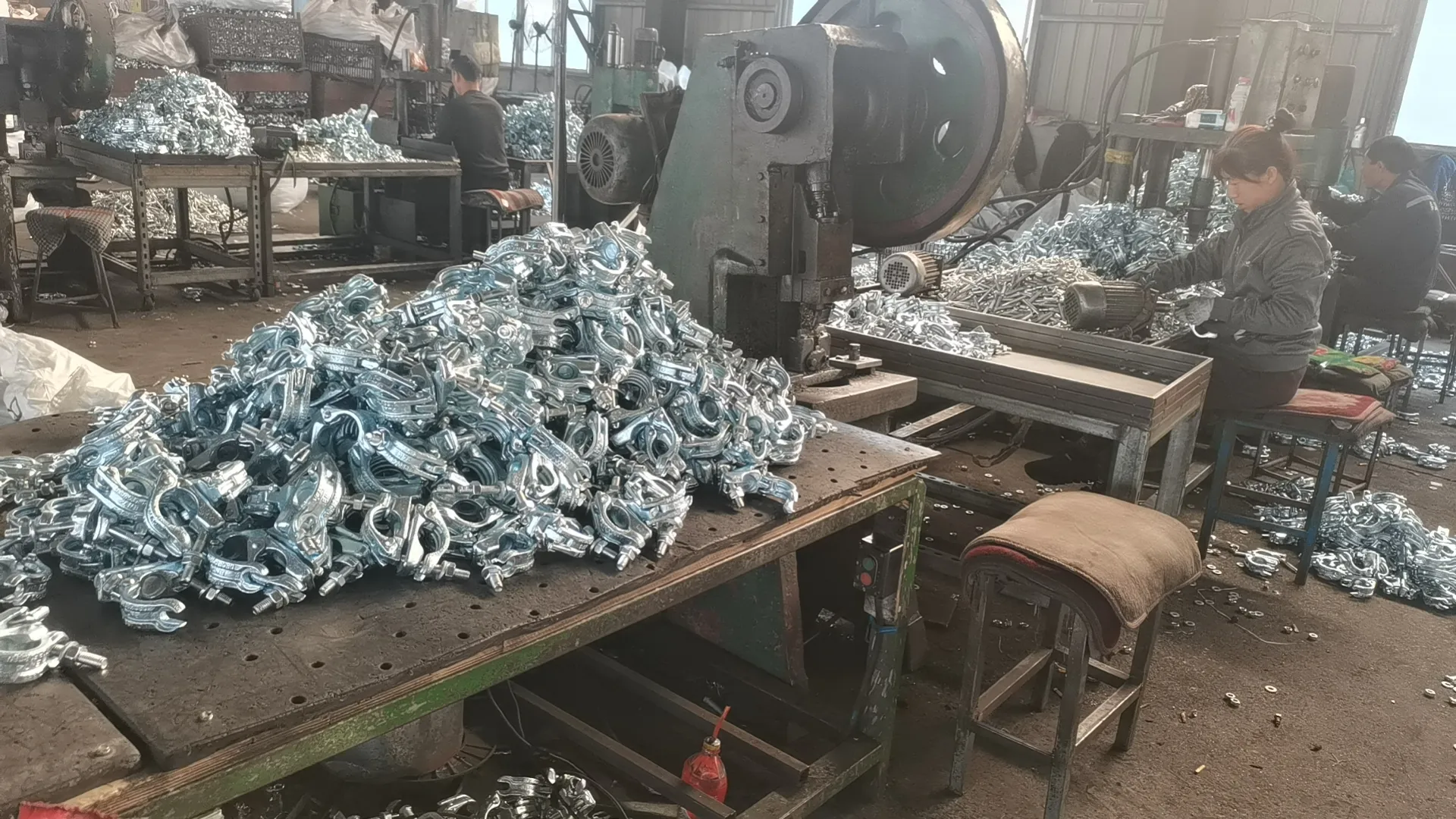
Pressed couplers are manufactured from high-strength steel plates. The process involves punching and forming the steel plate into scaffold clamp covers and bases, followed by drilling holes and cutting. These couplers are then assembled with bolts and nuts and undergo rigorous roundness and load capacity tests to ensure reliability and safety. Ideal for medium-duty applications, they offer an excellent balance between cost and strength. Pressed couplers are commonly used with British standard (BS1139/EN74) scaffolding pipes of 3.2mm wall thickness, as well as Japanese and Korean (JIS & KSD) standards where lighter options are preferred.
Pressed couplers are known for medium-duty applications, making them suitable for a variety of scaffolding systems. They are particularly useful when a balance between cost and strength is needed. British standard (BS1139/EN74) pressed scaffold couplers are commonly used with 3.2mm wall thickness pipes, while Japanese and Korean standards (JIS & KSD) mostly utilize pressed steel types for lighter weight configurations.
Casting Couplers
Casting Couplers
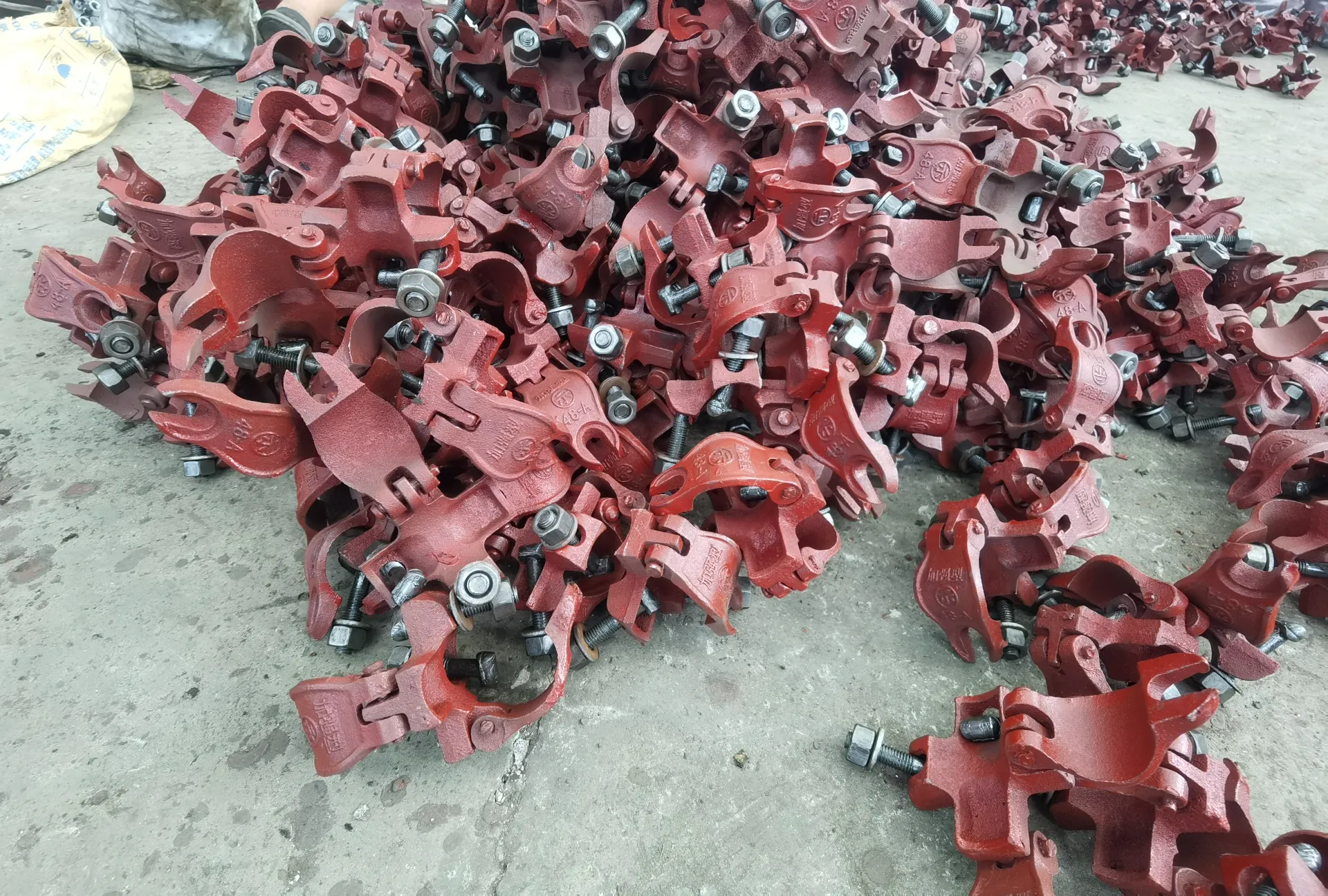
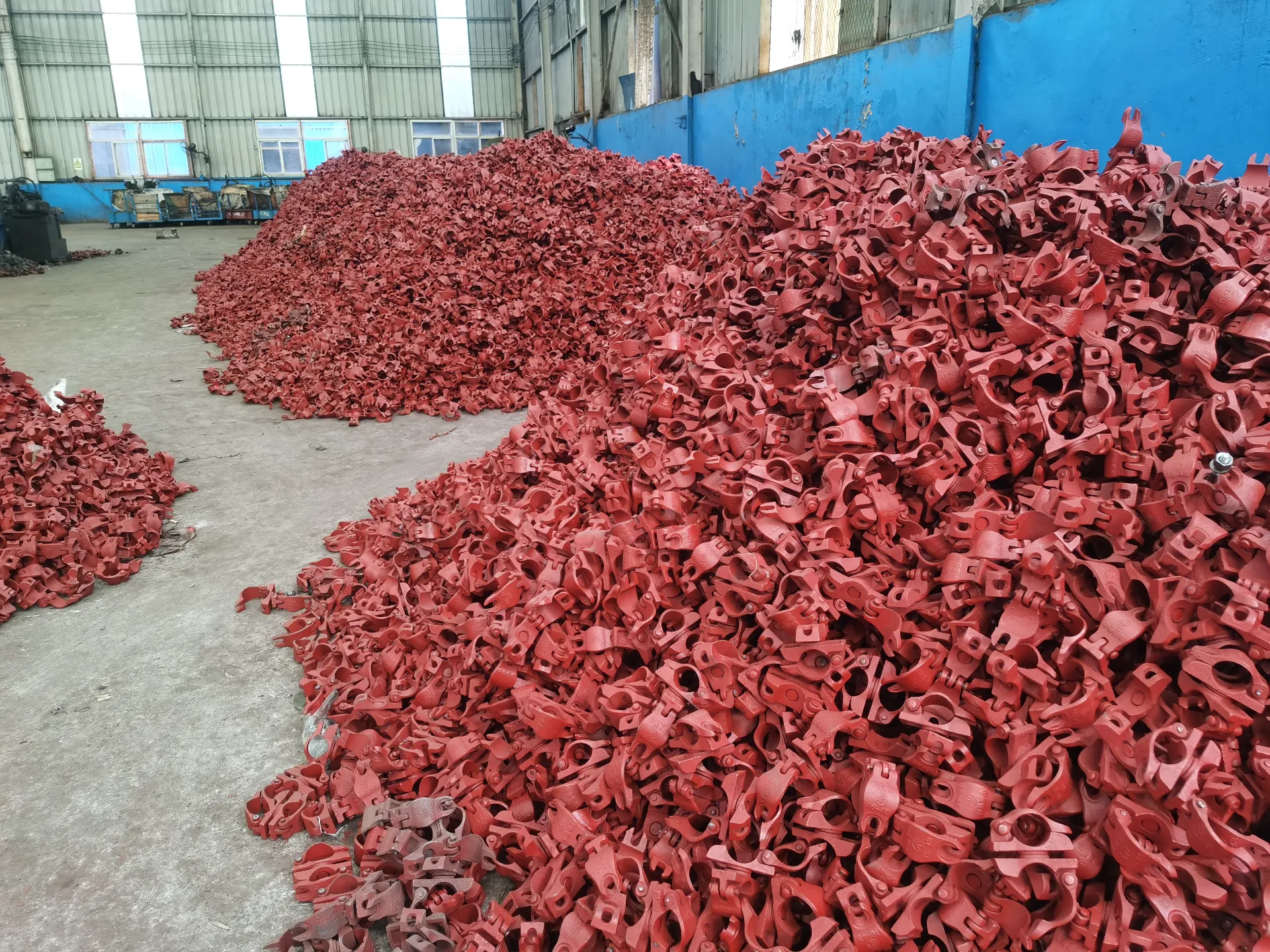
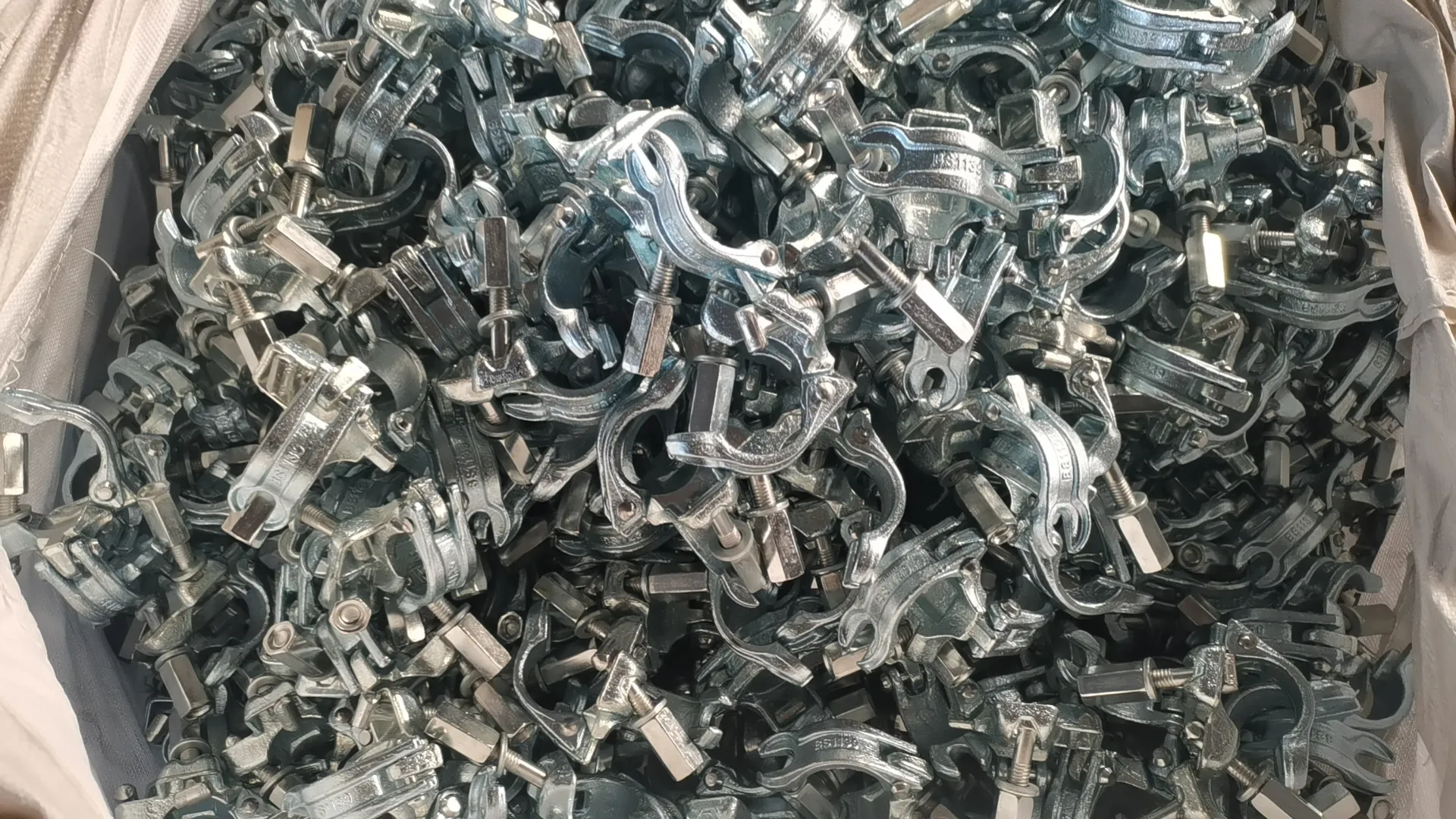
Casting couplers, also known as cast iron scaffolding couplers, are traditional Chinese standard scaffold fittings. They are produced by pouring molten liquid iron into scaffold coupler molds, shaping the cast iron clamps, and then cutting and drilling holes before assembly with bolts and nuts. This manufacturing method is simpler and more cost-effective than forging or pressing, resulting in the most economical coupler option. Casting couplers are widely used in countries like Ethiopia and Bangladesh to keep construction costs low.
These couplers are the most cost-effective option, with a simpler manufacturing process and lower costs compared to forged and pressed steel scaffold fittings. They are preferred in some markets such as Ethiopia and Bangladesh to save on construction expenses. However, they may not offer the same level of strength and durability as forged or pressed alternatives.
Forged Couplers
Forged Couplers
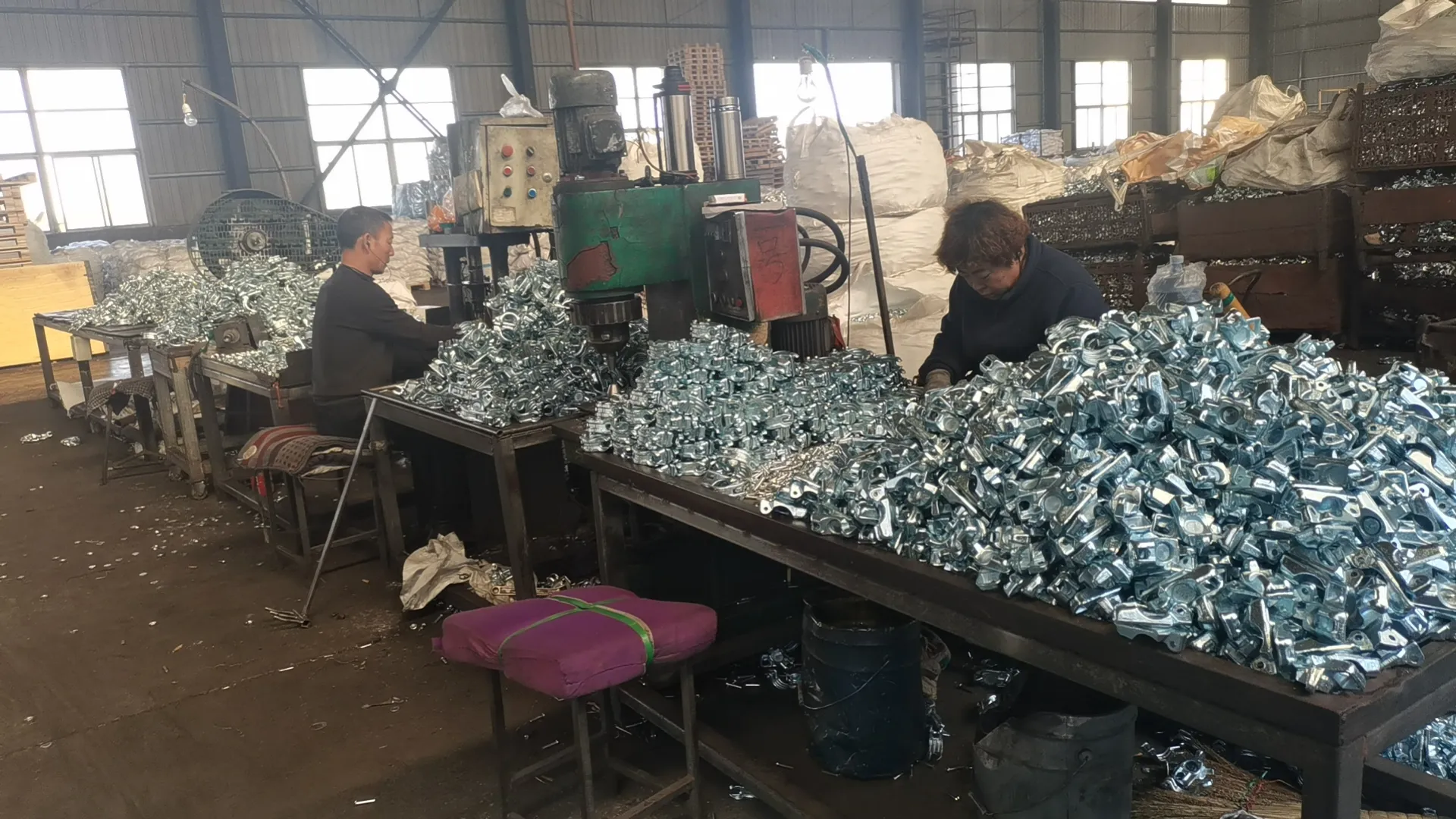
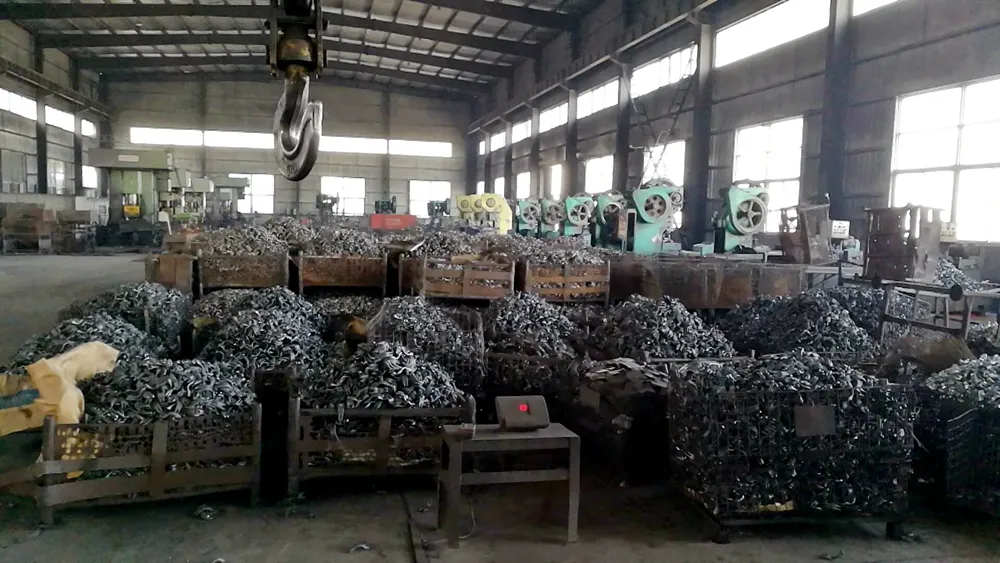
Forged couplers are created from high-strength steel round bars through a forging process. This involves heating the round bar to high temperatures for malleability, forming it into scaffold coupler covers and bases using molds, then cutting, drilling, and assembling with bolts and nuts. Each forged coupler undergoes rigorous roundness tests and safety load and slip tests to ensure maximum strength and reliability. These are the strongest couplers, ideal for heavy-duty tubular scaffolding systems where stability and durability are critical.
Forged scaffold couplers are considered the strongest among the three types, suitable for heavy-duty tubular scaffolding systems. Their stability and durability under various conditions make them the preferred choice for many large scaffolding companies, construction firms, contractors, and formwork companies worldwide. They perform reliably in demanding environments.
Summary: Choosing the Right Coupler
Each type of scaffold coupler serves a specific purpose and offers distinct advantages. Pressed couplers provide a balance of cost and strength, casting couplers are the most economical option, and forged couplers are the most robust for heavy-duty applications. Selecting the right coupler depends on your project's specific requirements, including load weight, environmental conditions, and budget constraints.
Shipping Map
Shipping Map
Testing Picture
Testing Picture