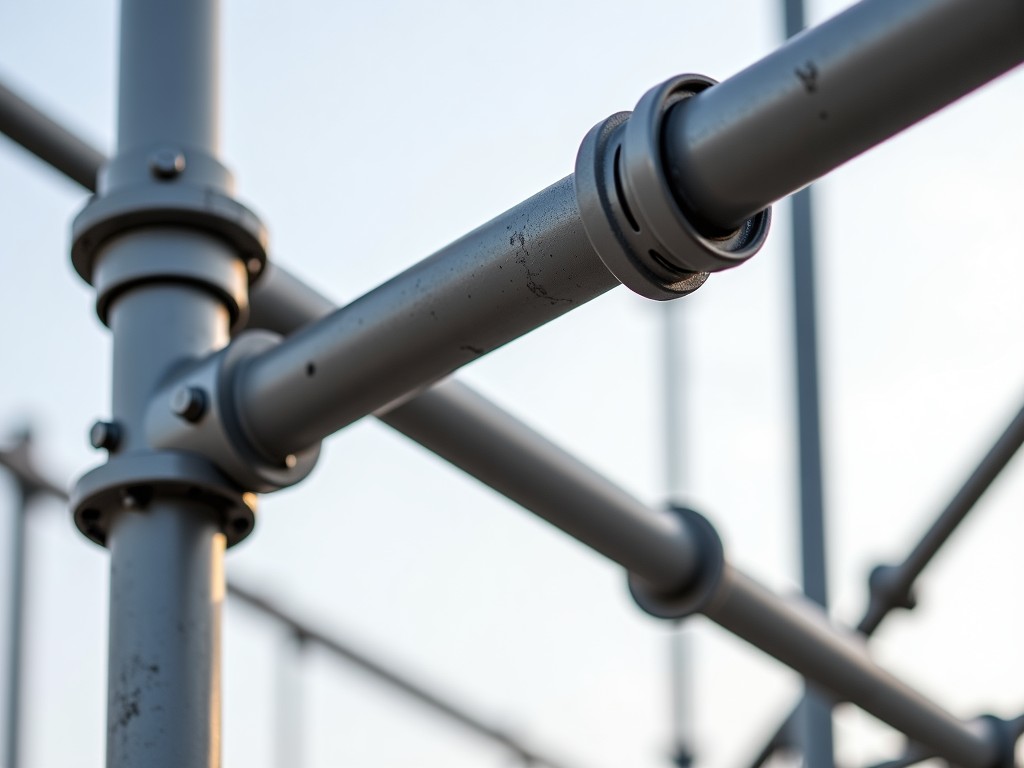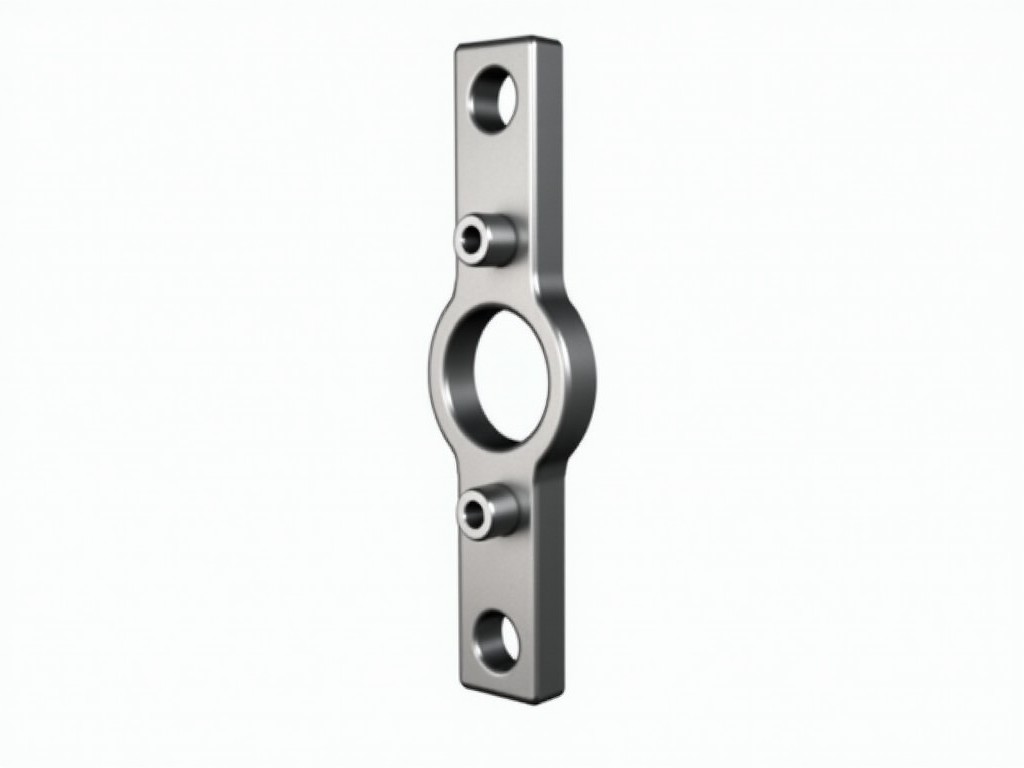
This page provides a technical evaluation of scaffolding coupler types, their functional characteristics, material considerations, and factors influencing price—intended to support informed procurement decisions in construction, maintenance, and industrial access applications.
Understanding the mechanical behavior, load distribution, and compatibility of couplers is essential for ensuring structural integrity, compliance with regional safety standards (such as EN 74, ANSI/SSFI SC100-5/05, or AS/NZS 1576), and long-term cost efficiency in temporary works systems.
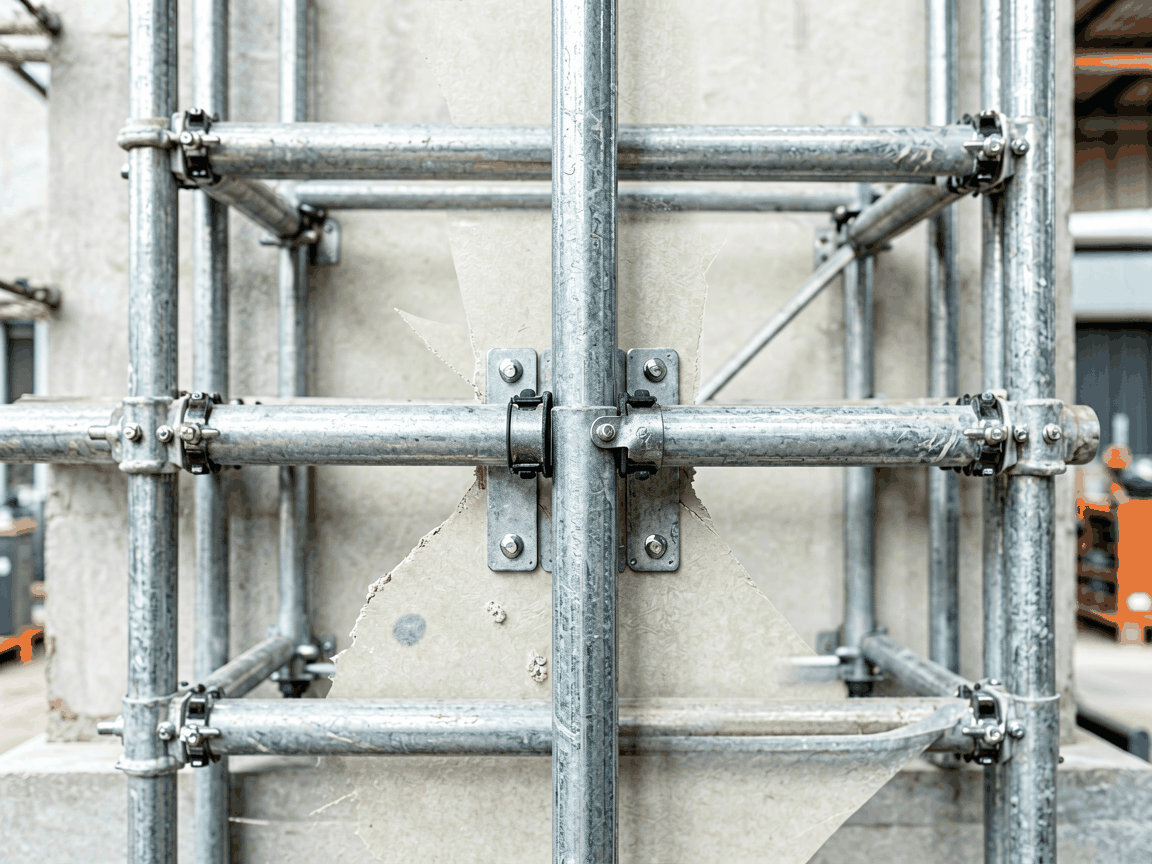
Scaffolding couplers are mechanical connectors designed to join steel or aluminum tubes at specified angles, transferring axial, shear, and moment loads between members. Their primary role is to maintain the geometric stability of the scaffold framework under working loads, including personnel, materials, and environmental forces.
Unlike welded or bolted joints, couplers rely on frictional resistance and mechanical interlock—typically achieved through tightening bolts or wedge mechanisms—to develop sufficient clamping force. The effectiveness of this connection depends on tube surface condition, coupler geometry, bolt torque, and material properties.
Proper coupler selection ensures that the connection strength meets or exceeds the design load requirements of the scaffold, preventing slip or deformation that could compromise safety. Engineers must verify coupler performance against the intended load case, including eccentric loading and dynamic effects.
Couplers are classified primarily by their connection geometry and load-transfer mechanism. The most widely used types include right-angle (swivel) couplers, putlog couplers, sleeve couplers, and joint pins—each suited to specific configuration requirements in scaffold assembly.
Right-angle couplers connect tubes at 90 degrees and are fundamental for ledger-to-transom and brace-to-standard connections. Swivel couplers allow variable angular adjustment, typically from 0 to 180 degrees, enabling bracing and complex geometries. Putlog couplers feature a flattened end designed to bear on brickwork or structural supports, transferring load via bearing rather than tube-to-tube friction.
Sleeve couplers (also called pin or spigot couplers) join tubes end-to-end using an internal sleeve and locking pins, providing axial alignment and moment resistance. Joint pins serve a similar purpose but are often used with specific tube systems requiring precise concentricity. Each type exhibits distinct stiffness, slip resistance, and moment capacity based on design and material.
The majority of scaffolding couplers are manufactured from forged or pressed steel, typically grades such as S235JR, S275JR, or equivalent carbon steels, chosen for their yield strength, ductility, and weldability (where applicable). Forged couplers generally offer superior grain structure and impact resistance compared to pressed alternatives, particularly under cyclic loading.
Surface treatments include hot-dip galvanizing (minimum 55 μm zinc coating per EN ISO 1461) or electro-galvanizing for corrosion resistance. In aggressive environments—such as coastal, industrial, or chemical-exposed areas—additional protective coatings or stainless steel (e.g., grade 304 or 316) may be specified, though at higher cost.
Aluminum couplers exist for use with aluminum scaffold tubes, offering reduced weight but lower shear strength and bearing capacity compared to steel. Their use is limited to low-load applications and requires careful consideration of galvanic isolation when in contact with steel components.
Coupler pricing is determined by material cost, manufacturing process, surface finish, dimensional tolerances, and compliance certification. Forged couplers typically command a 15–25% premium over pressed equivalents due to higher material utilization, energy input, and mechanical performance.
Galvanization method affects cost: hot-dip galvanizing is more expensive than electro-galvanizing but provides longer service life in humid or outdoor conditions. Couplers with certified test reports (e.g., EN 74 compliance, third-party load testing) incur additional costs related to quality control and traceability.
Volume pricing applies: unit cost decreases significantly with order volume due to economies of scale in material procurement, tooling, and production throughput. Custom markings, special packaging, or non-standard dimensions may increase unit price.
As of 2024–2025 market conditions, standard steel right-angle couplers (hot-dip galvanized, EN 74 compliant) typically range from USD 1.80 to 3.20 per unit for orders exceeding 1,000 pieces. Swivel couplers are generally 10–20% higher due to more complex machining and additional components.
Putlog couplers vary based on bearing plate size and material thickness, ranging from USD 2.00 to 3.50. Sleeve couplers with pins fall between USD 2.50 and 4.00, depending on tube diameter compatibility and locking mechanism design.
These values are indicative and subject to change based on raw material fluctuations (steel, zinc), regional logistics, and trade policies. Buyers should prioritize total cost of ownership—factoring in service life, inspection frequency, and replacement rates—over initial unit price alone.
When specifying couplers, engineers should verify: tube diameter compatibility (commonly 48.3 mm OD for steel scaffold), mechanical properties (minimum ultimate load capacity, slip resistance), corrosion protection class, and certification status. Documentation such as mill test certificates, batch traceability, and third-party test reports supports due diligence.
For temporary works design, coupler characteristics must be integrated into the scaffold analysis model—particularly connection stiffness and moment capacity—which influences deflection, buckling resistance, and load distribution. Conservative assumptions are recommended where test data is project-specific.
Procurement teams should establish supplier qualification criteria based on manufacturing capability, quality management systems (e.g., ISO 9001), and ability to provide consistent product conformity. Long-term supplier relationships often improve traceability and reduce variability in performance.
| Coupler Type | Primary Function | Typical Load Capacity (kN) | Relative Cost Factor |
|---|---|---|---|
| Right-Angle (Fixed) | 90° tube-to-tube connection | 6.2 – 8.0 (axial shear) | 1.0 (baseline) |
| Swivel | Variable angle (0–180°) | 5.0 – 6.5 (axial shear) | 1.1 – 1.2 |
| Putlog | Tube-to-bearing surface | 4.0 – 5.5 (bearing) | 1.0 – 1.1 |
| Sleeve + Pin | End-to-end tube joint | 8.0 – 10.0 (axial/torsion) | |
| Joint Pin (Spigot) | Internal tube alignment | 6.0 – 8.0 (axial) | 1.0 – 1.1 |
Load capacity values are typical ranges based on EN 74 testing; actual performance depends on tube specifications, bolt torque, and installation. Cost factors are relative to standard right-angle coupler at volume pricing.
Specify couplers with clear reference to applicable standards (e.g., EN 74:2006+A1:2020, ANSI/SSFI SC100-5/05) and require suppliers to provide conformity documentation. Avoid mixing coupler brands or tube sizes without verified compatibility, as mismatched tolerances can reduce clamping efficiency.
For galvanized couplers, inspect coating integrity regularly—particularly at bolt threads and mating surfaces—as damage can accelerate corrosion. In environments with frequent wet-dry cycles, consider higher zinc mass or alternative protection systems.
Maintain installation torque within manufacturer specifications (typically 40–65 Nm for M12 bolts) using calibrated tools. Under-torquing risks slip; over-torquing may deform tubes or strip threads, both compromising safety.
For technical inquiries, custom specifications, or volume pricing requests, contact our engineering team to discuss your project requirements.
Request Technical Consultation