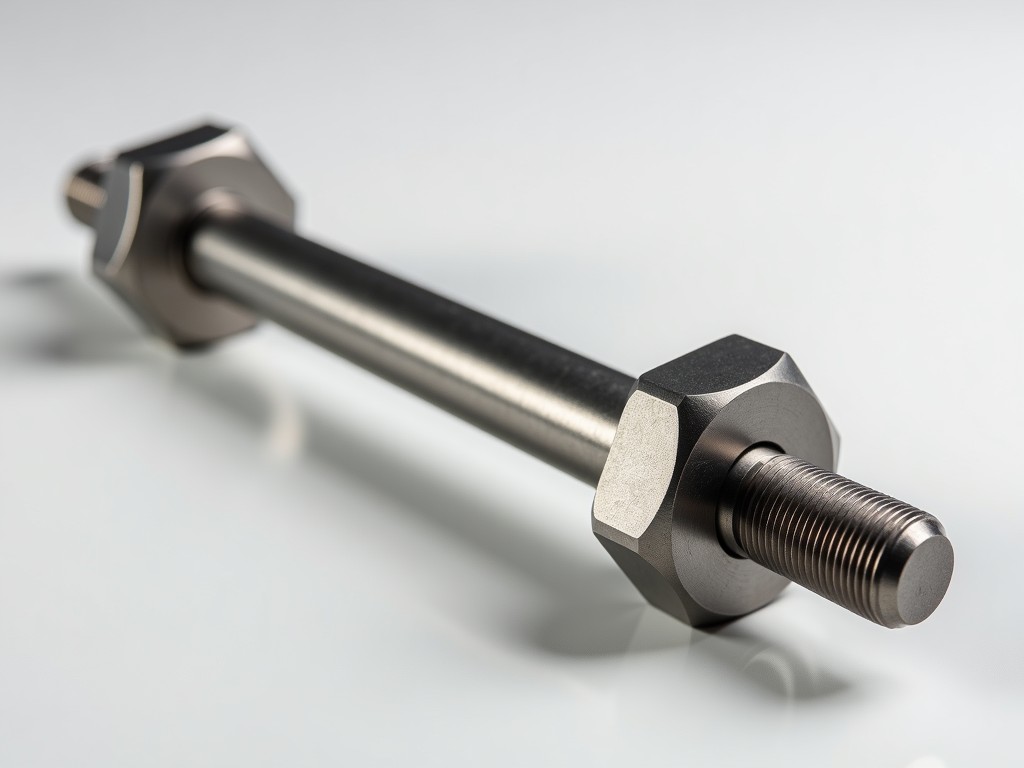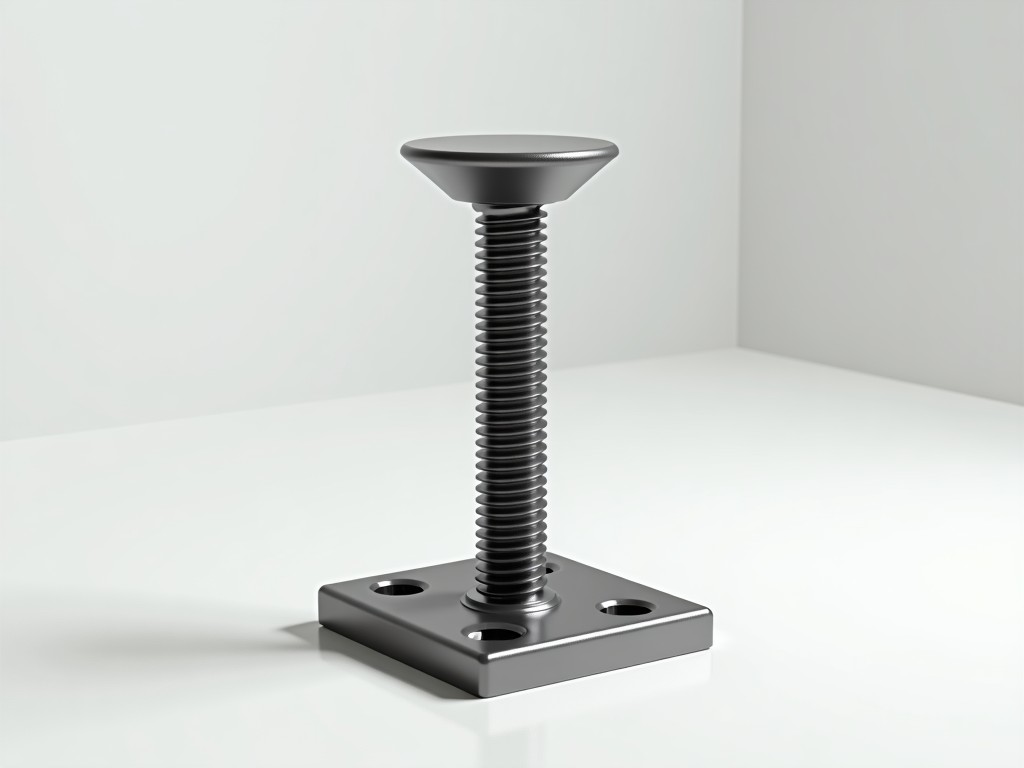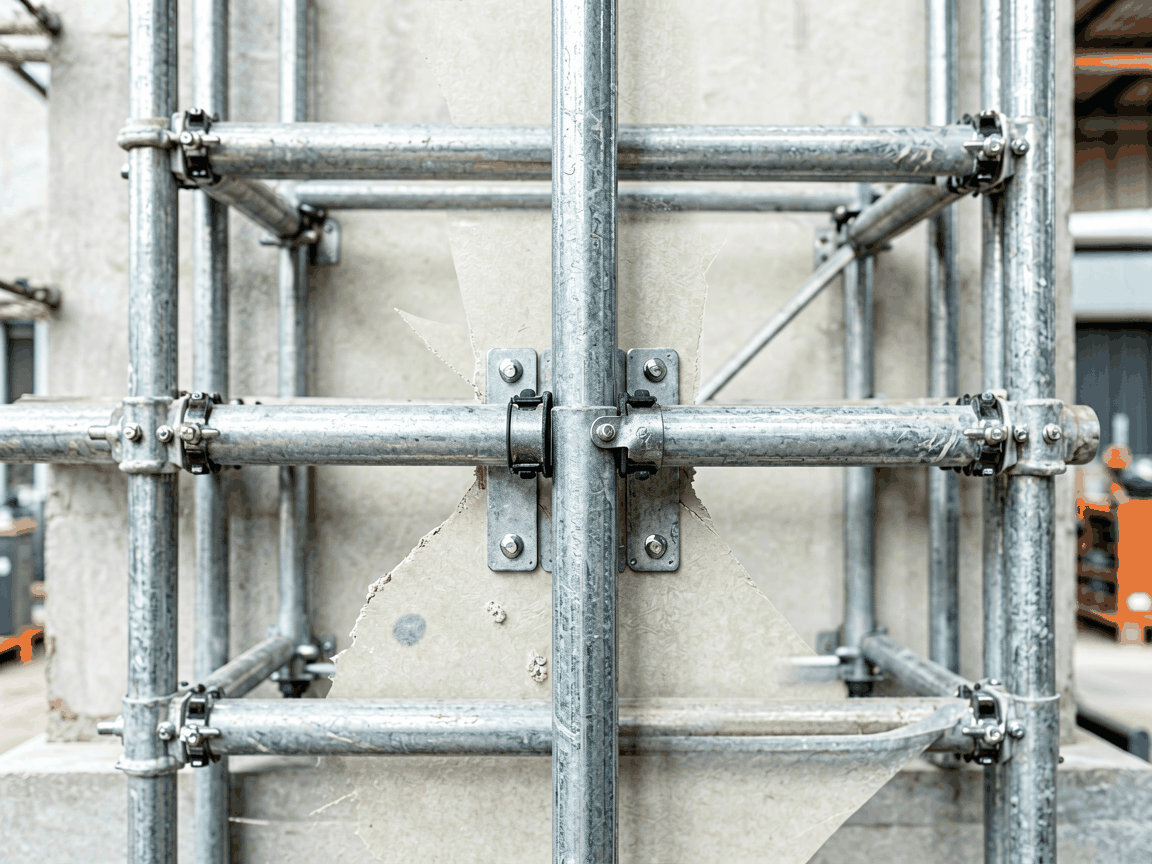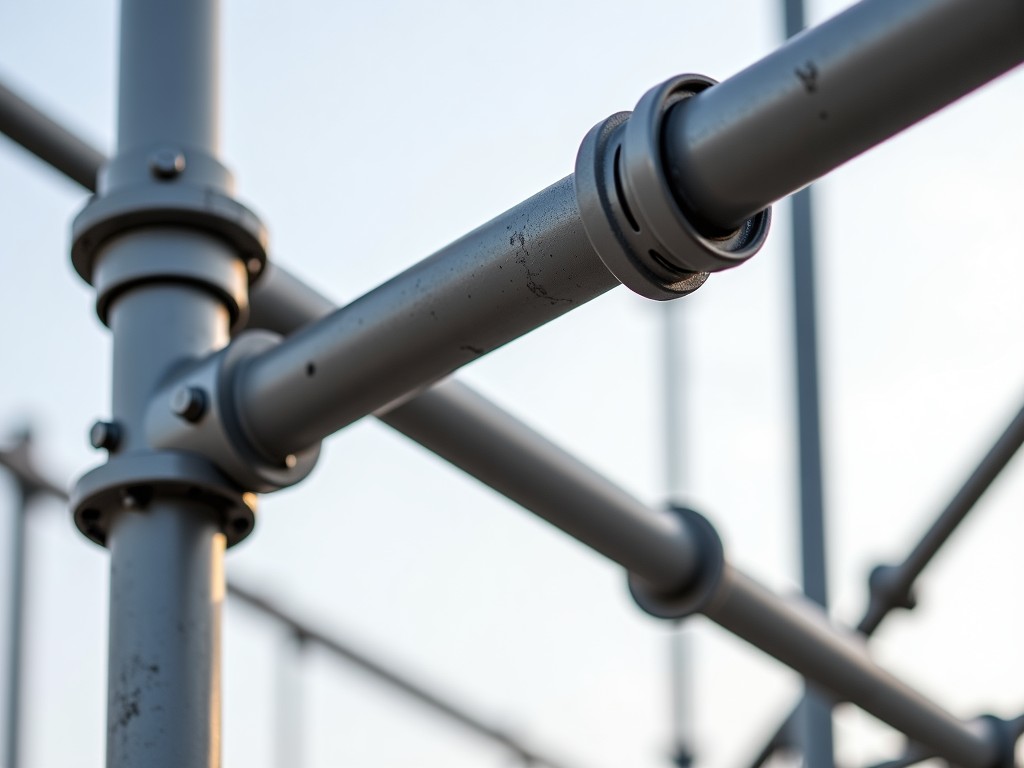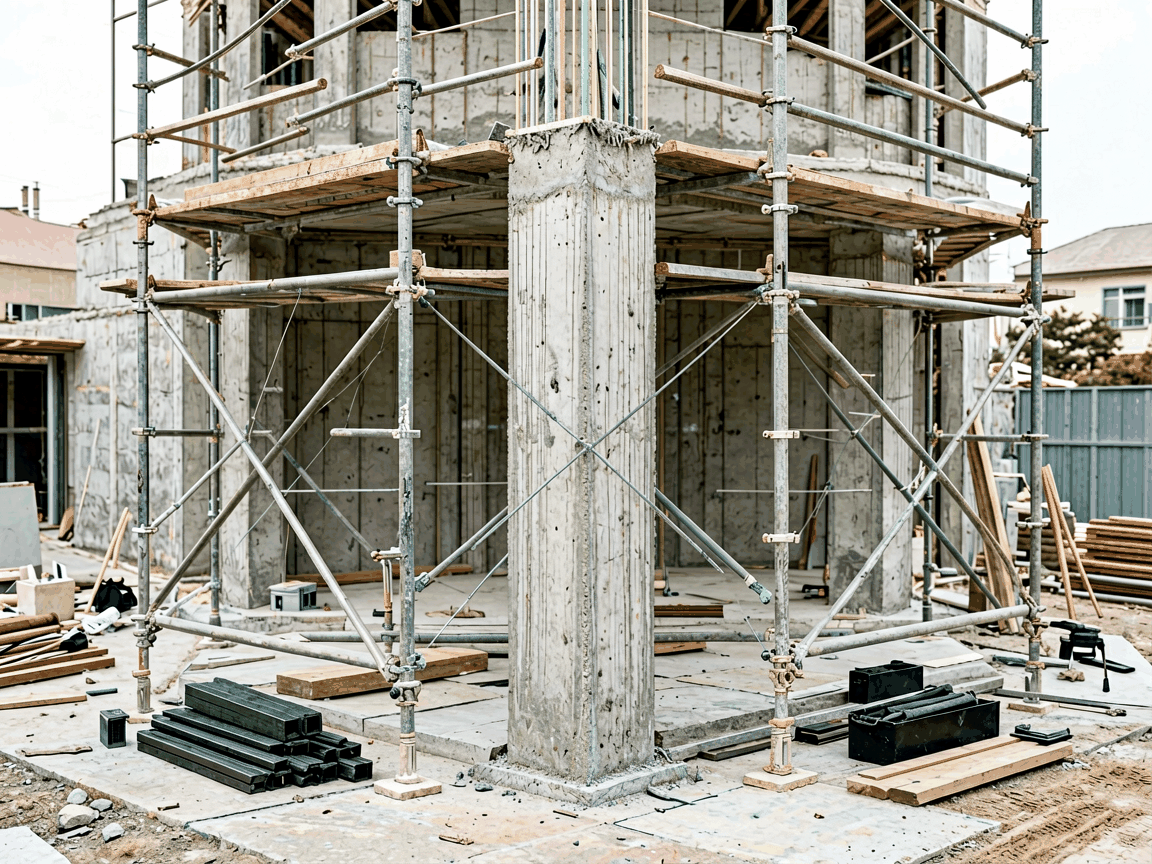
Scaffolding concrete formwork accessories are precision-engineered components that ensure structural integrity, alignment, and stability during the pouring and curing of concrete in vertical and horizontal formwork systems. These accessories—including clamps, ties, brackets, braces, and adjustment devices—work in conjunction with formwork panels and scaffolding frames to resist lateral pressures, maintain dimensional accuracy, and facilitate safe, efficient assembly and disassembly. Unlike generic hardware, they are designed to withstand repeated loading cycles, resist corrosion in alkaline concrete environments, and integrate with modular formwork systems across residential, commercial, and infrastructure projects.
Formwork accessories are categorized by their mechanical role in the system. Understanding these functions enables specifiers to select components that address specific load paths, deformation risks, and site logistics.
Material choice directly influences durability, reusability, and safety in formwork applications. Components must resist concrete’s high pH (typically 12–13), abrasion from aggregate, and cyclic loading without deformation or failure.
| Material | Typical Use Case | Key Advantages | Limitations |
|---|---|---|---|
| Hot-dip galvanized steel | Ties, clamps, brackets | Zinc coating (55–85 µm) provides 5+ year reusability in wet concrete; resists chloride-induced corrosion | Heavier than aluminum; requires handling equipment for large assemblies |
| Structural aluminum alloy (6061-T6) | Adjustable spreaders, braces | 1/3 the weight of steel; non-magnetic; ideal for high-rise or crane-limited sites | Lower wear resistance; susceptible to galvanic corrosion if coupled with steel without isolation |
| High-strength polymer (glass-filled nylon) | Spacers, protective caps, non-marking pads | Chemically inert to concrete; eliminates metal staining; lightweight and non-conductive | Lower tensile strength; not suitable for primary load-bearing connections |
| Stainless steel (304/316) | Marine structures, wastewater tanks | Superior chloride resistance; minimal maintenance in saltwater or chemical exposure | Higher material cost; typically reserved for specialized projects |
Selecting the correct accessory involves evaluating formwork pressure, Pour rate, temperature effects, and reuse cycles. The lateral pressure exerted on formwork is not uniform—it peaks at the base and decreases with height, governed by ACI 347 or EN 12812 standards. Accessories must be rated for the maximum expected pressure at their installation point.
For example, a tie rod in a 4.5m high wall formwork subjected to a pour rate of 2m/hour at 15°C may experience peak pressure of 45 kN/m². The accessory must have a safe working load (SWL) exceeding this value with an appropriate factor of safety (typically 1.5–2.0 for reuse applications). Deformation under load must remain within elastic limits to ensure dimensional accuracy after multiple cycles.
Thermal expansion differences between steel formwork and aluminum accessories can cause misalignment in large pours; thus, accessories with compatible coefficients of thermal expansion or sliding interfaces are preferred in temperate climates. In cold weather, brittle fracture risk in certain polymers or steels necessitates material certification for low-temperature impact resistance (e.g., Charpy V-notch >27J at -20°C).
Standard accessories suit most rectangular wall and slab formwork, but complex geometries—such as tapered columns, curved walls, or embedded penetrations—require tailored solutions. Customization is driven by interface compatibility, load path optimization, and site-specific constraints.
Reusability is a core economic and sustainability factor in formwork accessories. Quality control begins at material receipt and continues through each production stage to ensure consistency across batches.
Incoming steel is verified for chemical composition (e.g., carbon <0.25%, manganese 0.6–0.9%) and mechanical properties (yield strength ≥250 MPa). Welded components undergo 100% visual inspection and magnetic particle testing for crack detection. Dimensional tolerances are maintained to ±0.5mm for critical interfaces (e.g., pin holes, thread pitch) to prevent binding or play during assembly.
Surface preparation before galvanizing follows ASTM A123: degreasing, pickling, fluxing, and zinc immersion at 450±5°C. Coating thickness is measured via magnetic inductometry, with minimum average of 55µm and no spot below 45µm. Post-production, accessories are stacked in dry, ventilated storage to prevent white rust formation. Each batch is labeled with traceability codes linking to material test certificates and inspection records.
These accessories are not generic hardware—they are selected based on the specific demands of the concrete element being formed. Their correct application reduces rework, improves finish quality, and enhances site safety.
To discuss your project’s formwork pressure calculations, material compatibility requirements, or custom accessory designs, contact our technical team. Provide details such as pour height, rate, concrete mix design, formwork system type, and reuse targets for a precise recommendation.
Request a Quote or Technical Consultation