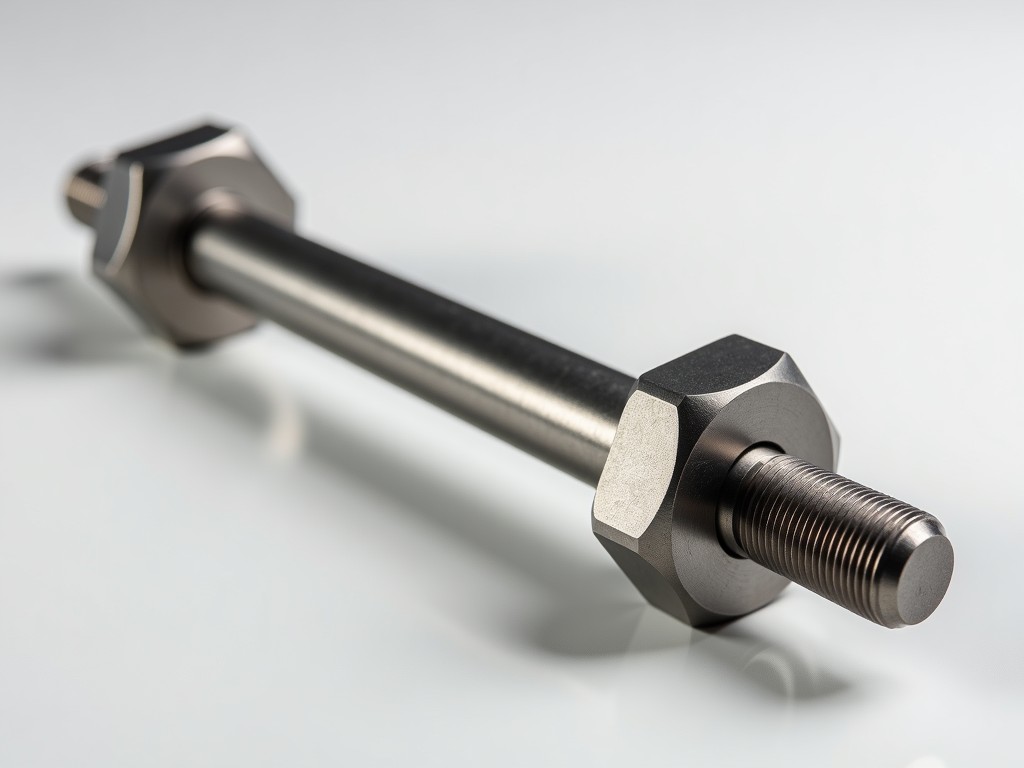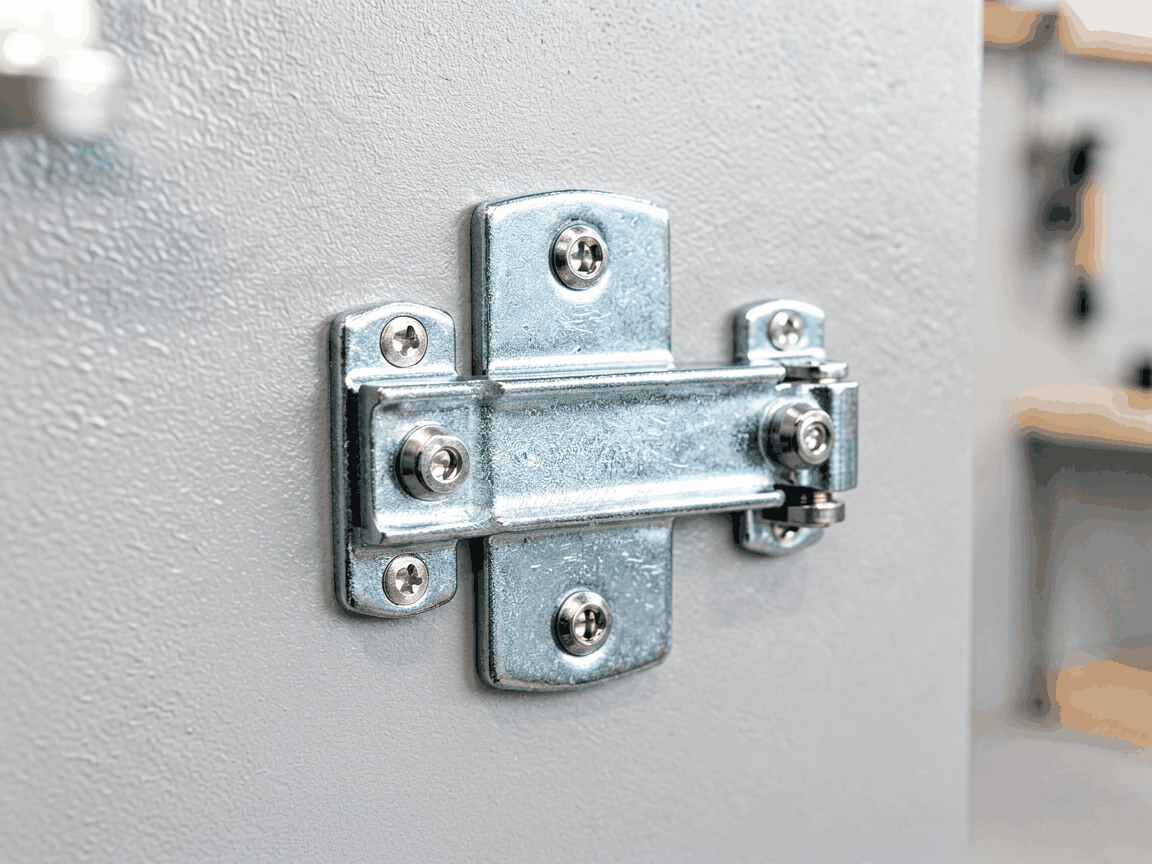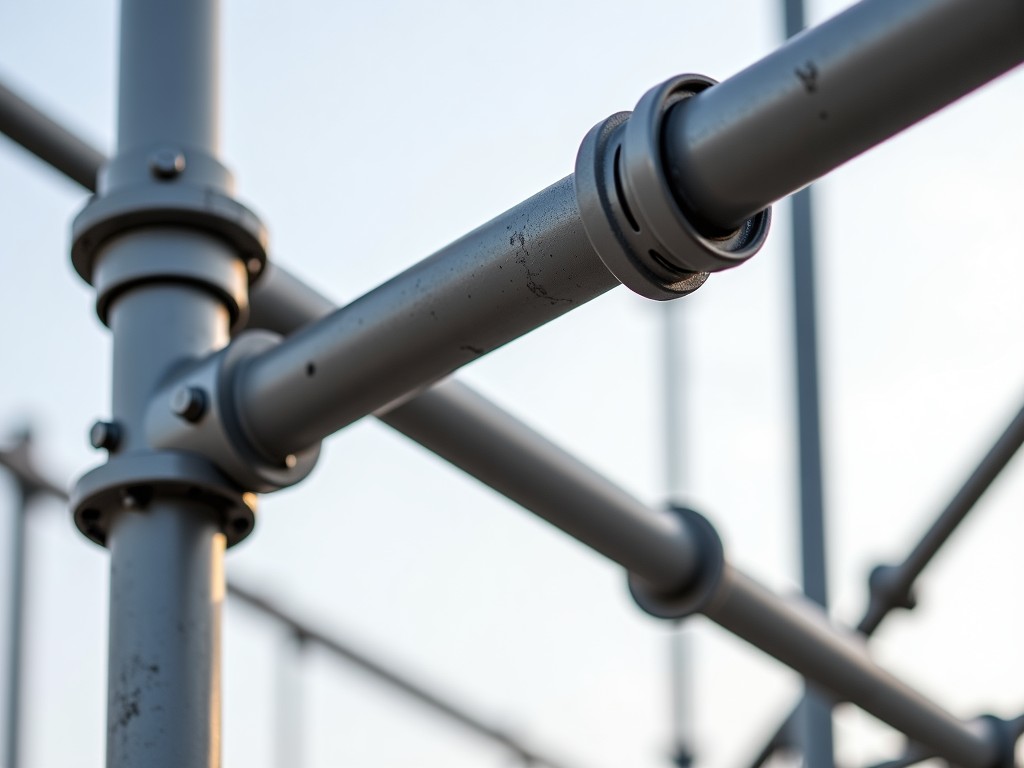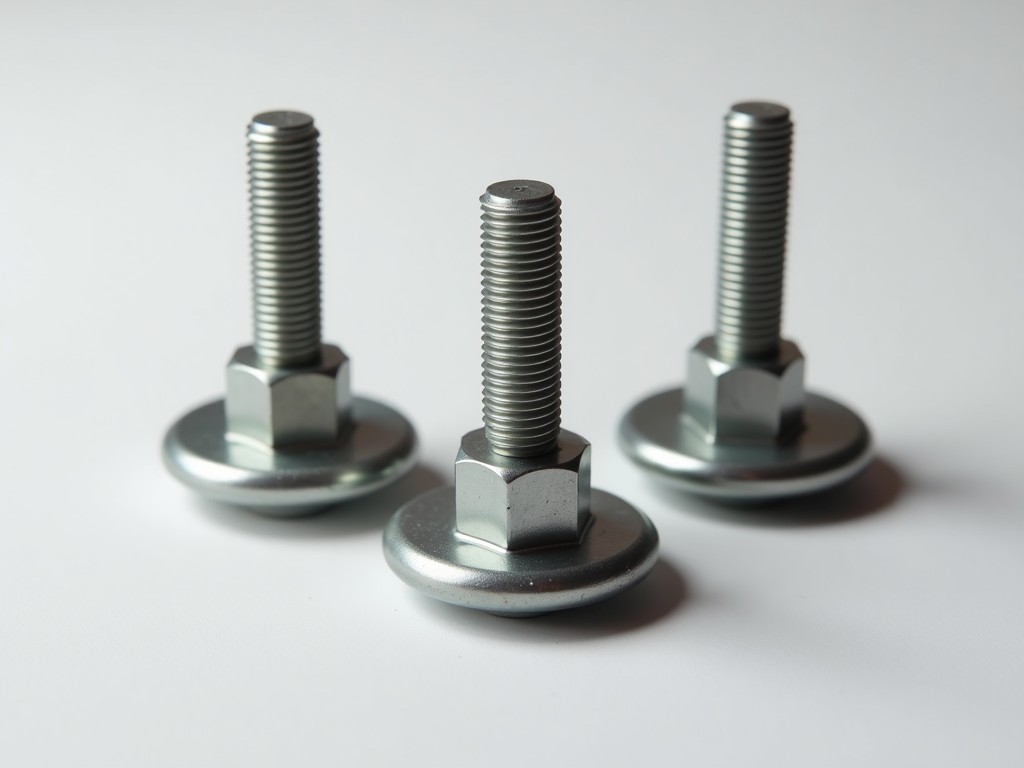
Scaffolding caster lock pins are precision-engineered components designed to secure caster wheels to scaffolding frames, preventing unintended movement during assembly, use, and dismantling. These pins interface directly with the caster’s swivel lock mechanism, engaging a detent or notch within the wheel hub to immobilize rotation when deployed. Their primary function is to enhance workplace safety by eliminating caster drift under load, particularly on uneven surfaces or during dynamic work activities.
Unlike generic fasteners, scaffolding caster lock pins are manufactured to strict dimensional tolerances to ensure consistent engagement depth and retention force across varying caster models and scaffold tube diameters. The pin’s shank diameter, length, and head geometry are critical parameters that directly influence shear strength, resistance to vibrational loosening, and ease of installation with gloved hands. Material selection balances hardness for wear resistance with sufficient ductility to withstand impact loads without brittle failure.
Standard scaffolding caster lock pins are produced from cold-drawn steel wire, typically AISI 1018 or equivalent, with tensile strength ranging from 440 to 550 MPa. The shank undergoes induction hardening to achieve a surface hardness of 45–55 HRC, while the core retains toughness above 25 HRC to resist cracking under cyclic loading. This differential hardening provides optimal wear resistance at the contact surfaces without compromising structural integrity.
For corrosive environments—such as marine scaffolding, chemical plants, or outdoor long-term installations—pins are available in 304 stainless steel (A2) with passivated finish, offering corrosion resistance per ASTM A240. Alternative coatings include zinc electroplating (8–12 µm thickness) for moderate indoor use or mechanical galvanizing for enhanced durability in humid conditions. All finishes are RoHS-compliant and free of hexavalent chromium.
| Parameter | Typical Range | Notes |
|---|---|---|
| Shank Diameter | 6–10 mm | Matches caster lock hole tolerance (H7/g6) |
| Overall Length | 30–60 mm | Includes head and engagement tip |
| Head Diameter | 12–18 mm | Enables finger/glove actuation |
| Shear Strength (min) | 15–25 kN | Based on 6–8 mm shank, 1018 steel |
| Surface Hardness | 45–55 HRC | Induction hardened zone |
| Core Hardness | 25–35 HRC | Maintains toughness |
The pin head incorporates a raised, knurled, or T-shaped profile to provide tactile feedback and sufficient torque for manual actuation, even when wearing heavy-duty work gloves. This ergonomic consideration reduces installation time and minimizes the risk of incomplete engagement—a common cause of caster-related incidents. The shank tip features a slight chamfer or radius to guide smooth insertion into the caster lock hole, preventing burring or galling during repeated use.
A spring-loaded ball detent or coiled wire retainer is often integrated into the pin assembly to maintain the pin in the retracted (unlocked) position when not in use, preventing loss or disengagement during scaffold handling. This self-retaining feature is especially valuable in high-throughput rental yards or frequent reconfiguration scenarios where pins are frequently inserted and removed.
Lock engagement depth is engineered to exceed 80% of the caster’s internal lock tube length, ensuring full mechanical inhibition of swivel rotation under lateral loads up to 1.5 kN—equivalent to the dynamic force exerted by a worker leaning against a partially loaded scaffold bay. This design exceeds minimum OSHA and EN 1004 safety requirements for mobile scaffold stability.
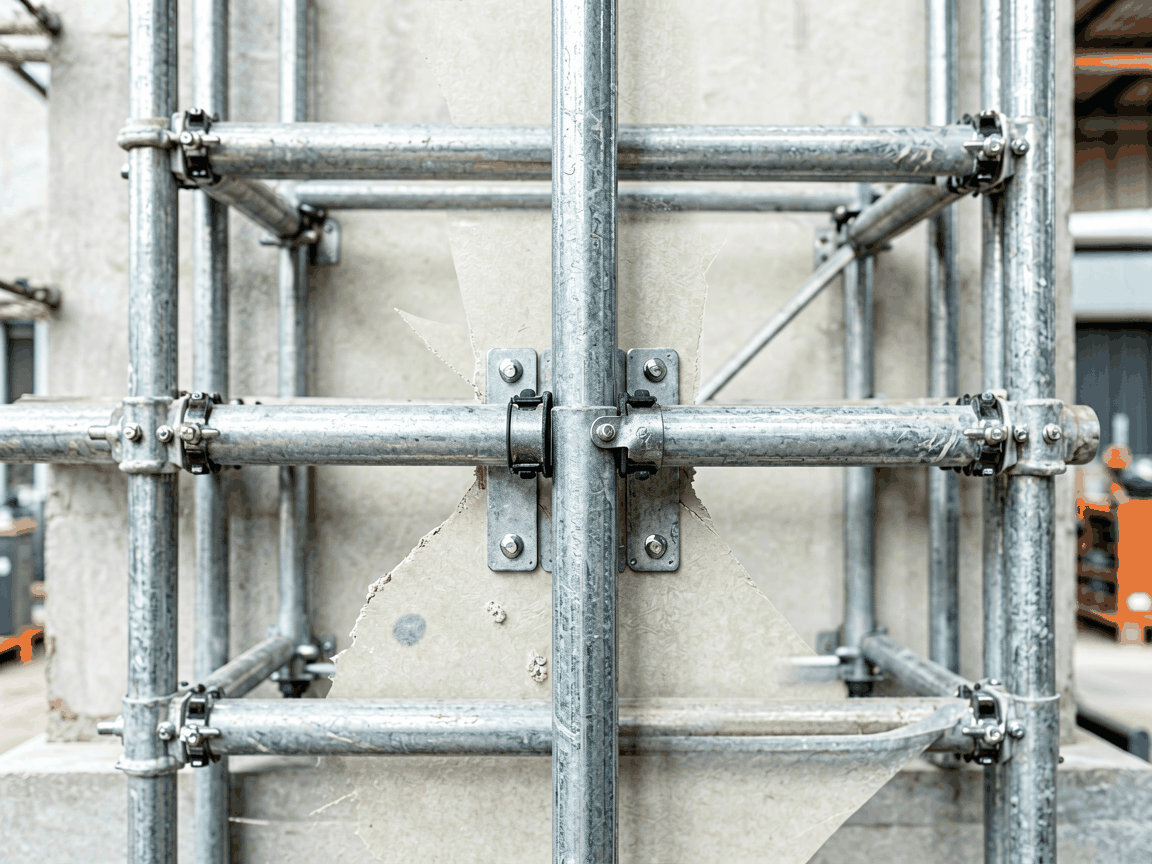
These lock pins are compatible with standard swivel casters used in frame scaffolding, system scaffolding (e.g., Ringlock, Cuplock), and shoring towers where mobility is required for repositioning but absolute stability is mandated during work operations. They are particularly critical in suspended scaffolding applications, where even minor caster movement could compromise fall arrest system geometry or load distribution on outriggers.
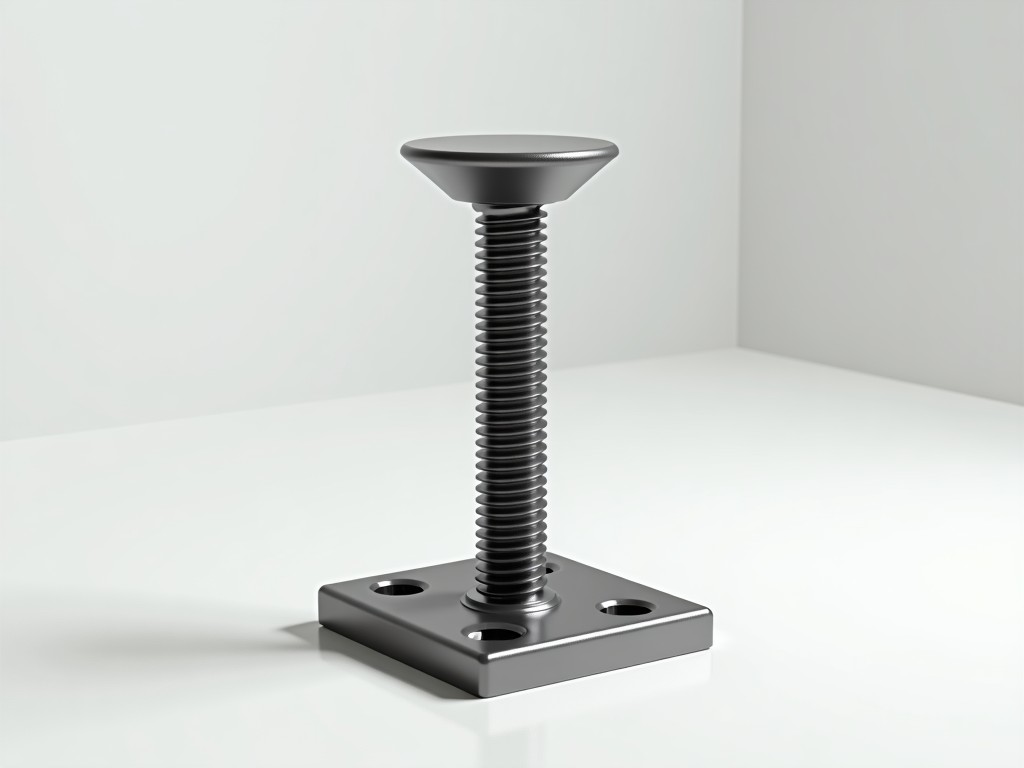
In modular scaffolding systems, caster lock pins interface with casters mounted on adjustable base plates or screw jacks, allowing precise vertical alignment after lateral positioning. The pins enable workers to lock casters in place after fine-tuning the scaffold height, eliminating the need to disassemble and reassemble the base for minor corrections.
Beyond traditional construction, these pins are widely adopted in event staging, theatrical rigging, and industrial maintenance platforms where temporary structures must be rapidly deployed, precisely positioned, and securely immobilized. Their reliability under vibratory loads—such as those from live sound equipment or machinery operation—makes them suitable for environments where standard friction-based caster brakes would degrade over time.
Each production lot undergoes dimensional verification using automated optical comparators or CMM sampling to confirm shank diameter, head height, and engagement tip radius within ±0.1 mm tolerance. Hardness testing is performed per Rockwell C scale on at least 5% of samples per batch, with surface and core readings recorded to validate the differential heat treatment process. Visual inspection under 10x magnification checks for laps, cracks, or tool marks that could initiate fatigue failure.
Batch traceability is maintained via laser etching or stamping on the pin head, indicating material grade, heat treatment code, and production date. This enables rapid root-cause analysis in the field should a performance anomaly occur. Packaging is designed to prevent contamination—pins are sealed in polyethylene bags with desiccant packs before placement in corrugated cartons labeled with part number, quantity, and applicable standards (e.g., AS/NZS 1576.2, ANSI/SSFI SC-100).
Suppliers typically provide material test certificates (MTCs) and conformance documentation upon request, supporting compliance audits for ISO 9001-certified contractors or public-sector projects requiring full material traceability. Custom markings—such as company logos or part numbers—can be applied via laser engraving without compromising structural integrity, provided depth remains below 0.2 mm.
Non-standard lengths, head configurations, or material grades are available for OEMs or contractors with specific caster models or scaffold tube interfaces. For example, extended-length pins (up to 80 mm) accommodate casters with deeper lock tubes found in heavy-duty shoring systems, while reduced-head designs minimize snag hazards in confined spaces. Stainless steel 316 (A4) is available for chloride-exposed environments such as offshore platforms or wastewater treatment facilities.
Procurement specifications should include: caster lock hole diameter (to determine pin shank tolerance), required engagement depth, expected load conditions (static/dynamic), environmental exposure (indoor/outdoor, chemical, salt spray), and preferred finish. Supplying a caster model number or schematic significantly reduces quotation lead time and ensures pin compatibility.
Minimum order quantities typically start at 100 units for stocked sizes, with custom runs beginning at 500 pieces. Lead times range from 2–4 weeks for standard finishes to 6–8 weeks for specialized materials or coatings. Samples are available for validation testing, usually delivered within 5–7 business days after drawing approval.
For technical drawings, material certification, or to discuss application-specific requirements, contact our engineering team. We provide detailed dimensional models (STEP/IGES), load test reports, and compatibility matrices for common scaffolding caster brands.
Request Technical Specifications