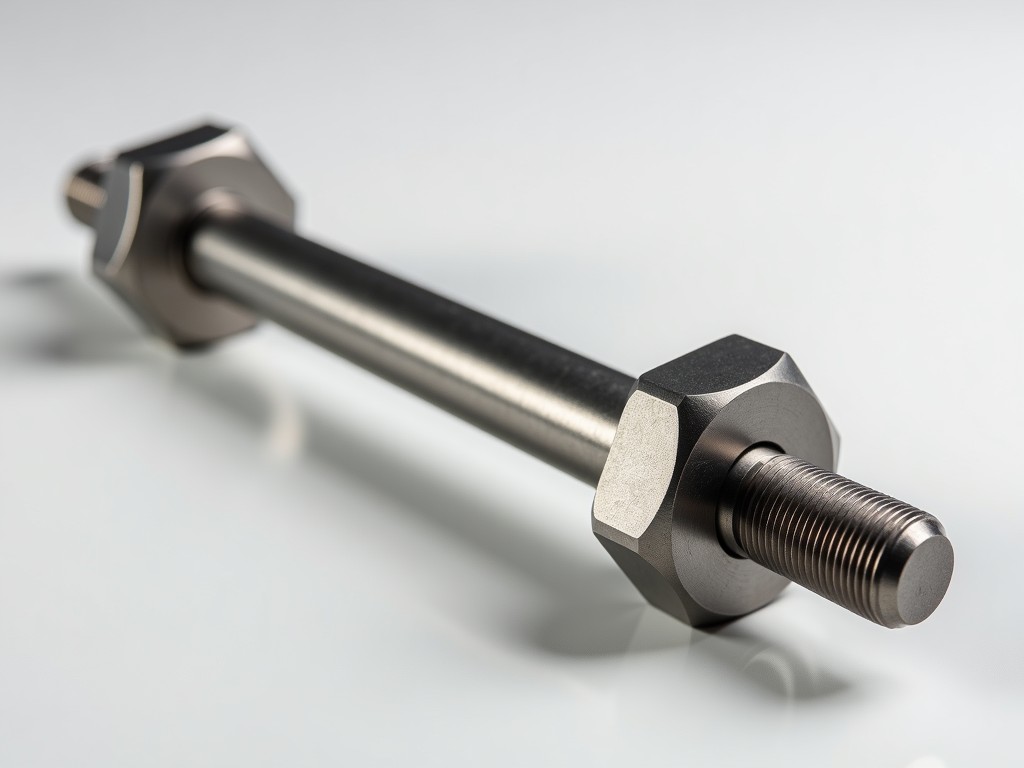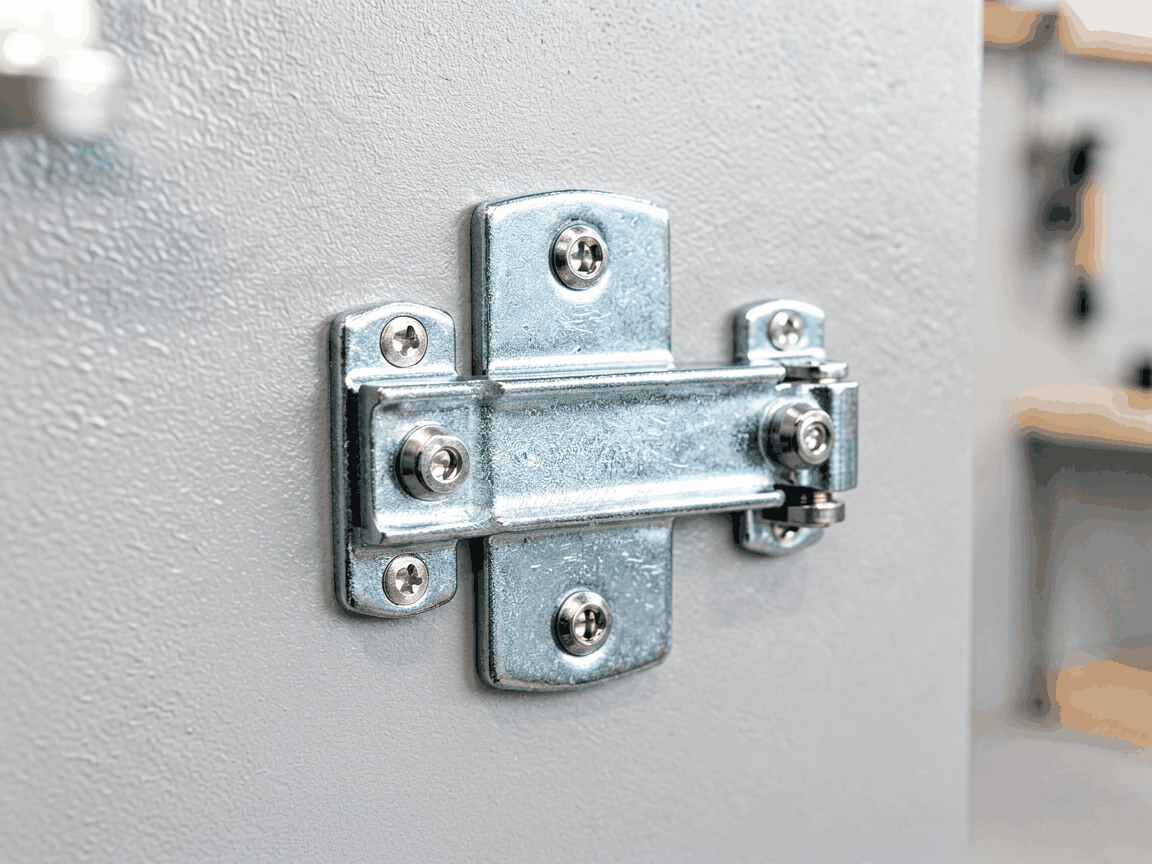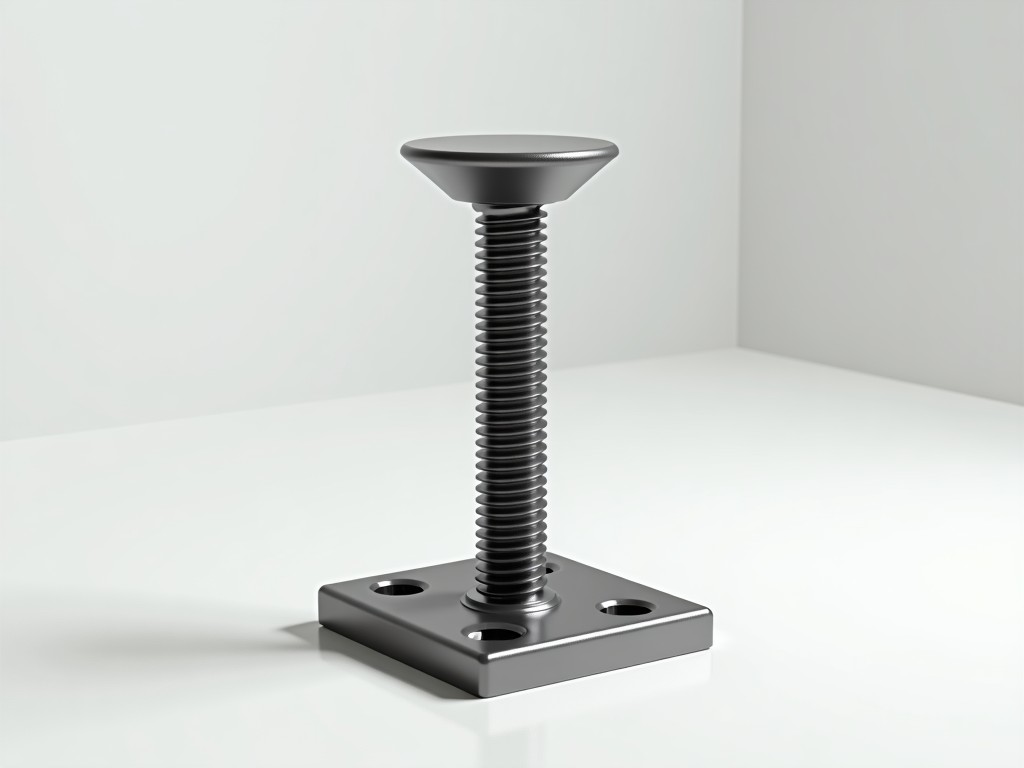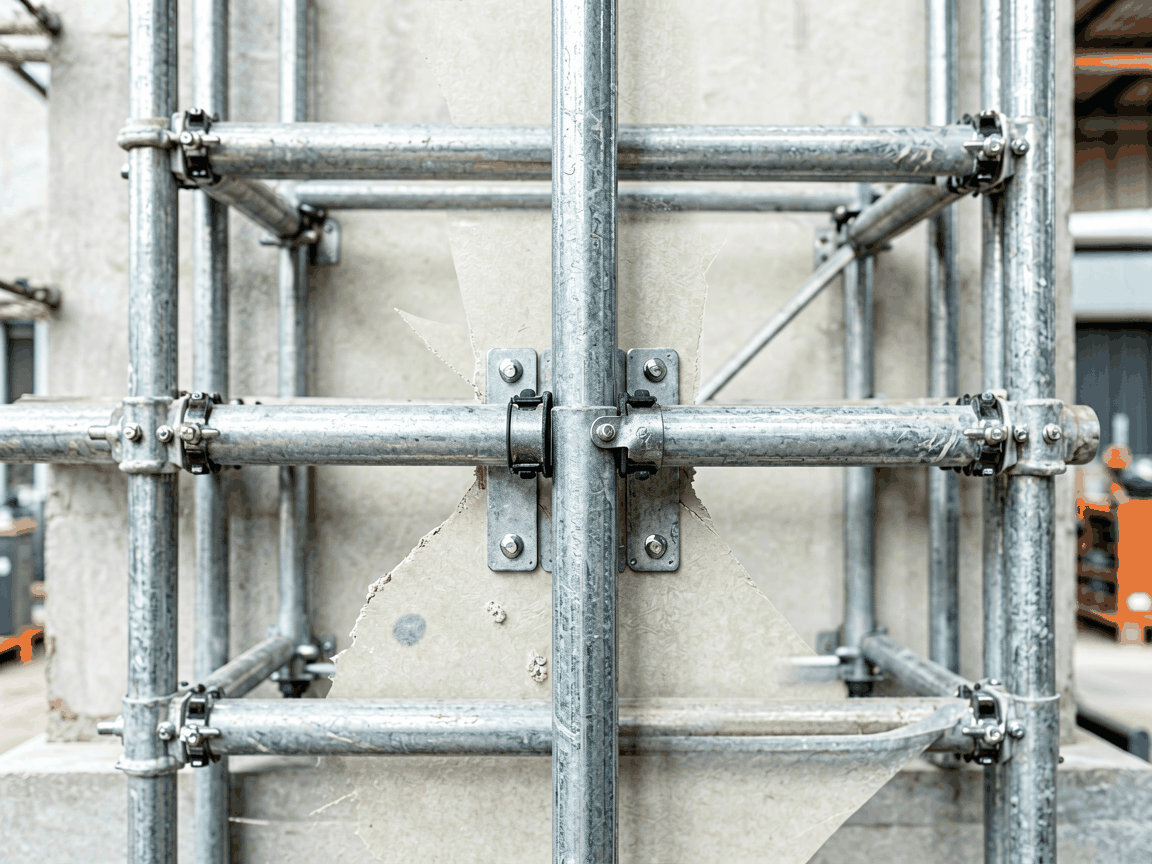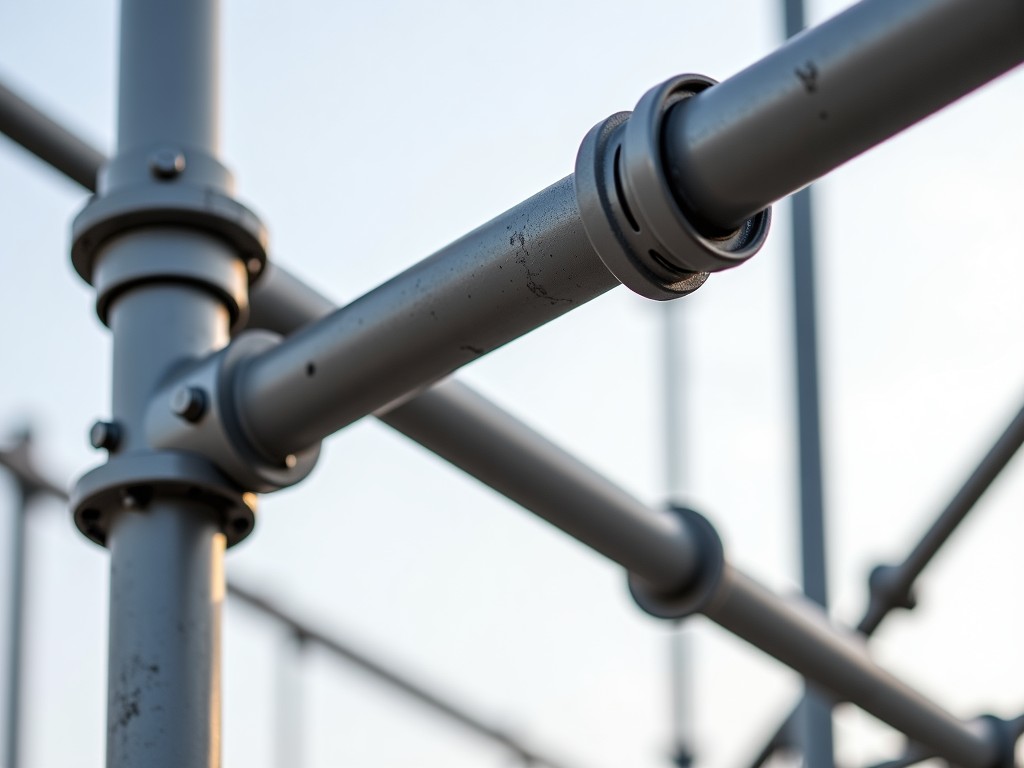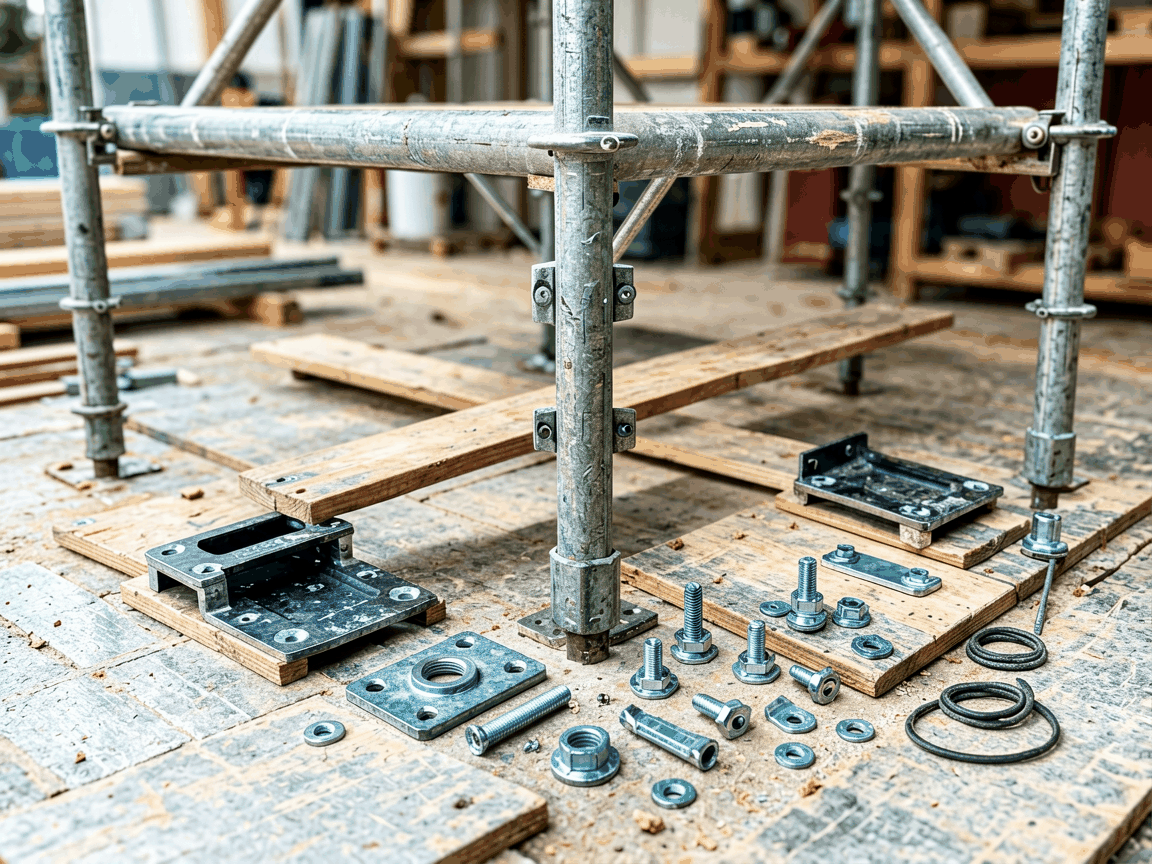
Scaffolding board brackets and fixings are critical components that securely connect scaffold planks to the supporting framework, ensuring load transfer, stability, and worker safety at height. Their design must account for dynamic loads, environmental exposure, and repeated assembly cycles while maintaining compatibility with various board thicknesses and tube diameters. Selecting the appropriate fixing system reduces installation time, minimizes slip risk, and extends the service life of both the scaffold and the boards it supports.
The primary function of a scaffolding bracket is to transfer vertical and lateral loads from the board to the scaffold tube without inducing localized deformation or slip. Effective designs distribute force across a broad bearing surface to prevent tube crushing or board splitting. Fixings such as bolts, pins, or wedges must maintain clamping force under vibration and thermal cycling, requiring precise tolerances and corrosion-resistant materials to avoid loosening over time.
Brackets are typically manufactured from hot-dip galvanized steel to BS EN ISO 1461, providing a minimum zinc coating of 55 µm for outdoor durability. In marine or industrial environments, stainless steel grades 304 or 316 may be specified to resist chloride-induced pitting. The fixing hardware—such as high-tensile bolts or scaffold pins—must match the bracket’s material grade to prevent galvanic corrosion, particularly when dissimilar metals are exposed to moisture.
Brackets must accommodate standard scaffold board thicknesses (38 mm, 50 mm, or 63 mm) and tube diameters (48.3 mm OD). Internal dimensions are engineered with tolerances of ±0.5 mm to allow for thermal expansion and ease of installation while preventing excessive play. Some designs incorporate adjustable jaws or sliding plates to suit non-standard board widths or tapered tube ends, reducing the need for custom fabrication on site.
Common fixing methods include wedge locks, which use tapered elements to generate clamping force via hammer impact; bolt-through plates, which rely on torque-controlled fasteners for repeatable preload; and spring-loaded pins, which enable rapid installation but require periodic inspection for fatigue. Each method presents trade-offs between installation speed, adjustability, and maintenance frequency, influencing suitability for short-term versus long-duration projects.
| Parameter | Typical Value | Notes |
|---|---|---|
| Maximum Working Load (per bracket) | 2.5 kN | Vertically applied, based on EN 12811-1 |
| Bracket Material | S275JR hot-dip galvanized | Zinc coating ≥55 µm |
| Fixing Bolt Grade | 8.8 high tensile steel | Galvanized to match bracket |
| Board Thickness Range | 38–63 mm | Accommodates timber and LVL boards |
| Tube Diameter Compatibility | 48.3 mm OD | Standard scaffold tube |
| Operating Temperature | -20°C to +60°C | |
| Salt Spray Resistance | 500 hours (ISO 9227 NSS) | For galvanized finish |
Proper installation requires verifying that the bracket sits flush against the tube and that the board is fully seated without gap or tilt. Torque specifications for bolted fixings must be followed to avoid over-tightening, which can cause tube ovalization, or under-tightening, leading to slip under load. Quality control procedures include dimensional inspection of critical interfaces, coating thickness verification via magnetic gauges, and functional testing of locking mechanisms under simulated load cycles.
These components are used in tube-and-coupler, frame, and system scaffolds where timber or engineered wood boards form the working platform. In suspended scaffolding, brackets must resist uplift forces from wind or dynamic loading, often requiring secondary safety ties. In shoring and formwork applications, they transfer concrete pour loads to the scaffold, necessitating higher safety factors and more frequent inspection intervals due to sustained loading.
While standard brackets suit most construction scenarios, projects involving curved façades, non-uniform board spacing, or restricted access may require modified geometries. Custom options include offset brackets to clear protrusions, extended legs for deeper tube engagement, or reinforced plates for high-load zones. Such adaptations are developed from site drawings and load calculations, ensuring compatibility without compromising structural integrity.
To receive an accurate quotation, provide the scaffold system type, board material and dimensions, expected load conditions, and environmental exposure. Samples are available for validation upon request, and technical datasheets include load tables, installation guides, and maintenance schedules. Lead times typically range from 2 to 4 weeks for standard items, with expedited options available for project-critical components.
For detailed specifications, customization requests, or to discuss your project requirements, contact our technical team.