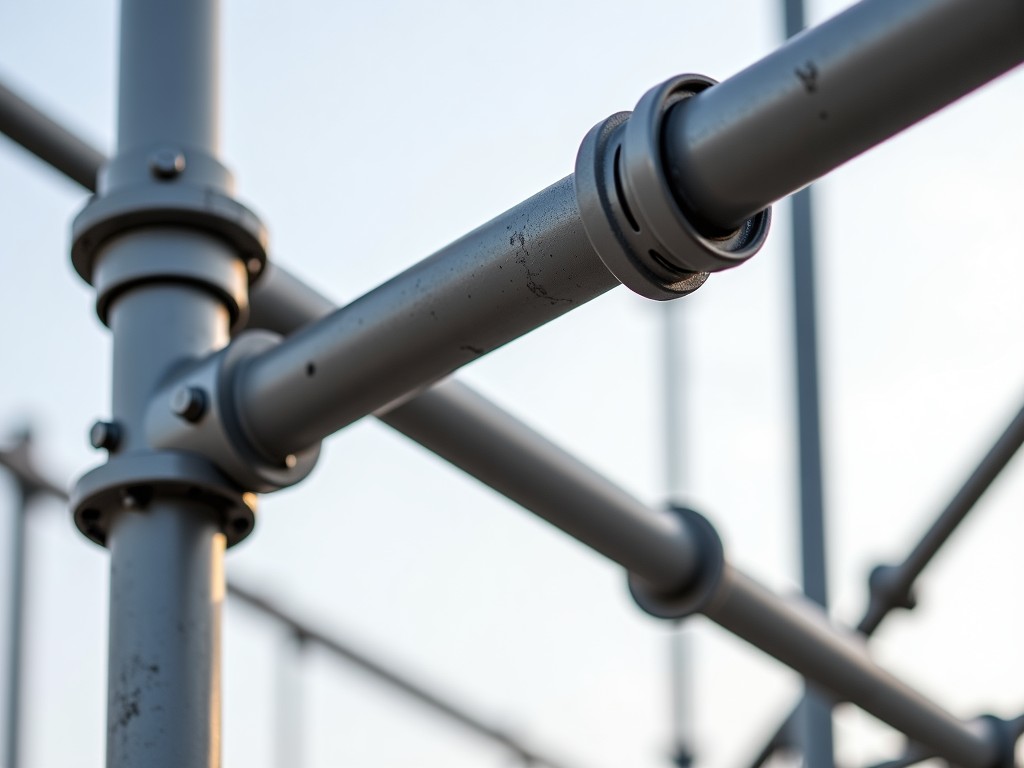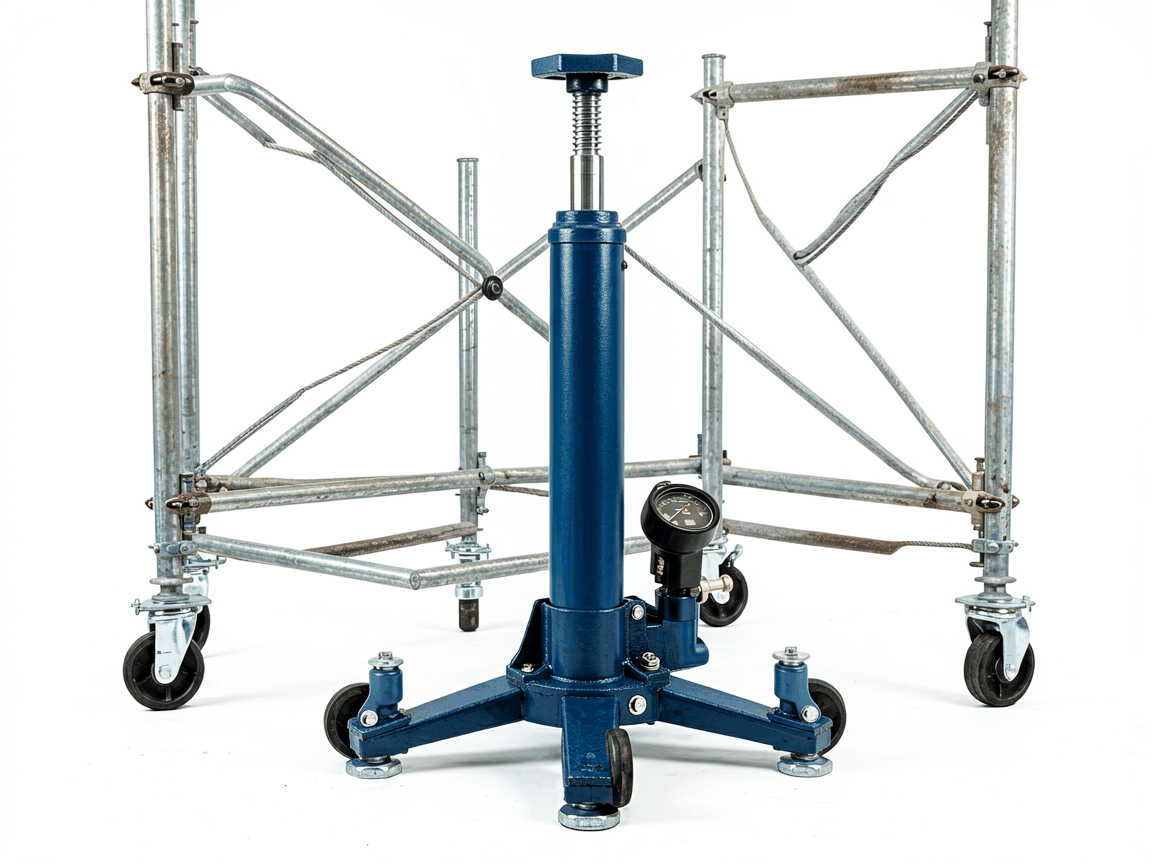
An adjustable base leveling jack is a critical component in temporary scaffolding systems, designed to compensate for uneven ground conditions while maintaining structural stability. It provides vertical adjustment through a threaded mechanism, allowing precise height control to ensure scaffold platforms remain level and plumb under load. This component is essential for safety compliance and efficient erection on variable terrain.
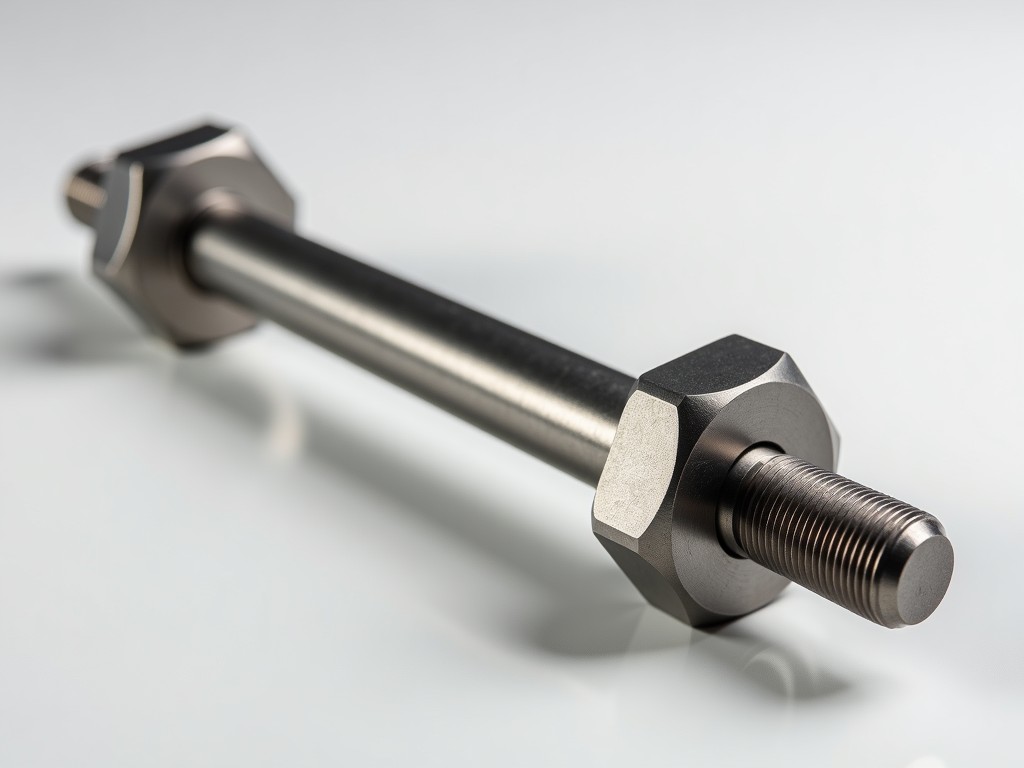
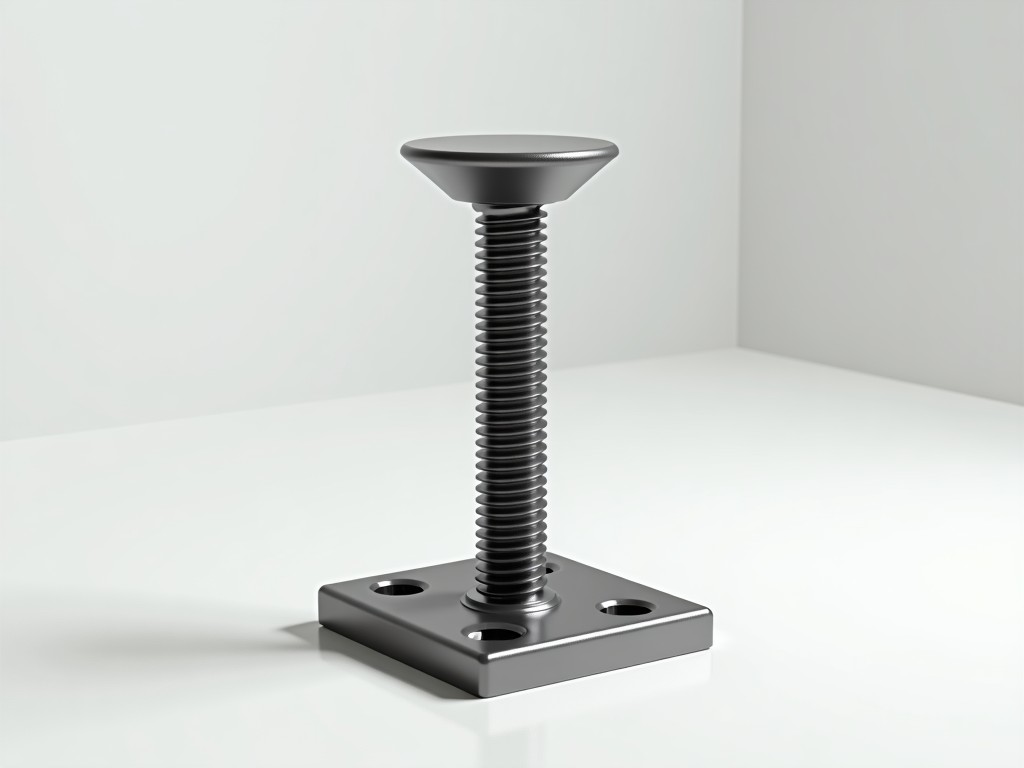
The leveling jack consists of a steel base plate, a threaded spindle, and an adjustable nut or handle assembly. The base plate distributes load over a larger surface area to prevent sinking into soft soil, while the spindle—typically Acme or trapezoidal thread—converts rotational force into linear displacement. Rotation of the handle raises or lowers the spindle, enabling fine adjustments typically within a 150–300 mm range depending on model. Locking mechanisms, such as set screws or clamp collars, secure the position once adjusted.
Load capacity is determined by spindle diameter, material grade, and thread engagement length. Common configurations support working loads from 20 kN to 40 kN per jack, with ultimate strength designed to exceed 4:1 safety factor under static conditions. The threaded interface must resist galling and maintain smooth operation after repeated use, especially in environments exposed to moisture, cement, or debris.
Base plates are commonly fabricated from hot-rolled steel plate (Q235 or equivalent) with a minimum thickness of 8–12 mm to resist deformation under concentrated loads. Spind loads. Spindles are typically made from medium carbon steel (e.g., 45#) or alloy steel, hardened and tempered to achieve tensile strength of 600–800 MPa. Surface treatments include hot-dip galvanizing (minimum 60 μm zinc coating) or electro-galvanizing for corrosion resistance, with galvanizing preferred for outdoor, long-term use.
In high-moisture or chemically aggressive environments, stainless steel (AISI 304 or 316) spindles and base plates may be specified to prevent rust-induced seizing. Thread lubrication points or grease fittings are sometimes incorporated to maintain operability. The design avoids welded joints on load-bearing threads to eliminate weak points; instead, spindles are machined from solid bar stock.
The effectiveness of a leveling jack depends on how well it transfers load from the scaffold standard to the supporting surface. A larger base plate reduces ground pressure—critical on soft soil, gravel, or asphalt—where bearing capacity may be limited. For example, a 150 mm × 150 mm base plate exerts approximately half the pressure of a 100 mm × 100 mm plate under the same load, significantly reducing settlement risk.
Angular misalignment between the spindle and base plate is minimized through precise machining or use of pivoting base designs in some models, ensuring the load remains axial. Eccentric loading can induce bending moments in the spindle, potentially leading to buckling under combined compression and lateral force. Proper installation requires the jack to be positioned vertically and the base fully seated on compacted, level ground.
Vertical adjustment is achieved via thread pitch and handle rotation. A typical trapezoidal thread with 6 mm pitch requires approximately 25 rotations to achieve 150 mm of lift. Finer pitches offer greater precision but slower adjustment; coarser pitches allow faster movement at the expense of resolution. Handles are often detachable or foldable to prevent snagging and reduce storage footprint.
Some models incorporate a dual-handle system or ratchet mechanism to enable operation in confined spaces or by a single worker. Anti-slip features on the handle—such as knurling or rubber overlays—improve grip when wearing gloves. The threaded section is usually protected by a removable cap or bellows to prevent ingress of concrete slurry, sand, or debris that could compromise thread integrity.
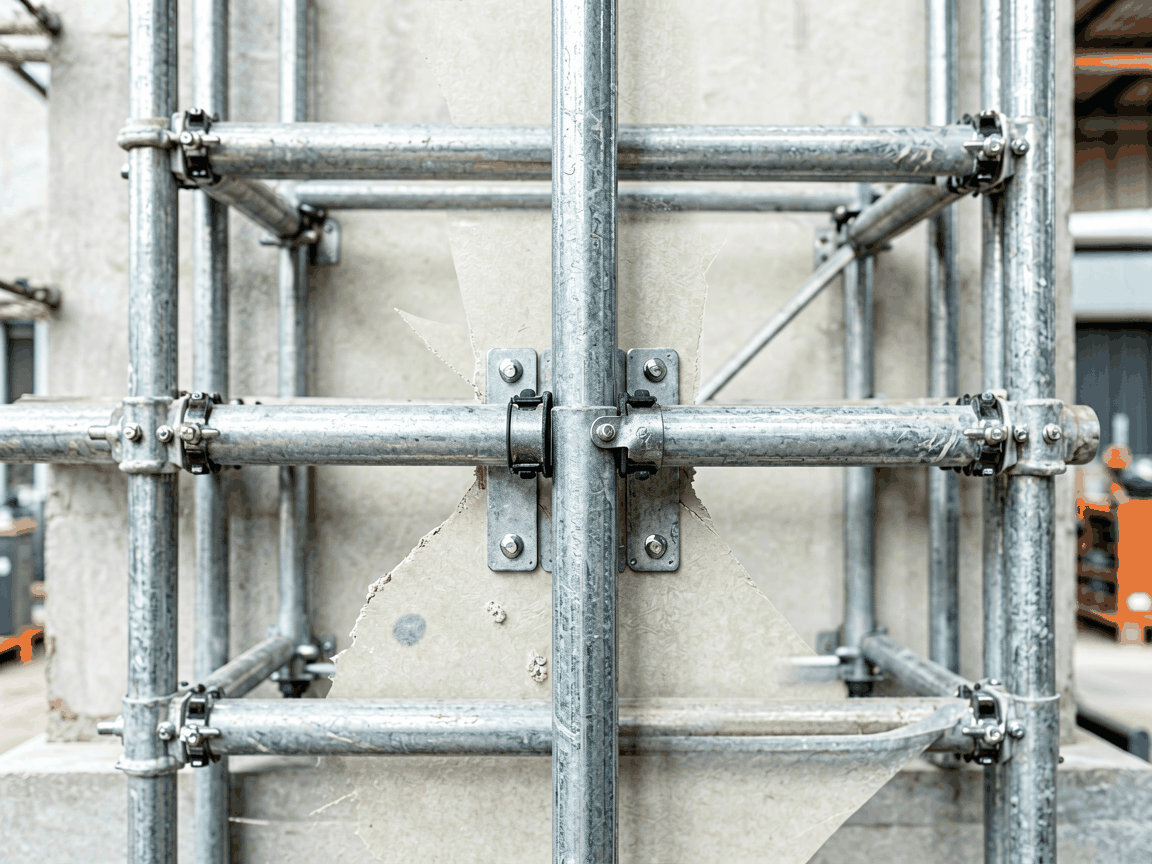
Leveling jacks are designed to interface with specific scaffolding standards via a receptacle or spigot on the top of the spindle. Common connections include pin-and-socket, bolt-through flange, or tapered insert systems compatible with Cuplock, Kwikstage, Ringlock, or tube-and-coupler standards. The upper fitting must maintain concentricity and resist lateral displacement under load.
Interchangeability between manufacturers is limited due to proprietary top fittings; however, base plate dimensions and thread specifications often follow regional norms (e.g., EN 74, BS 1139, or ANSI/SSFI standards). When integrating with existing systems, verify the spindle outer diameter, top fitting geometry, and thread type to ensure proper engagement and load transfer.
Dimensional accuracy of the thread is critical; pitch diameter and flank angle must conform to tolerances (e.g., ISO 724/725) to prevent binding or uneven wear. Each spindle undergoes thread rolling or cutting followed by hardness testing (typically HRC 22–32 for tempered steel). Base plates are checked for flatness and thickness uniformity using calibrated gauges.
Post-galvanizing, coating thickness is measured via magnetic induction to ensure compliance with ISO 1461. Visual inspection checks for cracks, burrs, or deformation. Batch testing may include proof load verification at 1.5× working load to confirm elastic behavior and absence of permanent deformation. Traceability is maintained via heat numbers and production codes.
Adjustable base leveling jacks are indispensable in scaffolding erection on uneven terrain, such as sloped sites, renovations with uneven foundations, or infrastructure projects involving buried utilities. They enable rapid establishment of a horizontal working platform without extensive ground grading, reducing setup time and labor.
In facade access, they allow precise alignment of working levels with building contours, ensuring consistent toe-board height and guardrail compliance. For shoring and formwork support, they maintain verticality of support columns under wet concrete load, preventing differential settlement that could compromise concrete surface finish. They are also used in stage scaffolding, event structures, and industrial maintenance where ground conditions vary across the footprint.
Before installation, inspect the spindle for straightness, thread damage, or corrosion that could impede rotation. The base plate must be flat and free of debris. Place the jack on compacted soil, gravel, or a load-distributing pad (e.g., timber or steel mat) if bearing capacity is uncertain. Never use on loose fill, soft clay, or frozen ground prone to thaw settlement.
Adjust to approximate height, insert the scaffold standard, then fine-tune using a spirit level or laser level at the platform. Once level, secure the adjustment nut with a set screw or lock pin to prevent vibrational loosening. Recheck alignment after initial load application, as settlement may occur in the first 24 hours. Periodic inspection during long-term use is recommended, especially after adverse weather or impact events.
| Parameter | Typical Range | Notes |
|---|---|---|
| Working Load per Jack | 20–40 kN | Depends on spindle diameter and material |
| Adjustment Range | 150–300 mm | Custom lengths available |
| Base Plate Size | 100×100 mm to 200×200 mm | Larger plates reduce ground pressure |
| Thread Type | Trapezoidal or Acme | 6–8 mm pitch common |
| Surface Treatment | Hot-dip galvanizing | Min. 60 μm Zn coating |
| Material Standard | Q235 base, 45# spindle | Stainless steel optional |
Proper selection and installation of adjustable base leveling jacks directly influence scaffold safety, erection efficiency, and long-term stability. By compensating for ground irregularities through precise mechanical adjustment, they enable compliant, load-bearing temporary structures across diverse site conditions. Engineers and planners should evaluate load requirements, terrain variability, and compatibility with the chosen scaffolding system when specifying these components.
For technical inquiries, customization requests, or quotation details regarding threading, materials, base plate dimensions, or system compatibility, please contact our engineering team. Provide project-specific parameters such as expected load, ground conditions, scaffold type, and required adjustment range to receive accurate recommendations and lead times.
Contact Engineering Team