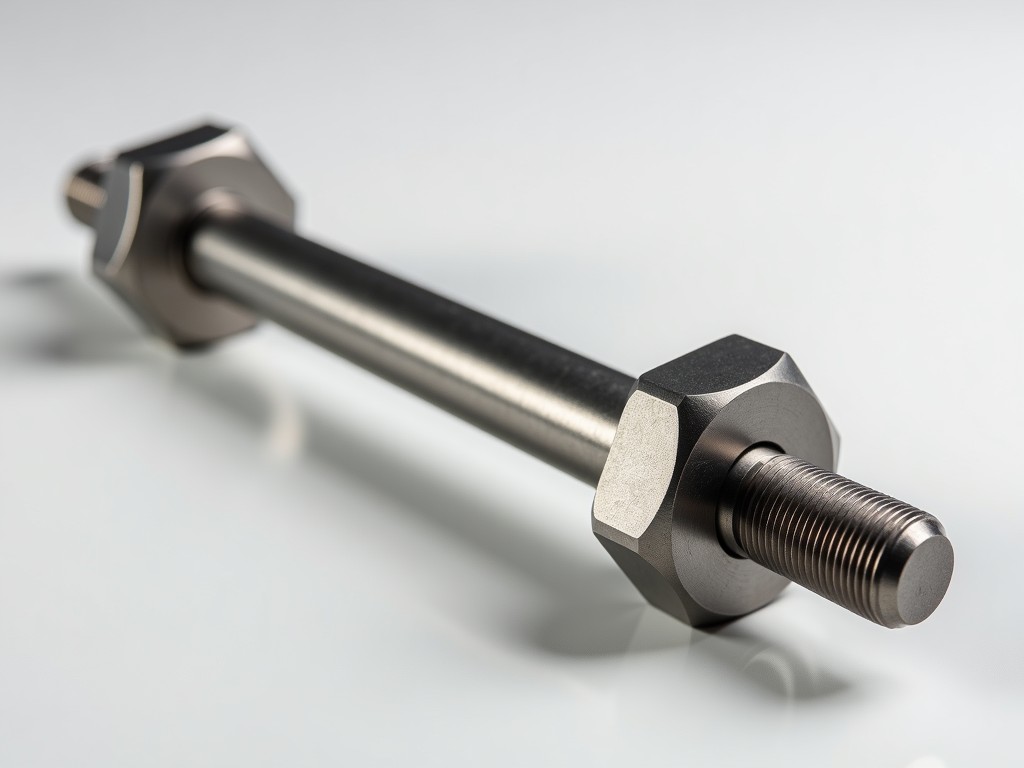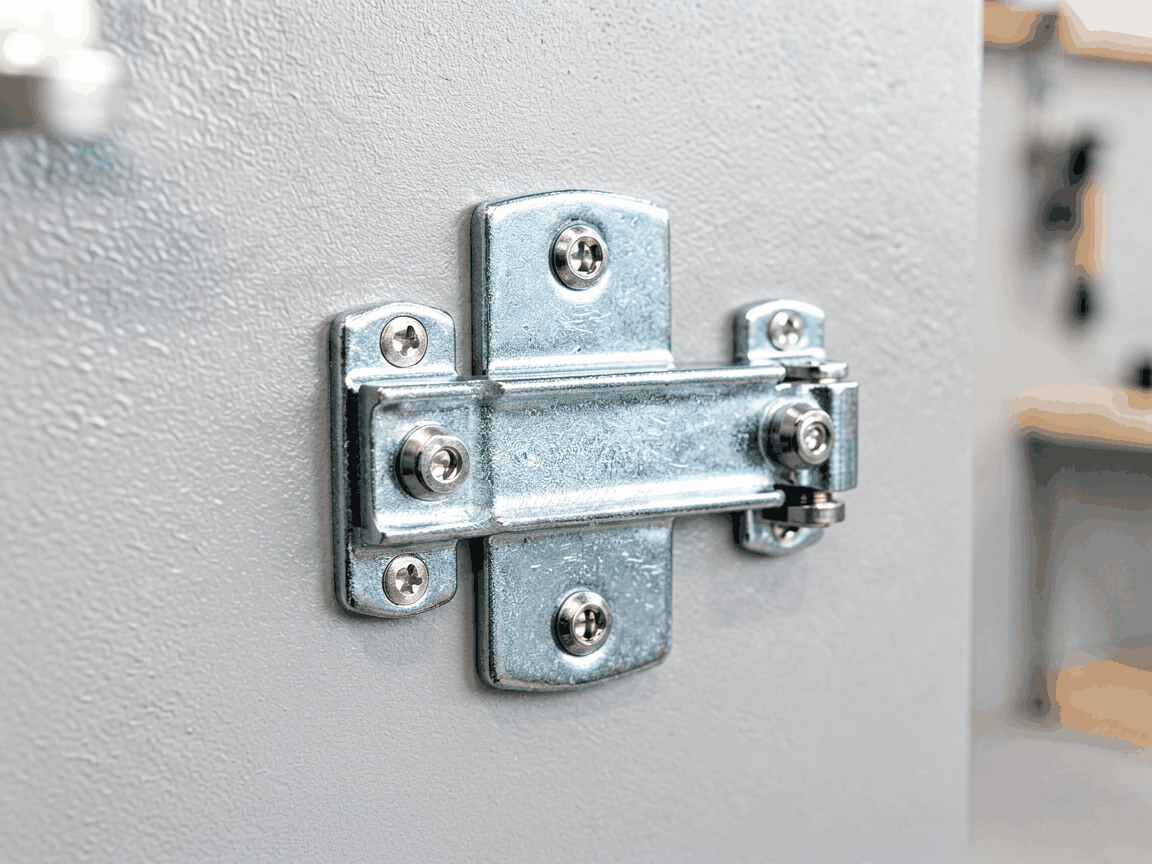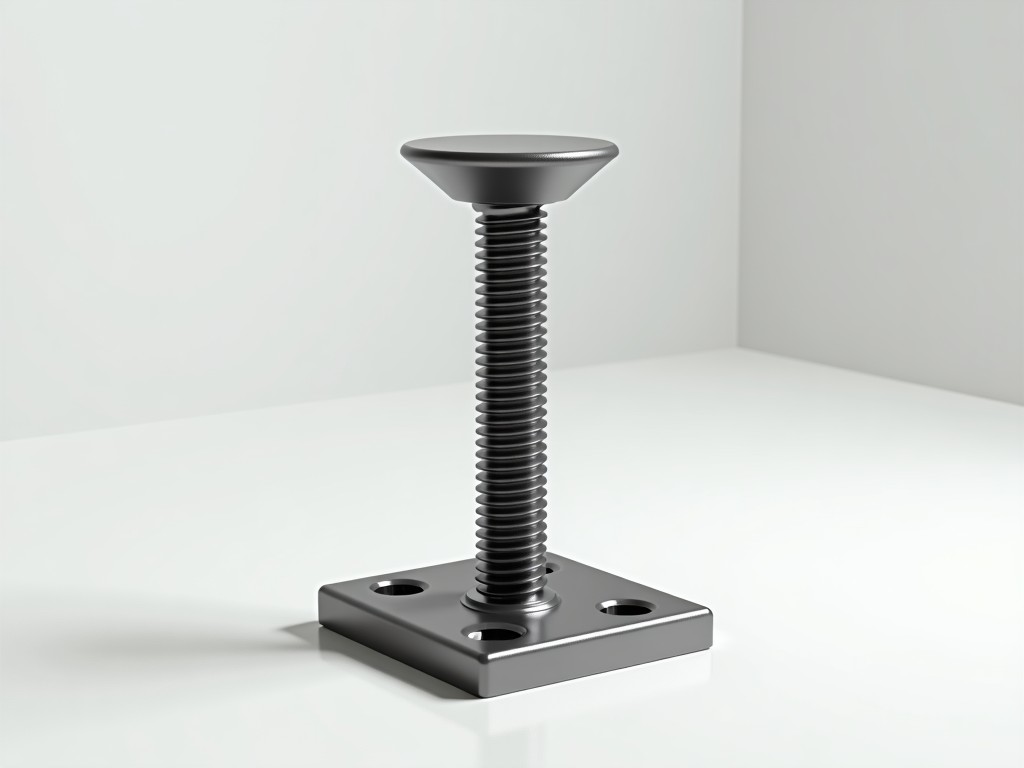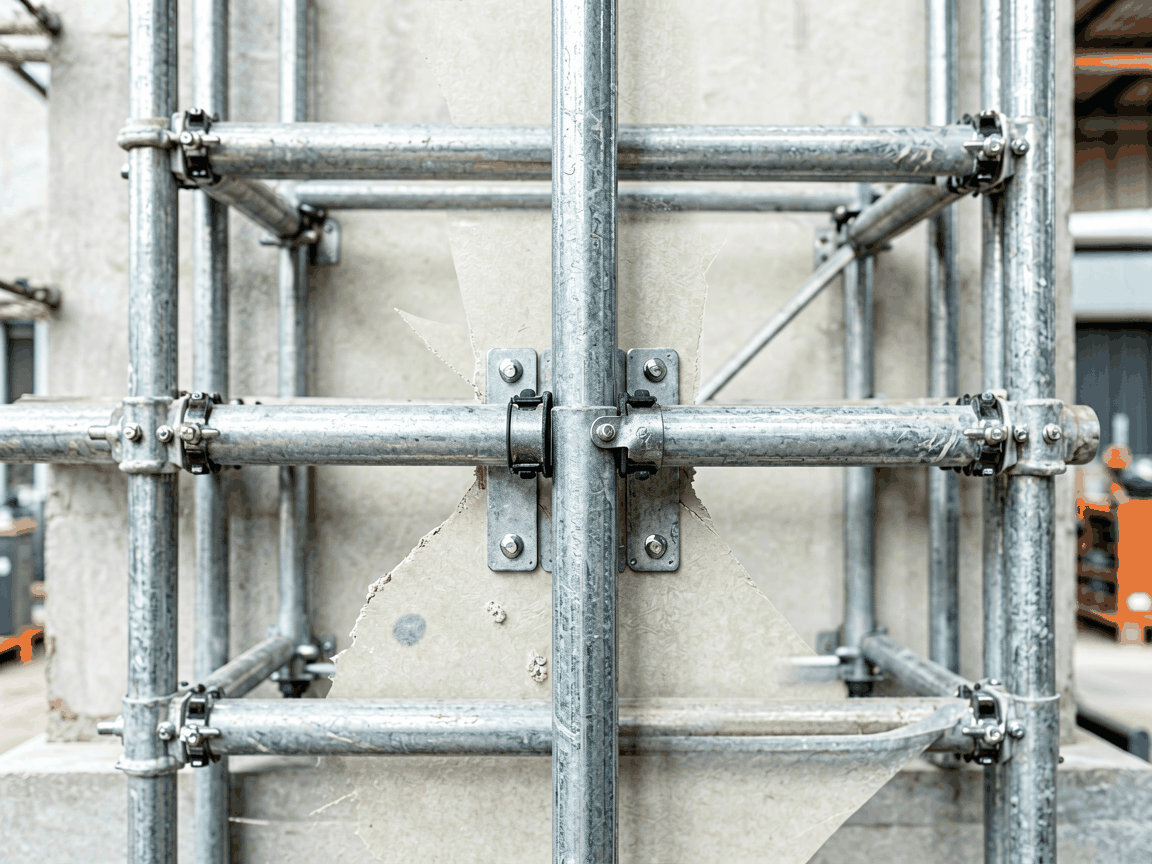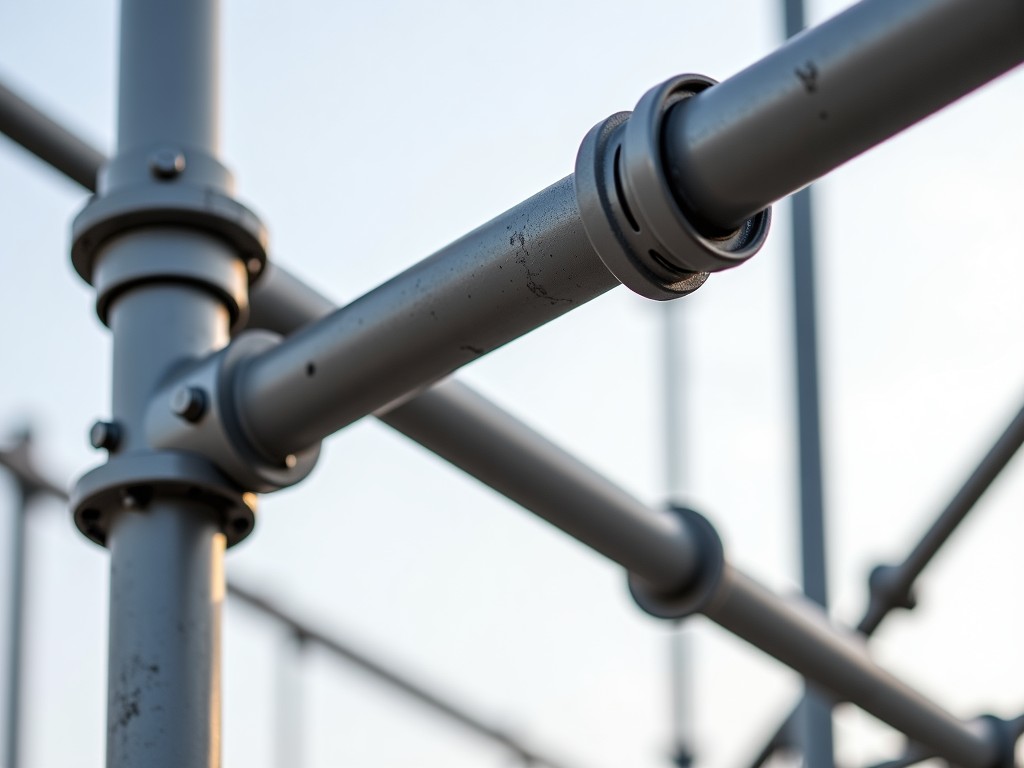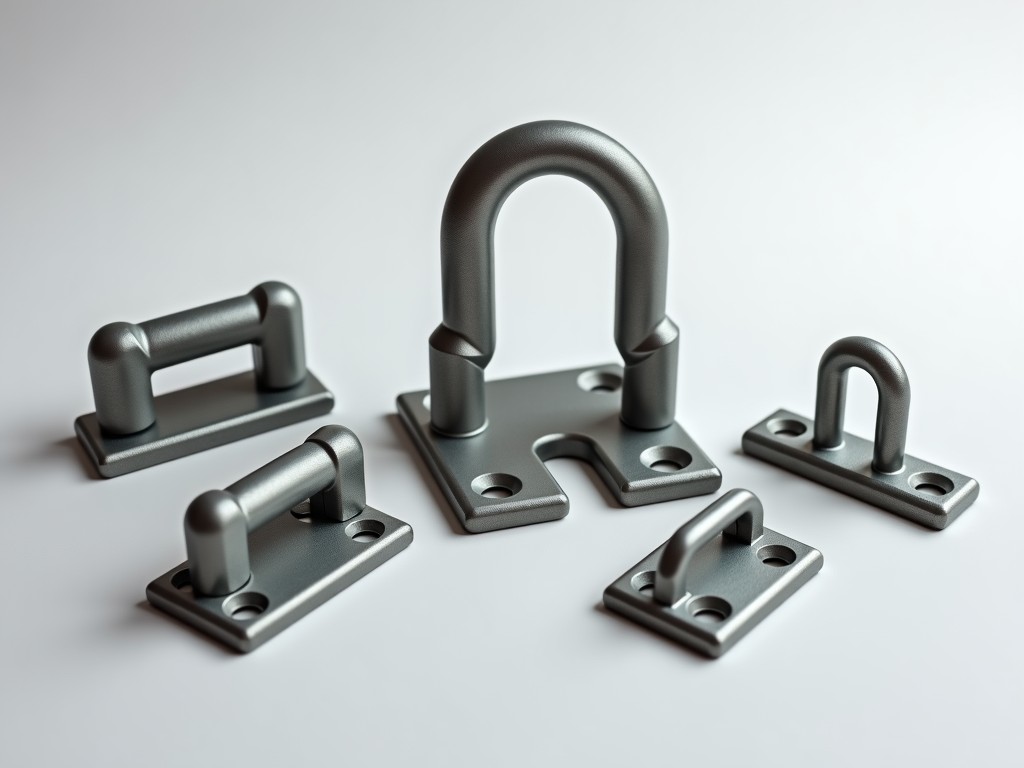
Scaffold tie hook fittings are critical connection components used to secure scaffolding systems to structural elements of buildings under construction, renovation, or maintenance. Their primary function is to transfer lateral and vertical loads from the scaffold to the building substrate, preventing instability and ensuring worker safety. As a dedicated factory specializing in these components, we focus exclusively on the design, material selection, manufacturing precision, and quality verification required for reliable performance in demanding construction environments.
Unlike general hardware suppliers, our factory operates with engineering-led processes tailored to the specific load paths, fatigue cycles, and environmental exposures encountered in temporary works. This specialization allows us to optimize geometries, control material inconsistencies, and implement traceable quality controls that reduce field failure risks. Understanding the technical basis of these fittings enables procurement teams to evaluate suppliers not just on price, but on functional suitability and long-term project safety.
The design of scaffold tie hook fittings begins with load analysis based on regional scaffolding standards (such as EN 12811, OSHA 1926 Subpart L, or AS/NZS 1576). Key forces include tensile loads from wind or inertia, shear loads from lateral movement, and moment loads caused by eccentric connections. Our standard configurations are engineered to resist characteristic loads with minimum safety factors of 4:1 for ultimate tensile strength, verified through finite element analysis and physical testing.
Geometric features are optimized to minimize stress concentrations. Radii at bend points are maintained above 3x material thickness where feasible, and hole edges are deburred to prevent crack initiation under cyclic loading. The hook throat depth is typically designed to accommodate standard tie tubes (Ø48.3mm) while maintaining sufficient overlap to resist disengagement under vibration. Protrusion lengths are calculated to ensure adequate embedment into substrates like concrete or masonry without causing spalling during installation.
Tolerance control is critical for functional interfaces. Hole diameters for bolted connections are held to H11 tolerances (±0.15mm for 12mm holes) to ensure proper bolt preload without binding. Hook profiles are inspected using go/no-go gauges to verify engagement depth and prevent over-insertion that could weaken the cross-section. These dimensional controls are not arbitrary—they directly affect load transfer efficiency and long-term fatigue resistance.
Material choice directly impacts strength, ductility, corrosion resistance, and weldability—all essential for safety-critical scaffolding components. We primarily use hot-rolled structural steel grades compliant with EN 10025-2, such as S235JR and S355JR, selected for their consistent yield strength, elongation, and impact toughness at low temperatures. S235JR offers a minimum yield strength of 235 MPa and tensile strength of 360–510 MPa, while S355JR provides 355 MPa yield and 470–630 MPa tensile strength, allowing for lighter sections where higher loads are expected.
For environments with elevated corrosion risk—such as coastal areas, industrial zones, or projects requiring extended exposure—we offer hot-dip galvanized finishes per EN ISO 1461, providing a minimum zinc coating thickness of 55 µm. This barrier protection significantly extends service life compared to untreated steel, particularly in humid or chloride-rich atmospheres. Alternative materials like stainless steel (grades 304 or 316) are available upon request for applications where galvanization is unsuitable due to aesthetic, hygiene, or electrochemical compatibility requirements.
All incoming materials are accompanied by mill test certificates (MTCs) verifying chemical composition and mechanical properties. Upon receipt, we conduct spectral analysis to confirm grade identity and hardness testing to validate heat treatment consistency. This traceability ensures that the material used in each batch matches the design assumptions, reducing uncertainty in structural performance.
Production begins with precision blanking or laser cutting of steel plates or strips to exact profiles, minimizing material waste and ensuring consistent grain orientation. Bending operations are performed on CNC press brakes with force feedback and angle encoders to achieve repeatable geometries within ±0.5° tolerance. For hook features requiring complex radii, we use dedicated forming dies that eliminate secondary operations and reduce handling-induced defects.
Hole preparation is critical for load-bearing integrity. We use precision drilling or punching followed by reaming where necessary to achieve smooth, burr-free holes with controlled diametral tolerance. Secondary operations like threading (for bolt-integrated designs) are performed using calibrated taps and dies to ensure thread depth and pitch accuracy, preventing strip-out under load. All machining parameters are logged and reviewed per batch to detect tool wear or process drift early.
Quality verification occurs at multiple stages. First-article inspection validates dimensional conformance against CAD models using calibrated CMMs or optical comparators. During production, statistical process control (SPC) monitors critical dimensions like hole diameter, hook depth, and material thickness. Final inspection includes visual assessment for surface defects, magnetic particle testing for subsurface cracks in high-stress areas, and pull-test validation on a sample basis to confirm ultimate load capacity meets design specifications.
Traceability is maintained through unique batch markings applied via laser etching or durable stamps, linking each component to its material certificate, production log, and inspection records. This system supports recalls, audits, or incident investigations if required. We do not rely on end-of-line sampling alone—our philosophy is to build quality in through process control, not inspect it out.
While standard designs cover the majority of scaffolding tie applications, project-specific constraints often require adaptations. Common variables include hook angle (typically 45° to 90° relative to the shank), protrusion length (ranging from 50mm to 200mm for different embedment depths), plate thickness (6mm to 12mm based on load requirements), and hole patterns for bolting or welding to structural substrates. These parameters are not arbitrary—they are derived from load calculations, accessibility constraints, and interface compatibility with existing structures.
We accommodate customization through flexible tooling and engineering support. For instance, asymmetric hook designs can be developed for edge-of-slab connections where standard symmetric hooks would interfere with formwork or reinforcement. Offset shanks are available to bypass protruding conduits or pipes without compromising load path integrity. In renovation projects, we can produce fittings with reduced protrusion to fit within shallow recesses while maintaining sufficient overlap with tie tubes.
Surface treatments beyond hot-dip galvanizing include sherardizing for uniform coating on complex geometries, or duplex systems (galvanized plus epoxy topcoat) for aggressive environments. For projects requiring non-conductive interfaces—such as near electrical installations—we offer insulated variants with nylon or PTFE coatings applied to contact surfaces. All customizations are reviewed for structural implications; we do not modify load-bearing sections without re-verifying strength and stiffness through analysis or testing.
Scaffold tie hook fittings are most commonly used in facade scaffolding systems where the scaffold must be restrained against wind loads and dynamic forces from worker activity or equipment movement. By tying the scaffold to the building structure at regular vertical and horizontal intervals, these fittings convert what would be a freestanding tower into a laterally braced system, significantly reducing buckling risk. The frequency of ties is dictated by scaffolding height, exposure conditions, and local regulations—typically every 3–4 meters vertically and 6–8 meters horizontally in exposed locations.
In concrete frame construction, ties are often installed during formwork cycles, anchoring to cast-in concrete elements like beams, columns, or shear walls. The embedded tie tube or bolt assembly is positioned before pouring, allowing the hook fitting to be attached immediately after stripping. This method ensures precise alignment and avoids drilling into cured concrete, which risks cracking or reduced anchorage capacity. For masonry substrates, we recommend using chemical anchors or expansion bolts with verified edge and spacing distances to prevent splitting.
Renovation and facade retention projects present unique challenges. Here, ties may need to connect to existing structures with unknown or variable substrate quality. Our factory provides technical guidance on assessing substrate strength and selecting appropriate anchor types—whether mechanical, chemical, or through-bolted—to ensure the tie system does not induce localized damage. We also supply shortened or angled variants for use in confined spaces like light wells or between adjacent buildings where standard fittings cannot be deployed.
Beyond building facade support, these fittings are used in shoring systems, temporary roofs, and access platforms where lateral stability is essential. In suspended scaffolding, tie hooks secure outriggers to structural anchors, preventing overturning moments. In all cases, the correct selection of hook geometry, material, and installation method directly influences the safety factor of the entire temporary works system.
| Aspect | Standard Configuration | Customized Solution |
|---|---|---|
| Load Capacity | Based on standard S235JR/S355JR sections; tested to 4:1 safety factor | Verified via FEA and physical test for specific load cases |
| Geometry | Fixed hook angle (typically 60°), protrusion (100mm), hole pattern | Adapted to site constraints (e.g., 30° offset, reduced embedment) |
| Material | Hot-rolled S235JR or S355JR; HDG coating | Stainless steel, duplex coating, or special alloys available |
| Lead Time | Stocked or 2–3 weeks for standard batches | 4–6 weeks including design review and tooling |
| Documentation | Material certificate, batch traceability | Full design dossier, calculation notes, test reports |
Our factory operates under a quality management system aligned with ISO 9001 principles, emphasizing process control, documentation, and continuous improvement. While we do not claim third-party certification unless explicitly audited, our internal procedures mirror the standard’s requirements for design control, supplier verification, production monitoring, and corrective action. This scaffold ensures consistency across batches and provides auditable evidence of conformity to customer specifications and applicable standards.
All tie hook fittings are designed and manufactured to meet the performance requirements of EN 74 (for couplers and fittings) and the relevant parts of EN 12811 (for temporary works equipment), particularly regarding mechanical strength, deformation limits, and durability. Although final certification of the scaffolding system rests with the erector or designer, we provide the necessary technical data—including material properties, dimensional tolerances, and test results—to support their compliance documentation.
We maintain a sample retention policy, storing representative specimens from each production batch for a minimum of 12 months. These samples are available for retesting if field performance is questioned or if a customer requests verification after extended storage. This practice demonstrates confidence in our process stability and provides a tangible link between factory output and long-term reliability.
Packaging is designed to prevent corrosion and mechanical damage during transit and storage. Components are grouped by size and type, separated by corrosion-inhibiting paper or plastic spacers, and placed in moisture-resistant cartons or steel-framed pallets. For export shipments, we use fumigated wooden pallets or plastic alternatives compliant with ISPM 15, and include desiccant packs to control humidity within the package. Each bundle is clearly labeled with part number, batch code, quantity, and handling instructions.
For technical inquiries, quotation requests, or to discuss project-specific requirements for scaffold tie hook fittings, please contact our engineering team. We provide detailed drawings, load tables, and material documentation upon request to support your design and procurement process.