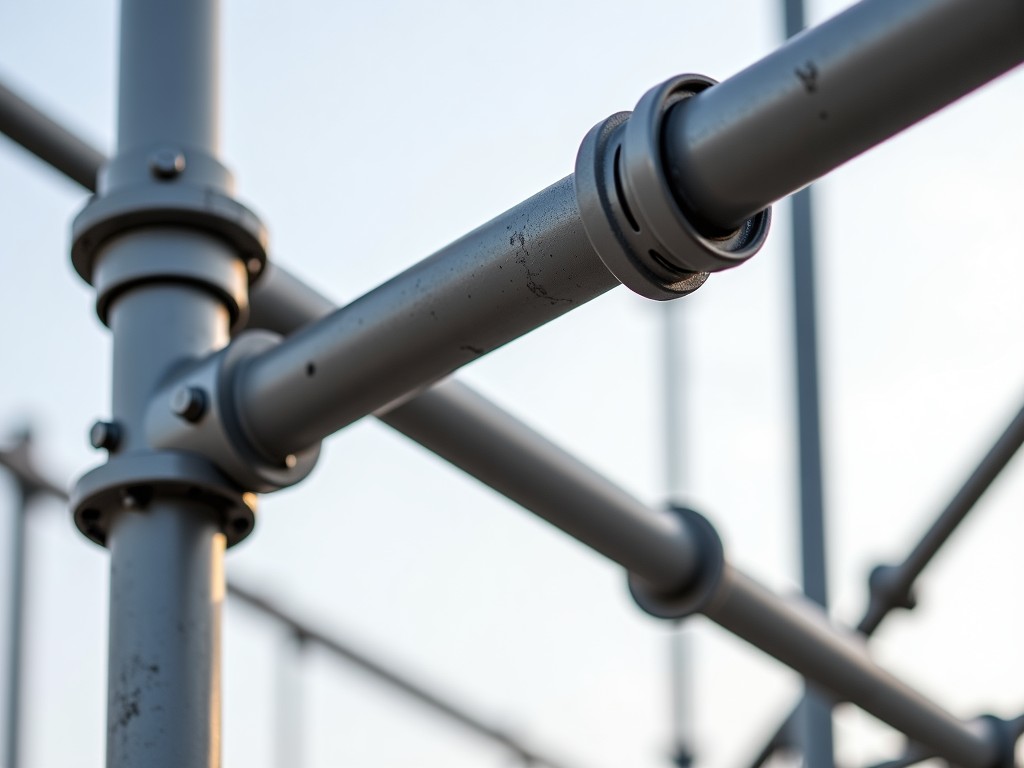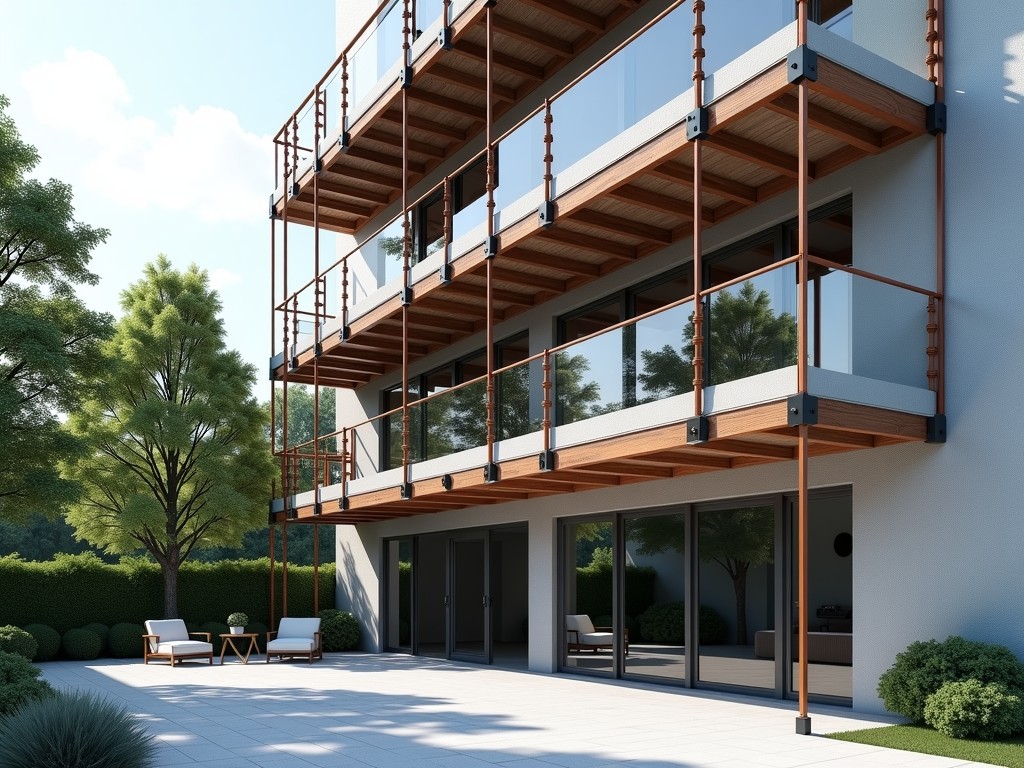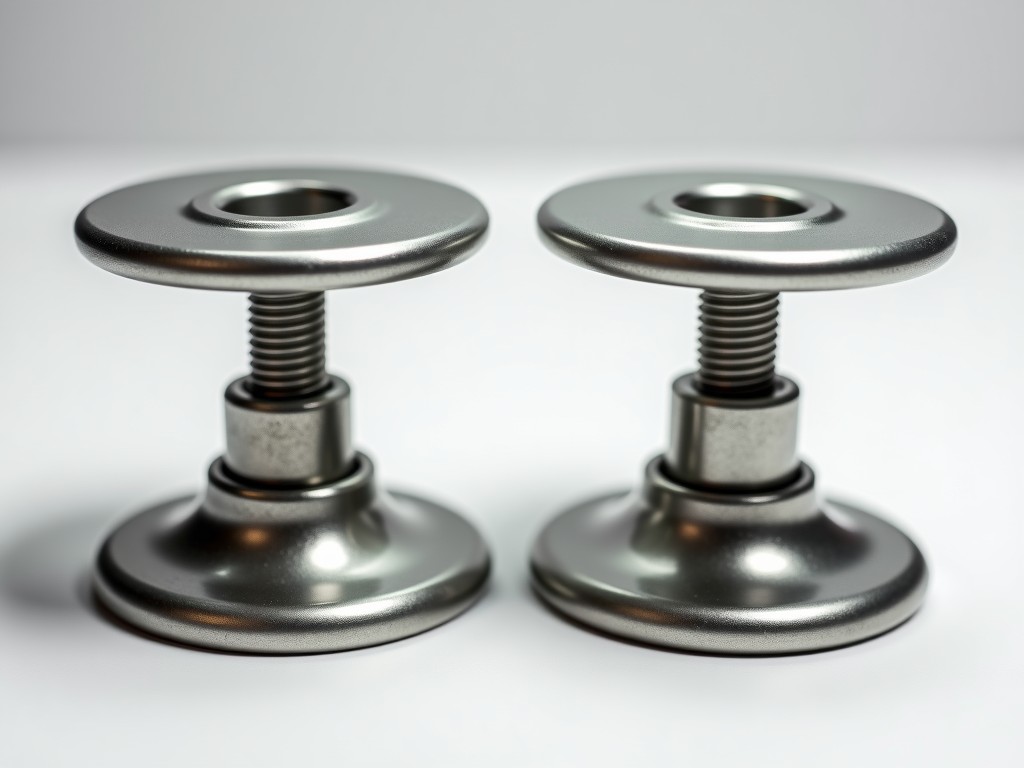
Scaffold swivel base plate jacks are adjustable support components designed to provide stable, level foundations for temporary scaffolding systems on uneven or sloped surfaces. They combine a threaded jack mechanism with a swiveling base plate to accommodate ground irregularities while maintaining vertical load transfer efficiency. These components are essential for ensuring structural safety and compliance with temporary works regulations in construction, maintenance, and industrial access applications.
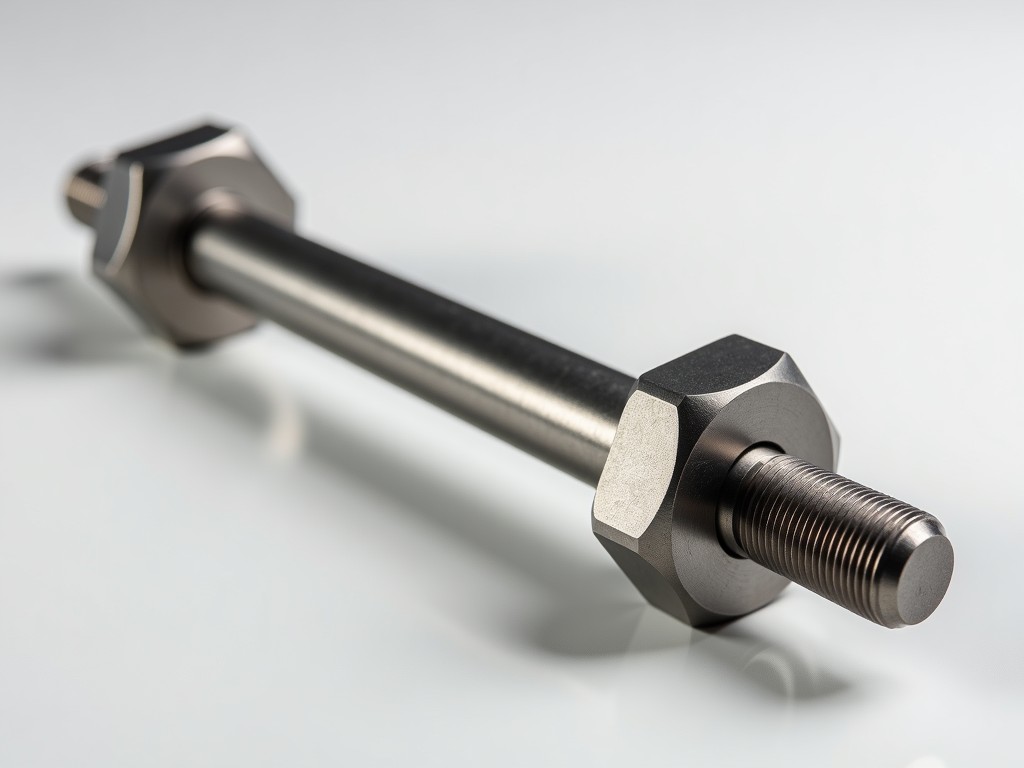
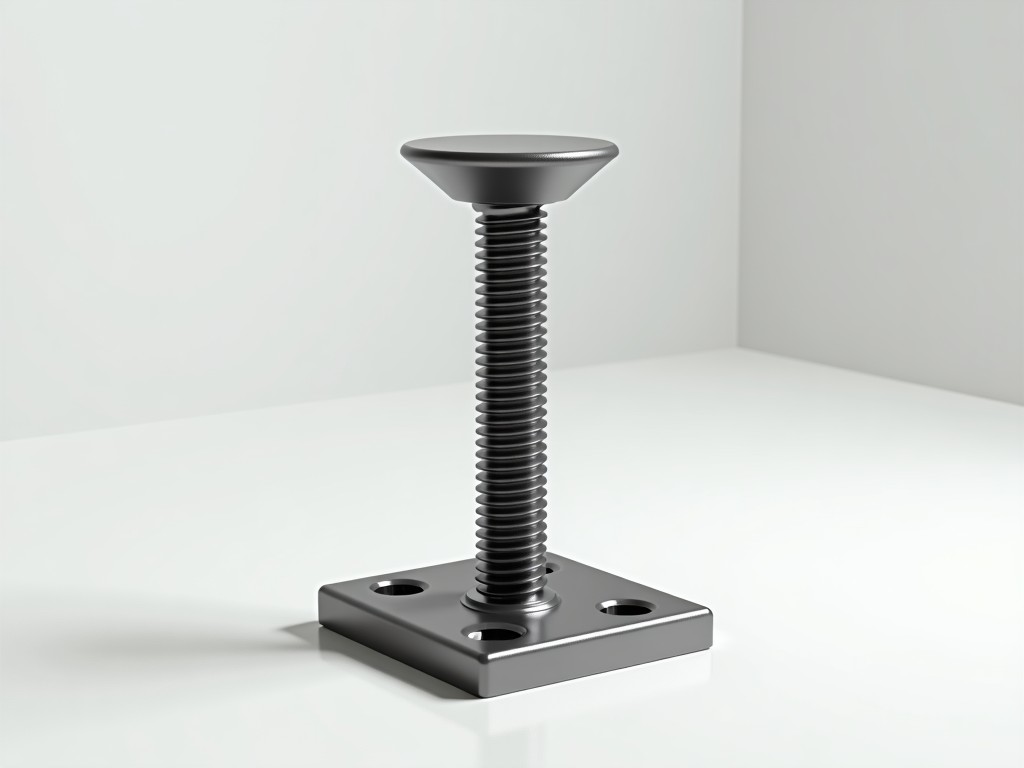
The swivel base plate jack consists of three primary elements: a threaded steel stem with ACME or trapezoidal thread form, a rotatable base plate with a domed or dished underside, and a locking mechanism to prevent unintended rotation under load. The stem engages with a fixed nut embedded in the base plate, allowing precise vertical adjustment when turned via a handle or wrench. Load is transferred axially from the scaffold standard through the stem into the base plate, which distributes the force over a larger area to prevent soil puncture or slab damage.
The swivel function allows the base plate to tilt up to 5–10 degrees from horizontal, compensating for minor ground slopes without inducing bending stresses in the scaffold tube. This articulation occurs via a spherical or conical seating interface between the stem and base plate, designed to maintain full contact even at maximum tilt. Unlike fixed base plates, which require shimming or trenching on uneven terrain, swivel jacks enable rapid, repeatable leveling with minimal site preparation.
Stems and base plates are typically manufactured from hot-rolled structural steel grades such as S275JR or S355JR, selected for their yield strength (275–355 MPa), ductility, and weldability. The threaded section is often induction-hardened to 40–45 HRC to resist thread galling and wear during repeated adjustment cycles. Base plates are forged or pressed from flat bar to achieve uniform grain flow and avoid porosity, with typical thicknesses ranging from 8–12 mm depending on load class.
Surface treatment is critical for durability in outdoor environments. Hot-dip galvanizing to ISO 1461 standards (minimum 55 µm zinc coating) is the most common finish, providing sacrificial protection against corrosion. Alternative coatings include sherardizing for threaded components or duplex systems (galvanized + powder coat) for high-exposure applications. Stainless steel variants (A2 or A4 grades) are available for chemical or marine environments where chloride-induced corrosion is a concern.
Standard swivel base plate jacks offer adjustment ranges between 300 mm and 600 mm, depending on stem length and thread pitch. Common thread pitches are 5 mm (ACME) or 6 mm (trapezoidal), requiring approximately 60–120 turns to traverse the full range. This provides a mechanical advantage of roughly 1:10 to 1:15, meaning a 200 N input force on the handle can generate 2–3 kN of output load—sufficient for manual operation under typical scaffold loads.
The swivel angle is mechanically limited by a physical stop or geometric interference to prevent over-rotation that could disengage the stem from the base plate nut. Most designs allow 5–10 degrees of tilt in any direction, sufficient for compensating for typical site gradients without reducing the effective bearing area below safe limits. Some heavy-duty models incorporate reinforced seating surfaces to maintain stability at higher tilt angles under dynamic loads.
Rated working loads for scaffold swivel base plate jacks typically range from 20 kN to 40 kN per unit, depending on stem diameter (usually 25–32 mm), material grade, and base plate size. These values are derived from structural analysis considering buckling resistance of the stem, bearing capacity of the base plate on soil or concrete, and thread shear strength. A minimum safety factor of 4:1 is applied to the ultimate failure load to determine the rated working load, accounting for dynamic effects, impact, and potential misuse.
Base plate dimensions are selected to limit ground pressure to acceptable levels—usually under 150 kPa for compacted soil and 300 kPa for concrete slabs. For example, a 150 mm × 150 mm base plate under a 30 kN load produces approximately 1.33 kN/cm² (133 kPa), which is suitable for most prepared subgrades. On softer surfaces, larger base plates (200 mm × 200 mm or greater) or load-spreading scaffolds may be required to prevent settlement.
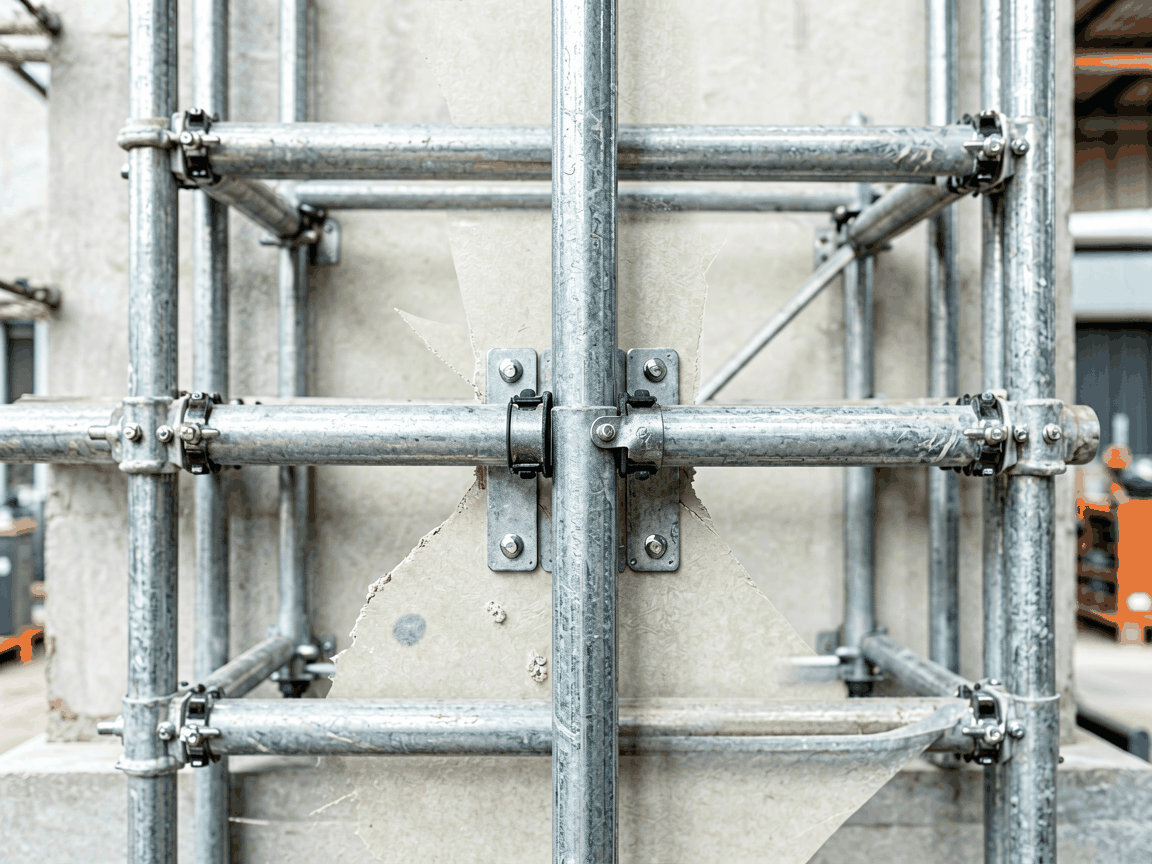
These jacks are predominantly used in facade scaffolding, birdcage scaffolds, and shoring systems where ground conditions vary across the footprint. In facade systems, they allow the inner and outer standards to be adjusted independently to maintain a parallel configuration despite sloping pavements or uneven foundations. In birdcage scaffolds supporting formwork or falsework, they enable precise elevation control to accommodate slab camber or beam deflection during concrete pouring.
Industrial maintenance teams use swivel base plate jacks to erect access platforms inside plants with uneven flooring, such as older factories or power stations with uneven foundations or trench covers. Their ability to compensate for slope without shimming reduces erection time and minimizes trip hazards from protruding wood or metal shims. In shipyards and offshore fabrication yards, they support staging on graded decks or ballasted surfaces where fixed bases would require extensive preparation.
Critical dimensions—stem straightness, thread pitch accuracy, base plate flatness, and swivel seating concentricity—are inspected using go/no-go gauges, coordinate measuring machines (CMM), and optical comparators. Thread engagement is verified to ensure a minimum of 1.5× the nominal diameter in full contact to prevent stripping under load. Base plates are checked for planarity; deviations exceeding 0.5 mm per 100 mm may induce point loading and are grounds for rejection.
Welded components, if any (such as handle attachments), undergo visual inspection and dye penetrant testing to detect surface cracks. Galvan coating thickness is measured magnetically at multiple points per batch, with adherence to ISO 1461 verified via sampling. Manufacturers maintain traceability through heat numbers and batch codes, enabling rapid investigation if field performance deviates from expectations. Load testing to 125% of rated capacity is sometimes performed on sample units to validate design assumptions.
| Parameter | Swivel Base Plate Jack | Fixed Base Plate Jack |
|---|---|---|
| Ground slope compensation | Up to 5–10° via articulation | Requires shimming or trenching |
| Erection time on uneven terrain | Reduced by 30–50% | Baseline |
| Risk of tripping from shims | Eliminated | Present if wood/metal shims used |
| Base plate contact consistency | Maintained at angle via spherical seat | Only level when ground is level |
| Manufacturing complexity | Higher (machined seat, swivel feature) | Lower (simple plate and stem) |
| Typical cost premium | 15–25% | Baseline |
While swivel jacks carry a modest cost premium due to additional machining and assembly steps, this is often offset by reduced labor and material costs associated with site preparation and shimming. The decision to use swivel versus fixed base plates should be based on a site-specific assessment of ground variability, project duration, and labor rates. For short-term jobs on uniformly level surfaces, fixed base plates may be more economical. For longer-term or repeatedly used systems on uneven ground, the efficiency and safety benefits of swivel jacks typically justify the investment.
Stem length and thread pitch can be adjusted to meet specific height requirements or compatibility with existing scaffolding systems. Base plate dimensions are scalable—increases of 25 mm increments are common—to suit varying ground bearing capacities. Handle types range from simple steel bars to ergonomic grips with built-in wrench sockets for faster operation. Some models incorporate captive handles to prevent loss on site.
Surface finishes can be customized beyond standard galvanizing, including epoxy coating for chemical resistance or zinc-nickel plating for enhanced corrosion protection in aggressive environments. Thread protection caps or dust seals are available to minimize contamination in dusty or sandy conditions. For rental fleets, barcoding or laser etching for asset tracking can be integrated during manufacturing.
Before each use, inspect the stem for straightness, bends, or cracks—particularly near the threaded section and handle attachment point. Check the thread for damage, deformation, or excessive wear that could compromise engagement with the base plate nut. Verify that the swivel moves freely through its full range without binding or rough spots, which may indicate corrosion, dirt ingress, or seat damage.
Examine the base plate for flatness, cracks, or corrosion pitting that could reduce bearing area or create stress concentrators. Ensure the galvanized coating is intact; any bare steel exceeding 2 mm² should be touched up with zinc-rich paint to prevent localized corrosion. Lubricate the thread periodically with a dry-film lubricant or anti-seize compound to maintain consistent torque and prevent galling—avoid petroleum-based greases that can attract dirt and degrade in UV exposure.
Swivel base plate jacks are typically bundled in quantities of 25 or 50 units per pallet, secured with stretch wrap and corner protectors to prevent shifting during transit. Each unit may be individually sleeved in polyethylene to protect the finish from abrasion. Pallets are labeled with part numbers, batch codes, and QR codes linking to material certificates and test reports. For export, packaging complies with ISPM 15 standards for wood pallets or uses alternative materials like plastic or metal pallets where required.
Handling should avoid dropping or impacting the threaded end, as this can cause micro-cracks or thread damage not visible externally. Units should be stored off the ground on dunnage to prevent moisture accumulation and corrosion during long-term storage. In high-humidity environments, desiccant packs or vapor corrosion inhibitors (VCI) may be included in the packaging to extend shelf life.
Standard configurations (e.g., 32 mm stem, 500 mm adjustment, 150 mm base plate, hot-dip galvanized) are usually available from stock or with a lead time of 2–3 weeks for regional distributors. Custom lengths, non-standard base plate sizes, or special coatings typically require 4–6 weeks, depending on raw material availability and production scheduling. Stainless steel variants may have longer lead times due to material sourcing and additional passivation requirements.
Quotations require clarification of: required load capacity, adjustment range, base plate dimensions, stem diameter, thread type, surface finish, and quantity. Providing a sketch or reference to the scaffolding system model helps ensure compatibility. For large or recurring orders, framework agreements can be established to fix pricing and prioritize production slots.