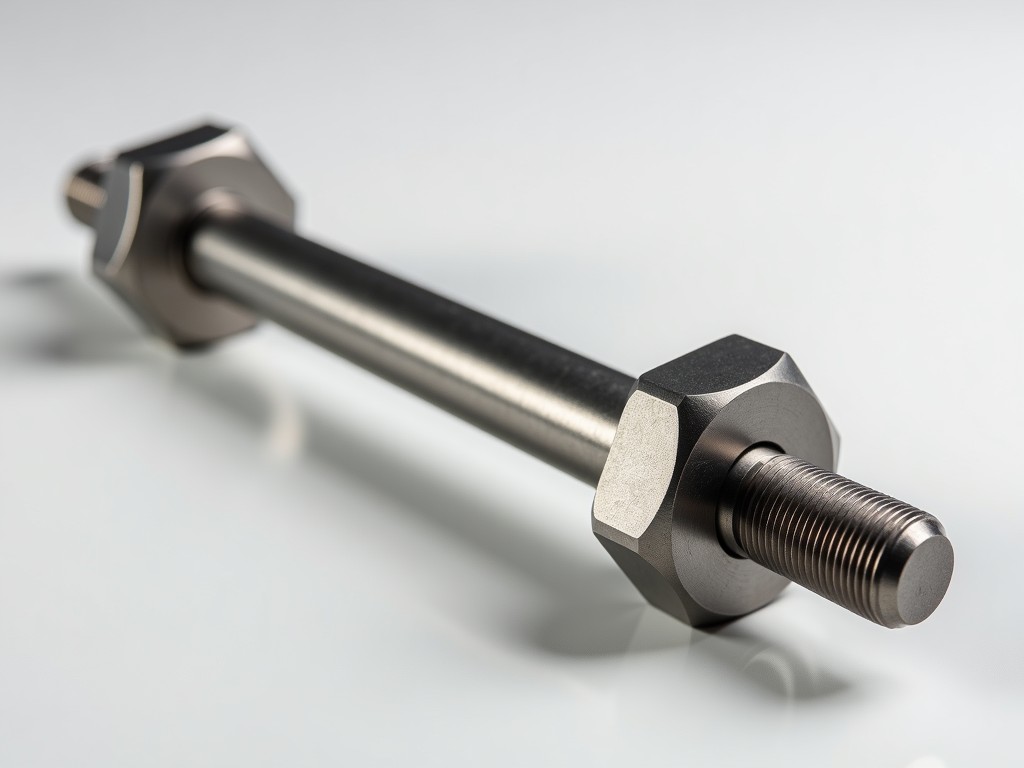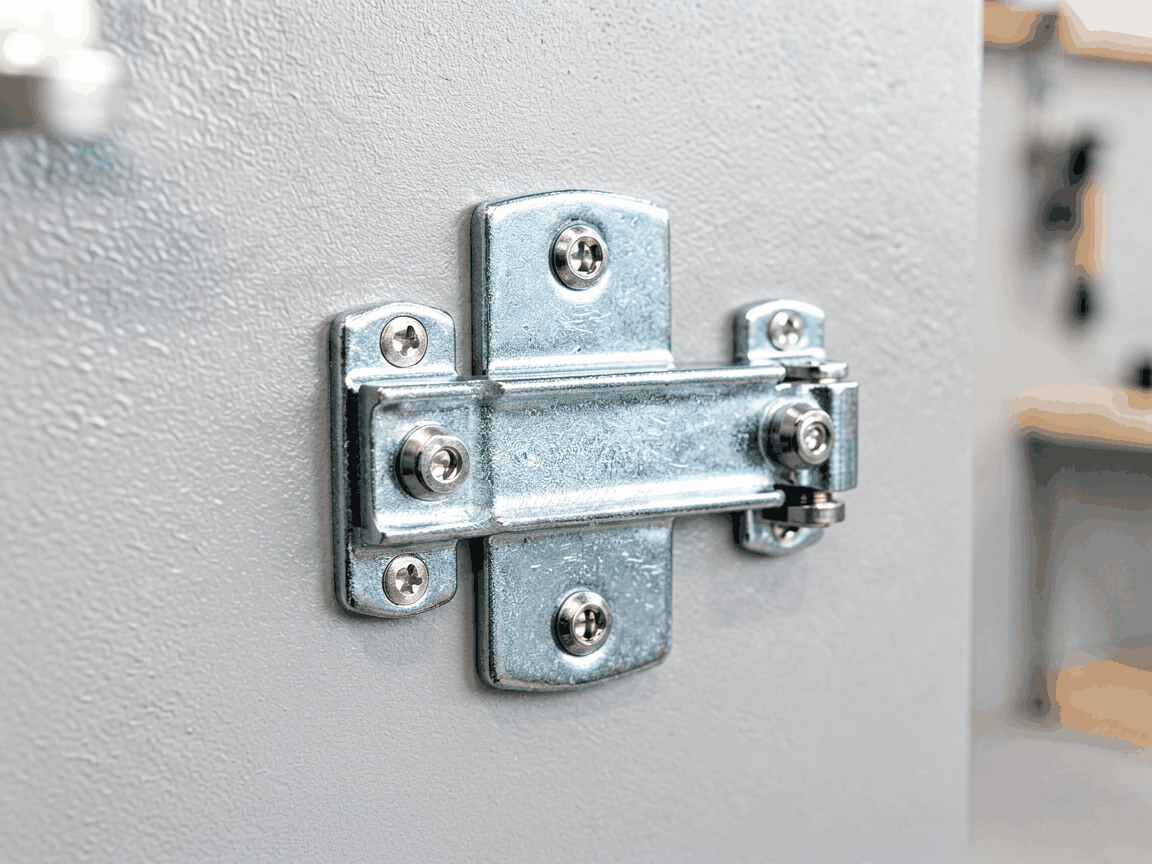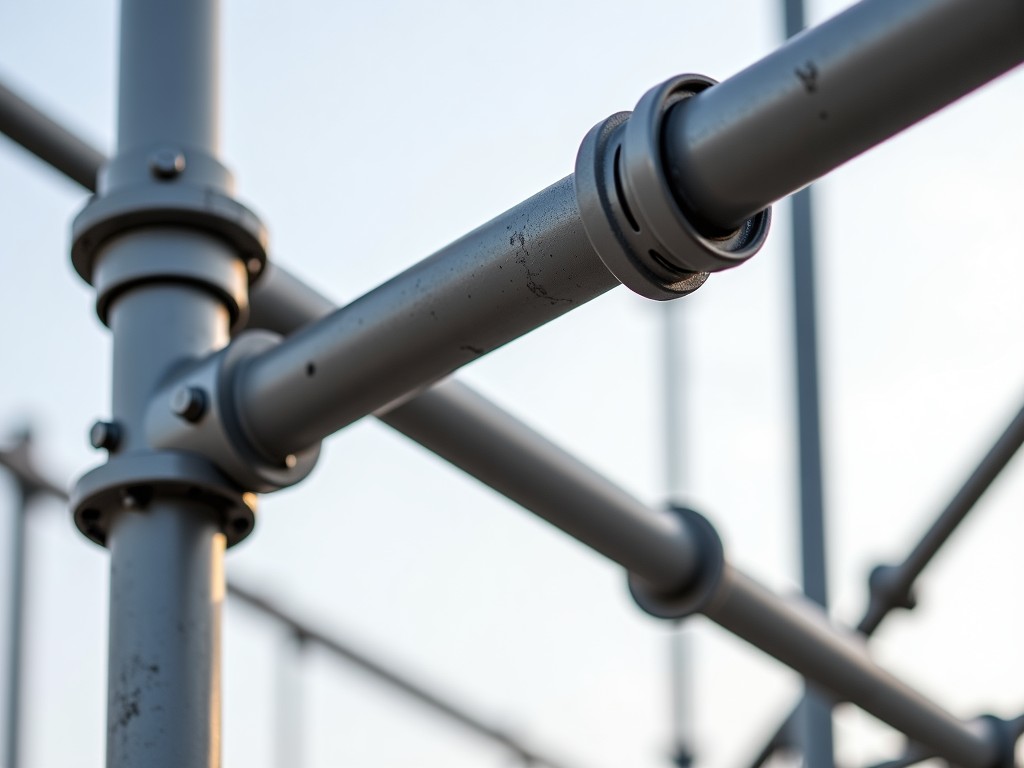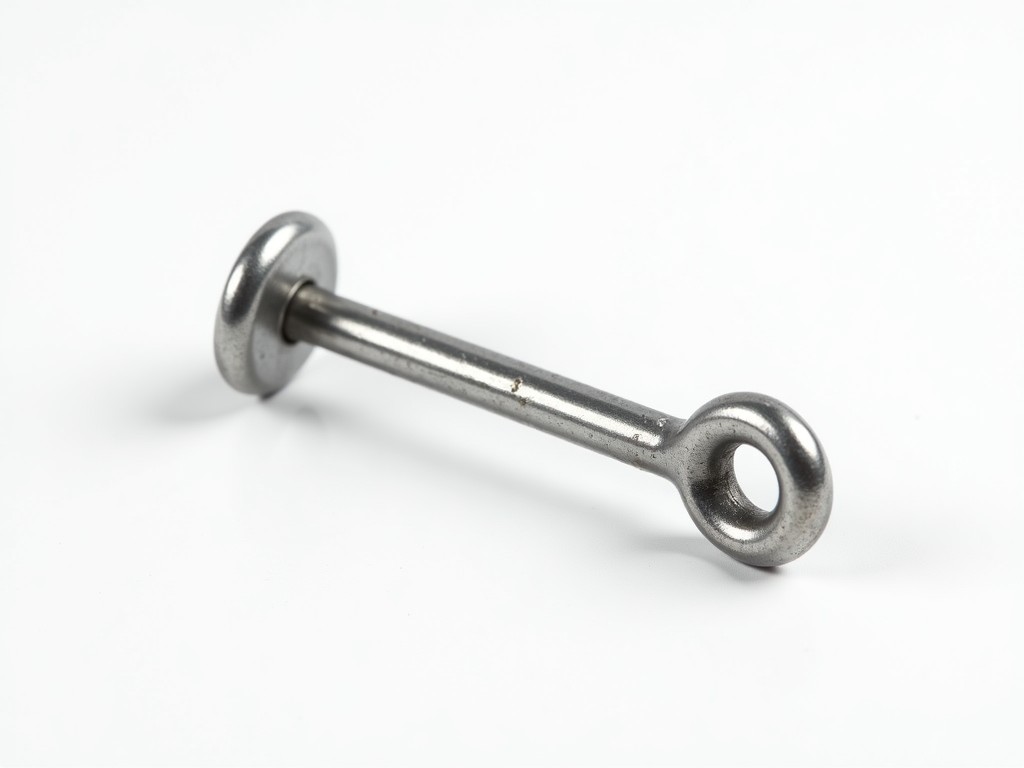
Scaffold pigtail toggle safety pins are engineered to secure scaffold couplers and frame connections by preventing unintentional disengagement under dynamic loads. The pigtail configuration provides a flexible yet restrained loop that accommodates minor misalignment while maintaining positive retention. The toggle mechanism incorporates a spring-loaded cam that rotates into a locked position when the pin is fully inserted, requiring deliberate axial force to release. This design eliminates reliance on friction alone, significantly reducing the risk of accidental dislodgement due to vibration or impact.
These pins are typically manufactured from cold-drawn AISI 1045 carbon steel, selected for its balance of tensile strength (approximately 580–650 MPa) and ductility, which allows for plastic deformation before fracture under overload conditions. The shank diameter is precision-ground to tolerances of ±0.1 mm to ensure proper fit within coupler holes. Surface hardness is enhanced through induction hardening of the toggle cam and tip areas to HRC 45–50, resisting wear from repeated insertion cycles while preserving core toughness.
To withstand prolonged exposure to moisture, alkaline cleaners, and atmospheric pollutants common on construction sites, the pins undergo a multi-stage surface treatment. After cleaning and phosphating, a zinc-nickel alloy coating (12–15 µm thickness) is applied via electroplating, followed by a trivalent chromium passivation layer. This system provides over 500 hours of resistance to red rust in neutral salt spray testing (ASTM B117), significantly outperforming standard zinc plating in humid or marine-influenced environments.
Standard pigtail toggle safety pins are designed to match the hole diameters of common scaffold couplers, primarily 16 mm and 20 mm nominal sizes. The effective shank length ranges from 65 mm to 90 mm, with the pigtail loop adding approximately 25 mm of flexible extension. Toggle width is constrained to 12–14 mm to ensure clearance within coupler bodies. Custom lengths and shank diameters are available upon request to accommodate proprietary scaffolding systems or specialized formwork applications.
Under static tensile load, the pin assembly resists withdrawal forces exceeding 8 kN before permanent deformation of the toggle mechanism occurs. The pigtail loop contributes to energy absorption, reducing peak stress concentrations during impact events. These performance characteristics align with the requirements of EN 74 and BS 1139 for scaffold fittings, where safety pins must withstand a minimum proof load of 6 kN without failure. Actual in-service safety factors typically exceed 3:1 when accounting for dynamic load factors and material variability.
Each production batch undergoes dimensional verification using coordinate measuring machines (CMM) on critical features: shank diameter, toggle cam angle, and pigtail loop radius. Hardness testing is conducted on samples from every lot to confirm surface and core properties. Visual inspection under 10x magnification checks for surface defects, coating uniformity, and burr formation. Batch numbers are laser-etched on the pin head for traceability, linking each unit to material certifications and inspection records.
These safety pins are integral to suspended scaffolding systems where wind loads and harmonic oscillation can induce vibrational fatigue in connections. In facade access platforms, they prevent coupler slip during repeated loading cycles from worker movement and equipment handling. In shoring and falsework, they maintain alignment of vertical standards under eccentric loading from concrete pours. Their use is particularly critical in high-rise construction where inspection intervals may exceed 24 hours, making passive safety features essential for ongoing structural integrity.
| Retention Method | Release Mechanism | Vibration Resistance | Reusability |
|---|---|---|---|
| Pigtail Toggle Safety Pin | Axial pull + cam rotation | High (spring-loaded cam) | >500 cycles |
| Standard Cotter Pin | Bending/deformation | Moderate | Single-use |
| Threaded Lock Pin | Threaded disengagement | High | >200 cycles |
| Spring Clip | Lateral compression | Low-Moderate | >300 cycles |
Compared to cotter pins, which require plastic deformation for installation and are not reusable, the toggle pin allows repeated use without degradation of retention force. Threaded lock pins offer comparable vibration resistance but require rotational alignment and are susceptible to thread galling in dirty environments. Spring clips, while reusable, rely on continuous elastic force that can degrade over time due to stress relaxation, particularly in elevated temperature conditions.
Installation requires inserting the pin shank through the aligned coupler holes until the toggle cam clears the far side, at which point the spring action rotates the cam into the locked position. Visual confirmation is achieved when the pigtail loop is fully extended and the toggle head sits flush against the coupler surface. Removal necessitates pressing the toggle head axially to compress the spring and rotate the cam back to the release position. Pre-use inspection should verify cam mobility, absence of corrosion pitting on load-bearing surfaces, and integrity of the coating.
Beyond standard configurations, manufacturers can adjust shank length, toggle cam profile, and coating thickness based on specific scaffold design parameters or environmental exposure levels. For offshore or chemical plant applications, alternative materials such as AISI 316 stainless steel are available upon request, offering enhanced chloride resistance. Procurement specifications should include required proof load, cycle life expectations, and inspection documentation needs to ensure proper quoting and validation.
Pins are typically packaged in poly bags of 50 or 100 units, then placed in corrugated cartons with internal dividers to prevent abrasion during transit. For bulk orders, palletized packaging with stretch film and corner protectors is standard. Each package includes a label with part number, material specification, coating type, batch number, and QR code linking to the product data sheet. Handling recommendations advise against dropping from heights exceeding 1 meter to avoid coating damage or toggle misalignment.