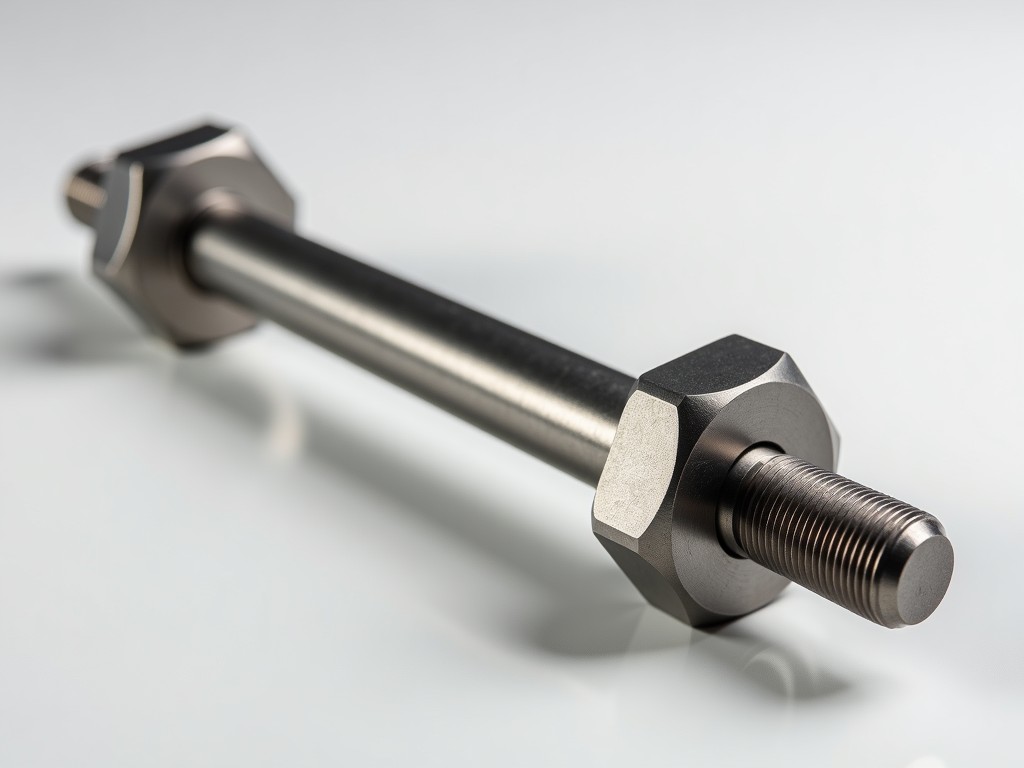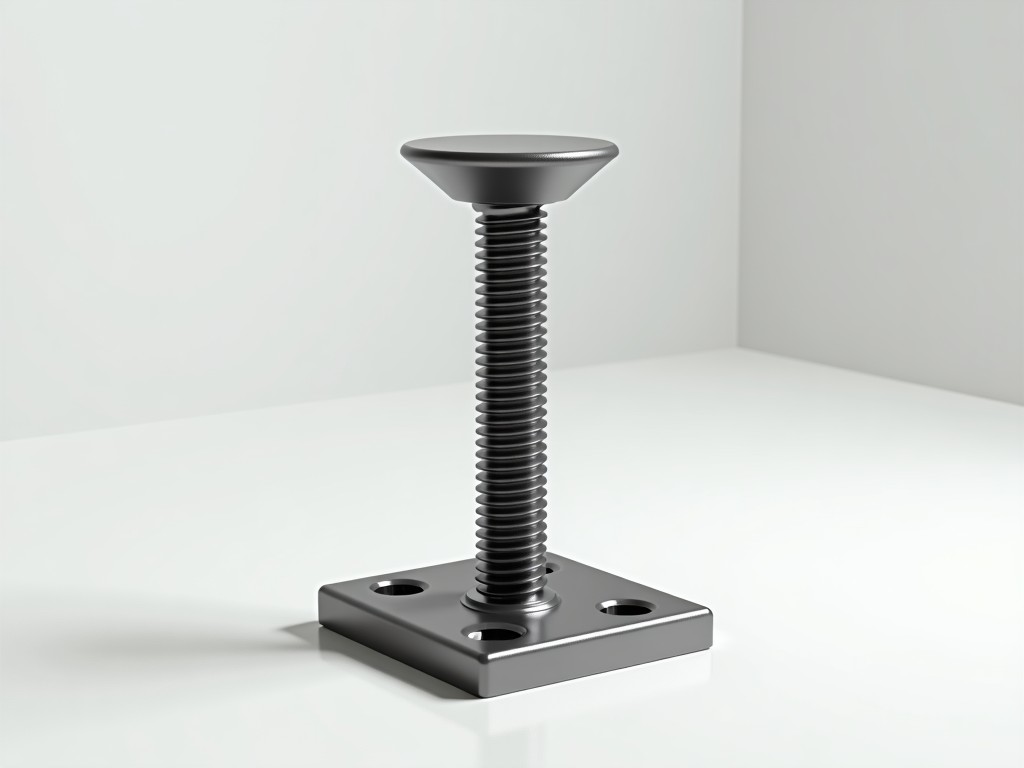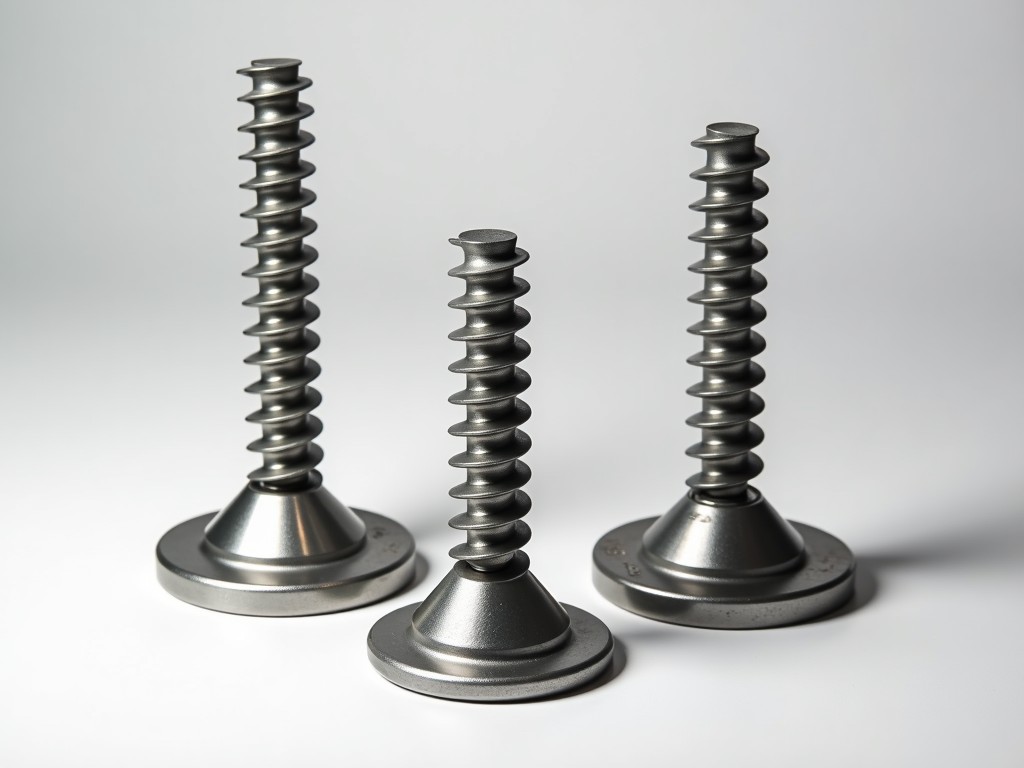
Scaffold leveling screw jacks are precision mechanical devices designed to compensate for uneven ground or structural deflection in temporary access systems. They consist of a threaded spindle, a base plate, and a top nut or socket that interfaces with scaffold standards or ledgers. Rotation of the spindle adjusts vertical height while maintaining load path integrity through direct mechanical engagement.
Unlike hydraulic or pneumatic alternatives, screw jacks provide infinite adjustability within their stroke range without external power sources. Load is transferred axially along the screw thread, making them inherently stable under static and dynamic loads typical in construction, maintenance, and event scaffolding. Their simplicity reduces failure points compared to complex actuation systems.
Load capacity is determined by thread geometry, material strength, and buckling resistance of the spindle under eccentric loading. Standard configurations typically support working loads between 20 kN and 40 kN, with ultimate strength designed to exceed 3:1 safety factors per EN 1004 and OSHA 1926 Subpart L. Acme or trapezoidal thread profiles are used to balance efficiency with self-locking properties under vibration.
Stroke length defines the vertical adjustment range, commonly available in 300 mm, 450 mm, and 600 mm options. Longer strokes increase column buckling risk; therefore, spindle diameter and straightness tolerances are critical design parameters. Base plate dimensions distribute load over soft or uneven substrates, minimizing settlement into soil, gravel, or decking materials.
Corrosion resistance is achieved through hot-dip galvanizing per ISO 1461 or electrogalvanizing with supplementary passivation. For aggressive environments, stainless steel grades (A2 or A4) or zinc-nickel alloy coatings may be specified. Thread lubrication points are often incorporated to reduce operating torque and prevent galling during repeated adjustment cycles.
| Material | Typical Use Case | Coating/Finish | Environmental Suitability |
|---|---|---|---|
| Low-carbon steel (S235JR) | General construction, indoor/outdoor temporary works | Hot-dip galvanized (55µm avg) | Moderate corrosion exposure |
| High-strength steel (S355JO) | Heavy-duty shoring, high-load scaffolds | Hot-dip galvanized | Harsh outdoor, coastal proximity |
| Stainless steel (AISI 304) | Food processing, pharmaceutical, cleanrooms | Passivated | High humidity, chemical washdown |
| Stainless steel (AISI 316) | Marine, chemical plants, wastewater | Passivated | Chloride-rich, acidic environments |
Material selection directly affects spindle yield strength, thread wear resistance, and long-term dimensional stability. Hot-dip galvanizing provides sacrificial protection ideal for general construction, while stainless steel eliminates coating degradation risks in hygienic or chemically active zones. Thread hardness is often increased through case hardening or induction hardening to resist abrasion from grit and debris.
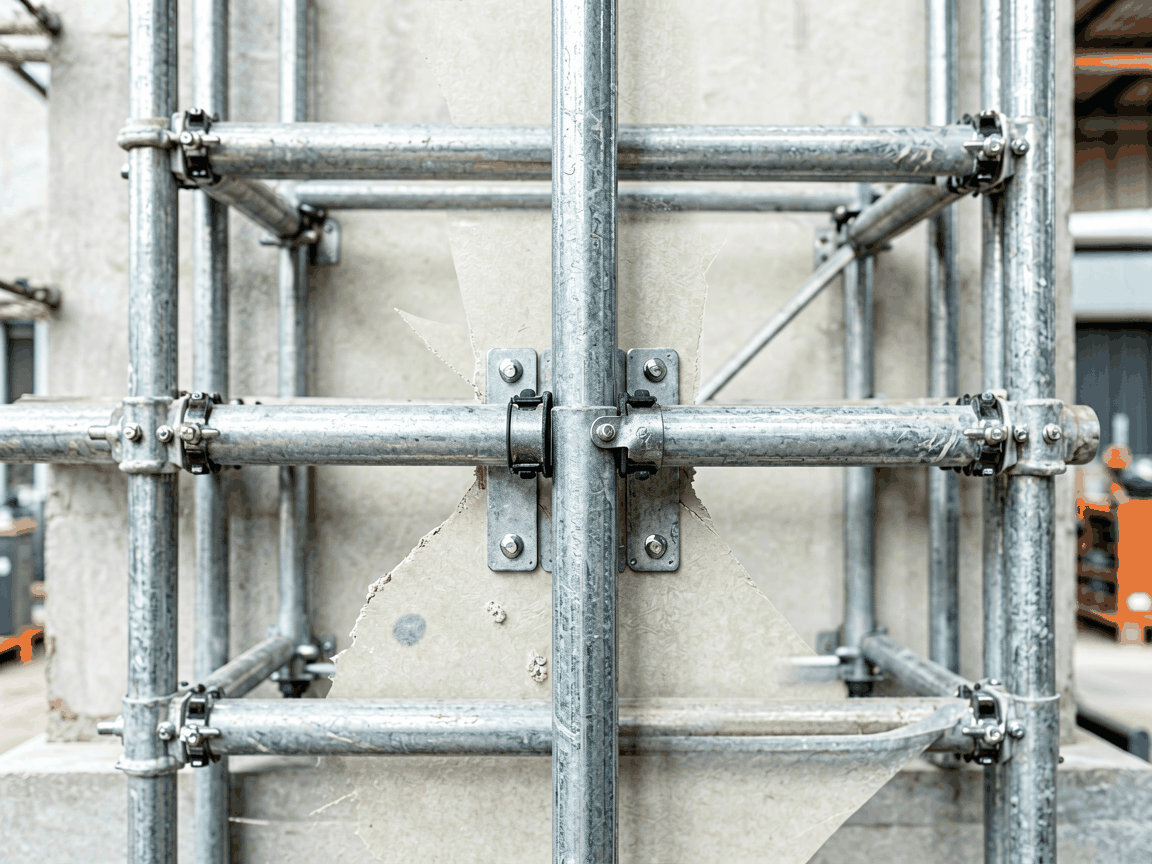
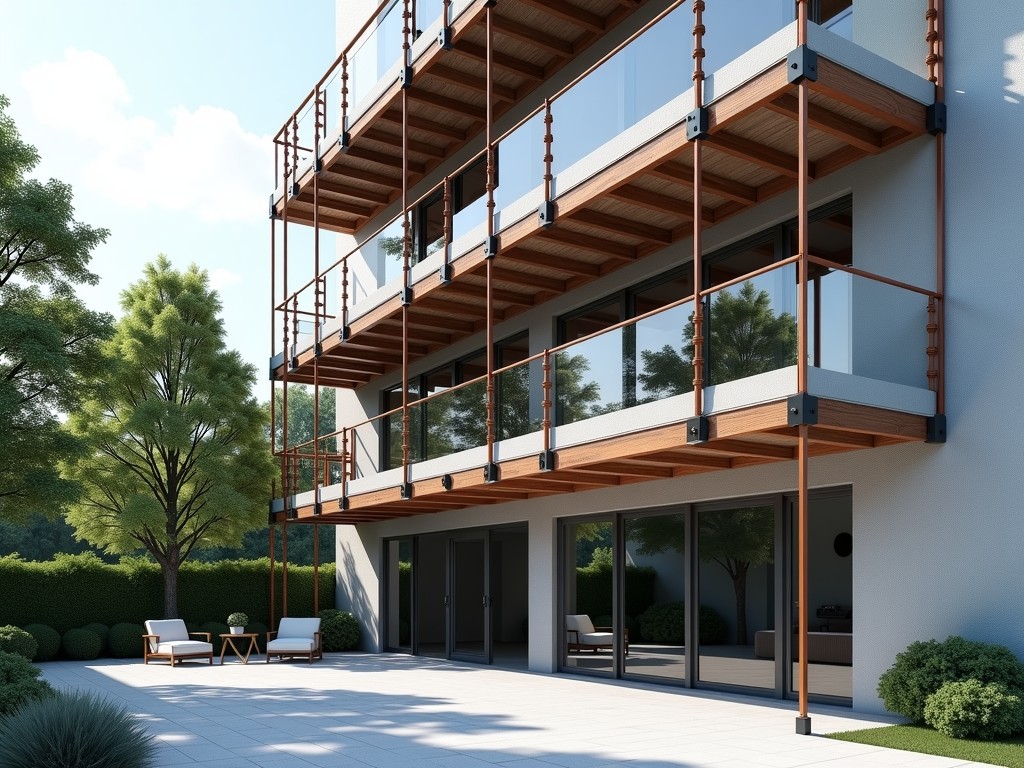
In facade scaffolding, leveling jacks accommodate foundation settlement and slab thickness variations across building elevations. Without compensation, uneven leg lengths induce lateral forces on standards, increasing the risk of racking or coupling failure. By maintaining plumb alignment, jacks preserve the designed load path and reduce bending moments in horizontal members.
For shoring and falsework supporting formwork during concrete pours, precise elevation control ensures uniform slab thickness and prevents ponding. Jacks allow fine-tuning of support heights to counteract deflection from fresh concrete weight or formwork elasticity. This capability is critical in post-tensioned slabs where elevation tolerances are measured in millimeters.
Event staging and temporary grandstands rely on leveling jacks to create flat platforms on uneven terrain such as parks, parking lots, or golf courses. Adjustable bases prevent tripping hazards and ensure structural symmetry under dynamic crowd loads. Rapid deployment and reconfiguration are facilitated by the jack’s manual operation and lack of auxiliary equipment.
Spindle thread diameter and pitch are selected based on required load capacity and adjustment speed. Coarser pitches (e.g., 6 mm) enable faster height changes but increase operating torque; finer pitches (e.g., 3 mm) offer greater resolution and self-locking security. Top fittings vary between U-heads for ledger retention, swivel sockets for angled connections, or flat plates for direct beam support.
Base plates can be specified with holes for anchoring to substrates, integrated wheels for mobile scaffolds, or swivel bases for sloped surfaces. Adjustable base plates with tilt compensation are available for installations on inclines exceeding 5°. Thread protection caps prevent contamination during storage and transport, preserving thread integrity and reducing maintenance needs.
Optional features include laser-etched load indicators, captive nuts to prevent disassembly, and anti-vandalism collars. Length extensions or couplers allow stacking for applications requiring stroke beyond standard limits, though lateral stability must be re-evaluated for extended configurations. All customizations maintain compatibility with standard scaffold tube diameters (48.3 mm OD).
Dimensional verification includes thread pitch diameter, lead angle, and straightness per ISO 1101 GD&T standards. Surface hardness is measured at the thread flank and core to confirm case depth specifications. Magnetic particle inspection detects surface and near-surface discontinuities in critical load paths, particularly at thread runout and spindle shoulders.
Load testing is performed on sample units to validate working load limits and deformation characteristics. Deflection measurements under incremental loads verify elastic behavior and identify potential buckling modes. Torque-to-load relationships are recorded to ensure consistent adjustability across production batches. All test records are retained for traceability.
Coating thickness and adhesion are verified per ISO 1460 and ISO 2409. Salt spray testing (ISO 9227) assesses corrosion resistance for galvanized finishes, with typical requirements of 500 hours to white rust and 1000 hours to red rust. Stainless steel passivation is validated through ferroxyl testing or copper sulfate swirl tests to confirm surface purity.
Standard configurations with hot-dip galvanized finish are typically available from stock for immediate shipment. Custom materials, stroke lengths, or special fittings require production scheduling based on raw material availability and machine capacity. Lead times for made-to-order items generally range from 2 to 6 weeks, depending on complexity and current workload.
Quotations require specification of load requirements, stroke length, material preference, base plate type, and quantity. Drawings or sketches of interface conditions help ensure proper fitting selection. For large projects, sample units can be provided for trial installation and validation before full commitment.
Packaging is optimized for handling and protection during transit. Spindles are often bundled with thread protectors, and base plates are stacked to prevent deformation. Export shipments include moisture-barrier packaging and corrosion inhibitors for long sea voyages. Documentation includes material certificates, test reports, and compliance declarations upon request.
For technical inquiries, quotation requests, or to discuss specific project requirements, please contact our engineering team.
Request a Quote or Technical Consultation