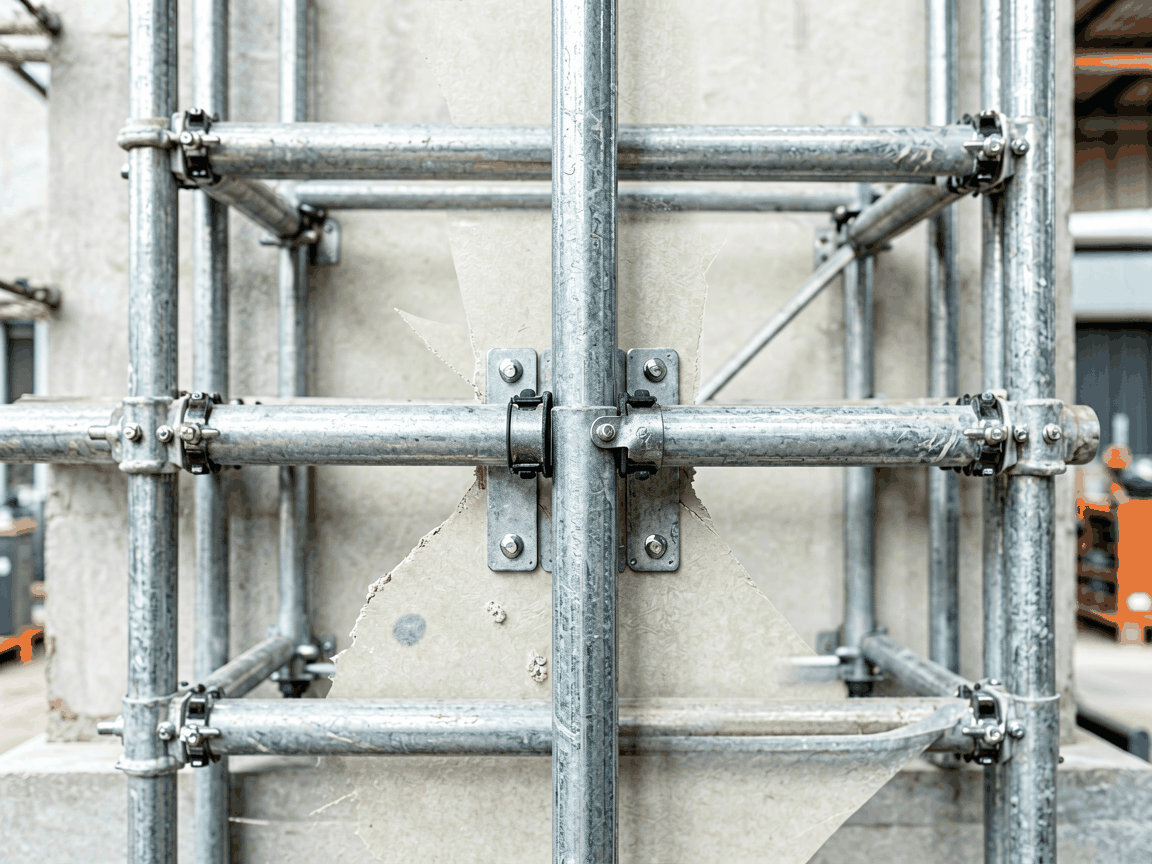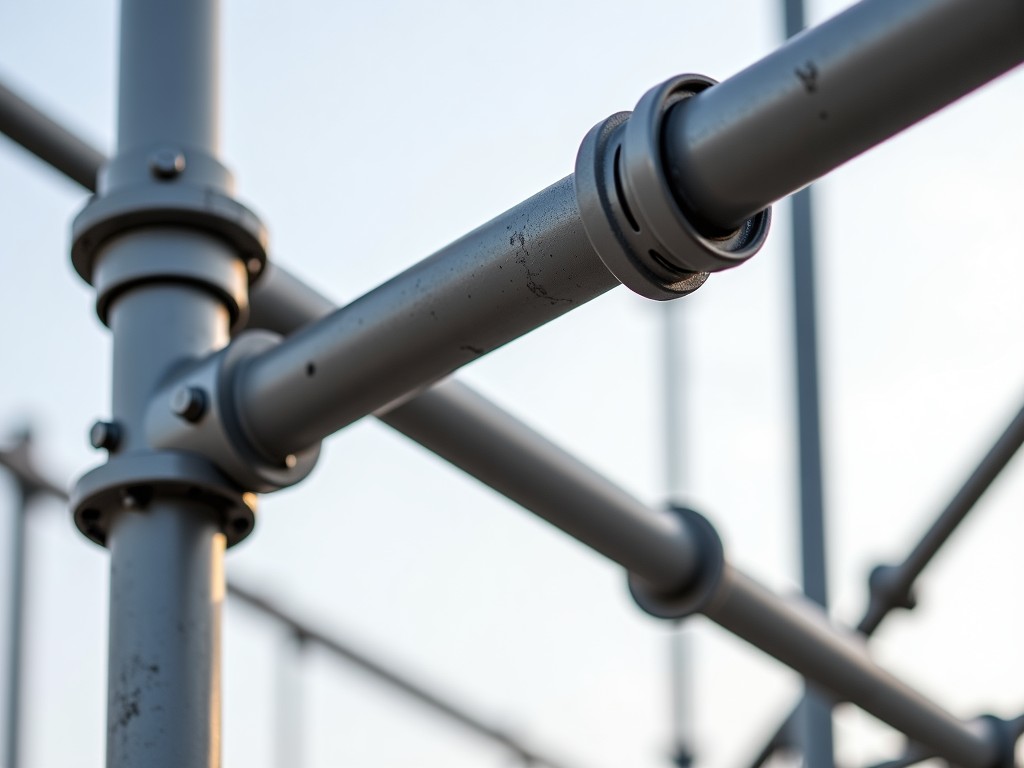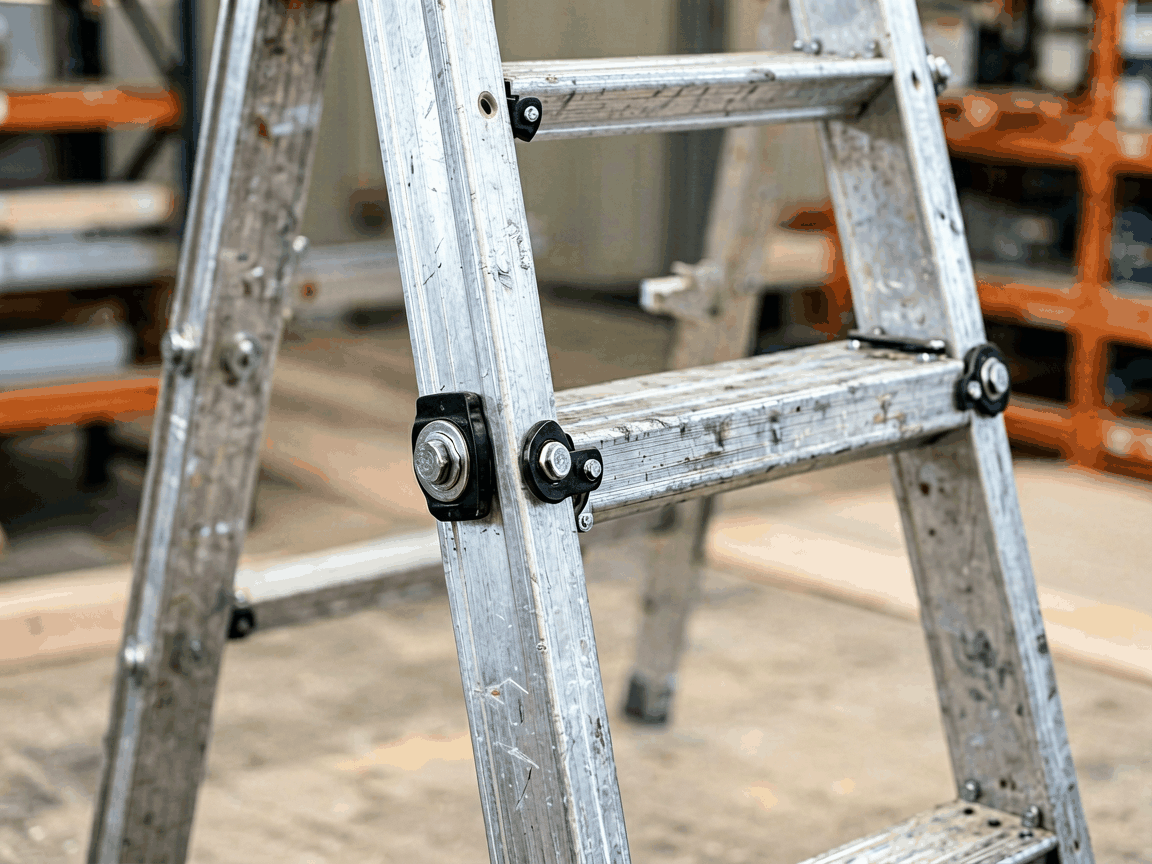
Scaffold ladder joist coupler clamps are engineered connection components designed to securely attach ladder sections to horizontal joists or bearers in temporary access and support systems. Their primary function is to create a rigid, load-bearing interface that resists lateral movement, rotation, and pull-out forces under dynamic site conditions. These clamps eliminate the need for welding or drilling by using mechanical fastening methods that preserve the integrity of both ladder and joist materials. Proper selection ensures compliance with temporary works design standards while maintaining system adaptability for reconfiguration.
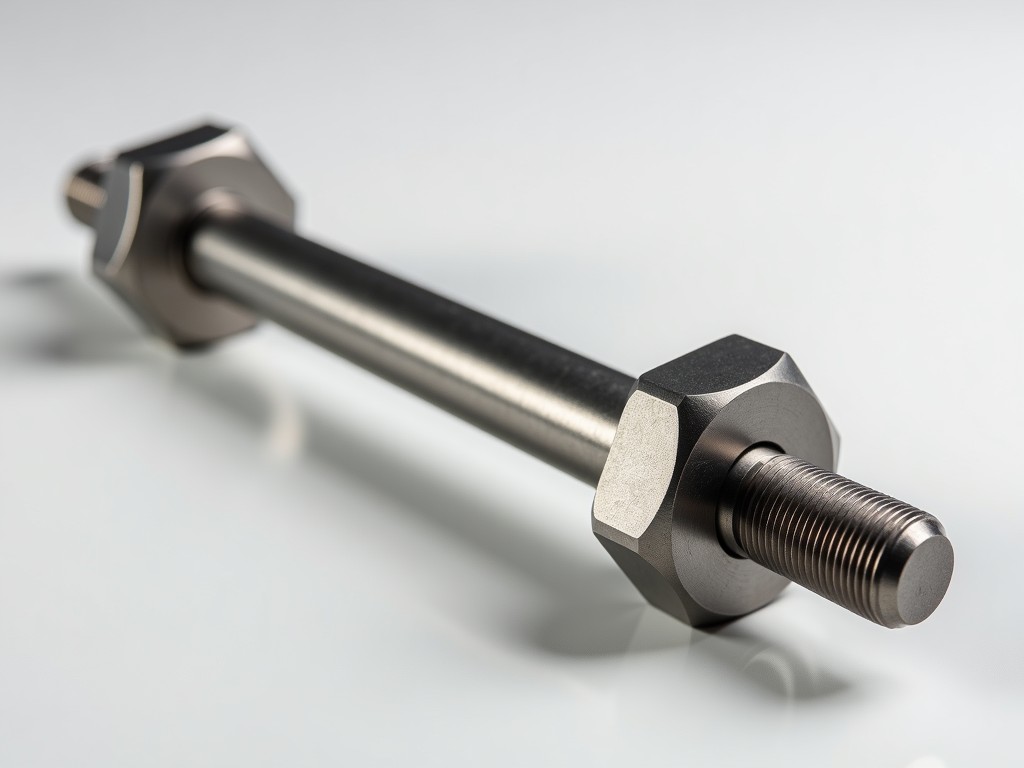
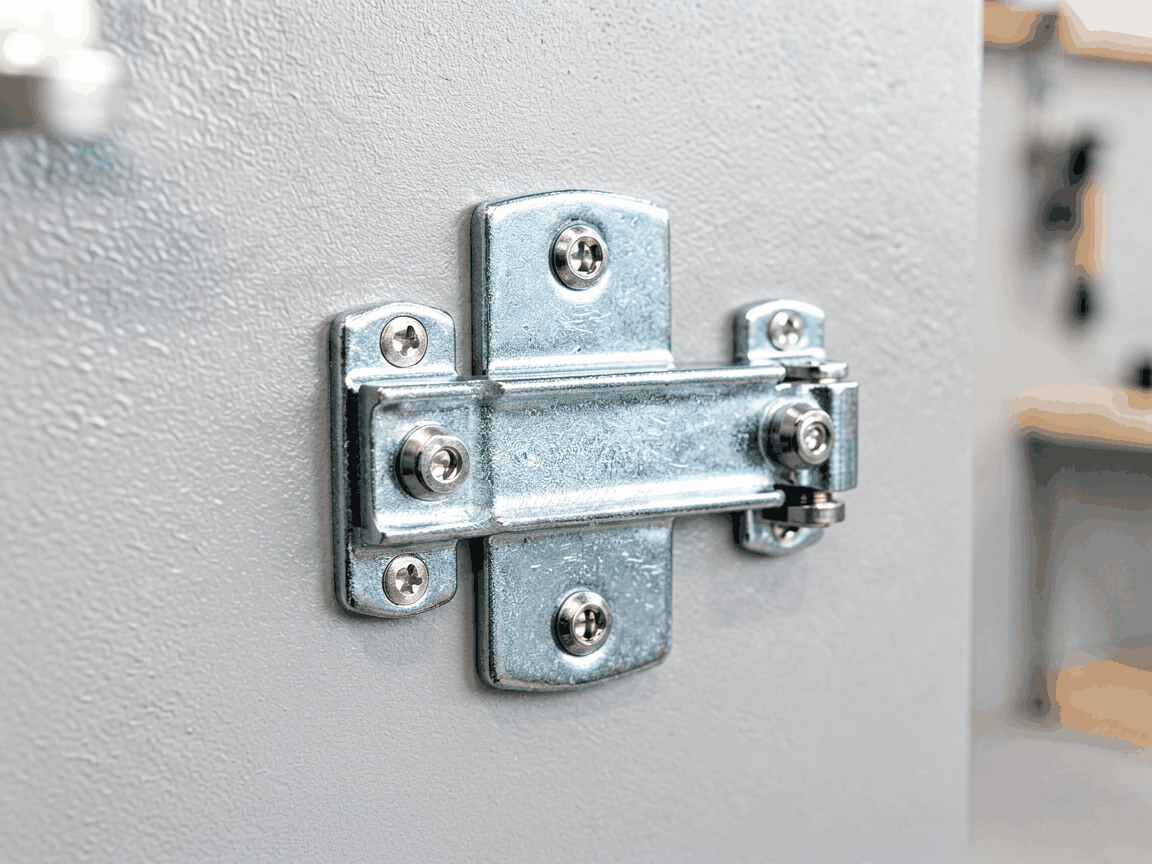
These couplers typically feature a forged or cast steel body with a U-bolt or top-hat clamping mechanism that encircles the joist and locks against the ladder stile. The clamping force is generated via high-tensile grade 8.8 bolts or equivalent, often with nylon lock nuts to resist vibration loosening. Contact surfaces are machined or stamped to provide flat, parallel bearing areas that distribute load evenly and minimize point stress on the joist. Most designs incorporate a safety lip or secondary retention feature to prevent accidental disengagement during erection or use.
Bodies are commonly manufactured from S355JR structural steel or equivalent, offering a minimum yield strength of 355 MPa and good weldability if field modifications are required. For corrosive environments, hot-dip galvanizing to EN ISO 1461 standards provides a zinc coating thickness of typically 55–85 µm, extending service life in exterior applications. Alternative materials include stainless steel grades 304 or 316 for chemical or coastal exposure, though these are less common due to cost and lower hardness compared to carbon steel. All load-bearing components undergo tensile testing to verify batch consistency.
The safe working load (SWL) of a scaffold ladder joist coupler clamp is determined by the weakest point in the load path—usually the bolt shear capacity or the bearing pressure on the joist flange. Typical SWL values range from 2.2 kN to 5.0 kN per clamp when installed correctly on structural timber or steel joists, depending on bolt size (M12 or M16) and joist material. Exceeding this limit risks permanent deformation of the clamp body, bolt stretching, or crushing of the joist material. Designers must apply appropriate safety factors per local temporary works codes (e.g., BS 5975, OSHA 1926 Subpart L).
These clamps are designed to fit standard ladder stiles (typically 40–50 mm wide) and common joist dimensions such as 47×150 mm, 50×200 mm, or equivalent steel sections. Adjustability is achieved through threaded bolt length and spacer washers to accommodate variations in joist depth. Installation requires torque tightening to specified values—usually between 40–60 Nm for M12 bolts—to achieve design clamping force without overstressing components. It is critical to verify that the ladder remains plumb and level after attachment, as misalignment induces eccentric loading.
Manufacturing follows batch traceability protocols where each coupler is marked with a unique identifier linking to material certificates, bolt grade records, and galvanization thickness test results. Dimensional inspections are performed on critical features such as bolt hole alignment, jaw width, and throat depth using calibrated gauges. Random samples from each production batch undergo proof load testing to 1.5× SWL to validate elastic behavior. Visual inspection checks for casting defects, sharp edges, or incomplete threading before packaging.
Scaffold ladder joist coupler clamps are primarily used in shoring, formwork, and falsework systems where vertical access ladders must be securely tied to horizontal bearers without obstructing concrete pour lanes or reinforcement zones. They enable rapid ladder repositioning as work progresses vertically, reducing downtime compared to fixed attachments. In retrofit scenarios, they allow safe ladder installation on existing structural members without damaging finishes or requiring hot work permits. Their releasable nature supports dismantling and reuse across multiple project phases.
| Parameter | Typical Range / Value | Notes |
|---|---|---|
| Body Material | S355JR Steel | Minimum yield strength 355 MPa |
| Bolt Grade | 8.8 (Property Class) | With nylon lock nuts |
| Clamping Force (M12) | 25–30 kN | At 50 Nm torque |
| Safe Working Load (SWL) | 2.2–5.0 kN | Depends on joist material and bolt size |
| Joist Compatibility | 47–50 mm width; 150–200 mm depth | Adjustable via washers |
| Surface Finish | Hot-Dip Galvanized | 55–85 µm coating thickness |
| Temperature Range | -20°C to +80°C | No loss of clamping force |
For project-specific requirements such as custom jaw widths, alternative bolt grades (e.g., 10.9), or stainless steel fabrication, technical consultation is recommended. Providing joist dimensions, ladder stile profile, expected load conditions, and environmental exposure enables accurate configuration. Lead times for standard galvanized units are typically 2–3 weeks; custom materials or finishes may extend this period. All units are packaged in moisture-resistant cartons with corrosion-inhibiting interleaving for transit protection.
To discuss your scaffold ladder joist coupler clamp requirements, request a quotation, or obtain technical datasheets, contact our engineering team.
Request Technical Consultation