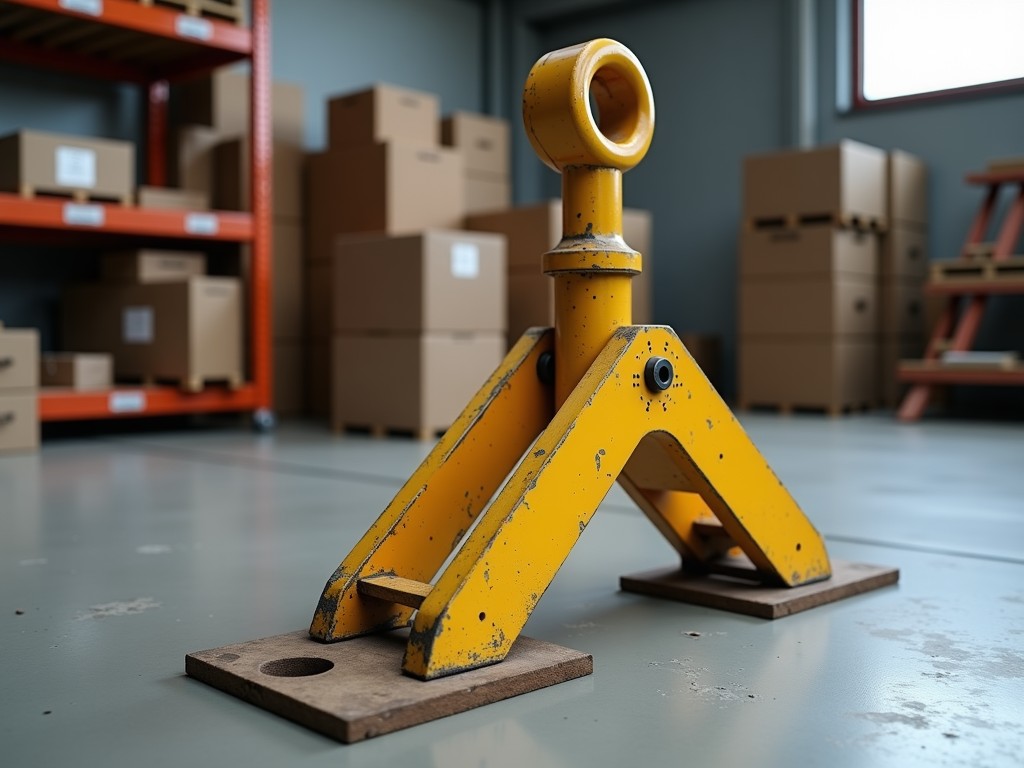
Prop jacks are adjustable steel supports used in concrete formwork systems to maintain precise vertical alignment and load-bearing capacity during shuttering operations. They replace traditional timber props with a mechanically adjustable alternative that offers repeatable height settings, higher load resistance, and improved site safety. This page details the engineering characteristics, material considerations, and selection criteria for prop jacks used in shuttering applications, focusing on measurable performance parameters rather than promotional claims.
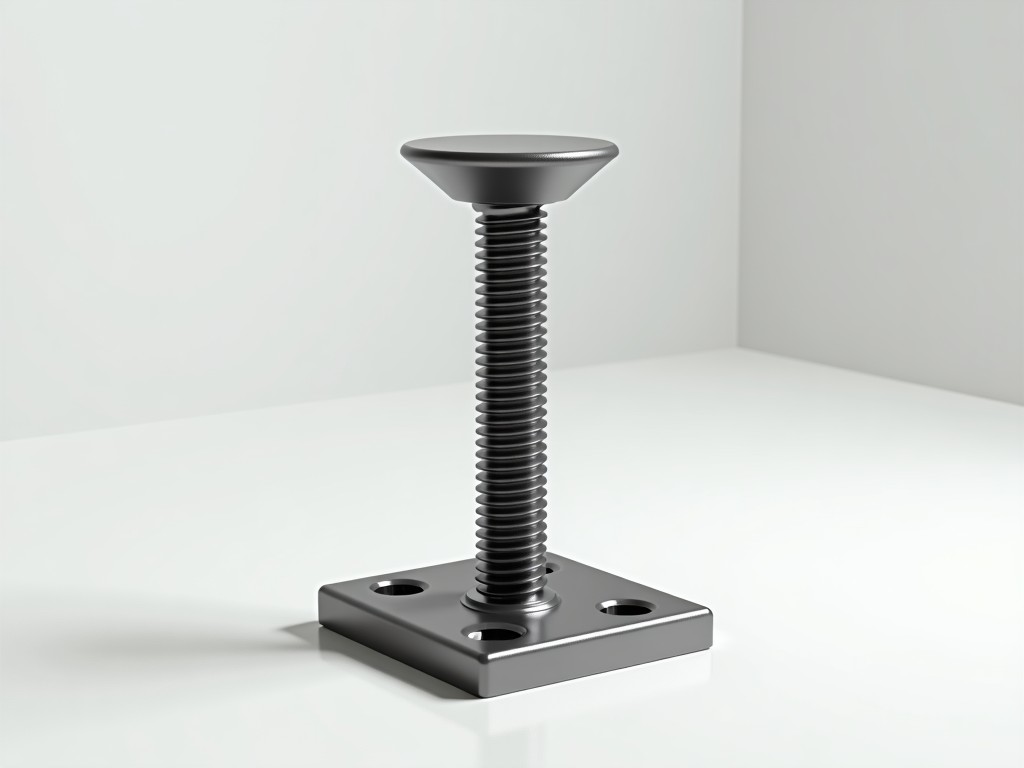
The primary function of a prop jack is to transfer formwork loads safely to the ground or slab while allowing fine height adjustment to compensate for slab deflection, beam camber, or uneven substrates. Unlike fixed-length props, prop jacks incorporate a threaded spindle mechanism within a steel tube assembly, enabling height adjustment typically ranging from 300mm to 600mm depending on model. Load capacity is determined by tube diameter, wall thickness, material grade, and spindle design, with common working loads between 20 kN and 50 kN per prop under axial compression.
Selection of prop jacks for shuttering requires evaluation of three core parameters: required height range, expected load per prop, and adjustment precision. Height range must accommodate the maximum slab thickness plus formwork height and adjustment tolerance. Load capacity must exceed the calculated formwork pressure including concrete weight, live loads, and impact factors with an appropriate safety factor (typically 1.5–2.0). Adjustment precision—often measured in millimeters per rotation of the handle—affects how easily fine tolerances can be achieved during alignment.
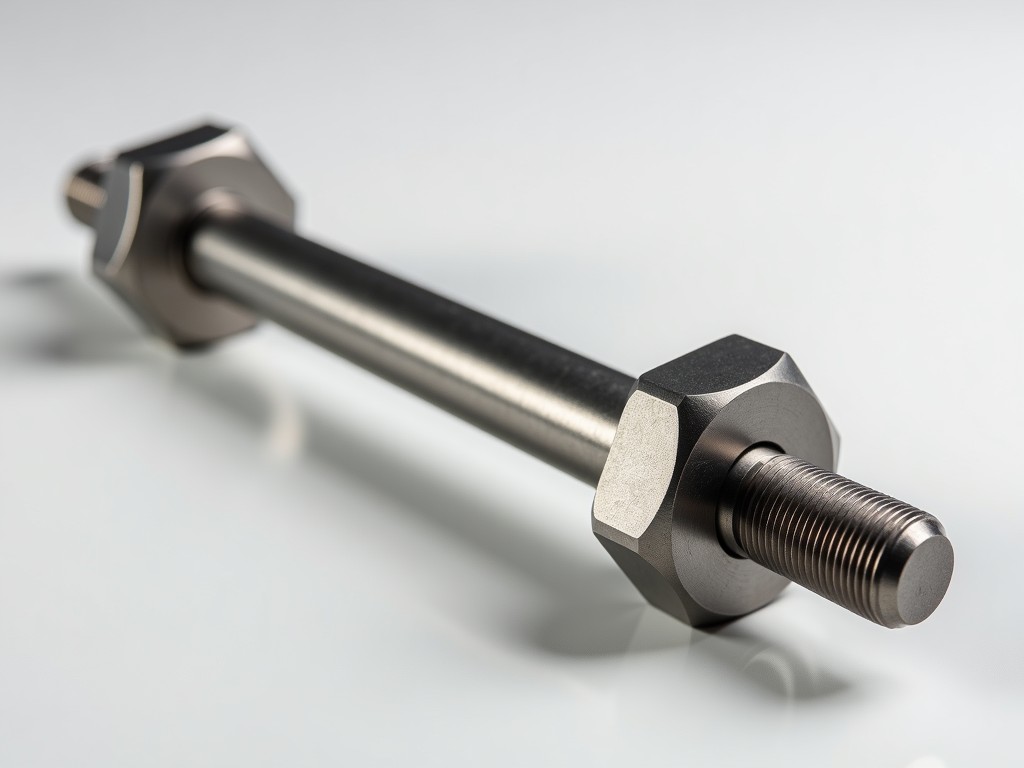
Prop jacks are manufactured from structural steel tubes with outer diameters typically ranging from 48mm to 76mm. Wall thickness varies between 2.5mm and 4.0mm depending on load class. The inner tube houses a threaded spindle made of cold-rolled steel with trapezoidal thread pitch (commonly 6mm or 8mm) to convert rotational motion into linear lift. A forged steel base plate and top U-head or fork head distribute load and connect to formwork beams or panels.
Surface treatment affects durability in wet concrete environments. Hot-dip galvanizing provides a zinc coating of 55–85 µm thickness, offering corrosion resistance for multiple reuse cycles. Alternative coatings include powder coating or primer-only finishes for short-term use. The spindle and nut assembly are often lubricated with high-pressure grease to maintain consistent torque and prevent seizing under load. Some models incorporate anti-loss pins to prevent accidental disengagement of the inner tube.
Adjustment mechanism design influences operational efficiency. Handle length (typically 200–250mm) determines the force required to lift rated load. A longer handle reduces operator effort but increases swing radius. Thread pitch directly affects lift per rotation: a 6mm pitch raises the load 6mm per full turn, while 8mm pitch offers faster adjustment but requires higher torque. Load indicators or calibrated rings may be present on premium models to visually confirm extension length.
| Model Series | Outer Tube Dia (mm) | Wall Thickness (mm) | Adjustable Height Range (mm) | Typical Safe Working Load (kN) |
|---|---|---|---|---|
| Light Duty | 48 | 2.5 | 500–800 | 20 |
| Medium Duty | 60 | 3.0 | 600–1000 | 35 |
| Heavy Duty | 76 | 4.0 | 700–1200 | 50 |
Values represent typical configurations. Actual capacity depends on material grade (e.g., Q235 vs Q345), end conditions, and eccentric loading. Safe working load assumes axial compression with proper base and head plate contact. Always verify with manufacturer’s load charts for specific configurations.
Tube material selection balances strength, ductility, and weldability. Q235 steel is common for light to medium duty props due to its cost-effectiveness and adequate strength (yield strength ~235 MPa). Q345 or equivalent high-strength low-alloy steel (yield strength ~345 MPa) is used for heavy-duty models where higher load capacity is required without increasing tube diameter. Chemical composition and rolling consistency affect mechanical properties; mill test certificates are typically available upon request.
The threaded spindle must resist deformation under load. Cold-rolled C45 or 40Cr steel is frequently used, hardened to HRC 22–28 via quenching and tempering to resist wear and prevent thread stripping. Nut materials are often ductile iron or hardened steel to match spindle strength. Manufacturing tolerances on thread pitch and lead are critical—deviations beyond ±0.1mm can cause uneven loading or binding. Concentricity between inner and outer tubes is maintained within 0.5mm to ensure smooth operation.
Welding quality at base and head plate attachments directly impacts structural integrity. Continuous fillet welds with minimum throat thickness of 3mm are standard. Non-destructive testing such as magnetic particle inspection may be applied to welds in high-cycle applications. End plates are typically cut from laser-cut or punched steel blanks to ensure flatness and perpendicularity to the tube axis, reducing eccentric loading risks.
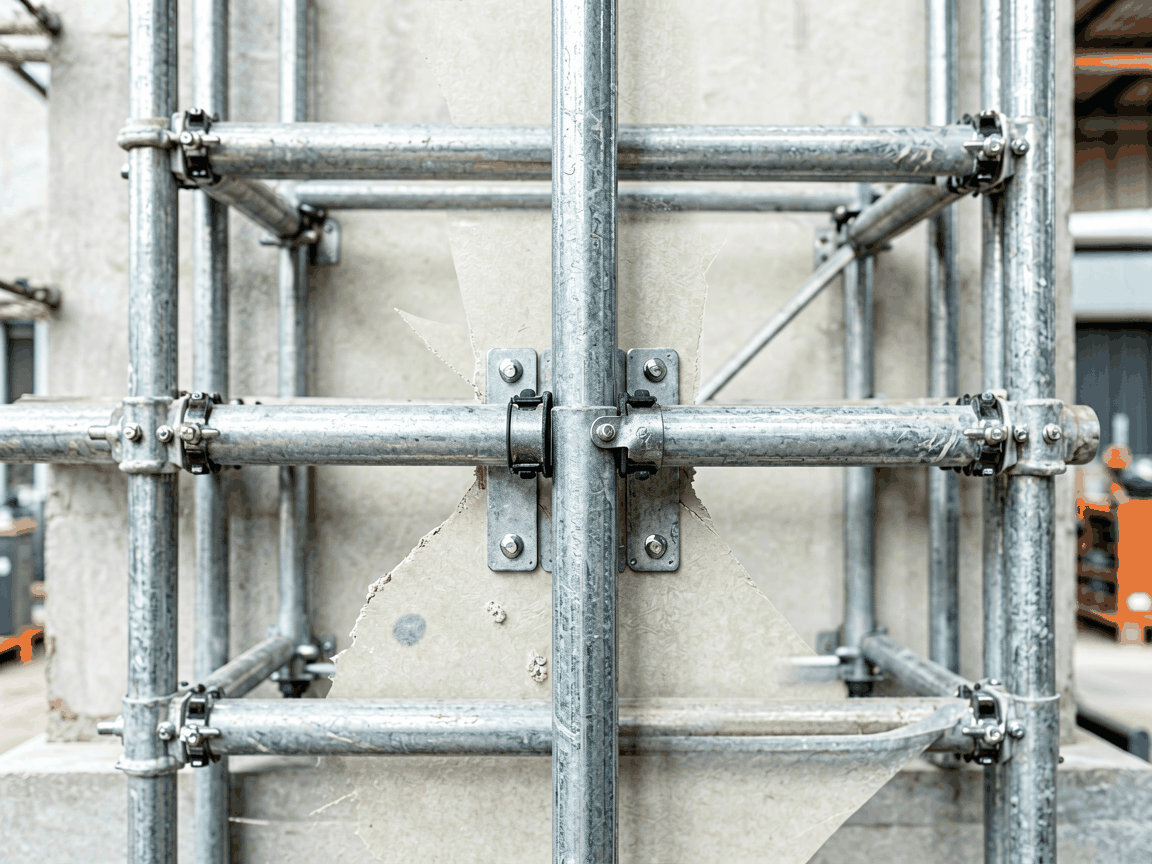
Prop jacks are used in slab formwork, beam soffits, wall formwork, and column molds where adjustable vertical support is required. In slab systems, they support plywood or steel formwork sheets via wooden beams or aluminum joists. The adjustment range allows contractors to set precise soffit elevation to achieve specified concrete cover and slab thickness. For beams, prop jacks are placed under soffit formwork to counteract deflection during concrete pour, with load distribution calculated based on tributary area and beam spacing.
In wall formwork, prop jacks stabilize vertical studs or walers against lateral pressure from fresh concrete. Although primarily designed for axial loads, they can resist minor bending moments when connected with appropriate bracing. Column forms use prop jacks to support horizontal whalers at multiple levels, enabling simultaneous pouring of lifts. The reusability of prop jacks—typically 50–200 cycles depending on maintenance—makes them economical for repetitive pours in high-rise construction.
Compared to timber props, prop jacks offer consistent dimensional stability, no moisture absorption, and predictable load behavior. Timber props vary in strength due to grain direction, knots, and moisture content, requiring frequent inspection and replacement. Prop jacks eliminate this variability, reducing on-site sorting and rejection rates. Their steel construction also resists damage from concrete splatter and site handling, extending service life in harsh environments.
Begin selection by calculating the maximum expected load per prop. This includes the weight of formwork materials, wet concrete (typically 24 kN/m³), reinforcement, and any live loads from workers or equipment. Apply a safety factor of 1.6–2.0 based on project risk tolerance and local regulations. Divide the total factored load by the number of props supporting the area to determine required capacity per unit.
Determine the required height range by measuring the vertical distance from the slab or ground to the soffit of the formwork, then adding the adjustment tolerance needed for leveling. Subtract the thickness of formwork accessories (e.g., beam heads, tripods) if applicable. Select a prop jack model whose adjustable range fully encompasses this value with at least 50mm of travel remaining at both minimum and maximum extension to allow for fine tuning and unexpected variations.
Consider site logistics: handle length affects maneuverability in confined spaces; weight per unit influences handling effort; nesting height (when retracted) impacts storage and transport volume. For projects requiring frequent repositioning, lighter medium-duty props may be preferred over heavier heavy-duty models if load requirements allow. Compatibility with existing formwork accessories (e.g., U-heads, forks, tripods) should be verified to avoid additional adapters or modifications.
Incoming material inspection verifies tube dimensions, wall thickness, and material grade via ultrasonic thickness testing and spectrometer analysis. Thread dimensions on spindle and nut are checked using thread gauges to ensure proper fit and prevent cross-threading. Surface coating thickness is measured with magnetic or eddy current gauges to confirm compliance with galvanizing or painting specifications.
Functional testing includes load testing at 125% of rated capacity to verify structural integrity without permanent deformation. Adjustment torque is measured to ensure it falls within ergonomic limits (typically <150 Nm for manual operation). Drop tests may be conducted to assess resistance to impact damage during handling. Visual inspection checks for weld defects, bent tubes, or damaged threads before shipment.
Traceability is maintained through batch numbers stamped on tubes or plates, linking each unit to material certificates and test records. For reusable equipment, inspection checklists are recommended before each redeployment to identify wear, bending, or thread damage. Props showing visible deformation, cracked welds, or stripped threads should be removed from service regardless of apparent functionality.
While standard prop jack models cover most common shuttering applications, certain projects require tailored specifications. Custom length tubes can be produced for non-standard height ranges, though this affects load capacity due to changes in slenderness ratio. Special end fittings—such as swivel heads for inclined supports or threaded inserts for bolted connections—can be fabricated to interface with proprietary formwork systems.
Alternative materials like stainless steel (grade 304 or 316) are available for use in corrosive environments such as marine structures or chemical plants, though cost increases significantly. Coating options include fusion-bonded epoxy or zinc-rich primers for extended life in aggressive conditions. Handle designs can be modified—for example, foldable handles for reduced storage footprint or extended handles for high-load applications requiring mechanical assistance.
Labeling and marking can be customized for inventory management, including barcodes, QR codes, or color-coded bands to indicate load class or inspection status. Packaging options range from bulk palletizing with steel straps to individual wrapping in polyethylene film for corrosion protection during storage. Minimum order quantities for custom features typically start at 200 units, with lead times ranging from 4–8 weeks depending on complexity.
For technical inquiries, load chart requests, or to discuss custom specifications for your shuttering application, please contact our engineering team. Provide your project’s required height range, expected load per prop, and any site-specific constraints to receive a detailed configuration recommendation.
Contact Engineering Team