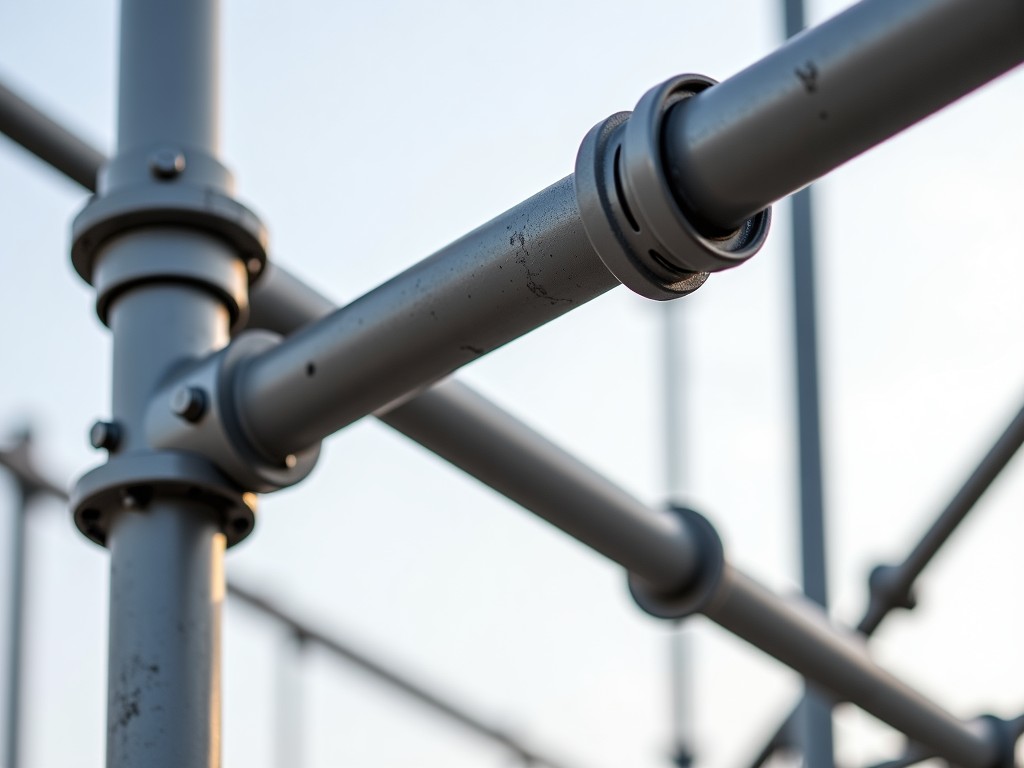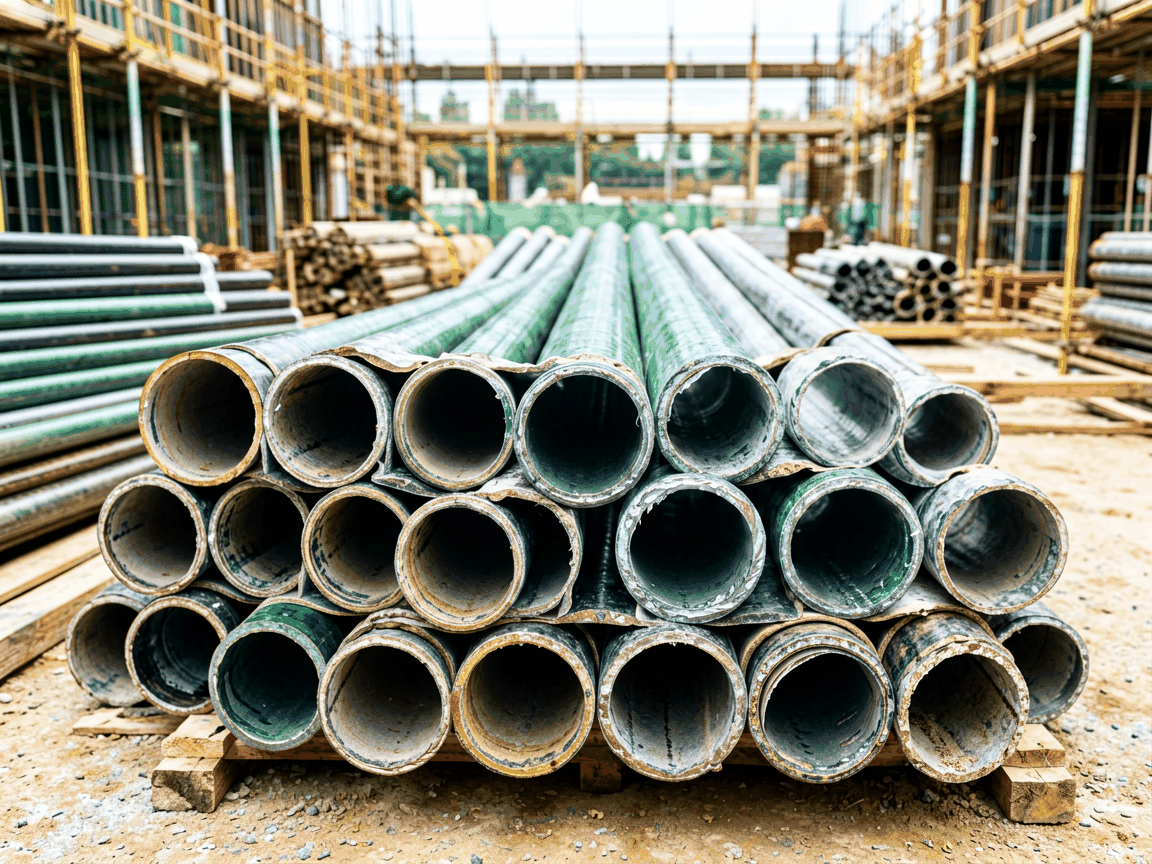
Understanding the cost drivers behind scaffold tube materials is essential for procurement planning in construction, industrial maintenance, and event infrastructure. Prices are not fixed but vary based on material grade, dimensions, surface treatment, and order volume. This page explains the key factors that influence pricing so buyers can evaluate quotations with technical clarity.
Scaffold tubes are predominantly made from carbon steel, with common grades including Q195, Q235, and S355JR. Q235 offers a balance of yield strength (approximately 235 MPa) and weldability, making it the most widely used grade for general-purpose scaffolding. Higher grades like S355JR (yield strength ~355 MPa) provide greater load capacity but come at a premium due to stricter chemical controls and rolling tolerances. The price difference between Q235 and S355JR typically ranges from 15% to 25%, depending on mill certification and regional supply conditions.
Tube pricing is fundamentally tied to weight, which is determined by outer diameter (OD), wall thickness (WT), and length. Standard scaffold tubes use 48.3 mm OD with wall thicknesses ranging from 2.0 mm to 3.2 mm. A 2.0 mm wall tube weighs approximately 2.3 kg/m, while a 3.2 mm wall tube weighs about 3.6 kg/m — a 56% increase in material cost per meter. Lengths are usually 6.0 m or 6.4 m, but custom lengths incur additional cutting and handling fees. Buyers should request pricing per kilogram or per meter to compare offers accurately.
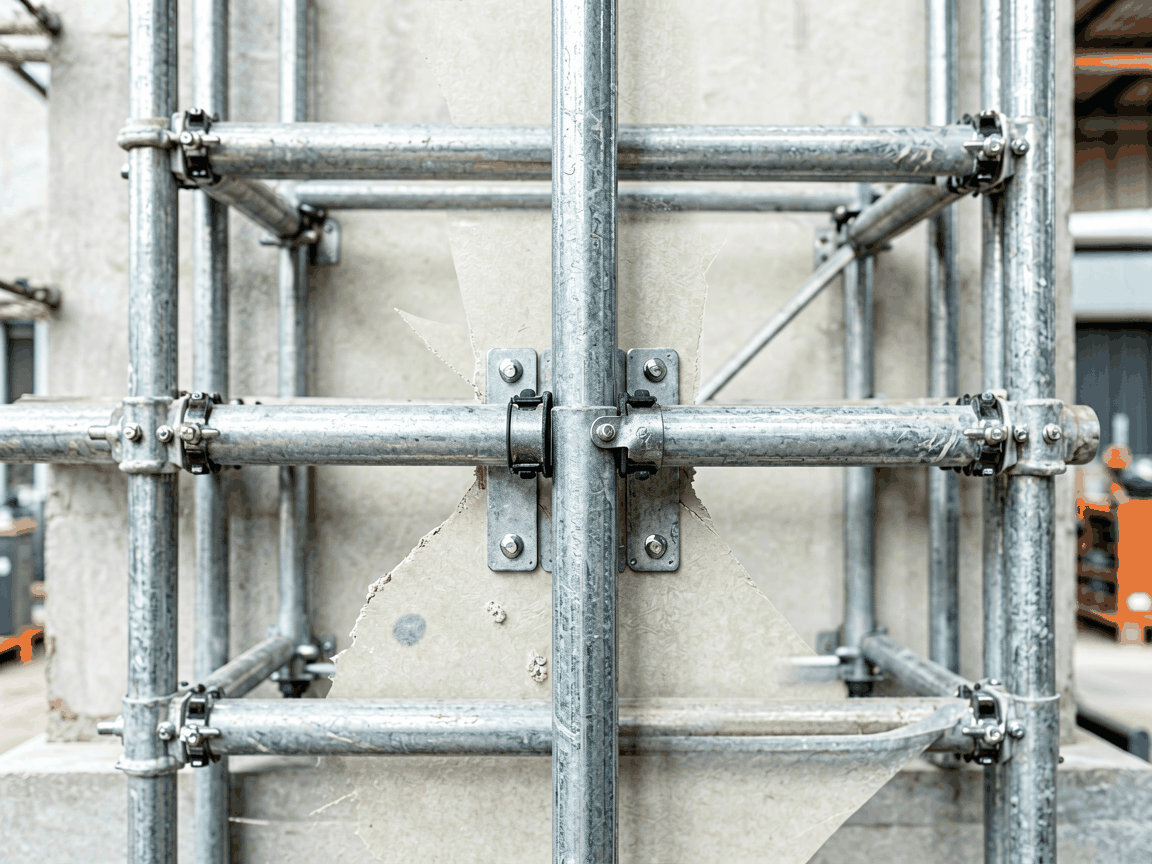
Surface finish significantly affects both cost and service life. Black (untreated) tubes are the least expensive but require frequent inspection and are unsuitable for humid or coastal environments. Hot-dip galvanizing adds a zinc coating (typically 55–85 µm) that increases price by 20%–40% but extends outdoor lifespan to 5–10 years with minimal maintenance. Electrogalvanizing offers thinner coatings (8–12 µm) at lower cost but is less durable for prolonged outdoor use. Powder coating provides aesthetic and chemical resistance benefits but adds 30%–50% to base cost and is rarely used for structural scaffold tubes unless specified for architectural applications.
Economies of scale play a major role in unit pricing. Orders under 5 tons often carry a 10%–20% surcharge due to mill setup and handling inefficiencies. Volumes exceeding 20 tons typically qualify for base pricing, while orders over 50 tons may receive additional rebates. Transportation costs — influenced by distance, truck availability, and fuel prices — are frequently excluded from ex-works quotes. For international buyers, FOB or CIF terms must be clarified, as port handling, customs documentation, and insurance can add 8%–15% to landed cost. Packaging (bundled with steel straps or plastic wrap) is standard, but specialized packaging for corrosion-sensitive environments may incur extra charges.
Scaffold tube prices are closely linked to global steel benchmarks such as the London Metal Exchange (LME) rebar index or domestic hot-rolled coil futures. Raw material costs account for 60%–70% of the final price, meaning fluctuations in iron ore, coking coal, and scrap steel directly impact quotations. Mills often update prices monthly or quarterly based on input cost changes. Buyers should inquire about price validity periods (typically 10–30 days) and whether quotes are subject to adjustment upon shipment. Long-term contracts may include escalation clauses tied to recognized steel indices.
| Specification | Typical Price Range (USD/kg) | Notes |
|---|---|---|
| Q235, 48.3x2.0mm, black | 0.55 – 0.65 | Base grade, no coating |
| Q235, 48.3x2.5mm, black | 0.65 – 0.75 | Most common scaffold specification |
| Q235, 48.3x3.2mm, black | 0.80 – 0.95 | High-load applications |
| Q235, 48.3x2.5mm, HDG | 0.80 – 1.00 | Hot-dip galvanized, 60µm avg |
| S355JR, 48.3x2.5mm, HDG | 0.95 – 1.20 | High strength + corrosion protection |
Note: Ranges are indicative and based on mill ex-works pricing for orders >10 tons. Actual quotes depend on exact dimensions, certification requirements (e.g., EN 39, BS 1139), delivery terms, and current market conditions. Always request a formal quotation with full specifications.