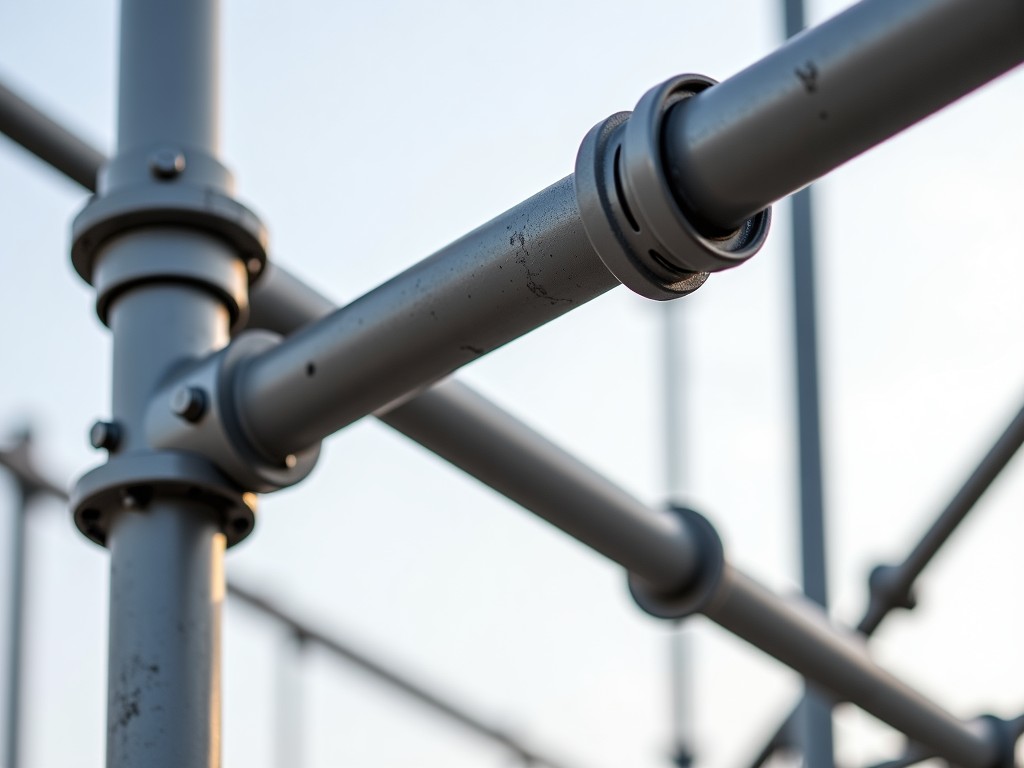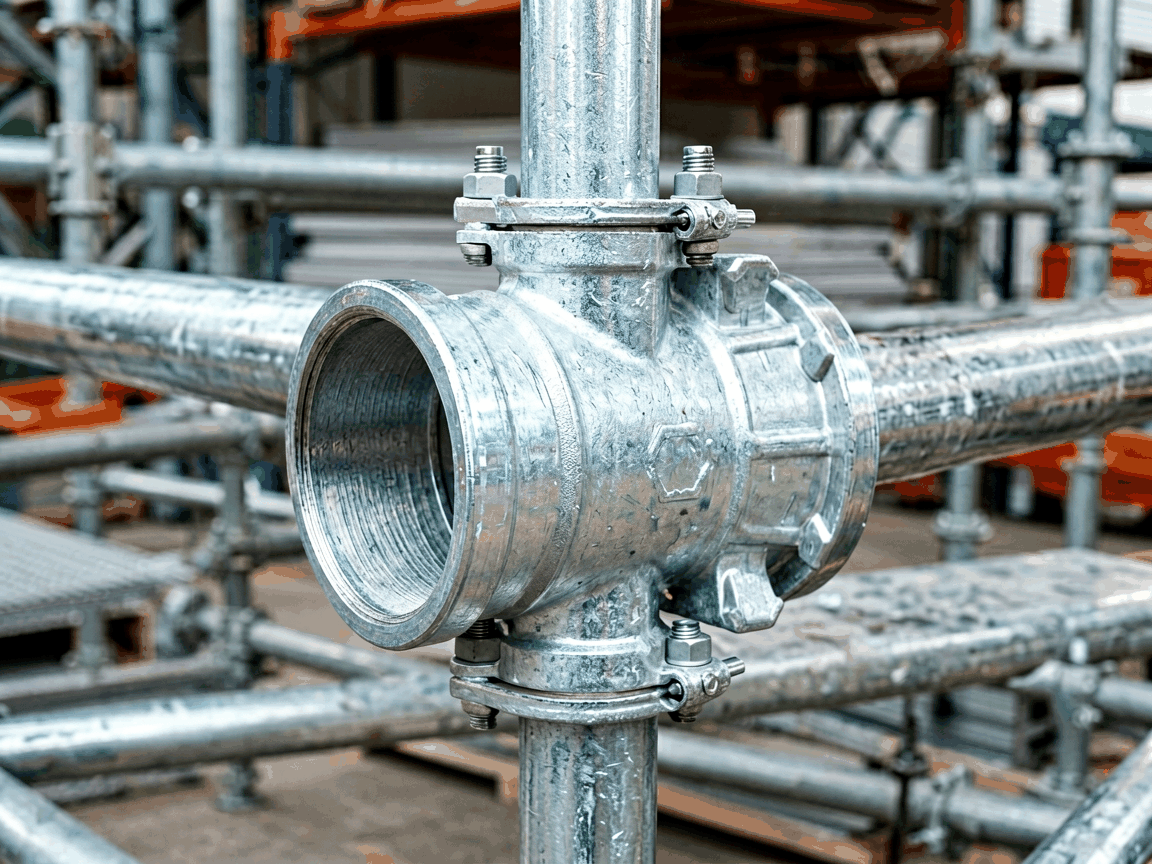
Pressed steel double couplers are fundamental components in tube-and-clamp scaffolding systems, designed to connect two scaffold tubes at a fixed 90-degree angle. Manufactured from hot-rolled steel plates through precision stamping and welding processes, these couplers provide rigid, load-bearing joints essential for structural stability in temporary works. Unlike swivel or putlog couplers, the double coupler’s fixed geometry ensures predictable load transfer and resistance to rotational movement under lateral and axial forces.
The coupler body is typically formed from S275JR or equivalent structural steel plate, selected for its balance of yield strength (≥270 MPa) and ductility, which allows for plastic deformation without brittle failure under overload conditions. The plates are pressed into symmetrical halves using hydraulic presses equipped with hardened dies, ensuring dimensional consistency across production batches. Each half features a forged steel collar with acme-threaded recesses to accommodate the tightening bolts.
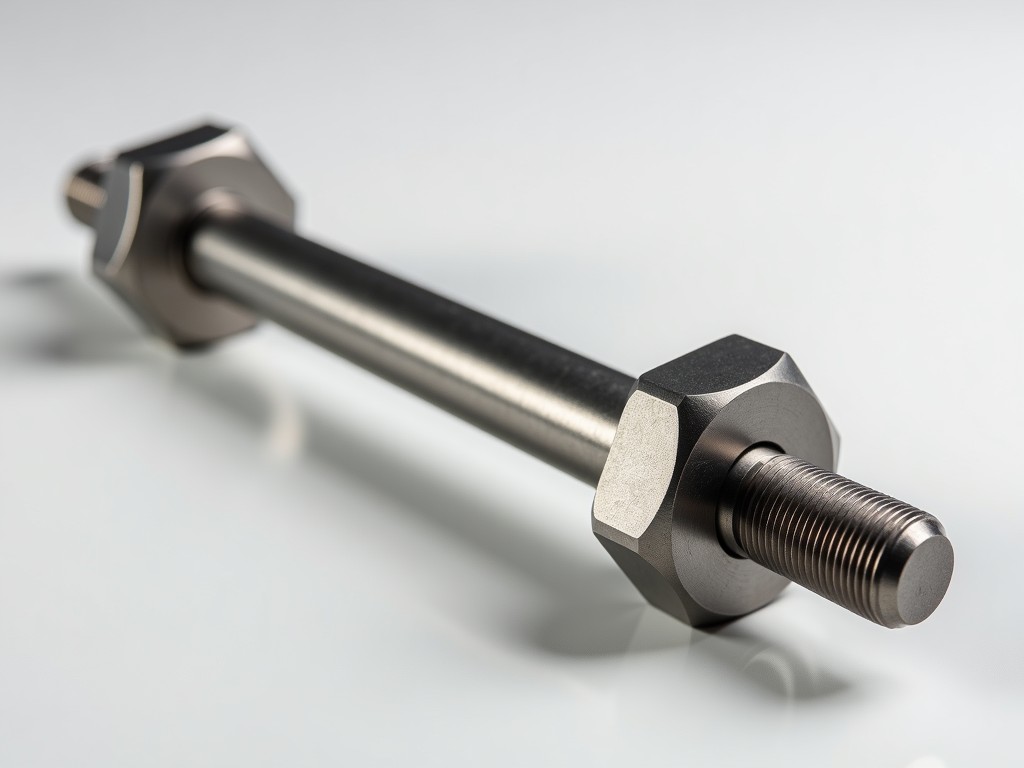
Bolts and nuts are made from Grade 8.8 carbon steel, heat-treated to achieve a minimum tensile strength of 800 MPa and proof load capacity suitable for repeated tightening cycles. Threads are rolled rather than cut to enhance fatigue resistance. After assembly, the complete unit undergoes hot-dip galvanization per EN ISO 1461, providing a minimum zinc coating thickness of 55 μm to resist corrosion in outdoor and humid environments.
Pressed steel double couplers are engineered to accommodate standard scaffold tube diameters, most commonly 48.3 mm OD (outer diameter), though variants exist for 42 mm and 60.3 mm tubes depending on regional standards. The internal jaw width is precision-machined to allow smooth insertion of tubes while maintaining sufficient interference to prevent slippage under service loads.
The center-to-center distance between tube axes when assembled is typically 74 mm for 48.3 mm tubes, a dimension critical for ensuring compatibility with ledger, transom, and brace spacing in modular scaffolding designs. Tightening is achieved via two M12 bolts, each requiring a torque of 60–75 Nm to develop adequate clamping force without over-stressing the threads or deforming the tube.
| Parameter | Typical Value | Standard Reference |
|---|---|---|
| Tube Compatibility (OD) | 48.3 mm | EN 74, BS 1139 |
| Center-to-Center Distance | 74 mm | Calculated from jaw geometry |
| Bolt Size | M12 | ISO 898-1 |
| Recommended Torque | 60–75 Nm | Manufacturer test data |
| Minimum Yield Strength (Body) | 270 MPa | EN 10025-2 |
| Zinc Coating (Hot-Dip Galv.) | ≥55 μm | EN ISO 1461 |
The safe working load (SWL) of a pressed steel double coupler is determined through empirical testing and finite element analysis, considering both slip resistance and structural integrity of the coupler body under combined shear and tension. For standard 48.3 mm tube assemblies, the typical SWL per coupler is 6.25 kN when subjected to a downward vertical load, based on a factor of safety of 3.0 relative to ultimate test results.
Under lateral loading—such as wind or inertial forces—the coupler’s resistance to tube slip is governed by the frictional force developed between the tube surface and the jaw interior, amplified by the bolt preload. Surface condition (e.g., galvanized vs. painted tube) significantly influences this capacity, which is why coupling performance is evaluated in conjunction with tube specification. Deformation of the coupler jaws or bolt elongation beyond elastic limits indicates approaching failure and necessitates immediate removal from service.
Fatigue life is another critical consideration in long-term or cyclic loading applications, such as suspended scaffolding or formwork systems. The rolled-thread bolts and pressed steel construction exhibit high resistance to crack initiation, particularly when inspected regularly for signs of fretting or corrosion at the tube-coupler interface.
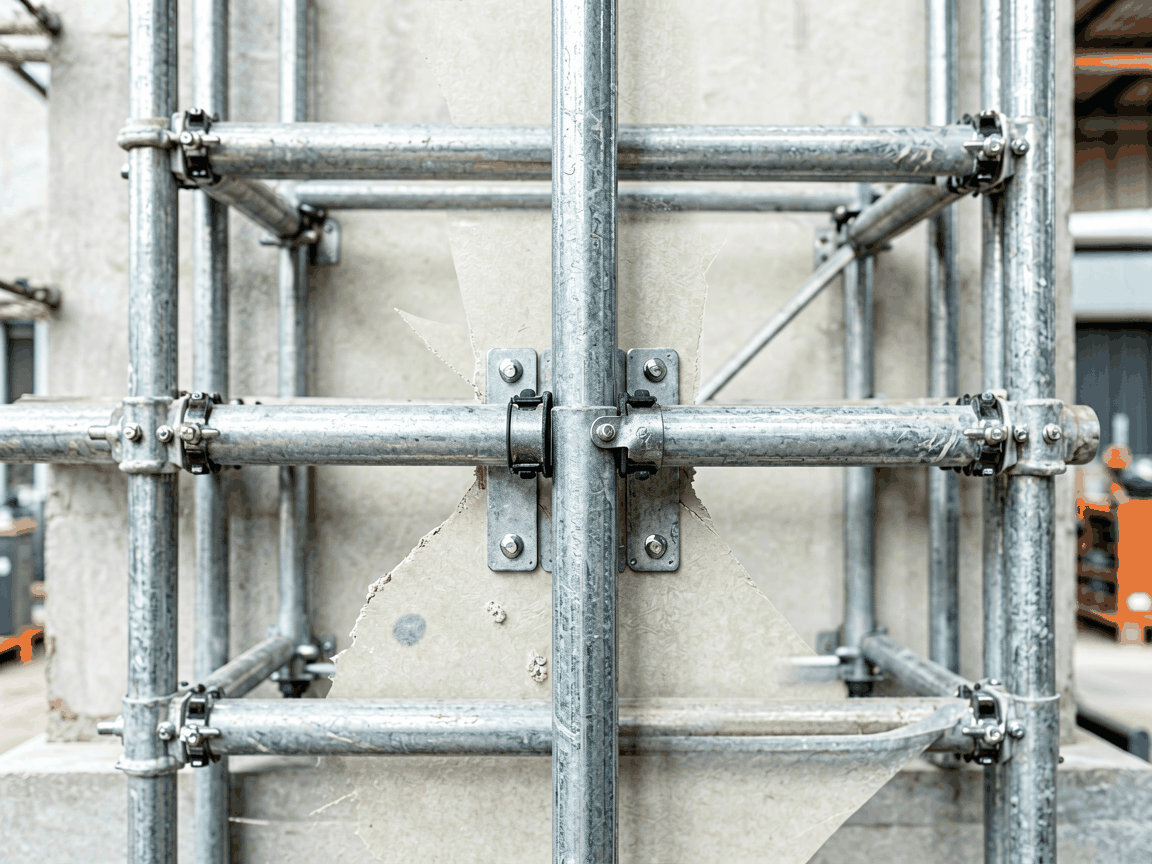
Pressed steel double couplers are primarily used to create rigid connections between vertical standards (uprights) and horizontal ledgers or transoms in facade scaffolding, birdcage scaffolds, and shoring towers. Their fixed 90-degree angle ensures accurate alignment of load paths, which is essential when erecting structures that must support significant dead and live loads, such as concrete formwork or masonry access platforms.
In shoring and falsework systems, double couplers secure vertical props to horizontal beams, forming load-bearing frames that transfer slab or wall loads to the ground or foundation. The predictability of the fixed joint simplifies structural analysis and allows engineers to calculate deflection and buckling resistance with greater confidence compared to systems relying on friction-only connections.
Beyond building construction, these couplers are utilized in industrial maintenance, shipbuilding, and offshore scaffolding where temporary access is required around complex geometries. Their durability and resistance to environmental degradation make them suitable for repeated use across multiple projects, provided they undergo proper inspection and maintenance between deployments.
To ensure ongoing safety and performance, pressed steel double couplers must be inspected before each use and after any incident involving impact or overloading. Key inspection points include checking for cracks in the pressed jaws (particularly at the weld or bend radii), thread damage on bolts or nuts, excessive deformation of the tube holes, and corrosion that compromises surface integrity or coating adhesion.
Bolts and nuts should rotate freely when disengaged and show no signs of galling or stripped threads. Any coupler exhibiting permanent deformation—such as jaw spreading beyond 2% of original width or bolt hole elongation—must be withdrawn from service, as these indicate plastic deformation and reduced clamping capacity. Galvanized coating should be intact; localized rusting is acceptable if superficial, but pitting or flaking requires evaluation.
After cleaning, moving parts may be lubricated with a dry-film lubricant to prevent seizing, especially in humid or marine environments. Couplers should be stored in dry conditions, stacked to avoid bending or impact damage. With proper care, a single coupler can endure dozens of cycles over several years, contributing to lower lifecycle cost compared to lower-grade alternatives.
While standard pressed steel double couplers are designed for 48.3 mm scaffold tubes, manufacturers can produce variants for alternative tube sizes upon request, such as 42 mm (common in some Asian markets) or 60.3 mm (used in heavy-duty shoring). These require new press tooling and jaw machining to maintain proper interference fit and clamping geometry.
Thread specifications can also be adjusted—though M12 is standard—to match regional fastener preferences or corrosion-resistant alloys (e.g., stainless steel bolts for chemical plants). Coating alternatives include hot-dip galvanizing with supplementary passivation, zinc-rich primers for paint-over applications, or mechanical plating for tighter tolerance requirements.
Packaging options range from bulk loose packs in palletized cartons to pre-assembled kits with bolts and nuts included, facilitating faster on-site preparation. Labeling with batch codes, material traceability, and compliance markings (e.g., EN 74) supports quality control and rental inventory management.