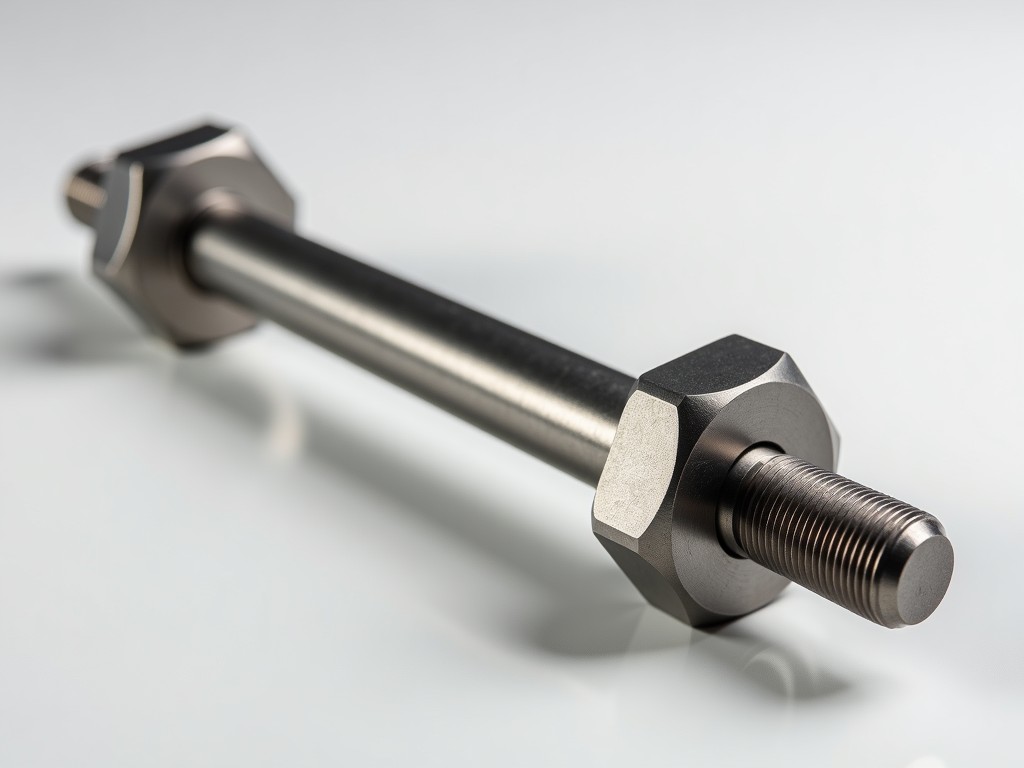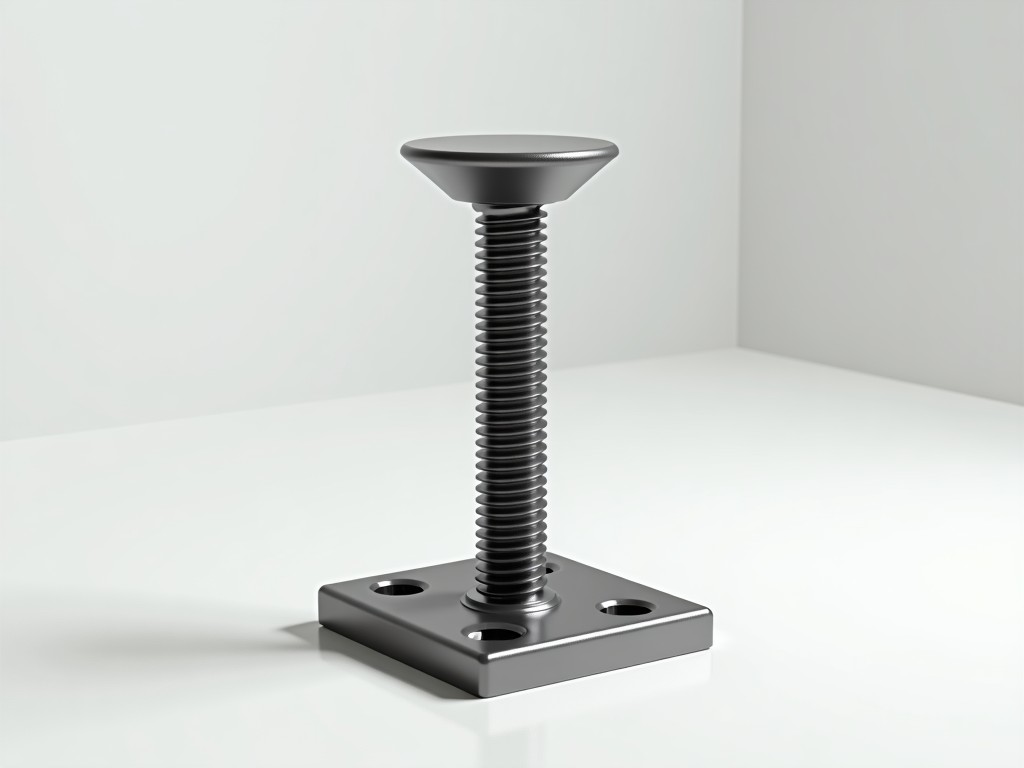
Plastic cones for tie rod formwork are precision-molded spacers designed to maintain consistent spacing between formwork panels during concrete pouring. They function as sacrificial elements that create a void around the tie rod after form removal, allowing for clean extraction and preventing concrete adhesion to the steel rod.
These components are critical in ensuring dimensional accuracy of concrete surfaces and reducing labor-intensive post-pour finishing. By maintaining a uniform gap, they prevent formwork bowing under hydrostatic pressure and enable efficient reuse of tie rod systems across multiple pour cycles.
Unlike metal or wood alternatives, plastic cones resist corrosion, do not stain concrete, and eliminate the risk of foreign object debris (FOD) left in the structure. Their low friction surface allows for smooth rod withdrawal without damaging the formwork or concrete edge.
Standard plastic cones are manufactured from high-density polyethylene (HDPE) or polypropylene (PP) copolymers selected for their balance of rigidity, impact resistance, and chemical inertness. These polymers maintain structural integrity under typical concrete pour pressures ranging from 40 to 80 kN/m², depending on form height and slump.
The material exhibits a melt flow index (MFI) between 0.2 and 0.8 g/10 min, ensuring adequate stiffness during installation while allowing for clean demolding. Additives include UV stabilizers for outdoor storage resistance and anti-static agents to reduce dust accumulation during handling.
Density ranges from 0.94 to 0.96 g/cm³ for HDPE and 0.90 to 0.91 g/cm³ for PP, providing buoyancy in wet concrete environments without compromising positional stability. Thermal stability allows short-term exposure to temperatures up to 90°C without deformation, sufficient for most ambient and heated concrete curing scenarios.
Plastic cones are engineered to match common tie rod diameters, with internal bore sizes precisely calibrated to allow minimal radial play while accommodating thread variations and coating thicknesses. Standard configurations serve 15mm, 20mm, and 24mm tie rod systems, which represent the majority of formwork applications in commercial and infrastructure construction.
Outer diameter and height are designed to create a consistent void zone that prevents concrete ingress while allowing sufficient space for formwork deflation and rod extraction. The conical profile facilitates self-centering during installation and reduces the risk of misalignment under lateral loads.
Dimensional tolerances are held to ±0.5mm for critical interfaces (bore and seating surfaces) and ±1.0mm for overall dimensions, ensuring repeatable performance across production batches. These tolerances are validated through statistical process control during molding to prevent cumulative spacing errors in large formwork arrays.
The conical geometry serves multiple functions: it guides the tie rod into alignment during form assembly, distributes radial loads evenly across the formwork face, and creates a tapered release path that minimizes binding during extraction. The base flange provides a positive stop against the form panel, preventing over-insertion and ensuring consistent void depth.
Internal threading or knurling options are available to resist rotational movement during vibration or lateral concrete pressure, maintaining positional integrity throughout the pour. Some designs incorporate a breakaway feature at the base, allowing the cone to separate cleanly from the tie rod after form removal without requiring additional tools.
The smooth external surface minimizes formwork marking and allows for easy cleaning between uses. Unlike threaded metal cones, plastic versions do not gall or seize, reducing maintenance requirements and extending the service life of the tie rod system.
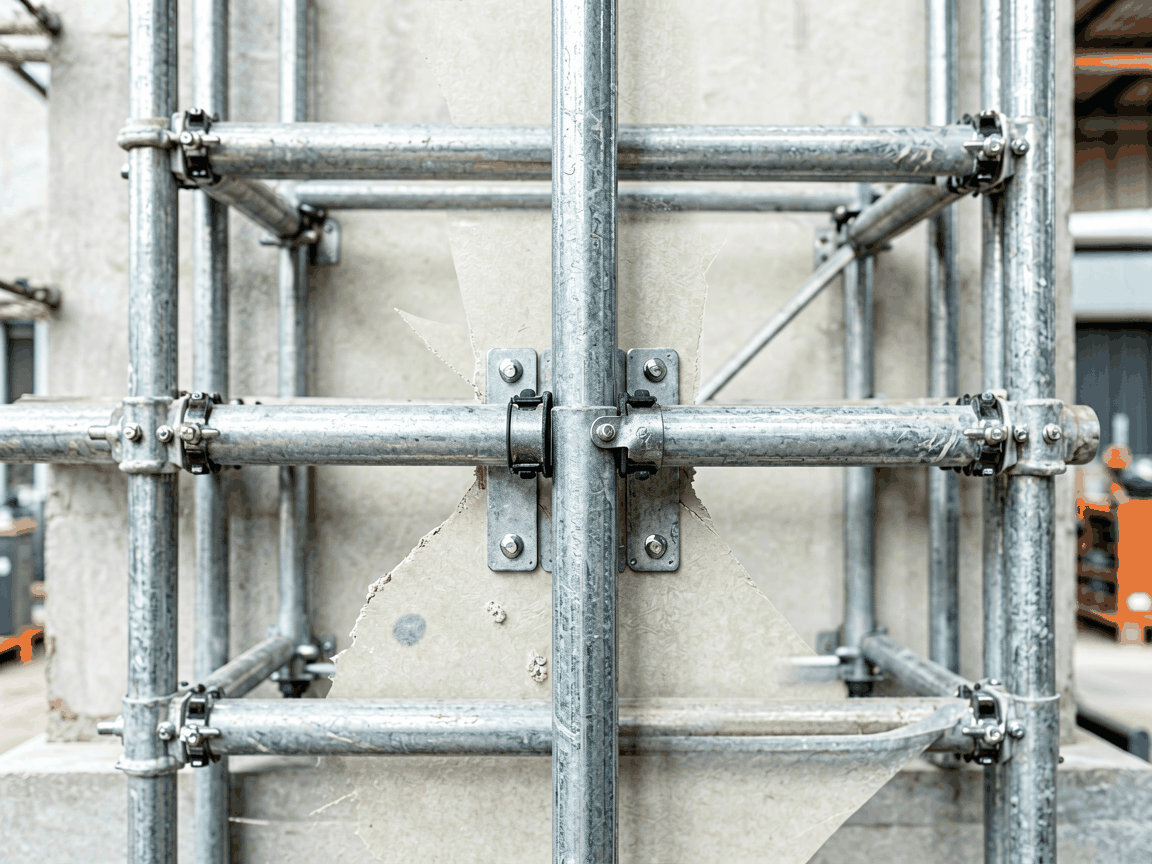
These components are widely used in wall, column, and slab formwork where tie rods are employed to resist lateral concrete pressure. In wall systems, they maintain panel spacing to achieve specified thickness tolerances, typically within ±3mm for architectural finishes and ±6mm for structural elements.
In column formwork, plastic cones ensure uniform circular or rectangular cross-sections by preventing inward bowing of the forms under uneven pressure distribution. Their use is particularly critical in high-rise construction where form heights exceed 3m, increasing hydrostatic loads on the system.
For soffit and slab applications, they support drop beams and panel edges, maintaining elevation consistency across large pour areas. The non-conductive nature of the plastic also prevents galvanic corrosion when used with steel formwork in humid or marine environments.
Production follows injection molding protocols with tight control over melt temperature, injection pressure, and cooling time to minimize internal stresses and warpage. Each batch undergoes dimensional sampling using calibrated gauges to verify bore size, outer diameter, and height against master tolerances.
Visual inspection checks for flash, sink marks, or short shots that could interfere with formwork seating or concrete finish. Material traceability is maintained through lot coding, enabling rapid identification of resin source and processing parameters in the event of field performance inquiries.
Functional testing includes simulated insertion and extraction cycles to assess wear resistance and binding tendency. Compression tests validate load-bearing capacity under sustained pressure, ensuring the cone does not deform excessively during long pours or in high-slump concrete applications.
While standard sizes cover the majority of formwork systems, customization is available for non-standard tie rod diameters, extended lengths for deep formwork, or specialized flange geometries to match proprietary form panel interfaces. Adjustments to wall thickness can be made to increase stiffness for high-pressure pours or reduce material use for lightweight applications.
Color coding is commonly implemented to distinguish between different tie rod sizes or formwork types on-site, improving installation accuracy and reducing sorting time. Available colors include black, red, yellow, and blue, using pigments that do not leach or contaminate the concrete surface.
Surface treatments such as textured finishes or anti-slip coatings can be applied upon request to improve grip during handling in wet conditions. All customizations are subject to minimum order quantities and tooling considerations, which are evaluated during the quotation phase.
| Parameter | Typical Value | Notes |
|---|---|---|
| Material | HDPE or PP Copolymer | Selected based on chemical resistance and impact requirements |
| Density | 0.90–0.96 g/cm³ | HDPE: 0.94–0.96; PP: 0.90–0.91 |
| Tie Rod Compatibility | 15mm, 20mm, 24mm nominal | Other sizes available upon request |
| Dimensional Tolerance | ±0.5mm (critical), ±1.0mm (overall) | Validated via SPC during production |
| Temperature Resistance | Up to 90°C short-term | Sufficient for ambient and heated curing |
| Color Options | Black, Red, Yellow, Blue | UV-stable pigments; custom colors available |
For technical inquiries, customization requests, or to discuss project-specific formwork challenges, contact our engineering team. We provide detailed dimensional drawings, material data sheets, and application guidance to support accurate specification and seamless integration into your formwork system.
Samples are available upon request for validation in your local environment. Lead times for standard products are typically 2–4 weeks, with expedited options available for urgent project needs. All communications are handled by experienced technical staff who understand the constraints and priorities of concrete construction workflows.
To initiate a consultation or request a quotation, visit our contact page or reach out directly. Our team will respond with engineering support tailored to your formwork design, pour conditions, and reuse expectations.
Request Technical Support or Quotation