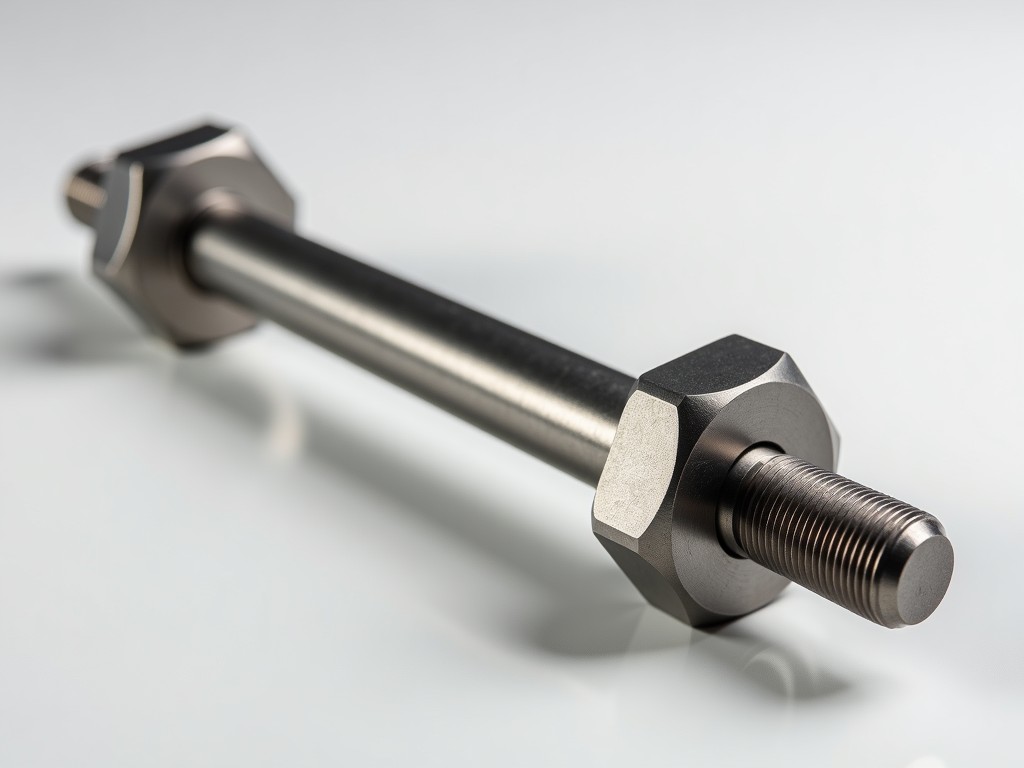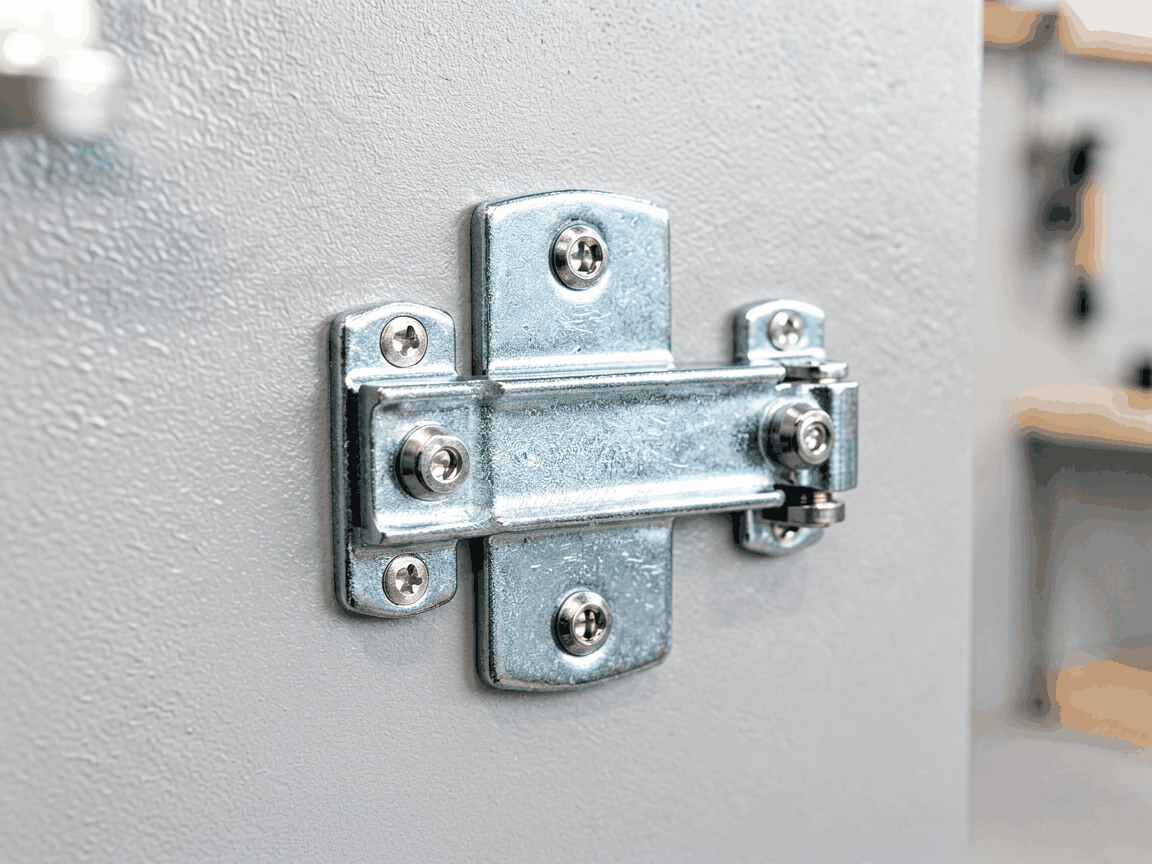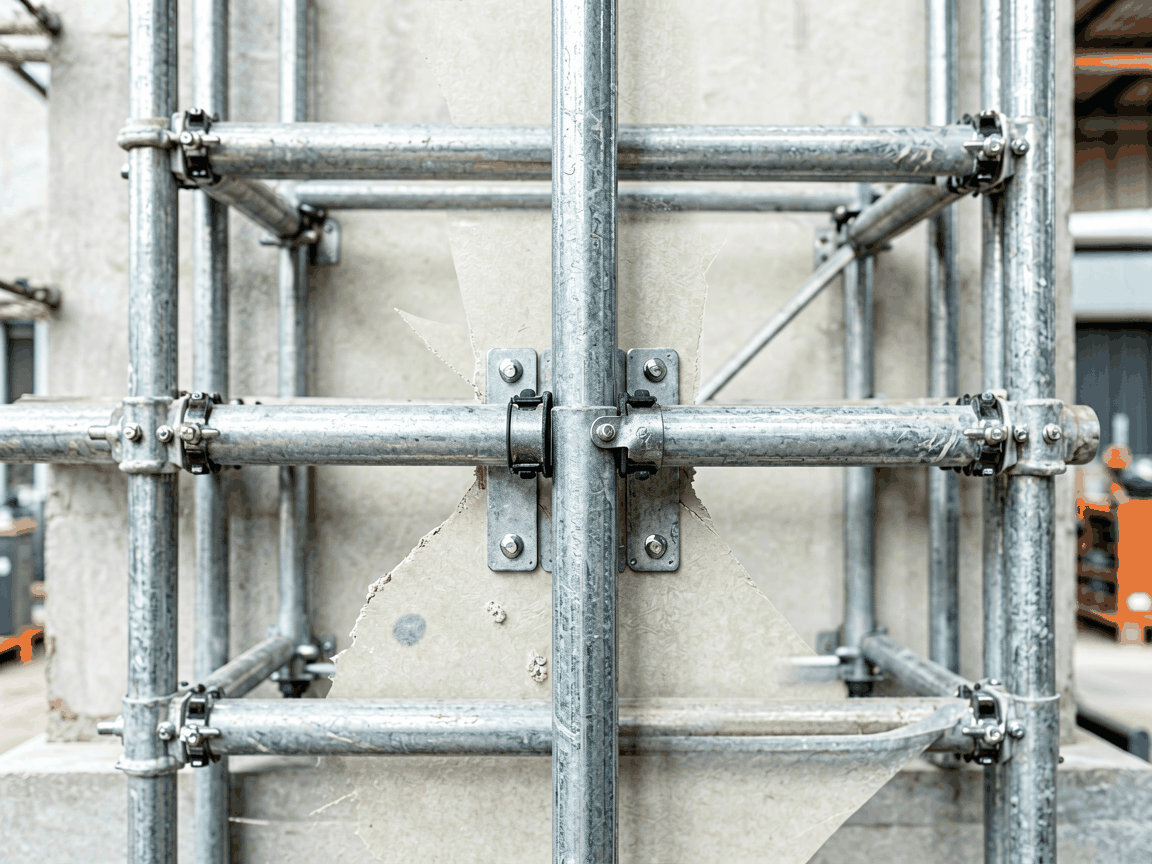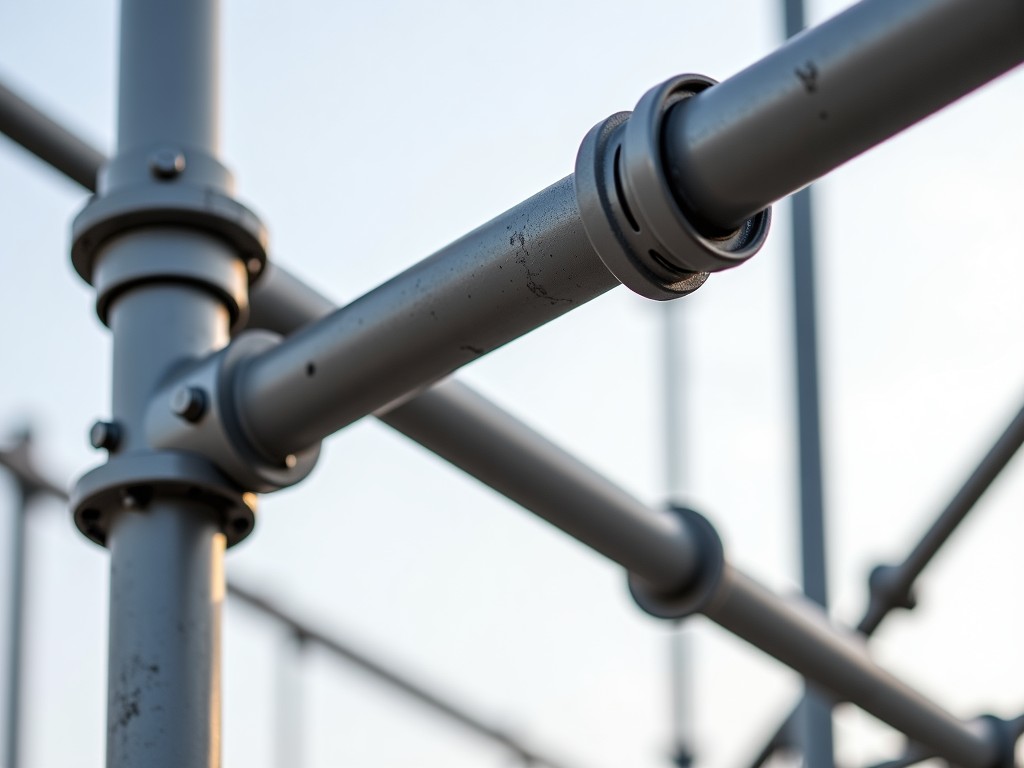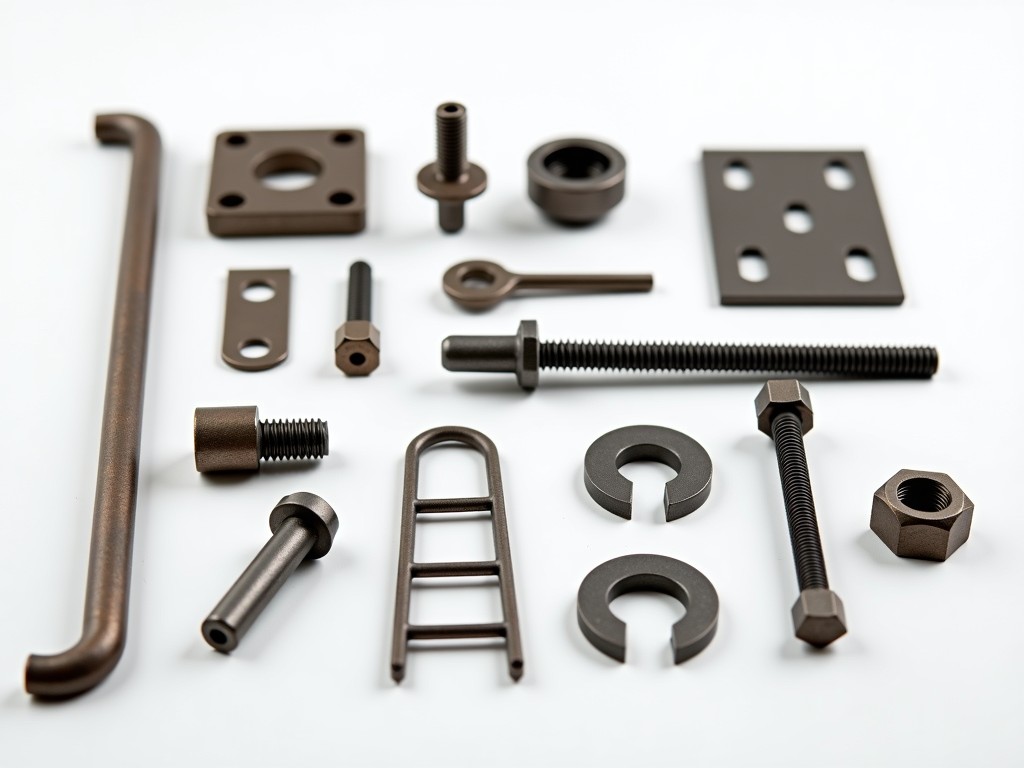
Plank ladder jack scaffold parts are critical components used to support wooden or aluminum planks in ladder jack scaffolding systems. These parts connect ladder jacks to scaffold planks, creating stable, temporary work platforms for tasks such as painting, siding installation, window replacement, and exterior repairs on low- to mid-rise structures.
Unlike frame or system scaffolds, ladder jack systems rely on the mechanical interface between the jack, the ladder, and the plank. The performance and safety of the entire assembly depend on the dimensional accuracy, material strength, and corrosion resistance of these individual parts. Engineers and procurement teams select these components based on load ratings, compatibility with existing ladders and planks, and environmental exposure.
A typical ladder jack scaffold system includes three primary parts: the ladder jack bracket, the plank retaining device, and the safety latch or lock mechanism. The ladder jack bracket attaches to the rung of an extension ladder and provides a horizontal bearing surface for the scaffold plank. The plank retaining device prevents longitudinal movement of the plank under load, while the safety latch ensures the jack remains securely engaged with the ladder during use.
Each component must withstand both static and dynamic loads. Static loads include the weight of workers, tools, and materials on the plank. Dynamic loads arise from movement, vibration, or sudden shifts during work. The bracket’s bearing surface must distribute pressure evenly across the ladder rung to avoid deformation or slippage. Retaining devices often use spring-loaded pins or bolt-through designs to resist uplift and lateral forces.
Material selection is driven by strength-to-weight ratio, durability, and environmental resistance. Hot-rolled steel is common for brackets due to its yield strength (typically 36 ksi minimum) and weldability. Retaining devices may use stainless steel springs or hardened pins to maintain tension over repeated cycles. Safety latches often incorporate galvanized or zinc-plated finishes to inhibit rust in outdoor conditions.
Ladder jack scaffold parts are rated for specific load capacities, usually expressed as maximum intended load per jack or per system. According to OSHA 1926.452(f), ladder jack scaffolds must support at least four times the maximum intended load. Typical ratings range from 250 to 500 pounds per jack, depending on design and material thickness.
Exceeding load limits can cause bracket deformation, ladder rung damage, or plank displacement. Engineers verify compatibility by checking the jack’s bearing width against the ladder rung diameter and ensuring the retaining device engages fully with the plank edge. Mismatched components increase the risk of uneven loading or sudden disengagement.
Regular inspection is required before each use. Key inspection points include checking for cracks in welds, bent or worn bearing surfaces, corroded or weakened springs, and missing or damaged safety latches. Any part showing signs of fatigue, permanent deformation, or corrosion beyond surface oxidation should be removed from service immediately.
The most common material for ladder jack brackets is ASTM A36 hot-rolled steel, chosen for its balance of strength, formability, and cost. For corrosive environments such as coastal areas or chemical processing facilities, galvanized steel or stainless steel (e.g., 304 or 316 grade) may be specified to extend service life.
Plank retaining devices often use music wire or oil-tempered steel springs for consistent force retention. Safety latches may incorporate nylon or polymer inserts to reduce wear on mating surfaces while maintaining locking integrity. Finishes vary by application: powder coating offers UV resistance and color coding for inventory management, while hot-dip galvanizing provides a thicker zinc layer for harsh outdoor exposure.
Custom material thicknesses are available upon request. Brackets can be manufactured from 10-gauge to 1/4-inch steel depending on load requirements. Spring wire diameter and coil pitch are adjusted to match the required retention force, typically ranging from 15 to 30 pounds of holding force per device.
Compatibility is determined by three key dimensions: ladder rung diameter, plank thickness, and jack spread width. Standard ladder jacks fit rungs from 7/8 inch to 1-1/8 inch in diameter and accommodate planks 1-1/4 inches thick. Spread width—the distance between the two jacks supporting a single plank—typically ranges from 16 to 24 inches but can be customized for wider or narrower planks.
Non-standard configurations are common in renovation projects where historic buildings have non-uniform ladder sizes or where planks are made from laminated veneer lumber (LVL) or engineered wood products. In such cases, brackets may be fabricated with adjustable bearing surfaces or widened plank sockets to ensure proper fit and load distribution.
OEM buyers often request branded markings, specific hole patterns for ladder attachment, or integrated cable tie anchors for tool management. These modifications do not alter the structural integrity of the part when designed within the original engineering parameters.
Manufacturing begins with CNC laser cutting or stamping of flat blanks to ensure dimensional accuracy. Brackets are formed using press brakes with tonnage matched to material thickness and bend radius to avoid cracking or springback. Welds, if used, are inspected visually and via dye penetrant testing for surface-breaking defects.
Springs are coiled to precise load-deflection curves and tested for cycle life—typically 5,000 to 10,000 compressions without permanent set. Safety latches undergo functional testing to confirm engagement and release forces fall within ergonomic and safety thresholds (usually 5 to 15 pounds of actuation force).
Final inspection includes dimensional verification using calipers and gauges, visual finish assessment, and functional assembly testing with representative ladders and planks. Traceability is maintained through lot numbers stamped or laser-etched onto each part, enabling recall tracking if needed.
| Parameter | Typical Range | Notes |
|---|---|---|
| Bracket Material Thickness | 10 ga to 1/4 in | Selected based on load rating |
| Plank Retention Force | 15–30 lbf | Per retaining device |
| Safety Latch Actuation Force | 5–15 lbf | For reliable engagement |
| Ladder Rung Compatibility | 7/8″–1-1/8″ dia | Standard adjustable range |
| Plank Thickness Compatibility | 1-1/4″ nominal | Custom widths available |
| Surface Finish | Paint, Galvanized, Powder Coat | Dependent on environment |
Plank ladder jack scaffolds are widely used in residential and light commercial construction where rapid setup, low weight, and minimal equipment are priorities. Common applications include exterior painting, gutter and downspout installation, siding replacement, soffit and fascia work, and window caulking on buildings up to two stories in height.
In maintenance operations, these systems allow workers to access eaves, roof edges, and wall surfaces without erecting full scaffolding. Facilities teams use them for HVAC servicing, lighting repairs, and signage installation on low-rise structures. The portability of the components—each jack typically weighs less than 10 pounds—enables easy transport between job sites.
Unlike powered access equipment, ladder jack scaffolds require no external power or fuel, making them suitable for remote or indoor locations where emissions or noise are concerns. Their simplicity also reduces training requirements; workers can be qualified to assemble and inspect the system in under an hour with proper guidance.
To request a quotation or technical documentation, provide the following details: ladder rung diameter, plank thickness and material, intended load per platform, environmental conditions (indoor/outdoor, exposure to moisture or chemicals), and required quantity. Custom configurations may require a sketch or CAD file for engineering review.
Lead times vary based on material availability and complexity. Standard galvanized or painted parts typically ship within 7–10 business days. Stainless steel or custom-fabricated units may take 10–15 days. Expedited processing is available for critical projects.
All parts are supplied with installation and inspection guidelines. Technical support is available to verify compatibility with existing ladders and planks, interpret load ratings, and advise on inspection frequency based on usage patterns.