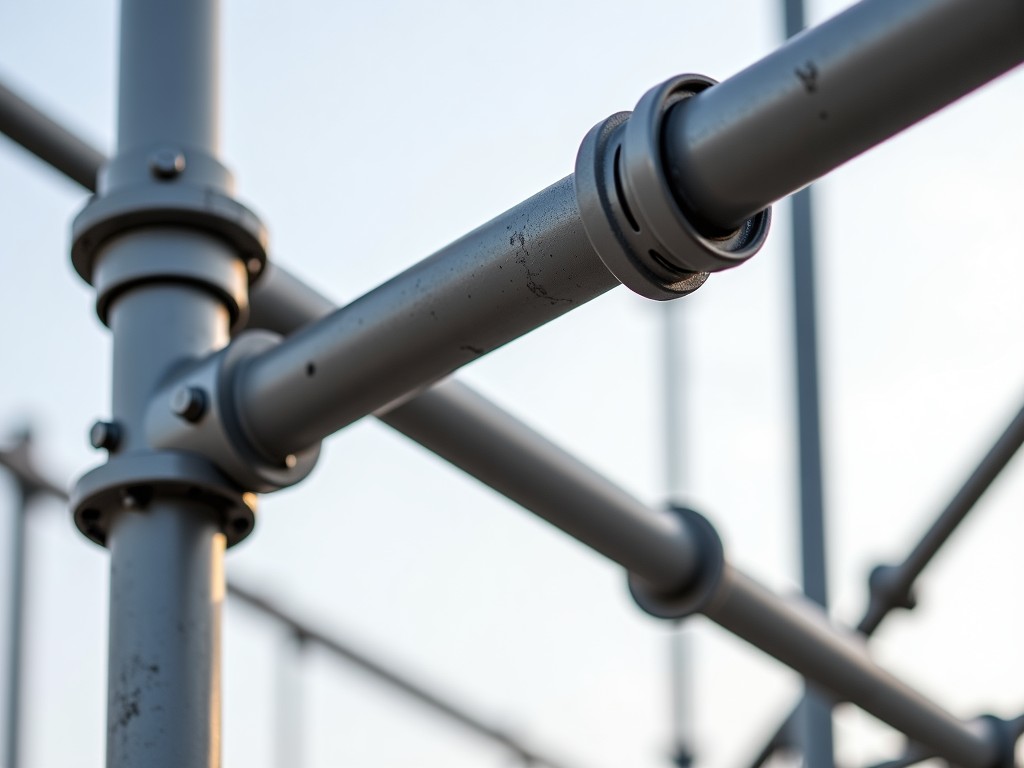
Scaffold staging systems rely on precise integration of structural tubes, couplers, base plates, and auxiliary components to maintain load integrity under dynamic site conditions. Each accessory serves a specific mechanical function—distributing forces, preventing lateral movement, or enabling height adjustment—based on proven engineering principles rather than generic suitability.
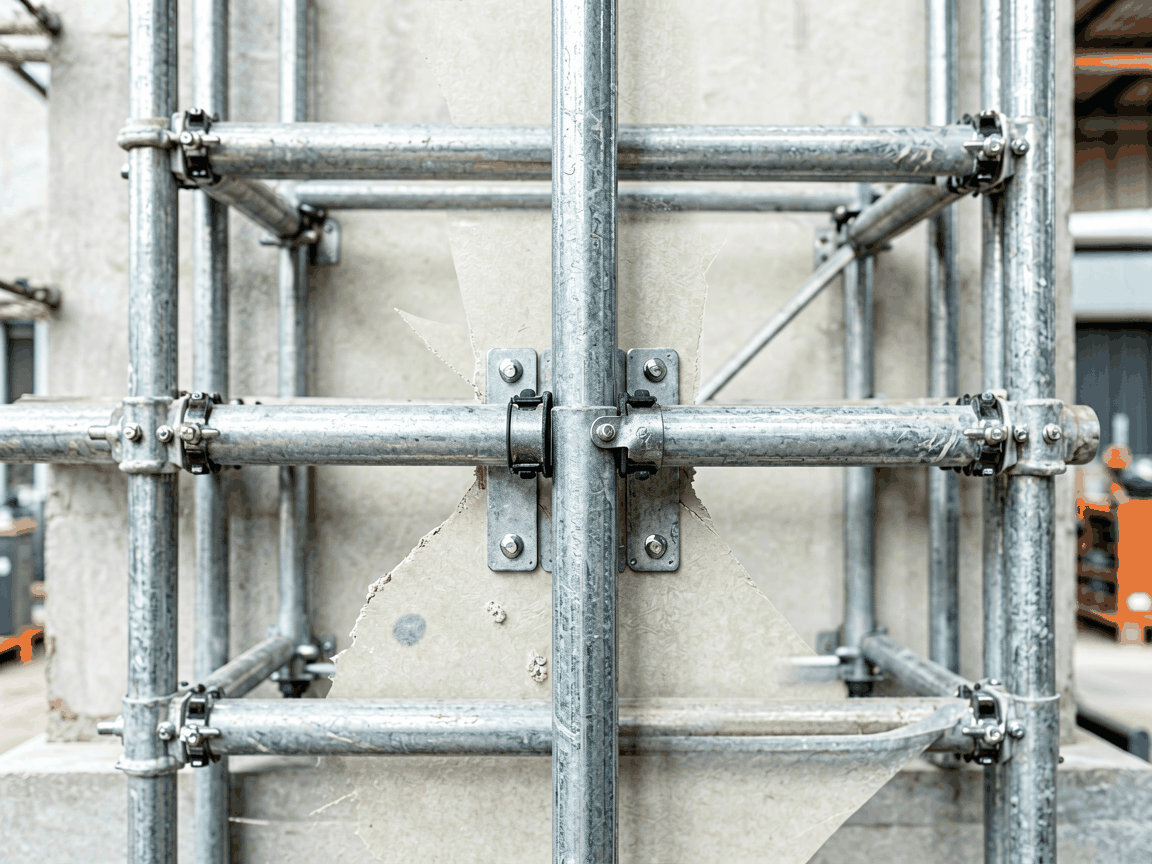
Understanding the role of each part requires examining how they interact within the overall scaffold geometry. For example, swivel couplers accommodate angular connections where pipes meet at non-90° angles, while fixed couplers provide rigid junctions for primary load-bearing frames. Base plates, meanwhile, transfer concentrated loads from vertical standards to the substrate through a defined bearing area, reducing point pressure on soil or decking.
The performance of a scaffold system depends on the dimensional accuracy and material consistency of its constituent parts. Tubes must conform to specified outer diameters and wall thicknesses to ensure coupler grip strength and resistance to buckling under compressive loads. Accessories such as toe boards and guardrails are not merely add-ons; they are engineered to resist impact forces and prevent fall hazards in compliance with regional safety codes.
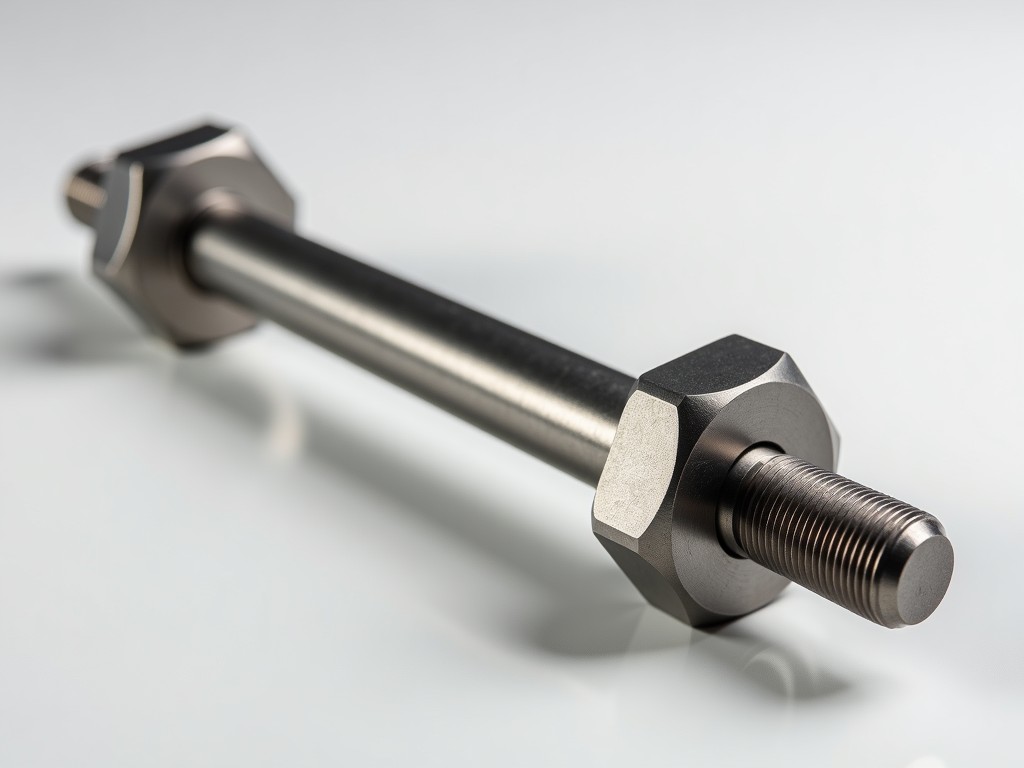
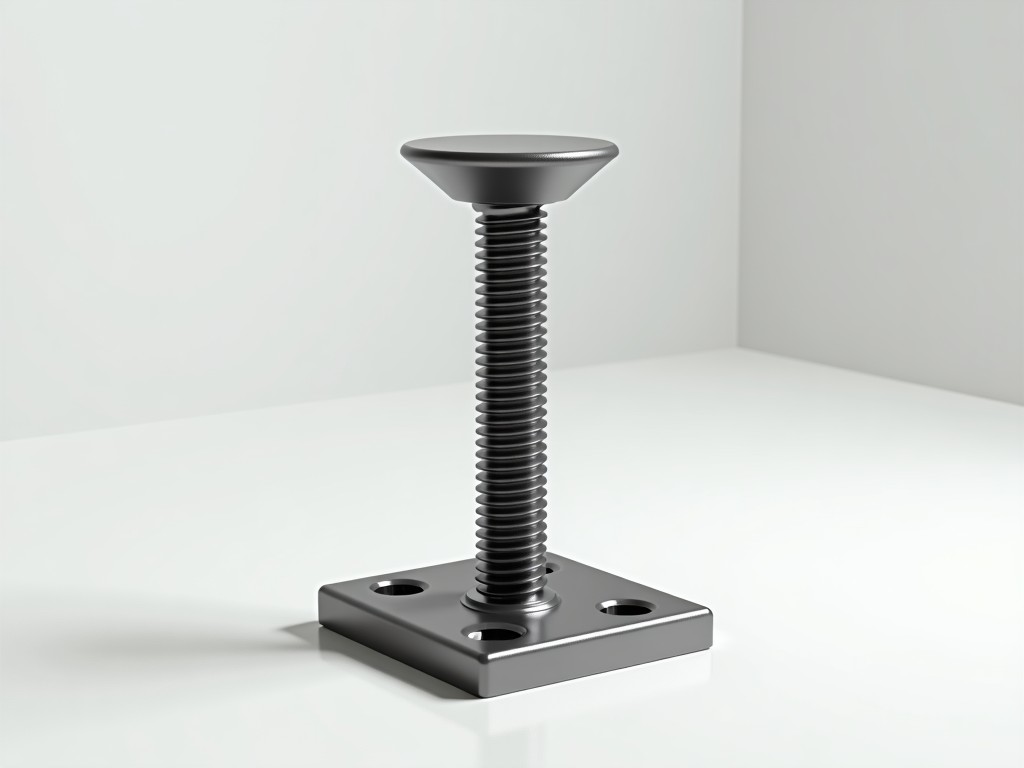
Adjustable components like screw jacks and U-heads introduce variables that must be controlled during installation. Screw jacks allow fine vertical adjustment to compensate for uneven substrates, with thread pitch and nut design determining the maximum safe load per adjustment revolution. U-heads, used to support beam formwork, distribute loads through a broad bearing surface to minimize localized stress on the supported member.
Most scaffold tubes and fittings are manufactured from hot-rolled structural steel grades such as S235JR or equivalent, chosen for their yield strength, ductility, and weldability. Surface treatments like hot-dip galvanizing (typically 55–85 µm zinc coating) provide corrosion resistance in outdoor environments, extending service life without compromising mechanical properties. The zinc layer acts as a sacrificial anode, protecting the underlying steel even if the coating is locally damaged.
Alternative materials such as aluminum alloys are used in specialized applications where weight reduction is critical, such as suspended scaffolds or indoor maintenance work. Aluminum scaffolds offer approximately one-third the weight of steel equivalents but require larger cross-sections to achieve comparable stiffness due to lower modulus of elasticity. Couplers for aluminum systems often incorporate stainless steel inserts to prevent galling during assembly and disassembly.
Scaffold design assumes uniform load distribution across bays, but real-world conditions often create eccentric loading due to material stacking, worker movement, or equipment placement. Accessories such as mid-rails and toe boards contribute to system stability by preventing outward sway and containing debris, indirectly reducing the risk of progressive failure. The effectiveness of these components depends on their secure attachment to the primary frame via compatible couplers or clamps.
Safety factors in scaffold design typically range from 1.5 to 2.5 for ultimate load capacity, depending on the standard applied (e.g., EN 12810, OSHA 1926 Subpart L). These factors account for uncertainties in material properties, installation quality, and dynamic loading. Critical accessories like base plates and couplers must be inspected regularly for deformation, corrosion, or thread damage, as any degradation reduces the effective safety margin.
Standard scaffold accessories address common configurations, but complex geometries—such as curved facades, irregular floor levels, or suspended loads—often require modified components. Adjustable base collars, swivel base plates, and angled adaptors enable erection on sloped surfaces while maintaining vertical alignment of standards. These adaptations must be engineered to ensure that load paths remain within the design envelope of the scaffold frame.
Custom lengths of scaffold tubes, non-standard coupler angles, or specialized brackets (e.g., for cantilevered platforms) are frequently requested for industrial maintenance, shipbuilding, or facade renovation projects. Such modifications are typically produced to order based on detailed drawings or site measurements, with material certifications and dimensional tolerances provided upon request to ensure traceability and compliance.
Reliability in scaffold accessories begins with consistent manufacturing processes. Tube straightness, coupler internal dimensions, and thread tolerances on adjustable components are monitored using calibrated gauges and coordinate measuring machines. Visual and dimensional inspections occur at multiple stages—raw material receipt, machining, surface treatment, and final assembly—to detect deviations before shipment.
Non-destructive testing methods such as magnetic particle inspection may be applied to critical load-bearing couplers to detect surface or near-surface cracks. Galvan coating thickness is verified using magnetic or electrochemical gauges to ensure compliance with specified micron ranges. These controls are not optional add-ons; they are integral to maintaining the mechanical properties assumed in scaffold design calculations.
| Component Type | Typical Material | Surface Treatment | Key Dimensional Tolerance |
|---|---|---|---|
| Scaffold Tube (Ø48.3mm) | S235JR Steel | Hot-Dip Galvanized (60µm avg) | Wall Thickness: ±0.3mm |
| Swivel Coupler | Forged Steel | Hot-Dip Galvanized | Internal Jaw: ±0.2mm |
| Adjustable Base Jack | Steel (Threaded Rod) | Zinc Plated or Galvanized | Thread Pitch: 6mm ±0.1mm |
| Toe Board Bracket | Pressed Steel | Hot-Dip Galvanized | Mounting Hole: ±0.5mm |
Dimensional tolerances are not arbitrary; they directly influence coupler grip strength, load transfer efficiency, and ease of assembly. Excessive clearance between tube and coupler jaws can lead to slippage under load, while insufficient clearance prevents proper insertion, risking damage to components during erection. Manufacturers define these tolerances based on empirical testing and finite element analysis of connection behavior under cyclic loading.
Surface treatment consistency affects long-term performance in corrosive environments. Variations in zinc coating thickness create localized weak points where corrosion initiates, potentially compromising structural integrity over time. Uniform coating application, verified through batch testing, ensures predictable service life across all components in a scaffold system.
In petrochemical facilities, scaffold accessories must withstand exposure to hydrocarbons, moisture, and temperature fluctuations. Components in these environments often utilize enhanced corrosion-resistant coatings or are selected from materials with proven resistance to stress corrosion cracking. The selection process evaluates not only mechanical strength but also chemical compatibility with potential contaminants.
For high-rise construction, wind loads impose significant lateral forces on scaffold towers. Accessories such as facade ties and anchoring systems become critical to prevent overturning, requiring precise installation to structural anchors at specified intervals. The effectiveness of these ties depends on their stiffness, connection detail, and the integrity of the building substrate to which they are attached.
Procurement of scaffold staging parts requires clear communication of project-specific parameters: required load classes, bay dimensions, substrate conditions, and anticipated duration of use. Providing detailed site plans or load diagrams enables suppliers to recommend appropriate accessories and configurations, reducing the risk of underspecification or over-engineering.
Technical support should include access to material test certificates, dimensional inspection reports, and installation guidelines. Suppliers who can trace raw material origins and provide batch-specific test data offer greater transparency, allowing buyers to verify compliance with project specifications independently. This level of documentation supports audit readiness and facilitates incident investigation if required.