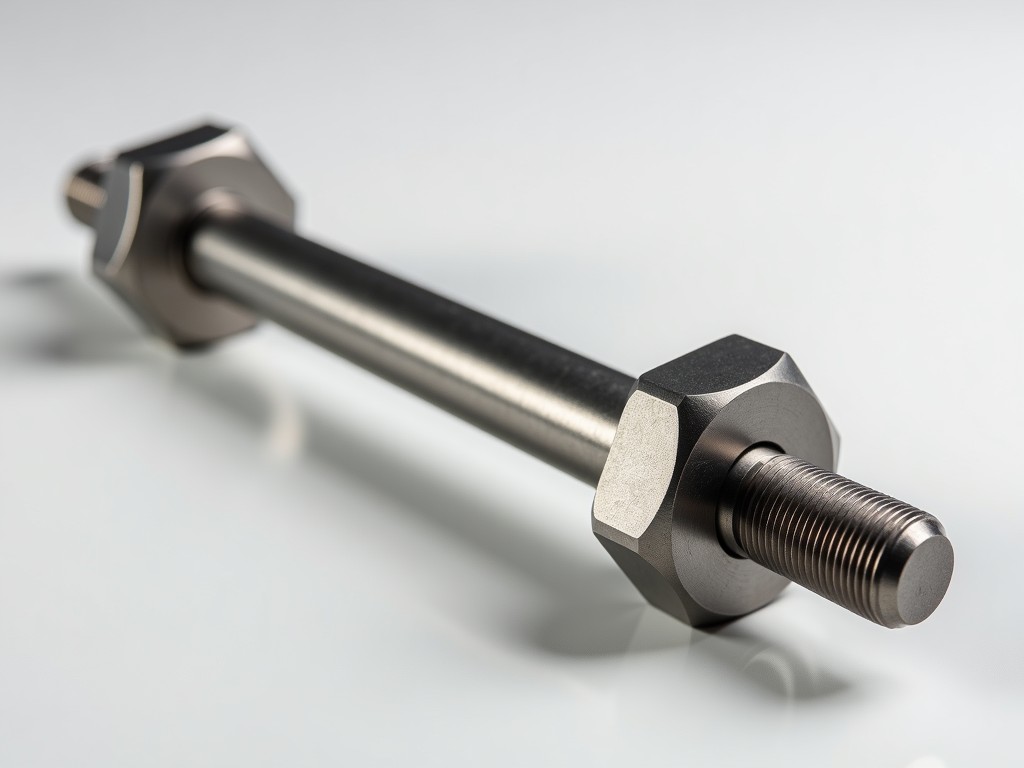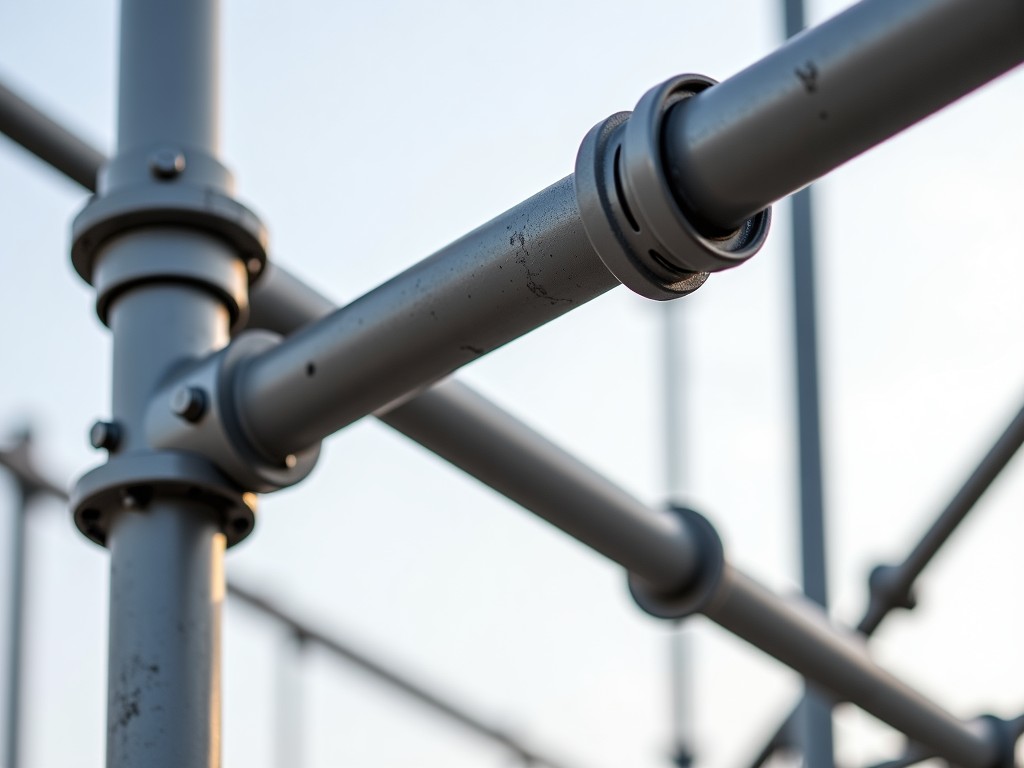
The pin wedge formwork scaffolding pin is a critical fastening component used to secure modular formwork panels and scaffolding systems in concrete construction. It functions by inserting through aligned holes in formwork ties or scaffold couplers and locking into place via a wedge mechanism that resists withdrawal under load. This design allows for rapid assembly and disassembly while maintaining structural integrity during concrete pouring and curing.
These pins are typically manufactured from high-strength carbon steel, such as Q235 or Q345 grade, selected for its balance of tensile strength, ductility, and weldability. The material undergoes controlled heat treatment to achieve a minimum tensile strength of 400 MPa and yield strength of 250 MPa, ensuring resistance to bending and shear forces encountered in formwork applications. Surface treatments include hot-dip galvanizing or electroplating to provide corrosion protection in alkaline concrete environments and outdoor exposure.
Standard pin wedge formwork scaffolding pins are available in diameters ranging from 16 mm to 22 mm, with overall lengths between 120 mm and 200 mm, depending on the formwork system thickness. The wedge section features a tapered angle of 1:8 to 1:10, providing self-locking action when driven into position. Manufacturing tolerances are held to ±0.5 mm on diameter and ±2 mm on length to ensure consistent fit within formwork tube couplers and tie rod holes, preventing play that could lead to misalignment or formwork bulging under load.
The load-bearing capacity of a pin wedge scaffolding pin is determined by its shear strength across the cross-sectional area and the withdrawal resistance provided by the wedge mechanism. A typical 20 mm diameter pin made from Q345 steel can withstand a shear load of approximately 25 kN before yielding, while the wedge design increases withdrawal resistance by up to 40% compared to a smooth pin due to mechanical interlock. These values are influenced by hole tolerance, material hardness, and installation technique, making proper insertion depth and wedge seating critical for performance.
| Feature | Pin Wedge System | Bolt and Nut | Spring Pin |
|---|---|---|---|
| Installation Speed | Fast (hammer-driven) | Slow (wrench required) | Moderate (press or hammer) |
| Withdrawal Resistance | High (wedge lock) | High (if torque maintained) | Medium (spring tension) |
| Reusability | High (minimal wear) | High (if threads undamaged) | Medium (spring fatigue) |
| Corrosion Sensitivity | Low (galvanized) | Medium (thread corrosion) | Medium (spring degradation) |
| Cost per Unit | Low | Medium | Medium |
Pin wedge scaffolding pins are primarily used in horizontal and vertical tying of modular formwork panels, such as those in wall, column, and slab systems. They secure formwork beams to uprights, align panel joints, and resist lateral pressure from wet concrete, which can exceed 50 kN/m² depending on pour height and rate. In scaffolding, they connect ledgers to standards in ring-lock or cup-lock systems, providing a quick-release joint that maintains rigidity under dynamic loads from worker movement and material handling. Their reliability reduces the risk of formwork failure, which could result in concrete blowouts, misalignment, or safety hazards.
Production involves cold heading or machining of steel blanks, followed by precision forming of the wedge end and inspection for dimensional accuracy. Each batch undergoes tensile testing and hardness verification (typically HRC 20–25) to confirm material consistency. Surface coating thickness is measured to ensure minimum 55 µm zinc coverage for hot-dip galvanizing, meeting ISO 1461 standards. Visual inspection checks for cracks, burrs, or deformation that could impair function. Traceability is maintained via batch markings to support quality audits and recall readiness.
While standard dimensions cover most formwork systems, customization is available for non-standard applications. Length can be adjusted to accommodate thicker formwork beams or specialized coupler designs. Diameter options may be increased to 25 mm for heavy-duty applications requiring higher shear capacity. Material upgrades to alloy steel or stainless steel grades are possible for environments with extreme corrosion exposure or elevated temperature cycles. Threaded ends or dual-wedge configurations can be engineered upon request to interface with proprietary formwork hardware.