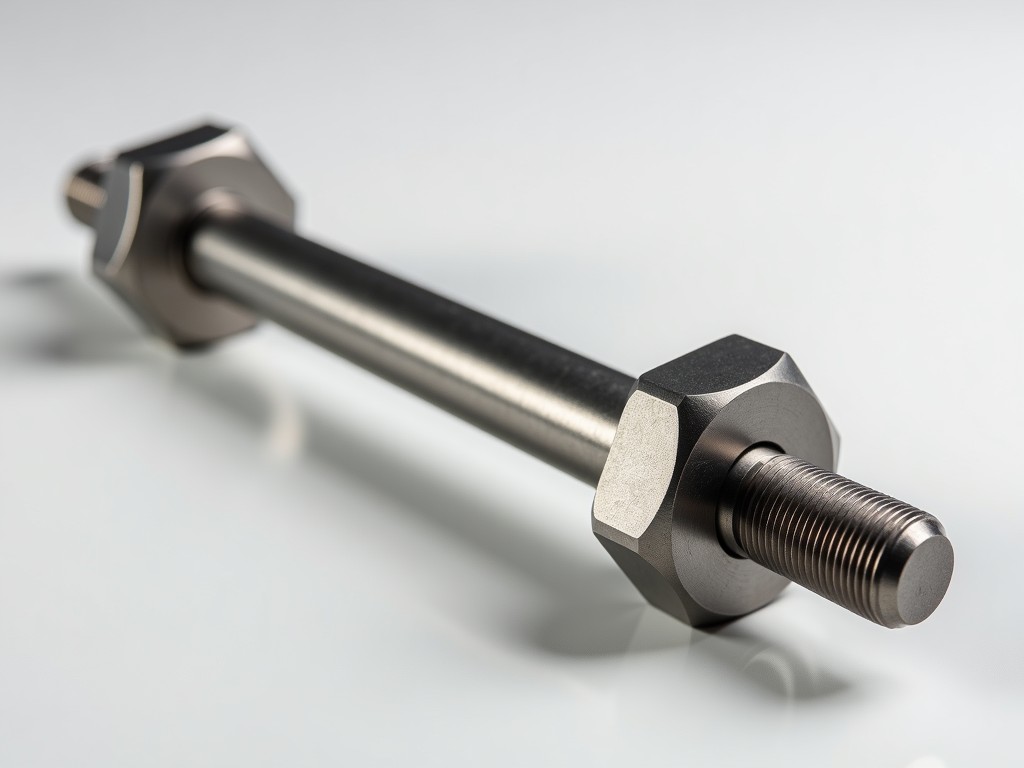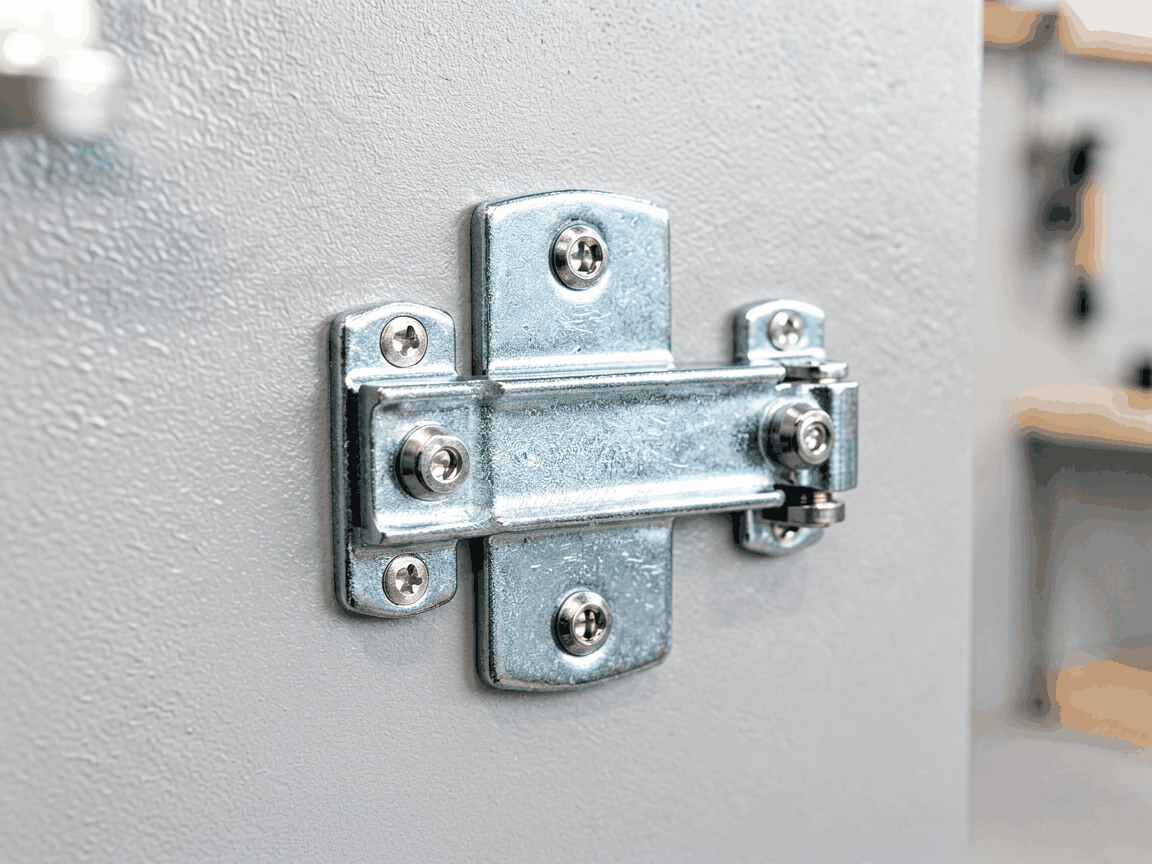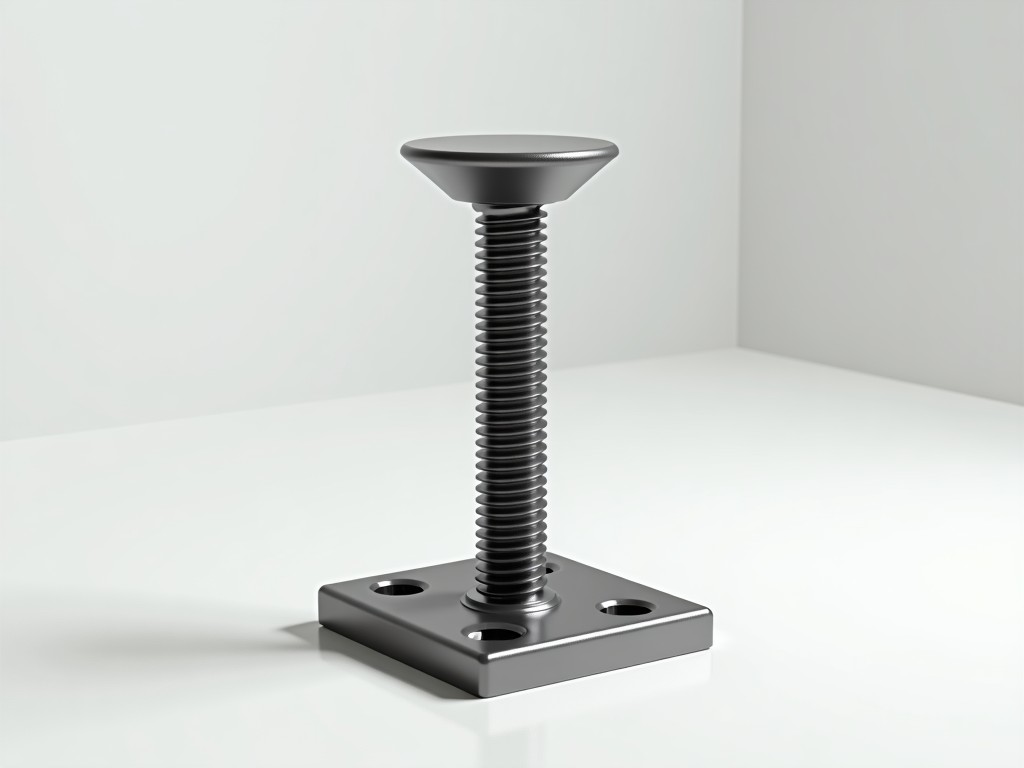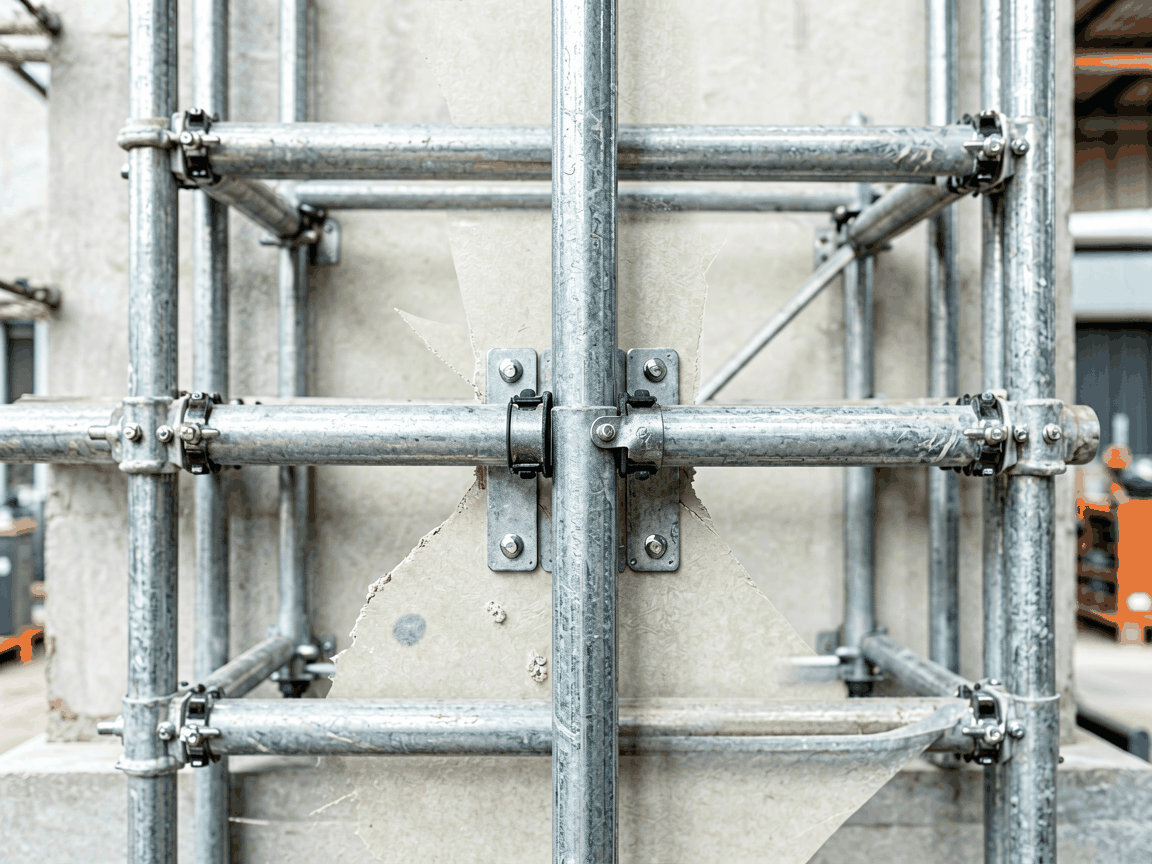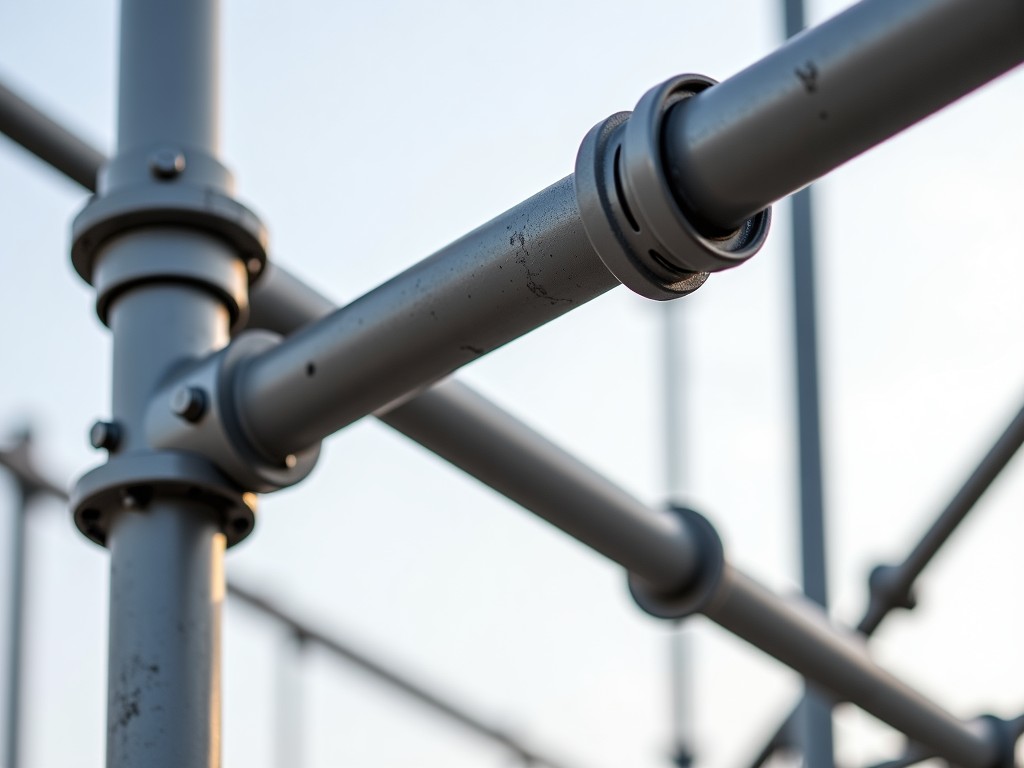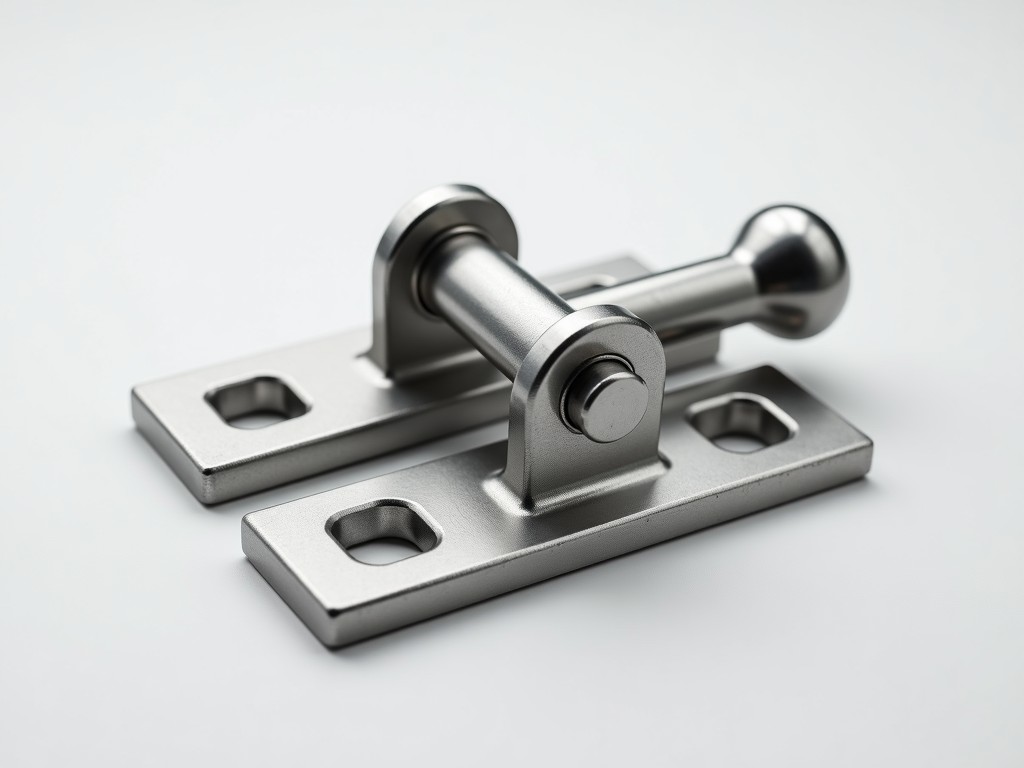
Pin latch hardware serves as a critical fastening component in tubular scaffolding systems, designed to secure horizontal ledgers, braces, and transoms to vertical standards through a positive mechanical lock. Unlike friction-based or wedge couplers, pin latches rely on a spring-loaded or gravity-actuated pin that inserts into mating holes on the scaffold tube, preventing accidental disengagement under load. This mechanism provides immediate visual and tactile confirmation of connection integrity, which is essential for worker safety in high-rise and temporary structures. The hardware must withstand repeated cyclic loading, environmental exposure, and potential impact during erection and dismantling without deformation or failure.
The functional principle of a pin latch centers on transferring shear and tensile forces from the ledger to the standard via direct bearing between the pin and the tube wall. When installed, the pin resides in a hole drilled through both scaffold members, creating a double-shear configuration that resists lateral movement and rotation. The latch mechanism—typically a cam, spring, or weighted arm—ensures the pin remains engaged even if the assembly experiences vibration or minor settling. Design considerations include pin diameter (commonly 16mm or 20mm), hole tolerance (H7/g6 fit for precision), and latch retention force, which must exceed 500N to prevent unintended release under OSHA and EN 12810-1 safety standards.
Pin latches are predominantly manufactured from forged carbon steel (e.g., C45 or 1045) or alloy steel (e.g., 4140) to achieve the necessary combination of yield strength (>450 MPa), toughness, and wear resistance. The pin itself undergoes induction hardening to a surface hardness of 50–55 HRC to resist abrasion from repeated insertion into steel tubes, while the latch body retains a tempered core for impact resistance. Alternative materials such as hot-dip galvanized steel or stainless steel (304/316) are specified for corrosive environments like coastal areas or chemical plants, where zinc coating (min. 85 µm thickness) or passive oxide layers prevent rust-induced seizing. Material traceability via mill test certificates is standard for batch tracking.
Compatibility with scaffold tube dimensions is non-negotiable; pin latches must match the outer diameter (OD) of the standard tube, typically 48.3mm for most systems, though 42mm, 50mm, and 60mm variants exist for regional or specialized applications. The pin length is calculated based on tube wall thickness (usually 3.2mm or 4.0mm) plus required engagement depth, ensuring the pin protrudes sufficiently on the far side to allow latch actuation. Hole spacing between adjacent latches on a ledger follows the scaffold bay width (e.g., 0.9m, 1.8m, 2.5m), and manufacturers provide jigs or templates to ensure accurate hole drilling during fabrication or site modification.
To extend service life in outdoor environments, pin latch hardware receives protective coatings beyond bare steel. Hot-dip galvanizing per ISO 1461 is the most common method, providing a zinc-iron alloy layer that sacrifices itself to protect the substrate, with a typical service life of 5–15 years depending on atmospheric conditions. For applications requiring paint compatibility or aesthetic uniformity, zinc-rich primers followed by epoxy or polyurethane topcoats are used. In aggressive environments—such as those with sulfur dioxide or chloride exposure—stainless steel grades 304 (mild) or 316 (marine) are selected despite higher cost, as they resist pitting and crevice corrosion without coating degradation.
Each batch of pin latch hardware undergoes dimensional verification using calibrated gauges to confirm pin diameter, hole alignment, and latch throw distance within ±0.1mm tolerance. Mechanical testing includes proof load testing at 1.5 times the rated working load (typically 2.2kN for 20mm pins) and cycle testing for 5,000 actuations to simulate field use. Non-destructive methods such as magnetic particle inspection detect surface cracks in high-stress zones, while salt spray testing (ASTM B117) validates coating adhesion for 500+ hours. Documentation includes material certificates, test reports, and batch numbers traceable to raw material lots.
Pin latch hardware is integral to scaffolding systems used in building façade access, bridge maintenance, shipbuilding, and event staging where rapid erection and dismantling are required. Its positive locking action makes it preferable over friction couplers in scenarios involving lateral loads from wind, equipment movement, or worker sway—common in high-rise construction exceeding 20 meters. In permanent works, such as formwork support for concrete pouring or temporary roofs over public spaces, the reliability of pin latches reduces the need for frequent re-tightening inspections, lowering labor costs and risk of oversight. The hardware is also adapted for use in shoring towers and material handling platforms where load predictability is critical.
While standard pin latches conform to EN 74 or BS 1139 specifications, manufacturers accommodate project-specific needs through engineering review. Customizations include altered pin lengths for non-standard tube thicknesses, modified latch geometries for confined spaces, or integrated safety cables to prevent pin loss during disassembly. For OEMs producing proprietary scaffolding systems, latch bodies can be forged with unique mounting flanges or splined interfaces to prevent interchangeability with competing brands. All custom designs undergo finite element analysis (FEA) to validate stress distribution under expected loads before tooling approval.
Correct installation requires aligning the ledger hole with the standard hole, inserting the pin fully, and engaging the latch until an audible click or visual confirmation indicates secure positioning. Workers must verify that the latch arm is not obstructed and that the pin cannot be retracted by hand pressure alone—a simple pull test confirms engagement. During use, weekly inspections should check for pin bending, latch wear, corrosion buildup in the mechanism, and tube wall elongation around holes. Lubrication with dry film lubricants (e.g., MoS₂) is recommended in dusty or sandy conditions to prevent galling, while grease is avoided as it attracts particulates that accelerate wear.
| Feature | Pin Latch | Swivel Coupler | Putlog Coupler |
|---|---|---|---|
| Primary Load Type | Shear and tension | Friction-based shear | Bearing on putlog end |
| Connection Security | Positive mechanical lock | Dependent on torque | Mechanical stop |
| Adjustability | Fixed angle | 360° rotation | Fixed 90° |
| Installation Speed | Fast (push-pin) | Moderate (wrench) | Fast (hammer) |
| Maintenance Need | Low (visual check) | Medium (retorque) | Low |
| Typical Use Case | Ledger-to-standard | Bracing, offsets | Putlog support |
This comparison highlights that pin latches excel in applications requiring rapid, repeatable, and visually verifiable connections where angular flexibility is unnecessary. Unlike friction-based systems, they do not rely on installer torque accuracy, reducing human error risk. However, they are not suitable for diagonal bracing requiring angular adjustment, where swivel couplers remain superior. The choice depends on load path geometry, erection sequence, and inspection protocols defined in the project safety plan.
Pin latch hardware contributes to sustainable construction practices through reusability and recyclability. A single set can endure 15–20 erection cycles with proper maintenance, significantly reducing waste compared to single-use alternatives. At end-of-life, the steel components are 100% recyclable through standard scrap streams, with zinc coatings recoverable during smelting. Manufacturers increasingly report environmental product declarations (EPDs) detailing carbon footprint per kilogram, typically ranging from 2.5 to 4.0 kg CO₂e for galvanized steel, influenced by energy sources in steel production and coating processes. Design for disassembly is inherent, as pins and latches can be separated without damaging tubes.
When specifying pin latch hardware, provide the scaffold tube outer diameter, wall thickness, required pin length, latch type (spring, gravity, or cam), and desired finish (galvanized, painted, or stainless). Include the applicable standard (e.g., EN 74, ANSI/SSFI SC100-5/05) and any project-specific test requirements such as proof load or cycle endurance. Request material test certificates (MTCs) and coating thickness reports as part of the submittal package. For large orders, inquire about batch traceability, packaging options (bulk, boxed, or palletized with corrosion inhibitors), and lead times, which typically range from 4–8 weeks for standard items and 8–12 weeks for customized configurations.
To initiate a quotation or request technical drawings, contact our engineering team via the inquiry form. Provide your project details, including scaffold system type, load conditions, and environmental exposure, to receive a tailored recommendation that meets safety and performance requirements.
Request Technical Specification