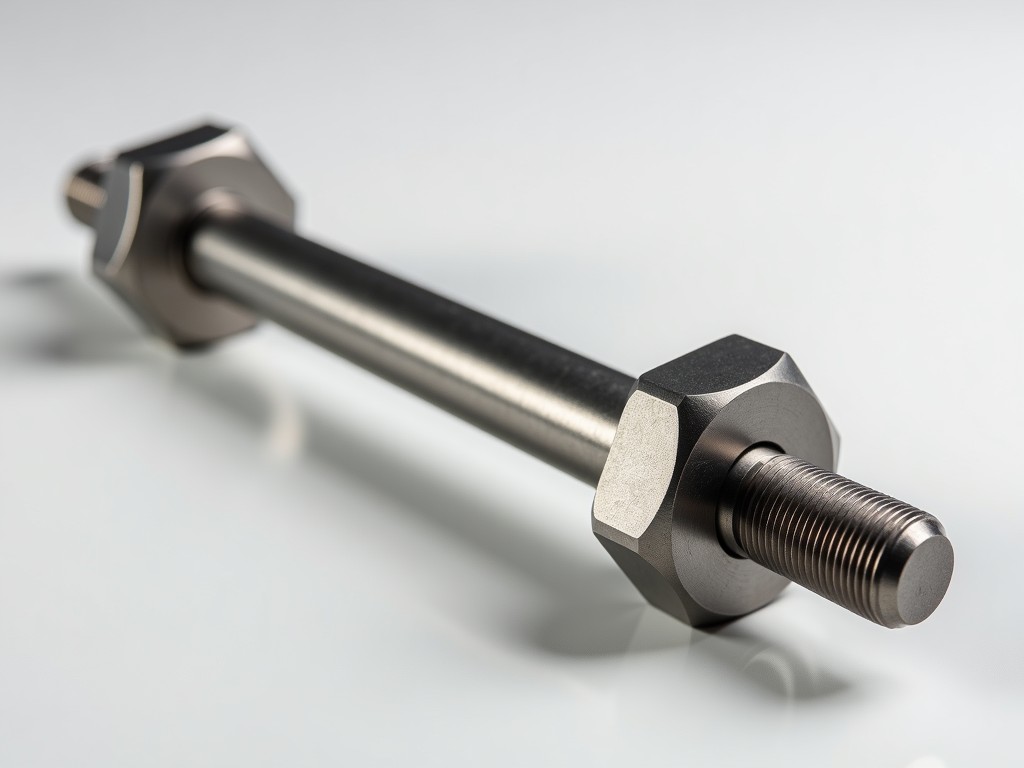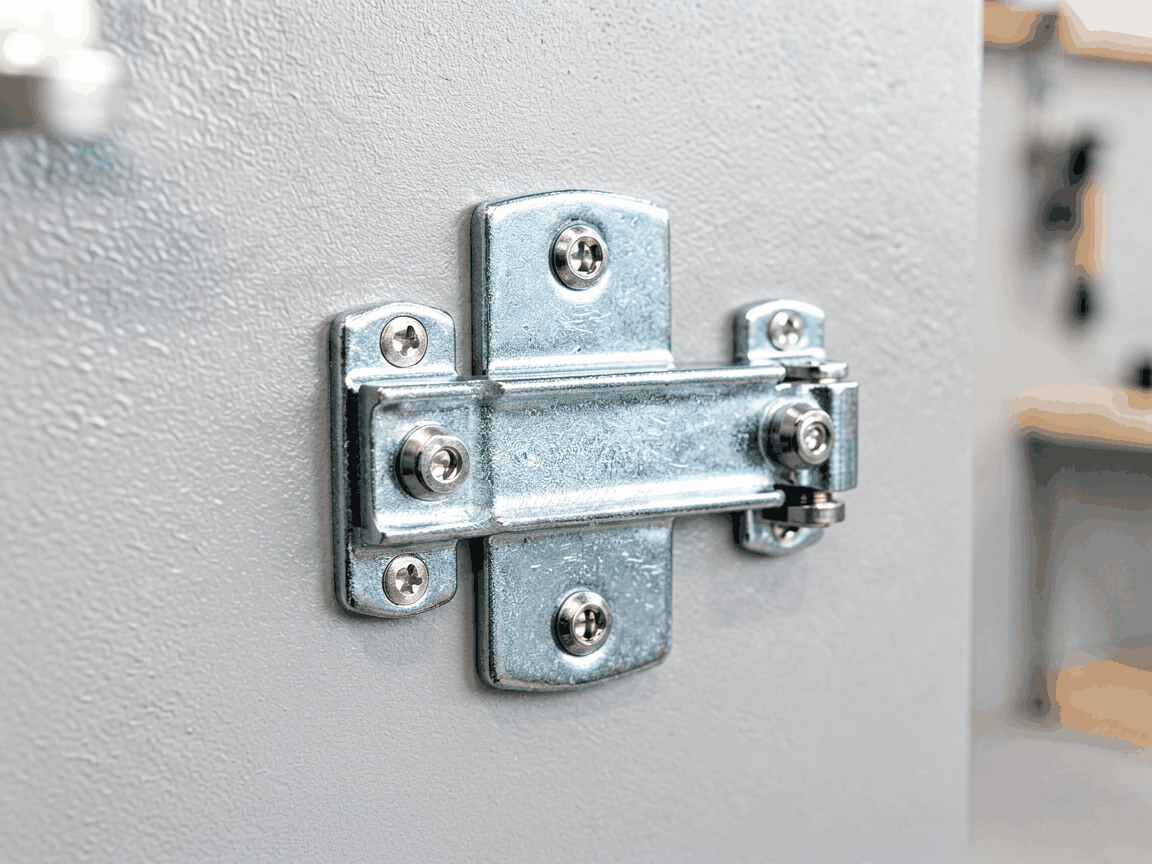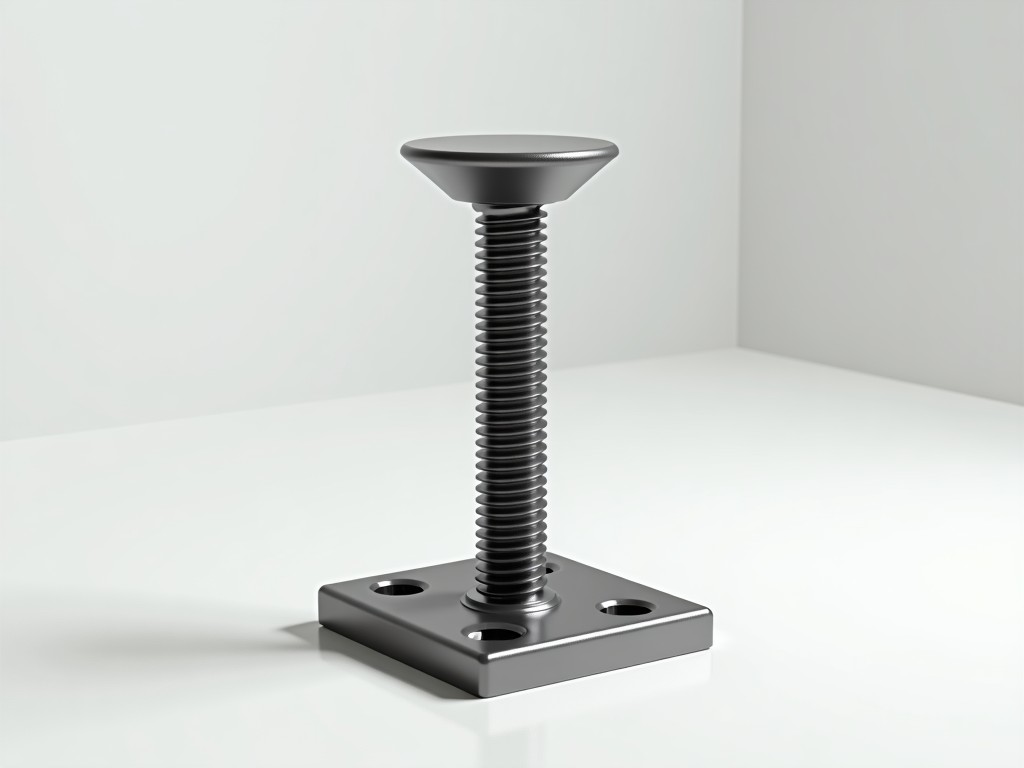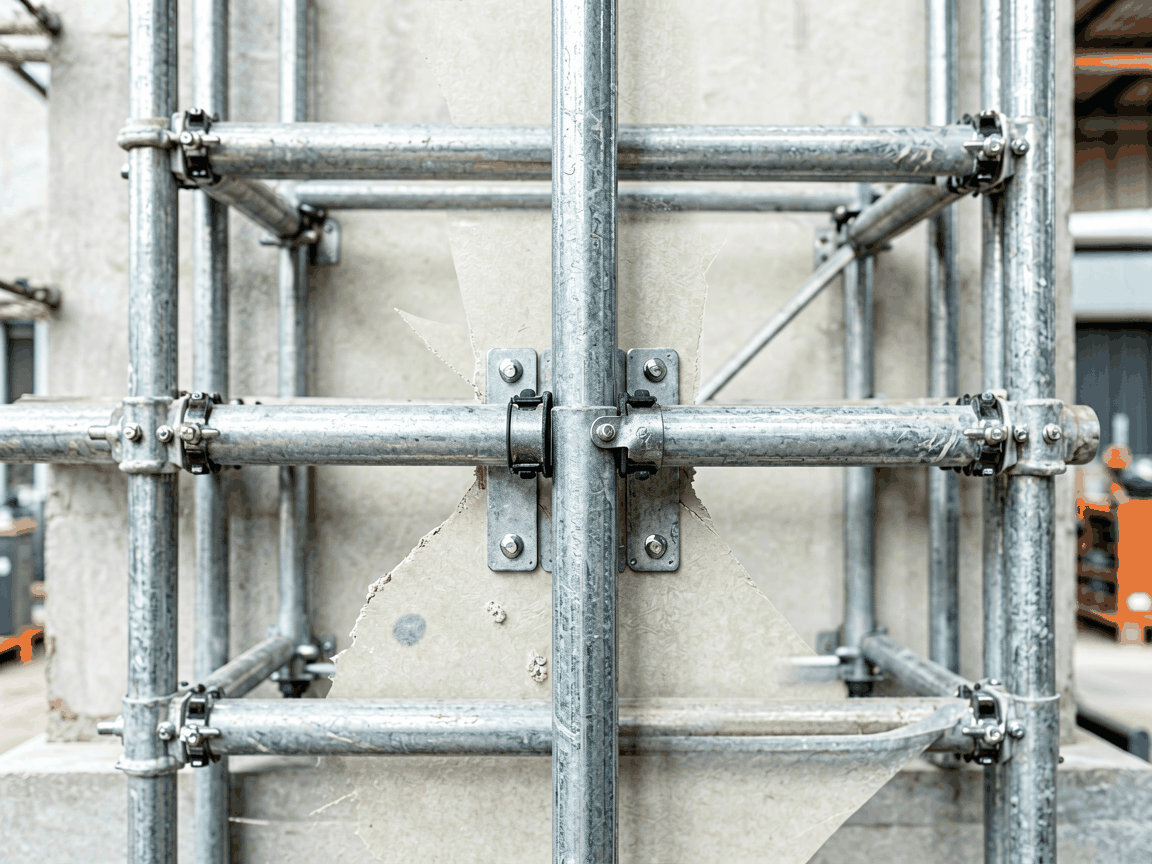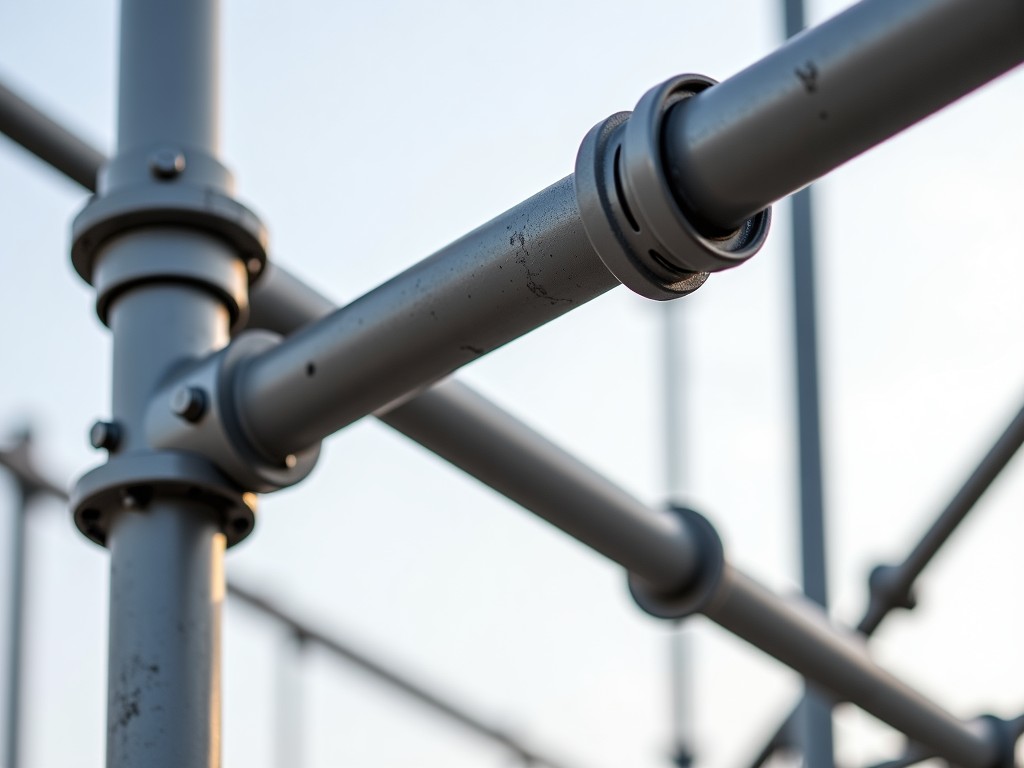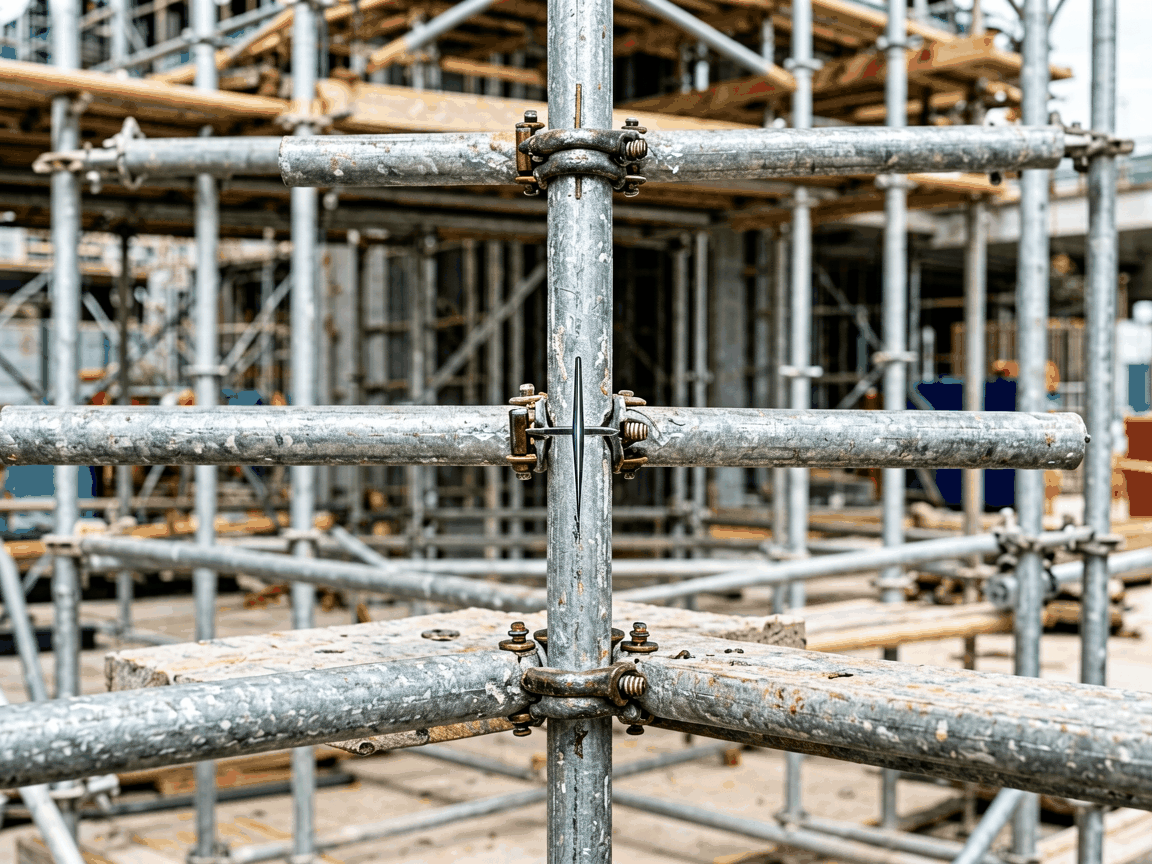
Pin fasteners are critical components in scaffolding systems, providing secure, repeatable connections between tubes, couplers, and structural elements. Unlike bolted or welded joints, pin fasteners enable rapid assembly and disassembly while maintaining load integrity under dynamic site conditions. Their design prioritizes shear resistance, alignment accuracy, and resistance to vibration-induced loosening—key factors in temporary structures subjected to cyclic loading and environmental exposure.
Selecting the appropriate pin fastener requires understanding the mechanical demands of the scaffold configuration, including expected load types (axial, lateral, moment), frequency of assembly cycles, and corrosion exposure. Engineers evaluate pin diameter, material grade, surface treatment, and retention mechanism to ensure compatibility with tube dimensions and coupler specifications. This page outlines the technical considerations that inform selection, helping procurement teams minimize installation errors and long-term maintenance risks.
The primary function of a scaffolding pin fastener is to transfer shear loads between connected members while preventing rotational or axial movement. Effective designs incorporate a precise pin diameter tolerance (typically ±0.1mm) to minimize play in the coupler bore, reducing fretting wear and maintaining joint stiffness over repeated use. Length is engineered to provide sufficient engagement depth—usually 1.5 to 2 times the pin diameter—to resist bending under off-axis loads.
Retention features vary by application: spring-loaded balls, cotter pins, or wire locks prevent accidental disengagement. Spring mechanisms must maintain consistent preload across temperature ranges (-20°C to +60°C) and after hundreds of cycles. Pin ends are often chamfered or radiused to guide insertion and reduce stress concentrations during installation. These details directly influence installation speed, worker safety, and joint longevity.
Material choice balances strength, ductility, and environmental resistance. Carbon steel grades such as C1045 or 4140 are common for high-strength applications, offering tensile strengths of 600–900 MPa after quenching and tempering. For corrosive environments (coastal, industrial, or chemical processing sites), stainless steel grades like AISI 304 or 316 are selected, sacrificing some strength (500–650 MPa) for superior corrosion resistance.
Surface treatments enhance durability without altering core properties. Zinc plating (8–12µm thickness) provides sacrificial protection for carbon steel pins in moderate environments. Hot-dip galvanizing (50–100µm) is preferred for severe exposure, though it may require post-plating machining to maintain pin diameter tolerances. Black oxide or phosphate coatings are used internally where lubricity and mild corrosion resistance are needed, but they are not suitable as standalone exterior finishes.
Pin fasteners are sized to match standard scaffold tube diameters (48.3mm OD is most common) and coupler bore dimensions. Lengths range from 50mm to 150mm, with diameters typically between 12mm and 20mm. The following table provides typical dimensional ranges and associated shear load capacities based on material grade and cross-sectional area. Actual capacity depends on installation quality, load direction, and dynamic factors; these values serve as reference points for initial evaluation.
| Pin Diameter (mm) | Material | Typical Shear Capacity (kN) | Common Applications |
|---|---|---|---|
| 12 | C1045 QT | 65 | Light-duty scaffolding, facade access |
| 16 | C1045 QT | 115 | General-purpose scaffolding, shoring |
| 20 | C1045 QT | 180 | Heavy-duty formwork, suspended scaffolds |
| 16 | AISI 316 SS | 95 | Marine, chemical plant, offshore |
Values are approximate and based on double shear calculation using 60% of material yield strength. Custom diameters, lengths, and materials are available upon request for non-standard scaffold systems or specialized load cases.
Proper installation prevents premature wear and joint failure. Pins should be inserted by hand or with a soft-faced mallet—never driven with excessive force—to avoid deforming the coupler bore or pin end. Engagement depth must be verified visually or via gauge; insufficient penetration reduces shear capacity and increases bending stress. Retention devices (cotter pins, wire locks) must be fully seated and checked before loading.
Inspection protocols focus on detecting wear, deformation, and corrosion. Pins exceeding 5% diameter reduction or showing visible straightness deviation (>0.2mm over 50mm length) should be replaced. Threaded or splined variants require checking for galling or thread damage. Lubrication is generally not recommended for pin interfaces in scaffolding, as it can attract abrasive particulates and compromise retention; dry, clean surfaces are preferred for consistent friction and wear performance.
Standard pin fasteners cover the majority of scaffolding configurations, but project-specific demands may require adjustments. Custom lengths accommodate non-standard tube overlaps or thick-walled couplers. Specialized materials (e.g., duplex stainless steel, alloy steel with specific hardness profiles) address extreme corrosion or fatigue environments. Retention mechanisms can be adapted—such as replacing spring balls with lock washers for high-vibration applications or using tamper-resistant designs for public-access scaffolding.
Procurement teams should provide tube OD, coupler bore diameter, expected load conditions, and environmental exposure when requesting quotes. This enables manufacturers to recommend appropriate material grades, tolerances, and treatments without over-engineering. Lead times for standard pins are typically 2–4 weeks; custom orders may extend to 6–8 weeks depending on material availability and tooling requirements. Sample validation is advised before full-scale deployment.
For technical inquiries, custom specifications, or to request a quotation, contact our engineering team.
Request Information