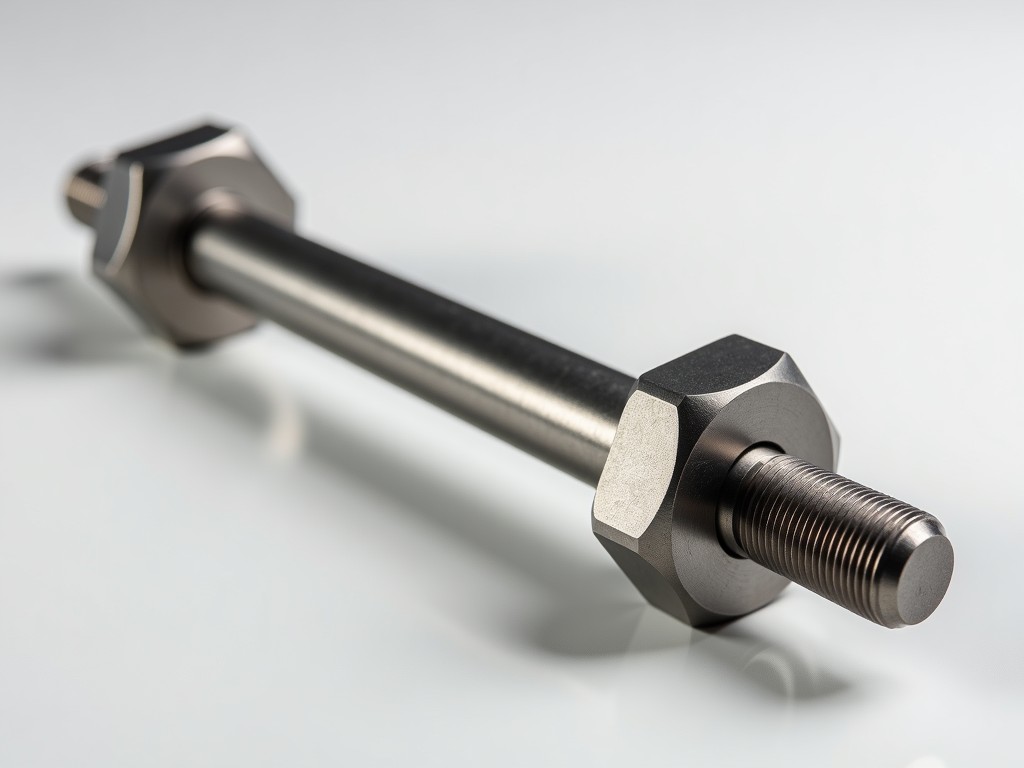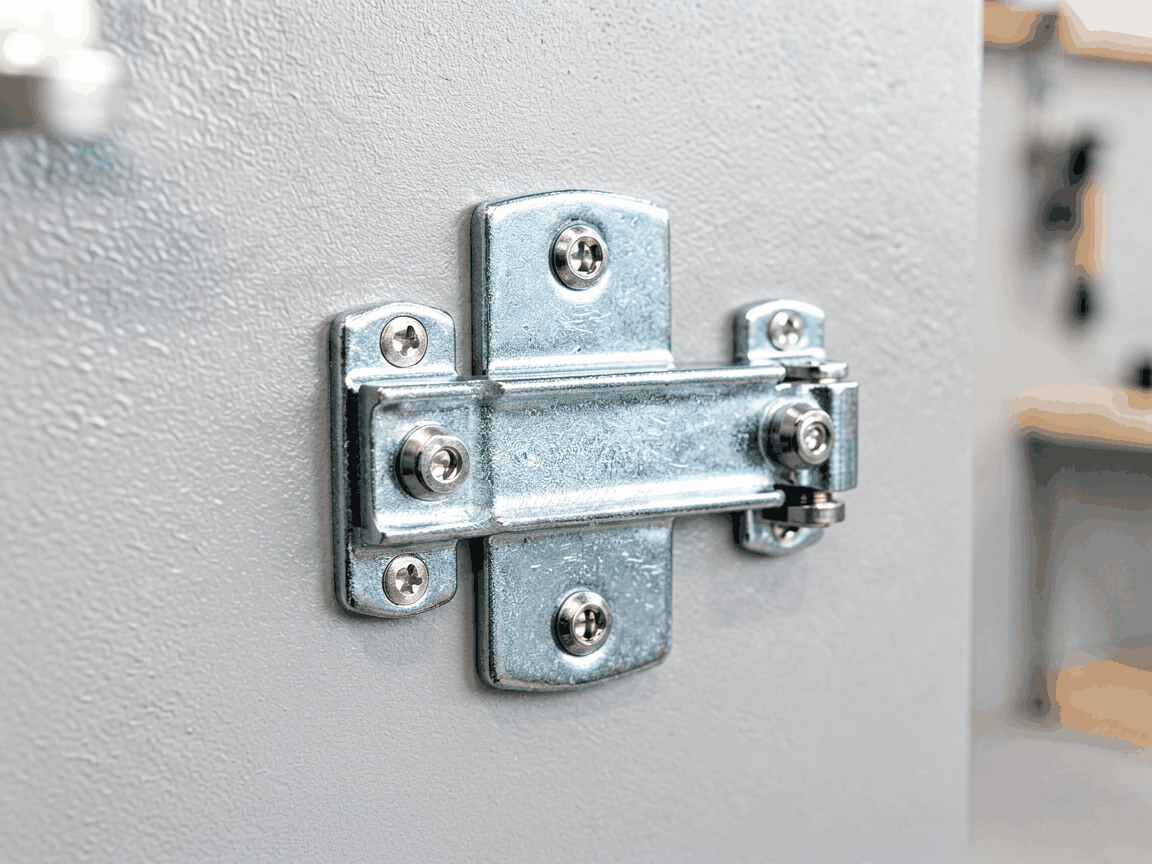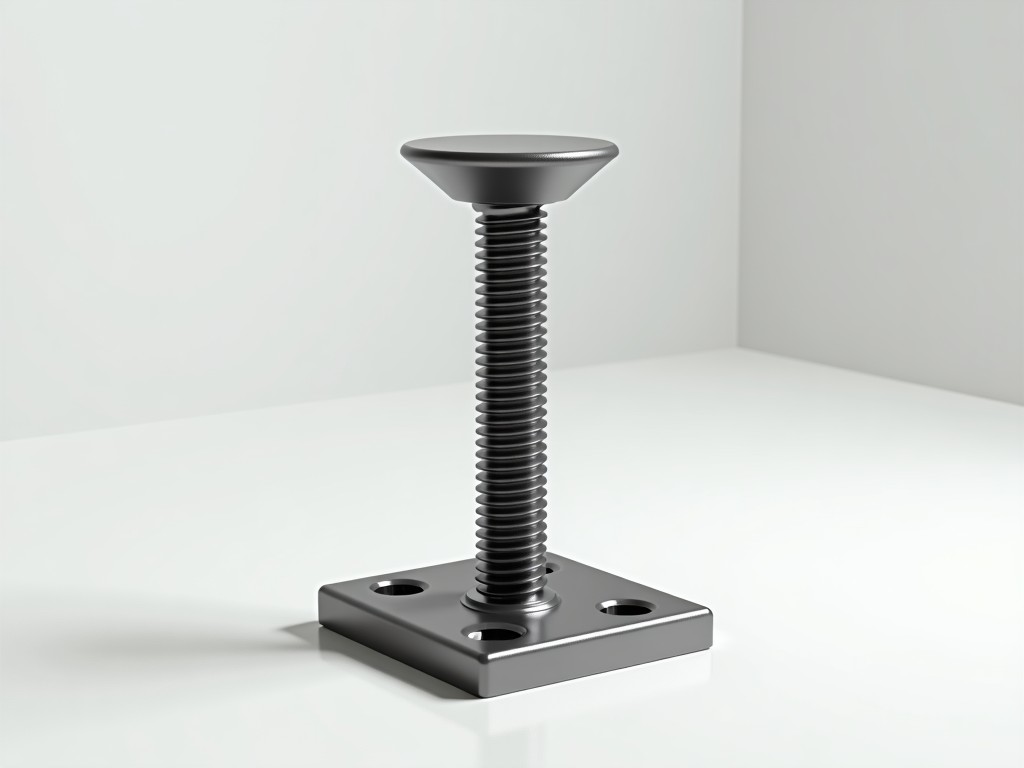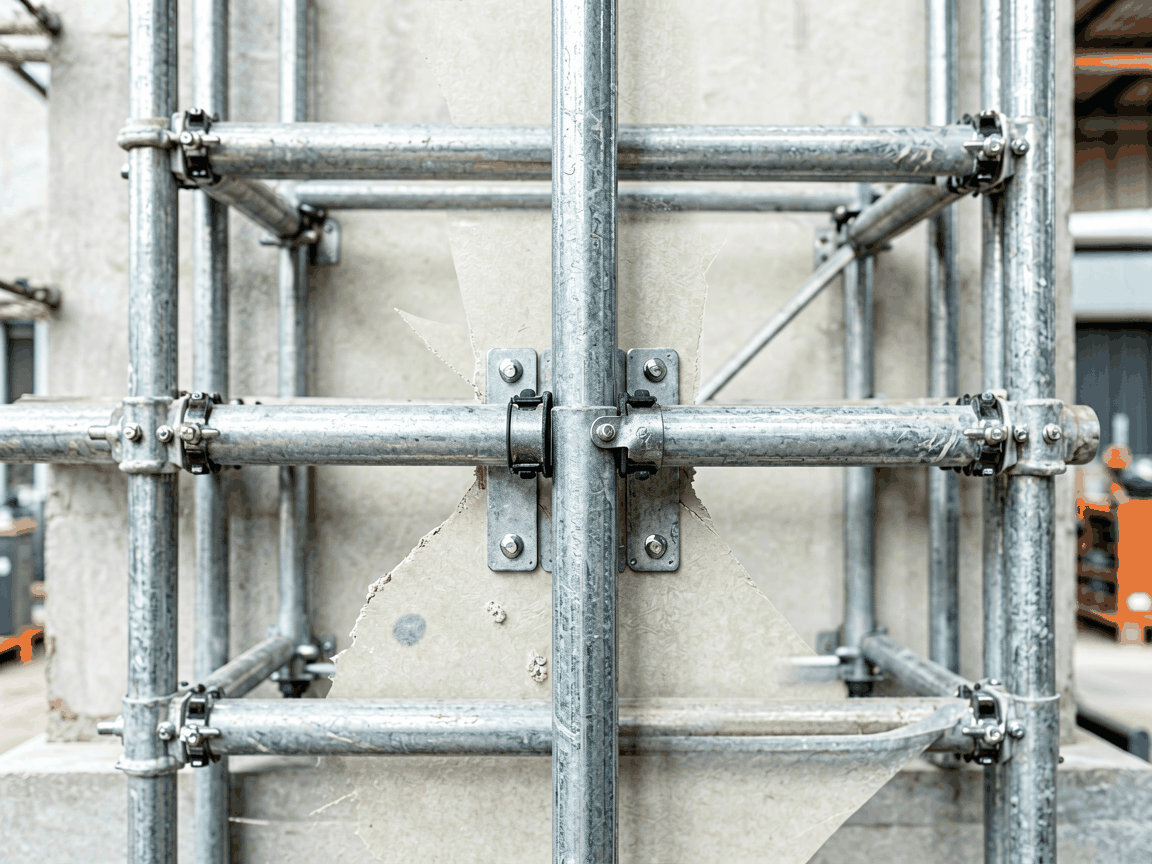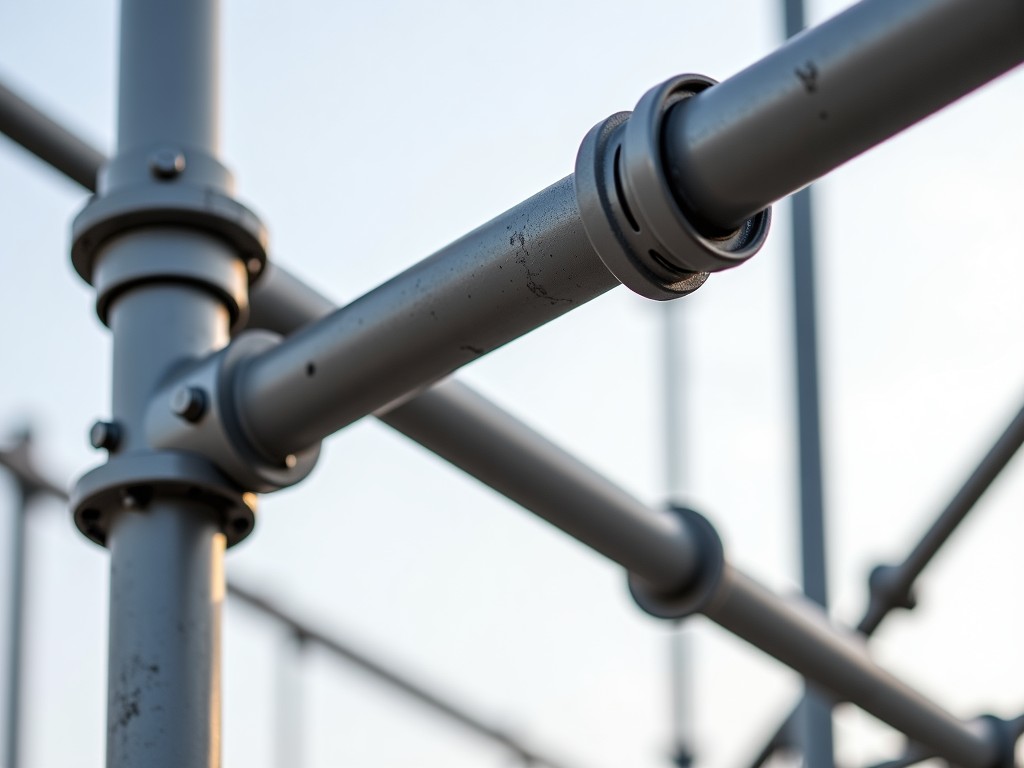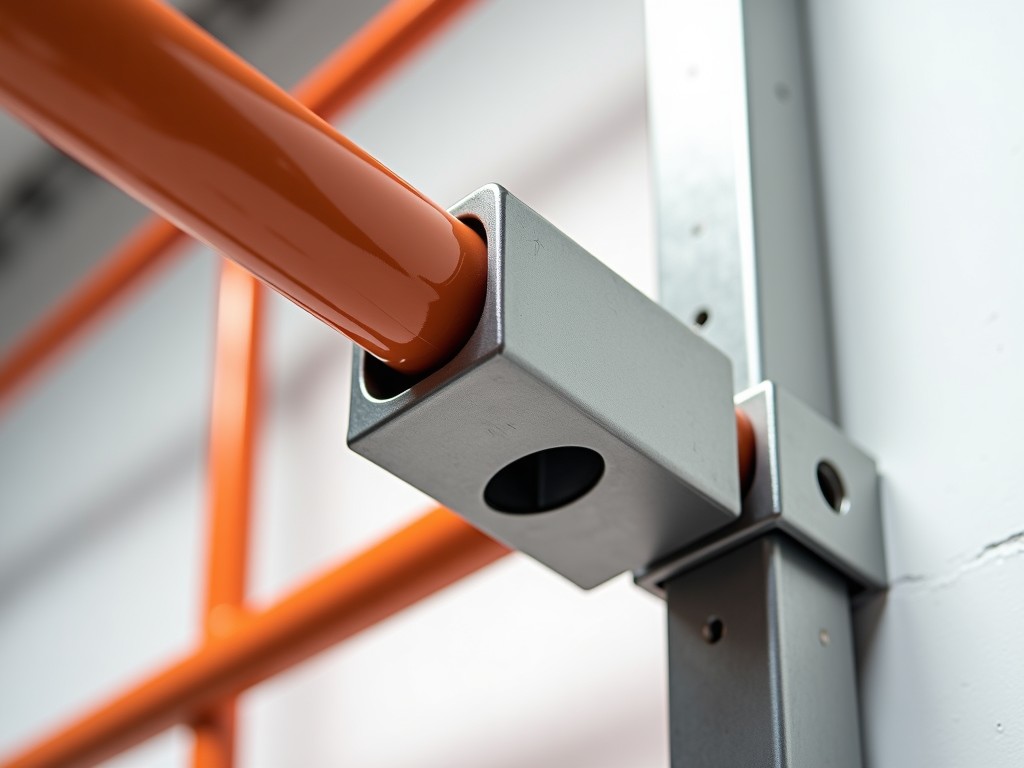
The Peri clamp is a mechanical fastening device engineered to securely connect formwork panels in concrete casting applications. Its primary function is to resist lateral pressure from fresh concrete while allowing rapid assembly and disassembly.
Unlike welded or bolted alternatives, the clamp uses a cam-action locking mechanism that generates high clamping force with minimal manual torque. This design reduces installation time and minimizes operator fatigue during repetitive panel connections.
The clamp body is typically forged from high-tensile steel to withstand cyclic loading without deformation. Critical contact surfaces are hardened to resist wear from repeated engagement with panel rails or profiles.
Clamping force is a defining performance parameter. Standard Peri clamps for formwork panels typically deliver 20–25 kN of holding force when properly engaged, sufficient to counteract hydrostatic pressure in walls up to 3.5 meters high depending on concrete pour rate and slump.
The clamp’s jaw opening accommodates panel thicknesses ranging from 18 mm to 22 mm, common in steel-faced or plywood-faced formwork systems. Adjustment is achieved via a threaded spindle or eccentric cam, allowing compensation for panel tolerance and wear.
Weight per unit averages 1.2–1.8 kg, balancing portability with structural adequacy. The center of gravity is designed close to the panel face to reduce bending moment on the connection point during handling.
The main body is manufactured from quenched and tempered alloy steel, such as 42CrMo4 or equivalent, with a core hardness of 28–34 HRC and surface hardness exceeding 50 HRC at wear points. This combination provides toughness to absorb impact loads and resistance to abrasion from concrete fines and form release agents.
Moving parts, including the cam and spindle, are often made from case-hardened steel to ensure long-term dimensional stability under repeated loading cycles. Corrosion protection is typically achieved through hot-dip galvanizing or a zinc-nickel coating, providing 5–7 years of service life in outdoor storage conditions.
Bushings or wear inserts, where used, are made from polymer composites such as PA66 or POM to eliminate metal-to-metal galling and reduce maintenance needs. These materials retain performance across temperatures from -20°C to +60°C.
Peri clamps are specifically designed for use with panel formwork systems where alignment and joint integrity are critical to surface finish and dimensional accuracy. They are commonly employed in wall and column formwork where panels are stacked vertically or connected horizontally.
The clamp’s quick-release mechanism allows crews to adjust panel alignment before final tightening, reducing the need for shimming or secondary bracing. This is particularly beneficial in high-rise construction where floor-to-floor cycle times are tightly controlled.
In seismic zones or high-load applications, the clamp’s ability to maintain consistent preload over time helps prevent joint loosening due to vibration or thermal cycling. Some designs incorporate a secondary safety catch to prevent accidental release during pouring.
| Feature | Peri Clamp | Bolted Connection | Welded Joint |
|---|---|---|---|
| Installation Time | 15–20 seconds per joint | 45–60 seconds per joint | Permanent; not reusable |
| Reusability | >500 cycles | >200 cycles (with nut replacement) | Not applicable |
| Adjustability | ±3 mm via cam/spindle | Requires hole re-drilling | None |
| Surface Protection | No damage to panel coating | Risk of coating damage during torque | Requires grinding and re-coating |
| Typical Use Case | High-cycle wall and column formwork | Low-frequency or custom geometries | Permanent structures or repairs |
This comparison highlights the Peri clamp’s advantages in speed, reusability, and adaptability for repetitive formwork operations where efficiency and surface quality are paramount.
Each clamp undergoes dimensional inspection of critical features: jaw width, cam angle, spindle thread pitch, and overall height. Tolerances are typically held to ±0.2 mm for mating surfaces and ±0.1 mm for spindle pitch to ensure consistent engagement.
Load testing is performed on a sampling basis, with units subjected to 1.5 times the rated working load for one minute to verify elastic behavior and absence of permanent deformation. Fatigue testing may be conducted for projects requiring extended service life.
Surface coating thickness is measured using magnetic or eddy current gauges, with galvanized coatings verified to meet minimum 55 µm average thickness per ISO 1461. Visual inspection checks for cracks, burrs, or incorrect assembly of moving parts.
While standard Peri clamps suit most panel systems, variations exist to accommodate specific panel profiles or project requirements. Jaw width can be modified to match non-standard panel thicknesses, typically in 2 mm increments.
Spindle length may be adjusted to change the clamping range, useful when connecting panels with protruding inserts or embedded fixtures. Alternative cam profiles are available to increase mechanical advantage for higher concrete pressures.
Coating options include hot-dip galvanizing, zinc-nickel plating, or powder coating for specialized environments such as marine exposure or chemical resistance. Custom branding or laser marking is available for inventory tracking.
Clamps should be stored in a dry, covered environment to prevent corrosion accumulation. While coatings provide protection, prolonged standing water or contact with acidic substances (e.g., certain concrete additives) can degrade performance over time.
Lubrication of the spindle and cam interface is recommended every 50–100 cycles using a dry-film lubricant or light grease to maintain consistent operating torque. Inspect for wear on jaw surfaces and replace if deformation exceeds 10% of original thickness.
Before each use, verify that the cam moves freely and locks positively. Any binding, excessive play, or failure to hold under manual test indicates the unit should be withdrawn from service for inspection.
Standard Peri clamps are typically available from stock in common configurations. Lead time for stock items is usually 3–5 business days for domestic shipment. Custom modifications, such as altered jaw dimensions or special coatings, generally require 2–4 weeks depending on complexity and current production load.
Minimum order quantities for standard items are often one piece for replacement purposes, while custom runs may require a minimum of 50–100 units to justify setup costs. Packaging is typically in cartons of 25 or 50 units, with weight per carton ranging from 30–45 kg.
For export shipments, clamps are packed with corrosion inhibitors and desiccants, then placed in sealed polybags inside cartons to prevent moisture ingress during transit. Palletized shipments include edge protection and stretch wrapping.
To request a quotation or technical drawing, provide the panel thickness, formwork system model, and expected concrete pressure or pour height. This information enables accurate selection of clamp type, load rating, and any necessary adaptations.
Our engineering team can assist with layout planning, including clamp spacing recommendations based on panel size and load distribution. For large projects, we offer on-site training for proper installation and inspection procedures.
Contact us via the inquiry form to begin the consultation process. All technical data provided is based on verified manufacturing standards and material specifications.