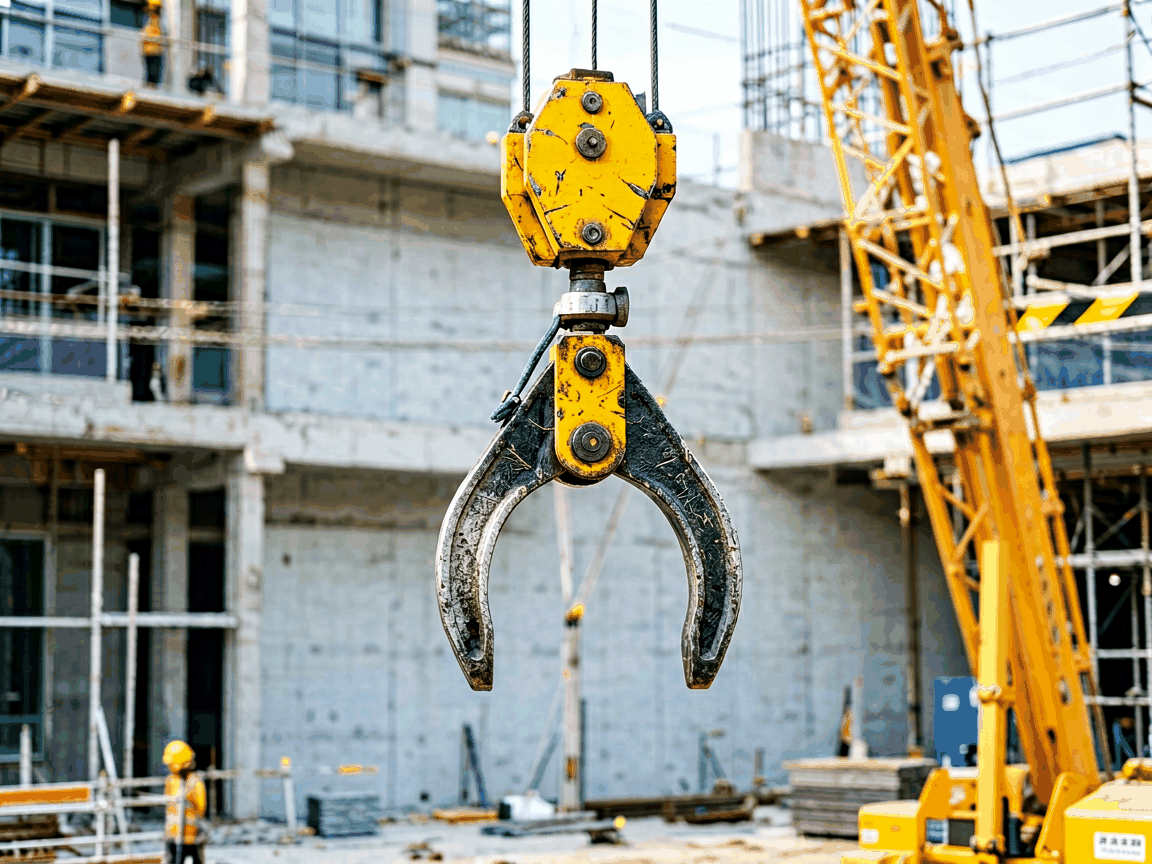
Panel lifting clamps are mechanical devices designed to securely grip and transport precast concrete panels, glass, metal sheets, or composite panels during installation on construction sites. These clamps attach to lifting equipment such as cranes or hoists and rely on friction, mechanical wedging, or cam-action mechanisms to hold the load without damaging the panel surface. Proper selection depends on panel thickness, material, surface condition, weight, and the required lifting orientation—whether vertical, horizontal, or at an angle.
The effectiveness of a panel lifting clamp begins with its gripping mechanism. Cam-action clamps use a pivoting jaw that tightens under load, increasing grip force as the panel weight increases—ideal for smooth or slightly textured surfaces. Wedge-style clamps rely on a tapered insert that jams tighter under tension, suitable for panels with consistent edges or pre-formed lifting lugs. Some models incorporate adjustable spindles or screw mechanisms to accommodate variable panel thicknesses without changing the clamp body.
Load capacity is not merely a rating but a function of several variables: the clamp’s mechanical advantage, the friction coefficient between jaw and panel, and the angle of lift. A clamp rated for 2,000 kg vertical lift may lose significant capacity if used at a 45-degree angle due to induced tensile and shear forces. Manufacturers typically derate capacities based on lift angle, and users must consult load charts specific to the clamp model and panel material. Surface condition—such as moisture, oil, or release agents—can reduce friction and must be evaluated before each lift.
The main body of a panel lifting clamp is typically forged from alloy steel such as 4140 or 4340, chosen for its high tensile strength, toughness, and resistance to fatigue under cyclic loading. These materials are often quenched and tempered to achieve a hardness range of 38–42 HRC, balancing wear resistance with impact toughness. Jaws or contact points may be case-hardened or coated with wear-resistant materials like stellite or tungsten carbide in high-abrasion applications, such as lifting sandblasted or textured concrete panels.
Corrosion resistance is addressed through protective coatings—commonly zinc plating, phosphate treatment, or epoxy-based paints—especially for clamps used in humid or coastal environments. Stainless steel variants (e.g., 304 or 316 grade) are available for projects requiring minimal contamination, such as architectural glass or food-grade panel handling, though they come at a higher cost and lower strength compared to alloy steel. Regular inspection for cracks, deformation, or wear at stress points is essential, particularly after impact loads or overuse.
Panel lifting clamps are most commonly used in the installation of precast concrete wall panels, where they allow precise positioning without the need for embedded lifting loops or brackets that must be grouted or patched afterward. This reduces labor, minimizes surface repair, and enables faster enclosure of the building envelope. In facade construction, clamps are used to lift large-format glass or aluminum composite panels, where surface protection is critical—here, jaws often feature polymer or rubber inserts to prevent marring.
They are also employed in the handling of insulated sandwich panels used in cold storage or cleanroom facilities, where maintaining panel integrity and joint alignment is vital for thermal and hygroscopic performance. In bridge construction, specialized clamps lift precast concrete girders or segmental box sections, often requiring custom spreader beams and multiple clamp points to manage long, flexible loads. The choice of clamp type directly affects installation speed, safety, and the quality of the finished assembly.
| Panel Type | Clamp Mechanism | Typical Capacity Range | Surface Protection Needs |
|---|---|---|---|
| Smooth precast concrete | Cam-action | 1,000–5,000 kg | Low (steel-on-concrete acceptable) |
| Textured or bush-hammered concrete | Wedge or adjustable spindle | 1,500–4,000 kg | Medium (wear-resistant jaws) | Architectural glass or ACM | Cam-action with polymer inserts | 500–2,000 kg | High (non-marking contact) |
| Insulated sandwich panel | Adjustable jaw with spreader | 800–3,000 kg | Medium (prevent core damage) |
| Precast concrete girder | Multiple-point wedge system | 5,000–20,000 kg | Low to medium (end-only contact) |
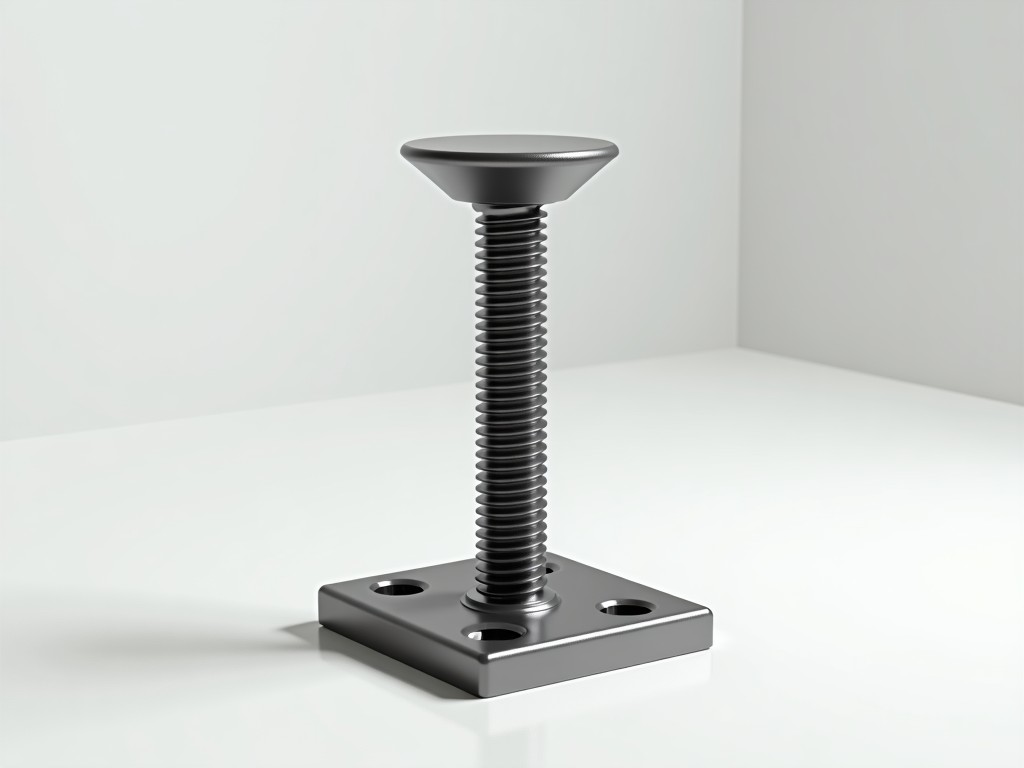
Standard panel lifting clamps are available in fixed sizes for common panel thicknesses, but many projects require tailored solutions. Adjustable models feature threaded spindles or sliding jaws that can be set to accommodate a range of thicknesses—typically from 50 mm to 300 mm—without changing the clamp body. This is particularly useful on sites handling multiple panel types, reducing the need for multiple clamp inventories. Some designs allow jaw width adjustment to match panel width, improving load distribution and reducing edge stress.
Lifting bails or shackles can be configured for different crane hook sizes or to accommodate limited headroom. For tandem lifting, clamps may be supplied with linking bars or spreader beams to maintain panel orientation and prevent twisting. In high-volume production environments, quick-release mechanisms or automatic locking versions reduce cycle time. Custom jaw profiles can be manufactured to match non-standard panel edges, such as tapered, curved, or rabbeted profiles, ensuring full contact and minimizing point loading.
Before each use, the clamp should be visually inspected for cracks, deformation, excessive wear on jaws or pins, and proper function of the locking mechanism. Any signs of galling, pitting, or corrosion on load-bearing surfaces warrant removal from service. Moving parts—such as pivot pins, screws, or sliding components—should be lubricated with high-pressure grease suitable for the environment, avoiding contaminants that could transfer to the panel surface. Load-testing certificates should be verified periodically, especially after any impact load or modification.
Operators must be trained to understand the clamp’s rated capacity, correct attachment points, and the importance of avoiding side-loading or shock loads. Sudden stops or swings can induce dynamic forces far exceeding the static panel weight. Tag lines should be used to control panel movement during lifting, particularly in windy conditions. Documentation of inspections, maintenance, and load tests should be maintained as part of the site’s safety protocol, often required by occupational health and safety regulations or project-specific lift plans.
Need a panel lifting clamp suited to your specific panel type and site conditions?
Contact our technical team to discuss load requirements, panel dimensions, material, and lifting angles. We provide detailed load charts, material certifications, and configuration support to ensure safe, efficient panel handling on your project.