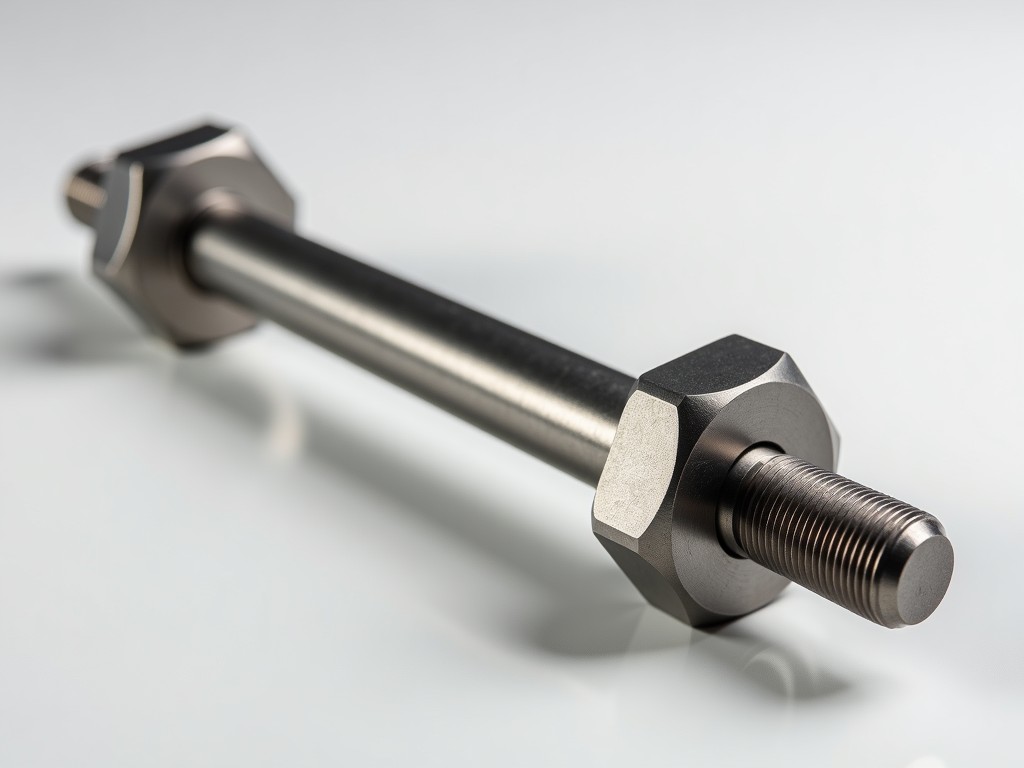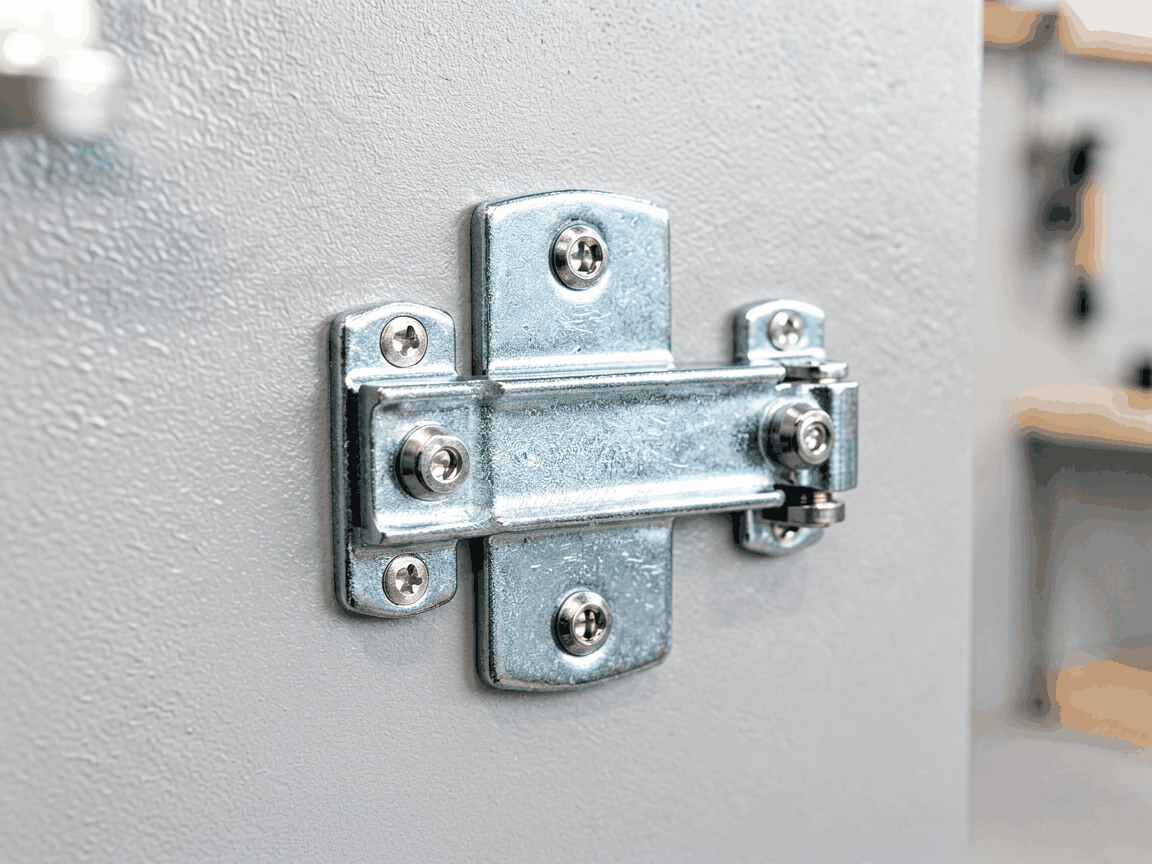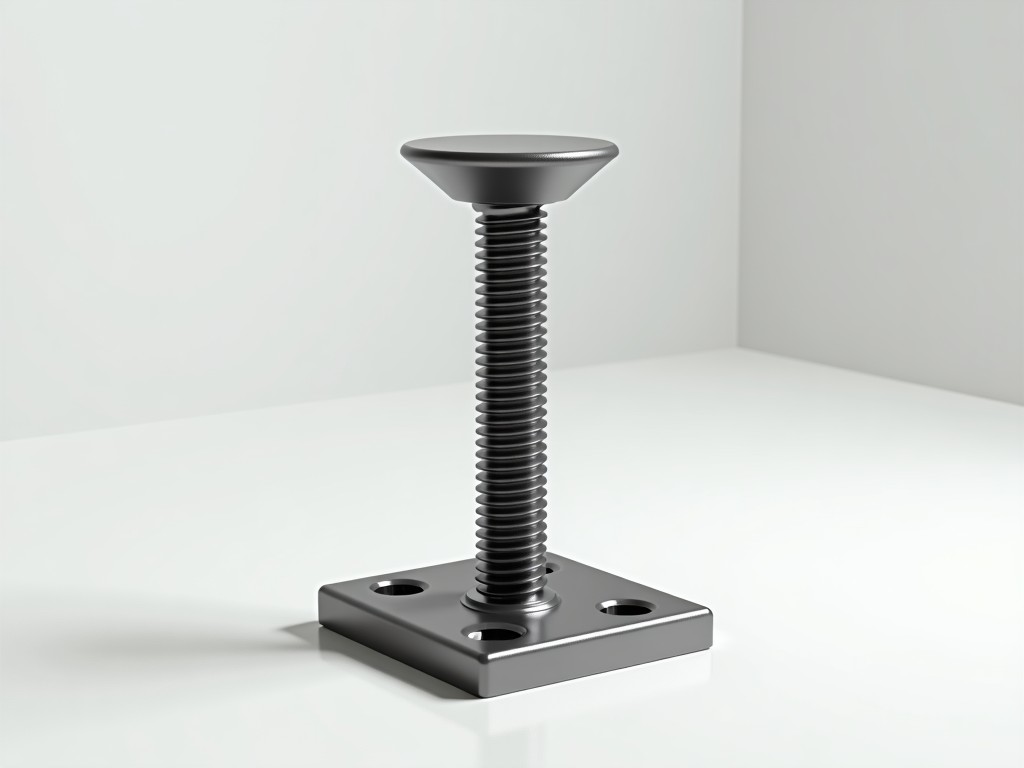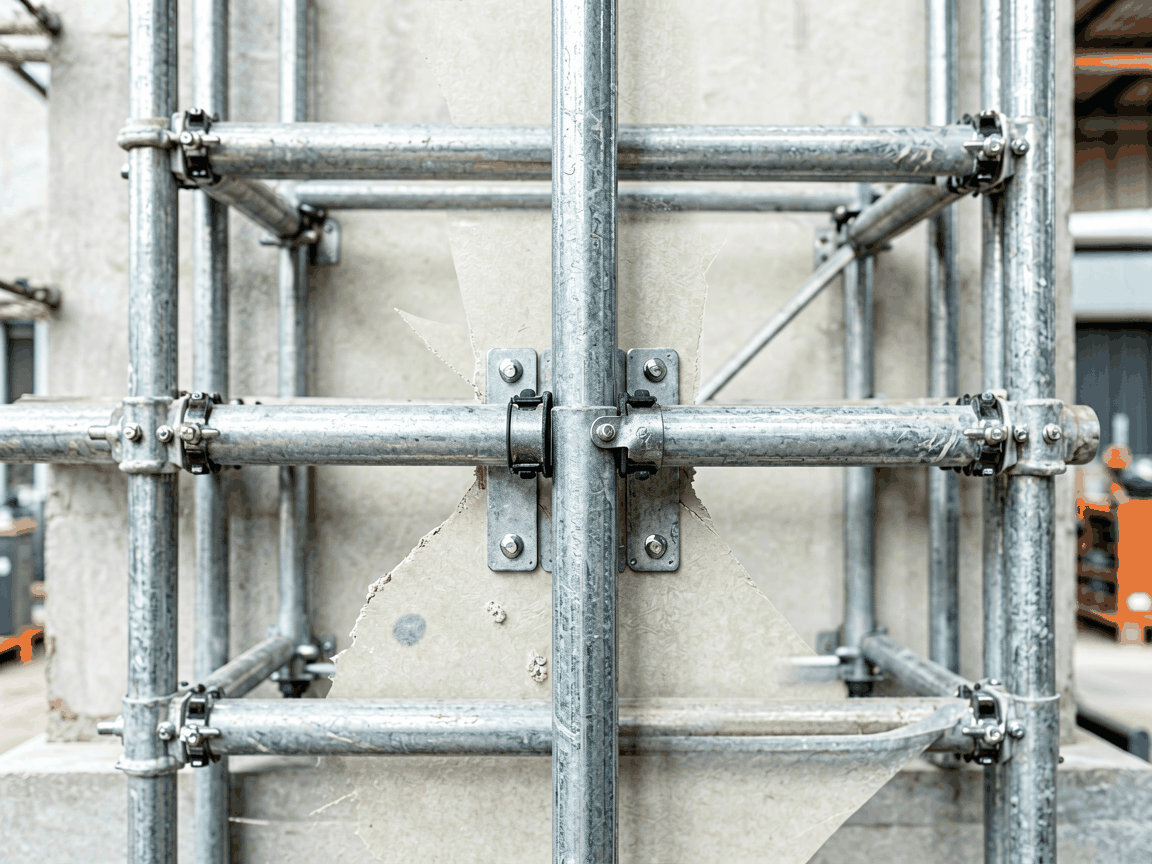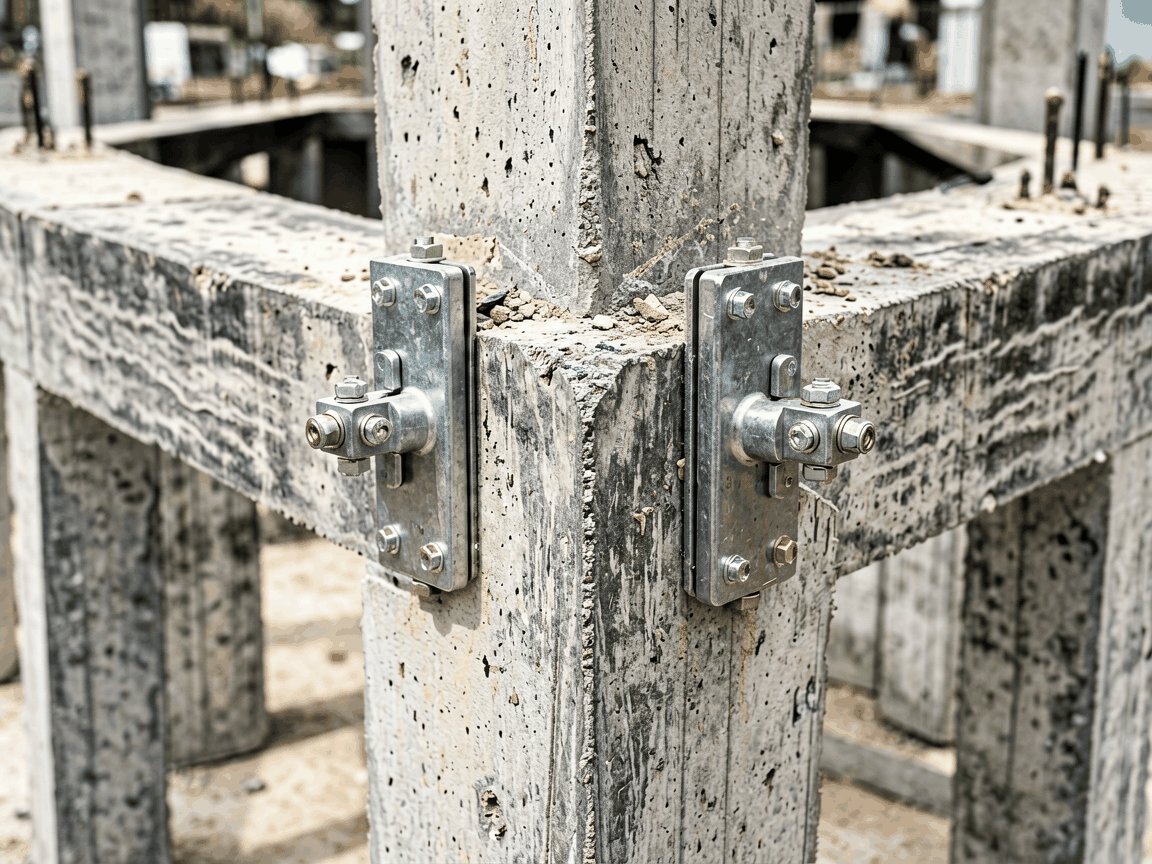
Panel clamps for concrete formwork are mechanical fastening devices designed to securely join and align formwork panels during concrete pouring operations. Their primary function is to resist lateral pressure from fresh concrete while maintaining dimensional accuracy of the formwork system. Unlike bolted connections or welding, panel clamps allow for rapid assembly and disassembly, supporting efficient reuse across multiple pour cycles. These devices are engineered to transfer shear and tensile loads between adjacent panels without damaging the formwork facing or inducing stress concentrations. Selection depends on panel thickness, formwork material (steel, aluminum, plywood), expected concrete pressure, and frequency of reuse.
The load-bearing capacity of a panel clamp is determined by its mechanical design, material strength, and contact geometry with the formwork panel. Most clamps are rated for safe working loads between 15 kN and 40 kN per clamp, depending on size and configuration. This capacity must exceed the anticipated lateral pressure from concrete, which varies with pour height, slump, and vibration intensity. For example, a 3-meter-high wall pour with standard slump concrete generates approximately 30 kN/m² of pressure, requiring clamp spacing and capacity calculations to ensure safety. Clamps are typically tested to failure at 1.5 to 2 times their rated load to verify margin against dynamic effects and impact loading during placement.
Stiffness is equally important as strength; excessive deformation under load can lead to panel misalignment, resulting in uneven concrete surfaces or grout leakage. High-performance clamps incorporate features such as hardened steel pins, precision-machined jaws, and pre-tension mechanisms to minimize deflection. Some designs use eccentric cam mechanisms or wedge actions to generate clamping force through mechanical advantage, reducing reliance on bolt torque alone. The contact area between clamp and panel is often increased via serrated or knurled surfaces to prevent slippage under cyclic loading.
Panel clamps are predominantly manufactured from forged or cast carbon steel due to its high tensile strength, wear resistance, and cost-effectiveness in high-cycle applications. Common materials include C45 steel for forged components and GG25 cast iron for housings where complex geometries are required. Surface treatments such as hot-dip galvanizing or zinc plating are applied to resist corrosion from concrete alkalis and moisture exposure during storage and use. In environments with prolonged exposure to deicing salts or marine conditions, stainless steel variants (e.g., AISI 304 or 316) may be specified despite higher cost.
Wear points—such as pivot pins, clamping jaws, and adjustment threads—are subject to abrasion from concrete particles and repeated assembly cycles. Hardening treatments like induction hardening or carburizing are frequently applied to these zones to extend service life. The expected lifespan of a well-maintained panel clamp ranges from 50 to 200 pour cycles, depending on material, usage conditions, and maintenance practices. Regular inspection for cracks, deformation, or thread wear is recommended to prevent sudden failure during pouring.
Panel clamps are available in several configurations tailored to different formwork systems and joint types. The most common variants include:
The choice of clamp type depends on the formwork geometry, access constraints, and desired cycle time. For instance, side clamps are sufficient for straight wall sections with uniform panel thickness, while corner clamps are essential at intersections where panels meet at angles. Adjustable variants are particularly useful when working with rental formwork inventories that may include panels from different manufacturers or with tolerances that accumulate over reuse. Quick-release mechanisms reduce labor time per clamp by up to 60% compared to bolted alternatives, although they may carry a slight premium in initial cost.
| Clamp Type | Typical Load Capacity (kN) | Adjustability | Installation Speed | Best Suited For |
|---|---|---|---|---|
| Side Clamp | 20–35 | Low (fixed jaw) | Medium | Straight wall panels, uniform thickness |
| Corner Clamp | 15–30 | Medium (adjustable angle) | Medium | Wall corners, T-junctions, column forms |
| Adjustable Clamp | 18–32 | High (sliding jaw) | Low–Medium | Mixed panel thicknesses, rental inventories |
| Quick-Release Clamp | 20–40 | Low–Medium | High (lever actuated) | High-cycle projects, gang form systems |
Proper installation is critical to ensure panel clamps perform as designed. Clamps should be positioned at intervals recommended by the formwork manufacturer, typically every 600 to 900 mm vertically for wall forms, with closer spacing near the base where concrete pressure is highest. Each clamp must be fully engaged with the panel flange or rib, and any adjustment mechanisms should be secured to prevent loosening during vibration. Torque values for bolted clamps, if applicable, should be applied using a calibrated wrench to avoid over-tightening, which can strip threads or deform thin-gauge panels.
Quality control begins with visual inspection before each use: checking for cracks, bent components, excessive wear on jaws or pins, and corrosion that could compromise strength. Functional tests include verifying smooth operation of adjustment mechanisms and confirming full contact when clamped. Many manufacturers maintain clamp logs to track usage cycles and schedule maintenance or replacement based on pour count rather than time alone. Damaged clamps should be removed from service immediately, as even minor deformation can reduce load capacity unpredictably.
While standard panel clamps cover the majority of formwork applications, certain projects require tailored solutions due to unique panel geometries, extreme load conditions, or integration with specialized formwork systems. Customization options include:
Custom clamps are typically developed through collaboration between the formwork contractor, engineer, and manufacturer. The process begins with submission of panel drawings, concrete pressure calculations, and cycle requirements. Prototypes may be tested under simulated load conditions before full production. Lead times for custom clamps range from 3 to 6 weeks, depending on complexity and material availability. While unit cost is higher than standard models, the investment is justified when it prevents formwork failure, reduces labor for workarounds, or enables reuse of otherwise incompatible panel stocks.
To discuss your specific formwork requirements, including panel dimensions, expected concrete pressure, reuse targets, or environmental conditions, please provide your project details. Our technical team will review your needs and recommend appropriate clamp types, quantities, and any necessary customizations. We can supply detailed drawings, load test data, and material certifications upon request.
Request Quotation or Technical Support