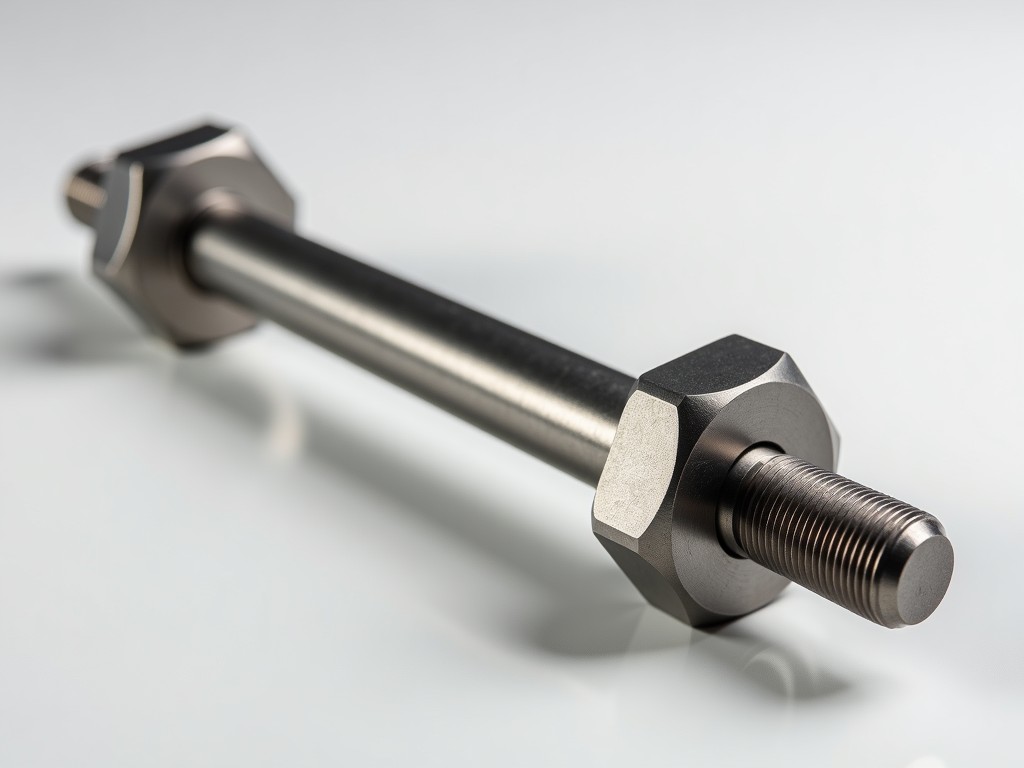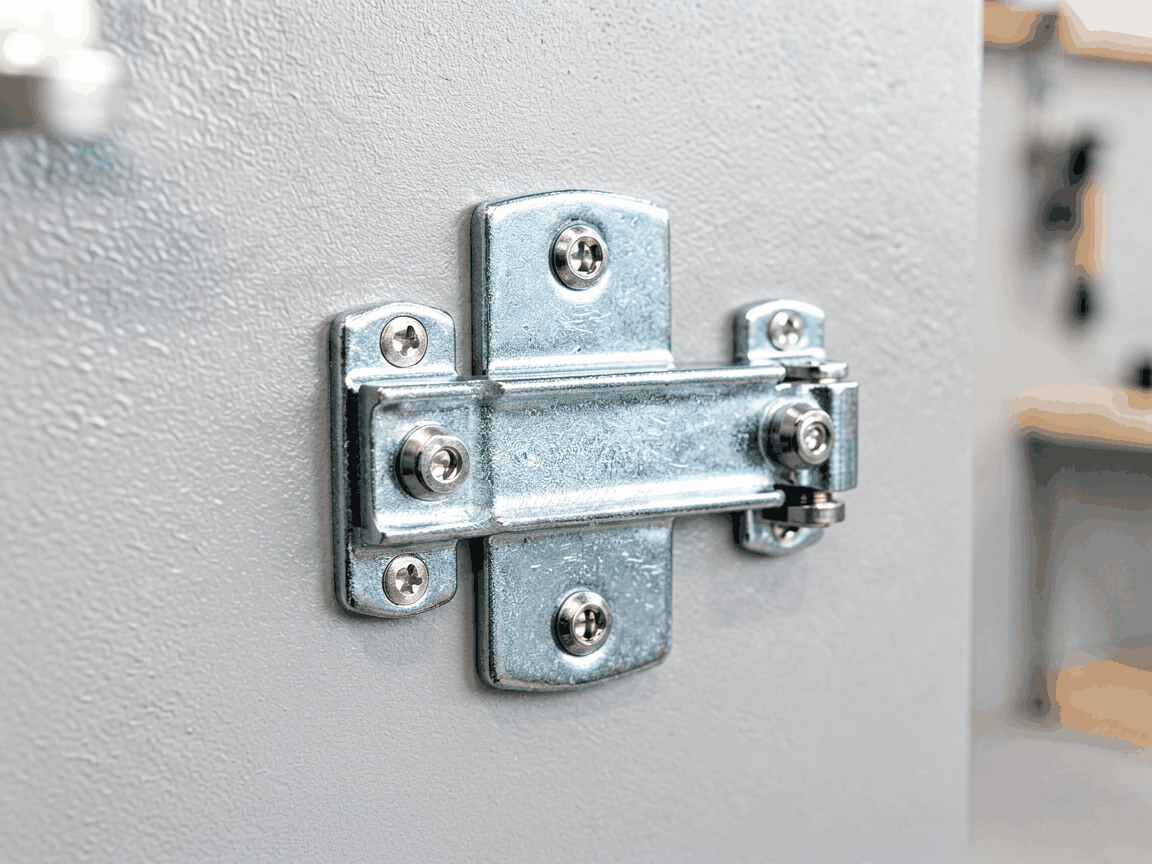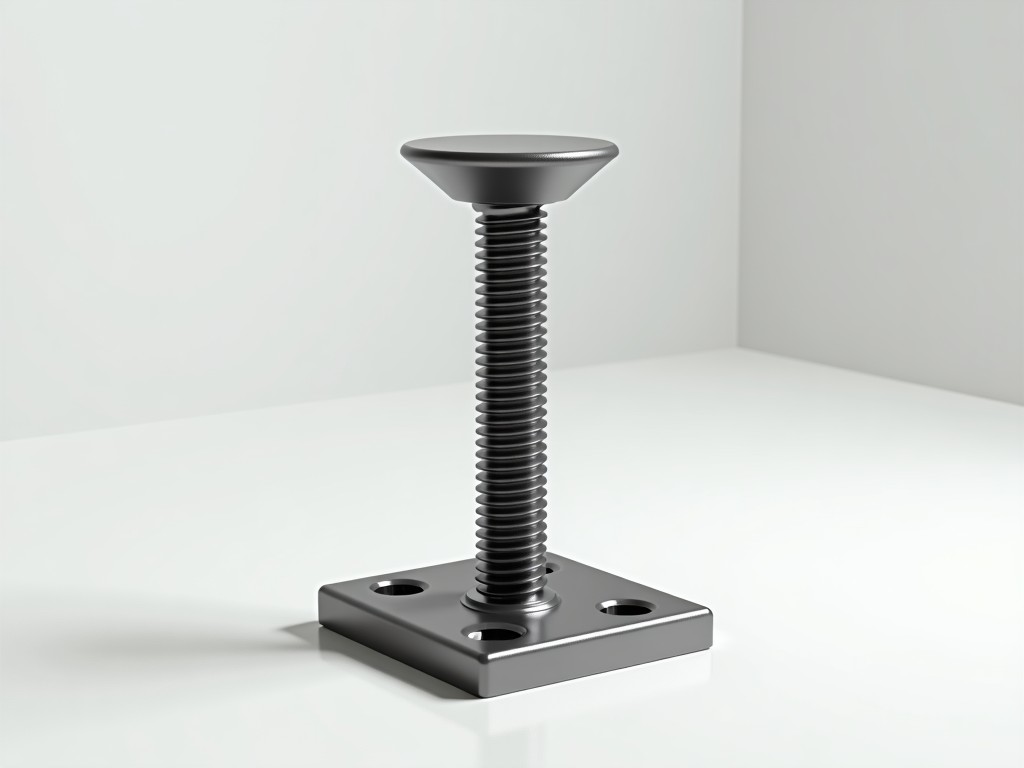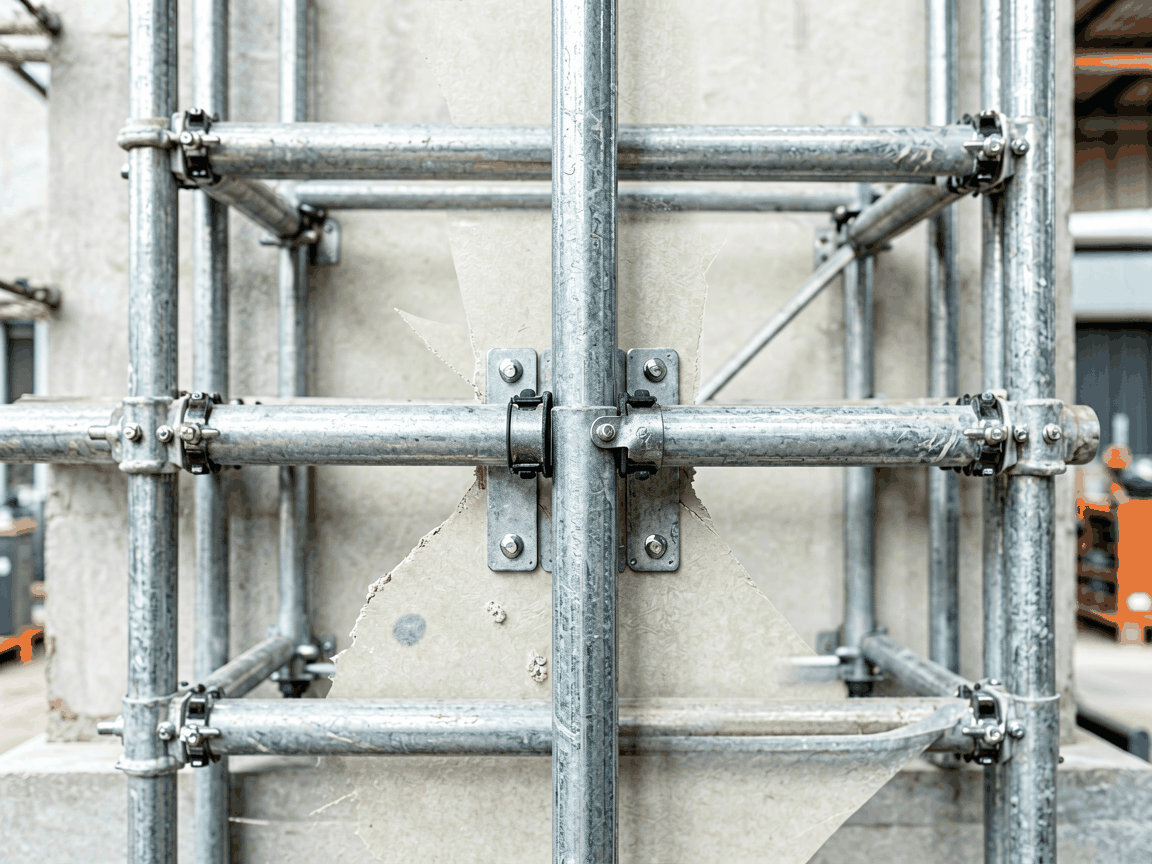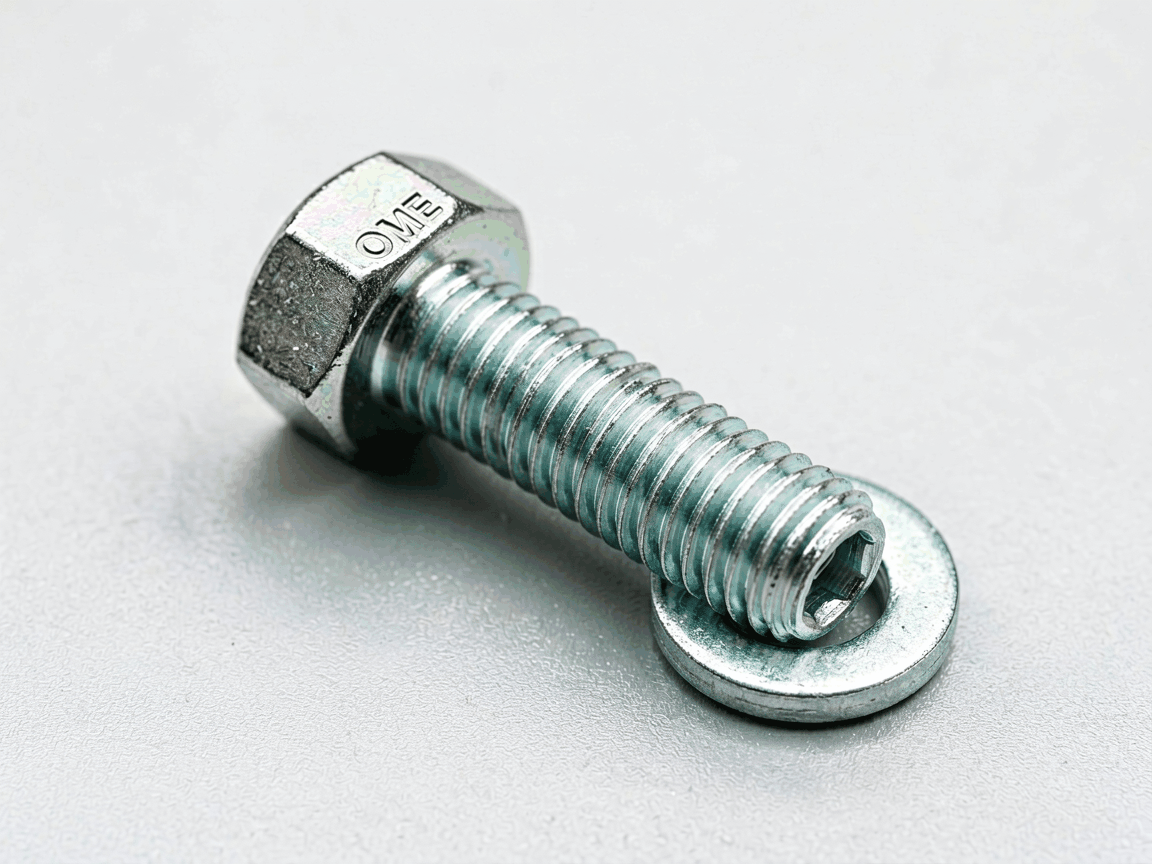
An OEM U bolt with nut and washer is a fastening assembly designed to secure cylindrical objects—such as pipes, conduits, or tubing—to flat mounting surfaces or structural members. The U-shaped bolt encircles the object, while the threaded ends pass through pre-drilled holes in the mounting bracket or plate. Nuts are threaded onto the ends to clamp the assembly securely, and washers distribute the load to prevent damage to the mating surfaces. This configuration provides a reliable, reversible joint suitable for applications requiring periodic disassembly or adjustment.
The performance of a U bolt assembly depends on the material chosen for the bolt, nut, and washer. Carbon steel (such as ASTM A307 Grade A or SAE J429 Grade 2) offers adequate tensile strength for general industrial use, with typical yield strength ranging from 250 to 400 MPa depending on grade and heat treatment. For environments requiring corrosion resistance, stainless steel grades like 304 or 316 are commonly selected; 304 provides resistance to atmospheric oxidation and mild chemicals, while 316 adds molybdenum for enhanced resistance to chlorides and marine exposure. Washers are typically made from the same material as the bolt to ensure galvanic compatibility, though nylon or PTFE washers may be used in specific applications to prevent surface scoring or provide electrical isolation.
Thread dimensions follow standardized series such as UNC (Unified National Coarse) or metric ISO threads, ensuring compatibility with nuts and tapped holes. The bolt’s nominal diameter directly influences its shear and tensile capacity; for example, a 1/2-inch UNC bolt has a tensile stress area of approximately 142 mm², translating to a proof load of around 15 kN for Grade 2 steel. Engineers select bolt size based on the applied load, safety factor, and clamping force required to prevent movement or vibration-induced loosening.
The U bolt’s bend radius and leg length are critical design parameters. The inner radius must accommodate the outer diameter of the secured object without causing deformation or stress concentration. Leg length determines the maximum thickness of the mounting bracket that can be accommodated while allowing sufficient thread engagement for the nut—typically a minimum of 1.5 times the bolt diameter is recommended for full strength. Washers, placed under the nut and sometimes under the bolt head (if used with a plate), reduce bearing stress on the mounting surface; a standard flat washer increases the load-bearing area by 30–50% compared to the bolt alone, minimizing the risk of surface indentation or creep in softer materials like aluminum or plastic.
Proper installation torque is essential to achieve the desired preload without over-stressing the bolt. Torque values depend on bolt size, thread pitch, lubrication, and material combination. For example, a 3/8-inch UNC Grade 2 bolt with light oil lubrication typically requires a tightening torque of 20–25 N·m to achieve approximately 65% of its yield strength as preload. Deviations from recommended torque can lead to joint slip, fatigue failure, or thread stripping. In critical applications, torque-to-yield methods or tension-indicating washers may be employed to ensure consistent clamping force.
U bolt assemblies are widely used in industries where secure, adjustable attachment of round components to flat structures is required. In plumbing and HVAC systems, they fasten copper or steel piping to wall studs, ceiling joists, or support channels, allowing for thermal expansion while preventing sagging or vibration damage. The ability to loosen and retighten the nuts facilitates maintenance access without removing the entire support.
In electrical installations, U bolts secure conduit runs (EMT, rigid, or flexible) to structural steel or concrete inserts, maintaining alignment and grounding continuity. The metallic construction ensures electrical bonding when used with conductive conduits, reducing the need for separate bonding jumpers in certain code-compliant installations. For outdoor or corrosive environments, stainless steel U bolts prevent rust staining and maintain long-term integrity.
Agricultural and heavy equipment manufacturers use U bolts to attach components such as axle suspensions, fuel tanks, or hydraulic reservoirs to frame members. The assembly accommodates dynamic loads and vibration, while the simplicity of the design allows for quick replacement during service. In renewable energy applications, such as solar panel mounting systems, U bolts fasten support rails to roof penetrations or ground screws, providing a weather-resistant connection that can be inspected and adjusted over the system’s lifespan.
OEM suppliers offer U bolt assemblies with dimensions tailored to specific project needs. Customizable parameters include bolt diameter (typically ranging from M6 to M30 or 1/4" to 1"), inside width (to match the outer diameter of the secured object), leg length (to accommodate varying bracket thicknesses), and thread length (to ensure adequate nut engagement). End configurations can be modified—such as adding a plate for dual-hole mounting or reducing to a single threaded end for stud-type applications—based on installation constraints.
Material options extend beyond standard carbon and stainless steel to include galvanized steel for cost-effective corrosion protection in outdoor environments, or alloy steels like 4140 for high-strength applications requiring tempered properties. Washers can be specified as spring-type (to maintain preload under vibration), fender-type (for larger bearing area), or made from non-metallic materials to prevent galvanic corrosion or surface damage. Thread standards can be adjusted to metric, UNF, or specialized pitches to match existing hardware or tapping requirements.
Dimensional verification is performed at multiple stages: raw material inspection, in-process checking of bend radius and leg length, and final assessment of thread quality and overall geometry. Go/no-go gauges confirm thread compliance with ANSI/ASME or ISO standards, while calipers and micrometers verify critical dimensions such as inside width, leg length, and thread diameter. Surface inspections identify defects like laps, cracks, or improper bending that could compromise strength.
Mechanical properties are validated through sample testing. Tensile tests on bolt specimens confirm yield and ultimate strength align with the specified grade. Hardness readings (e.g., Rockwell B for carbon steel, Rockwell C for hardened alloys) ensure material consistency. For stainless steel, material verification via positive material identification (PMI) checks alloy composition to prevent mix-ups. Washer thickness and flatness are checked to ensure proper load distribution, and nut proof load testing validates thread strength under torque.
Lot traceability is maintained through material certificates and inspection records, linking each batch to raw material test reports and production logs. This supports accountability and facilitates root-cause analysis if field issues arise. Finished assemblies may undergo functional testing—such as torque-to-failure or vibration resistance—depending on the application’s criticality. Packaging is designed to prevent deformation during transit, with bolts often stored in rigid trays or bundled with nuts and washers to avoid loss or contamination.
| Parameter | Typical Range / Options | Notes |
|---|---|---|
| Bolt Diameter | M6 – M30 (1/4" – 1") | Select based on load and bracket thickness |
| Inside Width | Customizable to match OD of pipe/conduit | Must accommodate secured object with clearance |
| Leg Length | Typically 25–150 mm | Determines max bracket thickness + thread engagement |
| Thread Type | UNC, UNF, Metric Coarse/Fine | Match to nut and tapped hole standards |
| Material | Carbon Steel, 304 SS, 316 SS, Galvanized | Choose based on environment and strength needs |
| Washer Type | Flat, Spring, Fender, Nylon, PTFE | Selected for load distribution, vibration, or isolation |
To request a quotation or discuss custom specifications, provide the following details: required bolt diameter, inside width (to match the outer diameter of the object being secured), leg length, thread length, material preference (carbon steel, stainless steel grade, or plated finish), thread type, and washer type. If replacing an existing part, sharing a sketch or sample with critical dimensions helps ensure accurate replication. For load-critical applications, advising on the expected static and dynamic loads allows for proper size and grade selection.
Minimum order quantities vary depending on material and complexity; standard configurations are often available in smaller volumes, while custom bends or specialized materials may require higher minimums. Lead times are influenced by material availability and production scheduling—typically 2–4 weeks for stock items and 4–6 weeks for made-to-order items. Samples can be provided upon request for validation before full production.
Technical support is available to assist with design reviews, material selection guidance, and installation recommendations. Engineers can help assess whether a standard configuration meets the application’s requirements or if a custom solution is preferable. Contact information for inquiries is available through the manufacturer’s official channels.
For further assistance with specifications, quotes, or application guidance, contact our technical team.
Request a Quote or Technical Consultation