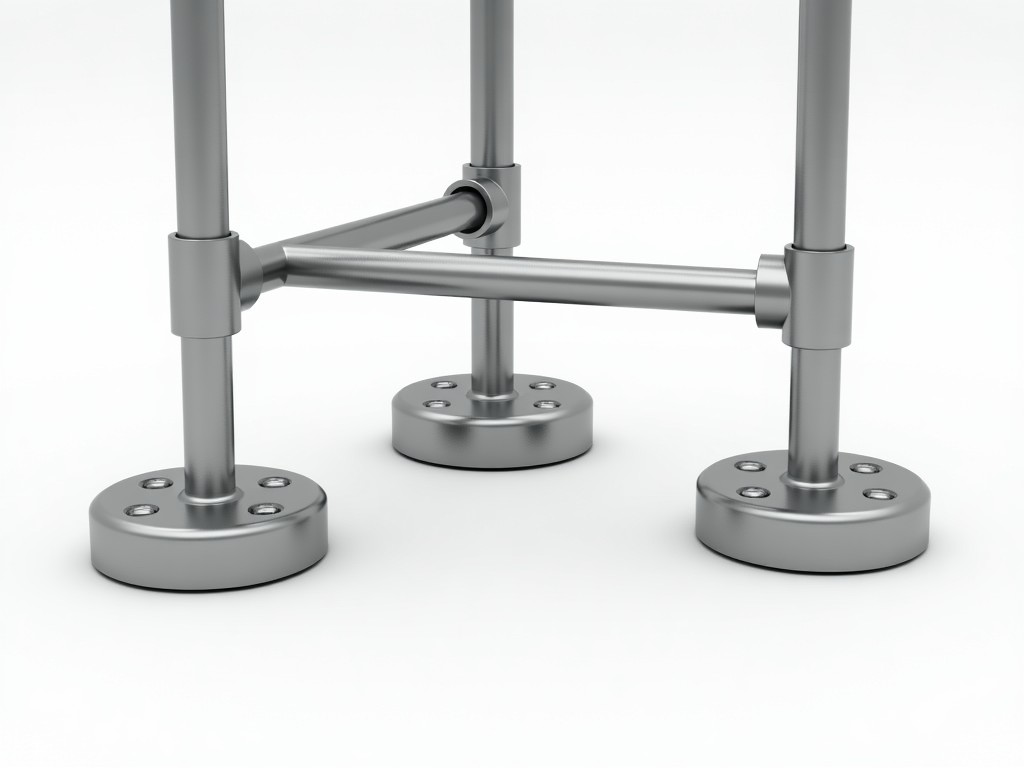
The price of an OEM swivel jack scaffold base depends on material selection, load capacity, adjustment range, and compliance requirements. Industrial buyers evaluate these factors to ensure structural safety, long-term durability, and compatibility with existing scaffolding systems. Understanding the technical variables behind pricing enables informed procurement decisions that reduce risk and lifecycle costs.
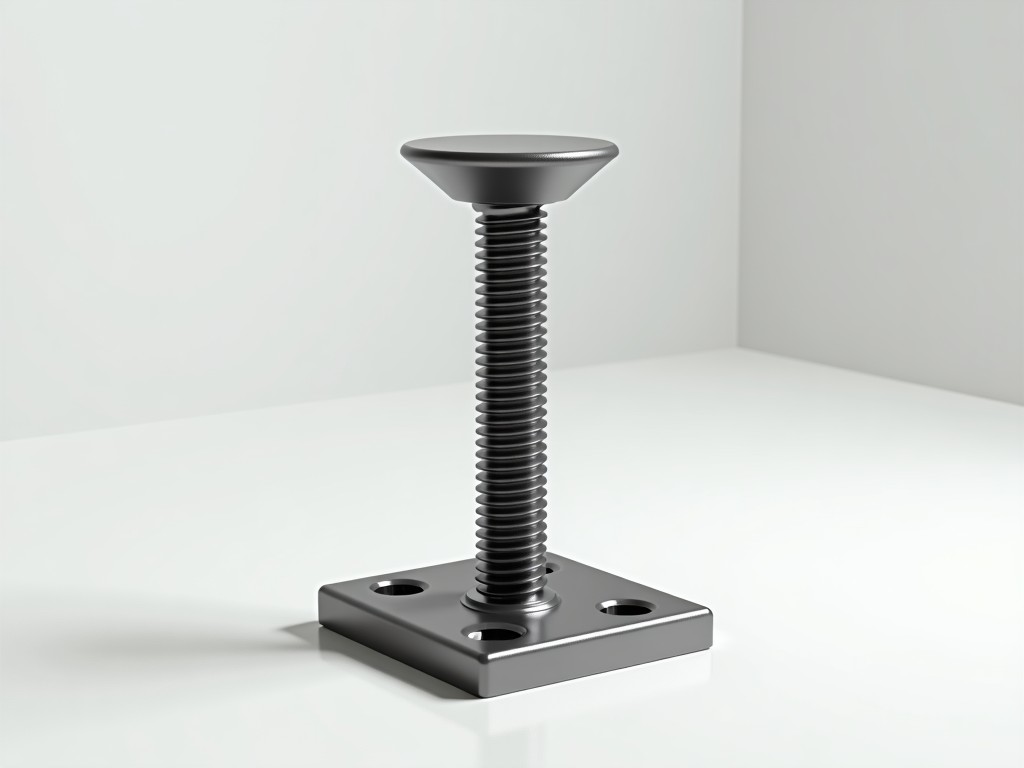
Material choice significantly affects both performance and cost. Hot-dip galvanized steel is commonly selected for its corrosion resistance in outdoor environments, while untreated carbon steel may be used in dry, controlled settings with protective coatings. The thickness of the base plate and jack tube directly impacts buckling resistance under axial load, with thicker sections increasing material cost but improving safety margins. Load ratings—typically ranging from 2,000 to 4,000 kg per jack—are determined by tube diameter, wall thickness, and base plate dimensions, all of which scale with price.
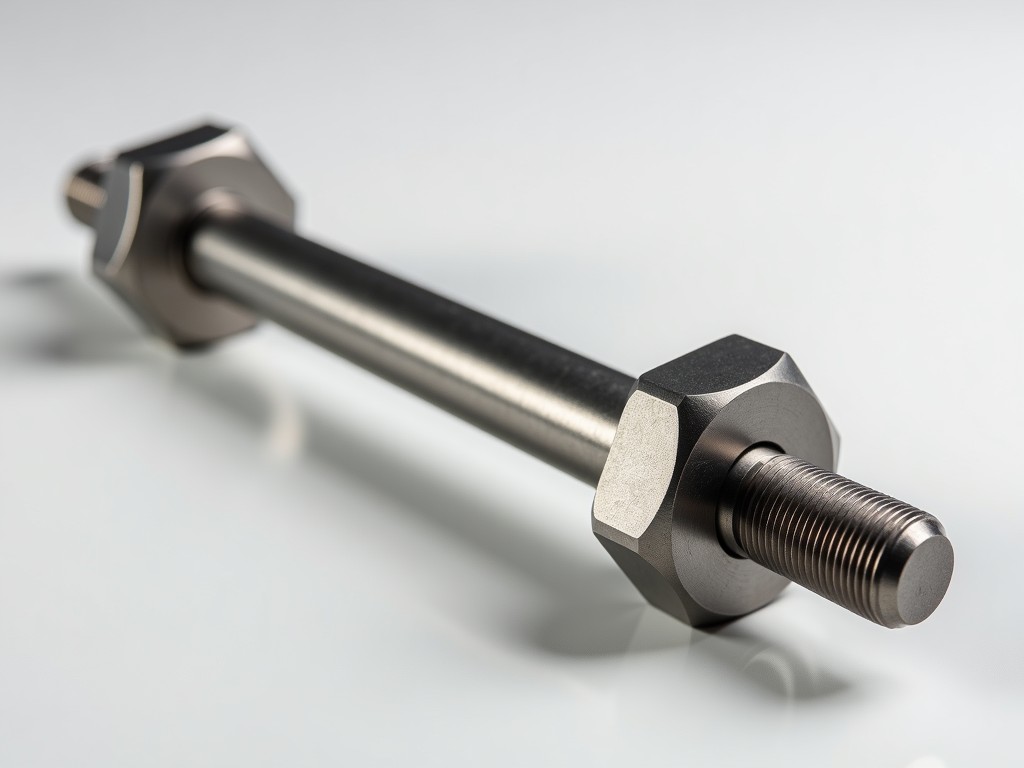
Adjustment range influences both usability and manufacturing complexity. Standard threaded stems offer 300–500 mm of vertical adjustment, achieved through precision-rolled acme threads or square threads for smoother operation under load. Longer adjustment ranges require longer threaded stems and larger nuts, increasing material use and machining time. Corrosion protection methods—such as hot-dip galvanizing versus zinc plating—also affect price, with galvanizing providing superior longevity in humid or coastal climates at a moderate cost premium.
| Specification | Load Capacity | Adjustment Range | Typical Price Range (USD/unit) |
|---|---|---|---|
| Hot-dip galvanized steel, Ø48.3 mm tube, 3.2 mm wall | 3,000 kg | 400 mm | $18–$24 |
| Hot-dip galvanized steel, Ø60.3 mm tube, 3.6 mm wall | 4,000 kg | 500 mm | $26–$34 |
| Pre-galvanized steel, Ø48.3 mm tube, 2.8 mm wall | 2,000 kg | 300 mm | $14–$19 |
| Stainless steel (304), Ø48.3 mm tube, 3.0 mm wall | 3,000 kg | 400 mm | $48–$62 |
These price ranges reflect unit costs for standard OEM configurations and exclude tooling, setup, or secondary operations. Volume pricing applies, with discounts typically available for orders exceeding 500 units. Custom branding, laser etching, or specialized packaging may add $0.50–$2.00 per unit depending on complexity. Ex-factory pricing assumes standard export packaging; additional costs apply for palletization, moisture barriers, or customs documentation.
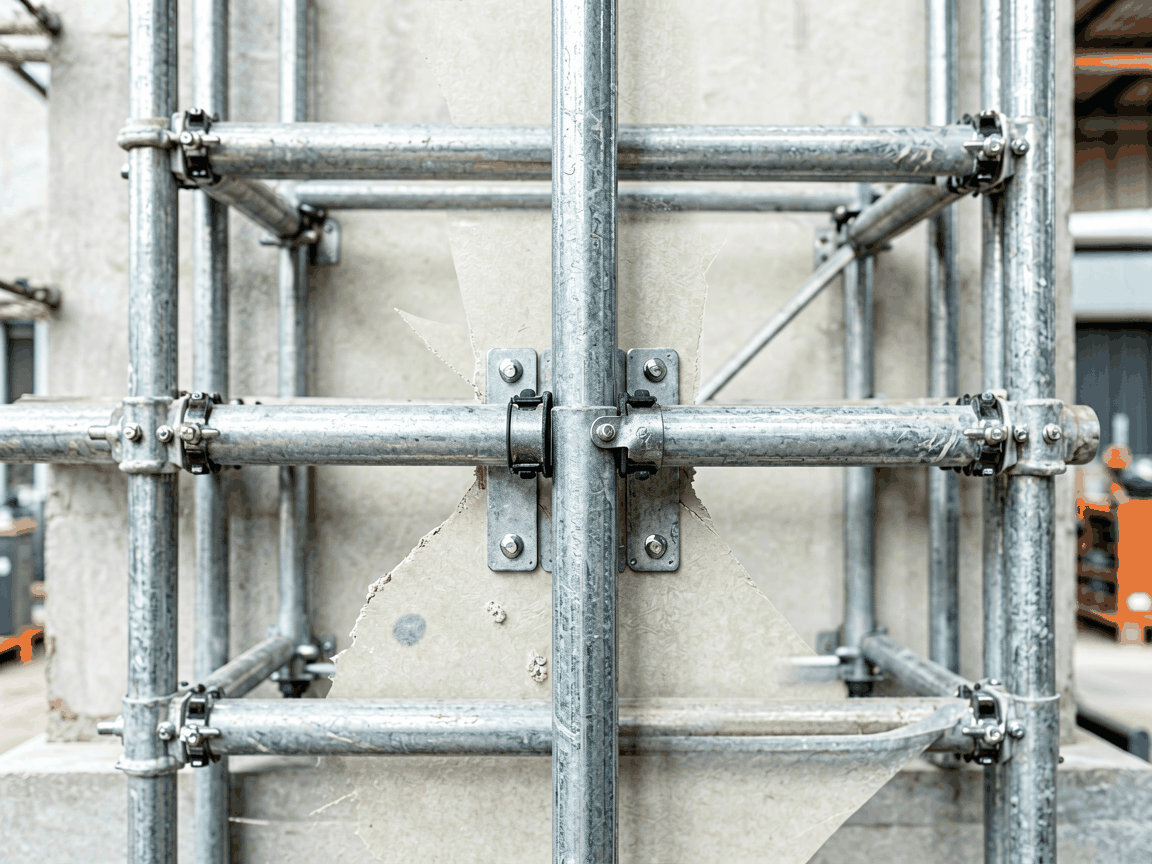
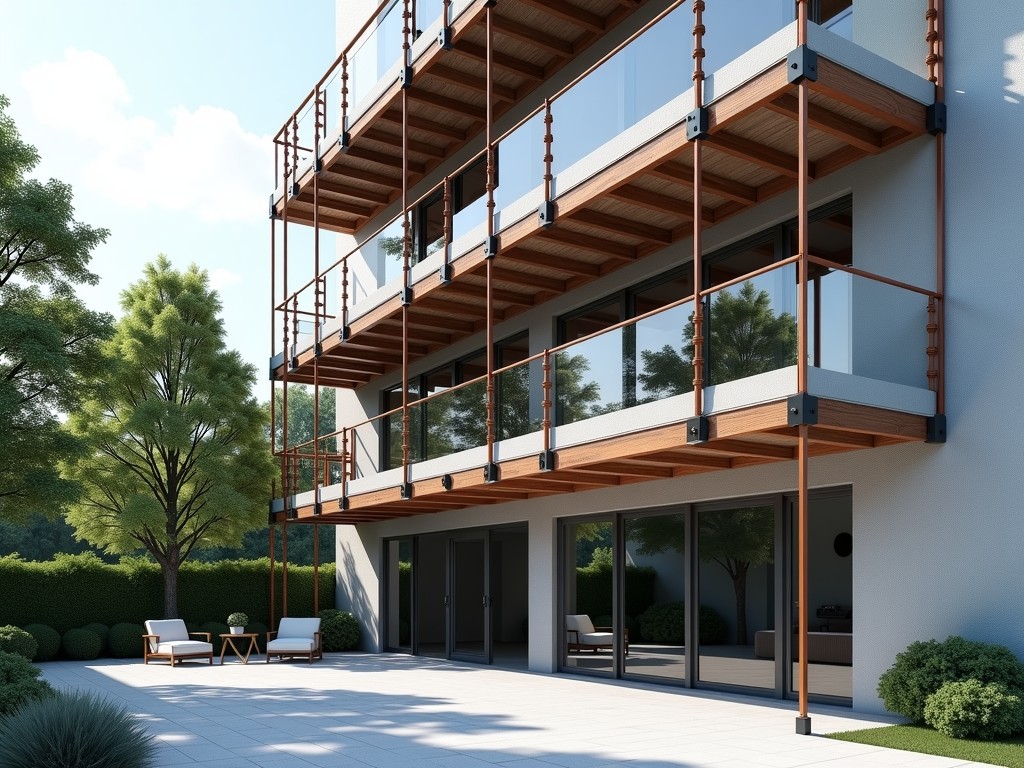
In facade restoration projects, swivel jack bases must accommodate uneven substrates while maintaining precise load transfer to the scaffold structure. A 4,000 kg-rated base with 500 mm adjustment allows contractors to level scaffolds on sloped balconies or uneven stone foundations without shimming, reducing installation time and preventing point-loading failures. The swivel function—typically allowing 10–15 degrees of angular compensation—ensures vertical alignment of standards even when the base plate is not perfectly horizontal, a critical feature in historic building work where substrates are rarely flat.
For industrial maintenance scaffolds in petrochemical or power generation facilities, corrosion resistance becomes a cost-of-ownership factor. Hot-dip galvanizing provides a zinc coating thickness of 55–85 μm, offering 15–25 years of protection in C3–C4 environments per ISO 12944. While stainless steel (304) carries a higher initial cost, it eliminates maintenance recoating cycles in chloride-exposed areas, making it economically viable over 5+ year projects. Buyers assess total cost of ownership, not just unit price, when specifying materials for long-duration installations.
OEM pricing is highly dependent on drawing specifications and tolerance requirements. Threaded stem diameter (e.g., Ø22 mm vs. Ø26 mm), thread pitch (4 mm vs. 5 mm), and nut dimensions directly affect material removal during machining and tool wear. Base plate geometry—whether square, circular, or oblong—impacts nesting efficiency in material cutting and welding fixture design. Tight tolerances on thread pitch or perpendicularity between stem and base plate increase inspection time and scrap rates, which are reflected in unit pricing.
Volume influences pricing through amortization of setup costs. Initial sample runs require machine calibration, first-article inspection, and process validation, which are distributed over the production quantity. For orders above 1,000 units, setup costs become negligible, allowing price to approach marginal material and labor costs. Kanban-style release schedules or blanket orders enable suppliers to optimize raw material purchases and production sequencing, further reducing unit cost. Buyers who provide annual forecasts often receive better pricing stability than those placing sporadic, low-volume orders.