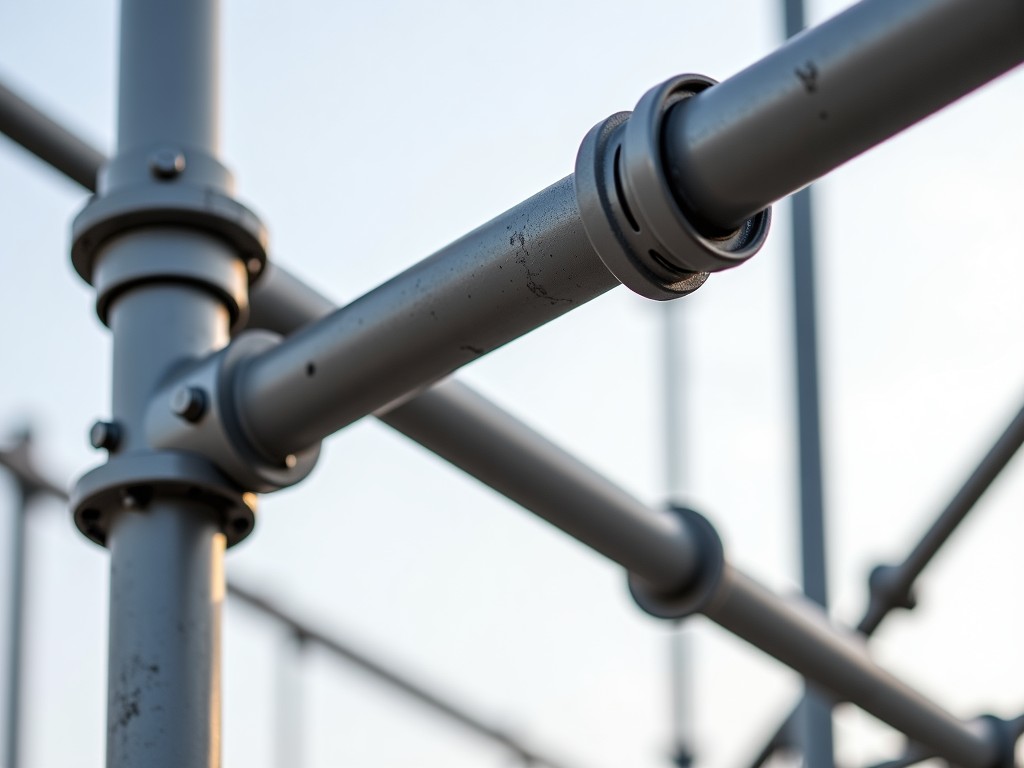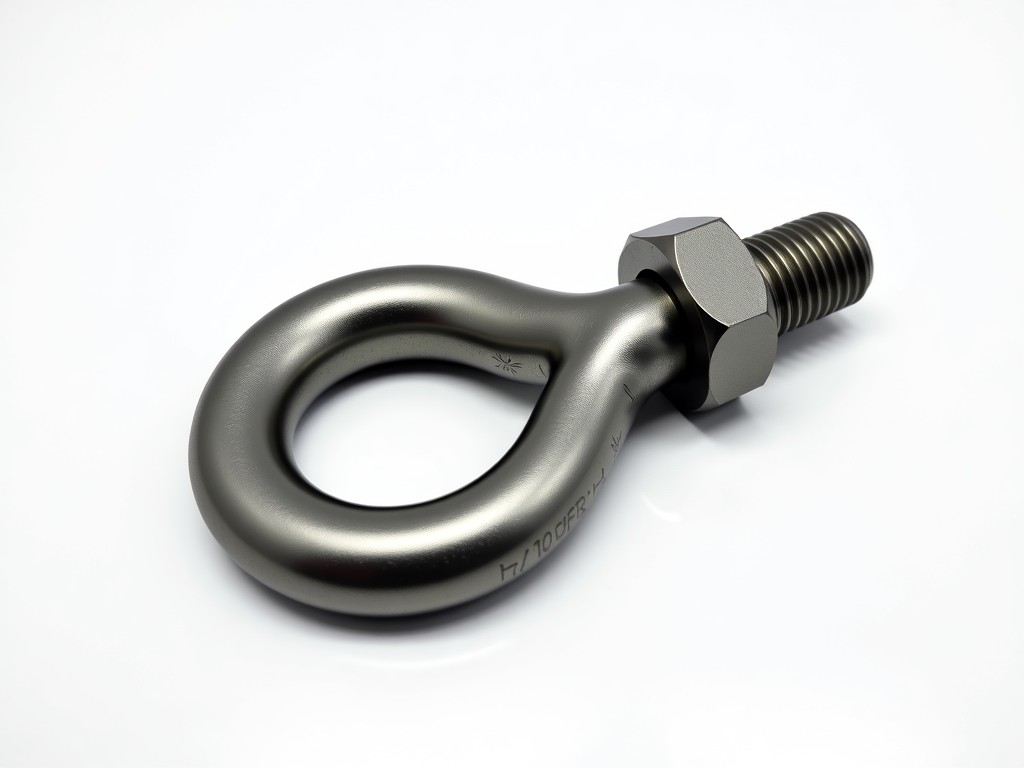
An OEM swivel coupler drop forged is a precision-engineered mechanical joint designed to connect two structural members while allowing rotational movement under load. Unlike cast or machined alternatives, drop forging aligns the grain flow of the metal with the part's geometry, enhancing tensile strength, fatigue resistance, and impact toughness—critical properties for applications subjected to dynamic or cyclic stresses.
This manufacturing process begins with heated steel billets placed between custom dies and subjected to high-pressure hammering or pressing. The result is a near-net-shape component with minimal internal voids, reduced porosity, and superior ductility compared to casting. For swivel couplers, this translates to consistent performance under repeated articulation, reduced risk of crack propagation, and extended service life in harsh environments.
Engineers specify drop forged swivel couplers when reliability under variable loading conditions is non-negotiable—such as in temporary shoring systems, formwork assemblies, or material handling equipment where misalignment compensation and rotational freedom must coexist with high load-bearing capacity.
The most common material for OEM drop forged swivel couplers is medium-carbon steel, typically grades like 1045 or 4140, chosen for their hardenability and response to quenching and tempering. These alloys achieve a balanced microstructure after forging and heat treatment—offering yield strengths typically between 450–650 MPa and tensile strengths ranging from 600–850 MPa, depending on section size and cooling rate.
Surface hardness is often increased through localized induction hardening or case carburizing on wear-prone zones such as the pivot pin bore or swivel raceway, extending surface durability without compromising core toughness. Elongation at fracture usually exceeds 15%, indicating sufficient ductility to absorb shock loads without brittle failure.
Traceability is maintained through heat lot coding, allowing material test reports (MTRs) to be linked to each production batch. This supports compliance with quality management systems such as ISO 9001 and facilitates root-cause analysis if field performance deviates from expectations.
The swivel mechanism typically incorporates a hardened steel pin or bushing system housed within a forged yoke, enabling 360-degree rotation while maintaining axial load transfer. Clearances are precision-machined post-forging to balance rotational freedom with minimal play—critical for preventing fretting wear and maintaining alignment accuracy over time.
Many designs include lubrication grooves or grease fittings to reduce friction and inhibit corrosion at the pivot interface. Seals or protective caps may be integrated to exclude dust, concrete slurry, or moisture—common contaminants in construction and industrial settings that accelerate wear if ingested.
The forged body often features integrated lugs, holes, or tabs designed for direct bolting or welding to scaffolding tubes, beams, or chassis components. These attachment points are positioned to optimize load paths and minimize bending moments on the coupler body, ensuring that forces are transmitted primarily through compression and shear rather than tensile stress on the weld or bolt joint.
In concrete formwork systems, drop forged swivel couplers connect vertical supports to horizontal walers at variable angles, accommodating uneven foundations or complex geometries without inducing premature stress concentrations. Their rotational capacity allows installers to adjust alignment on-site while maintaining full load capacity—reducing the need for custom-fabricated brackets.
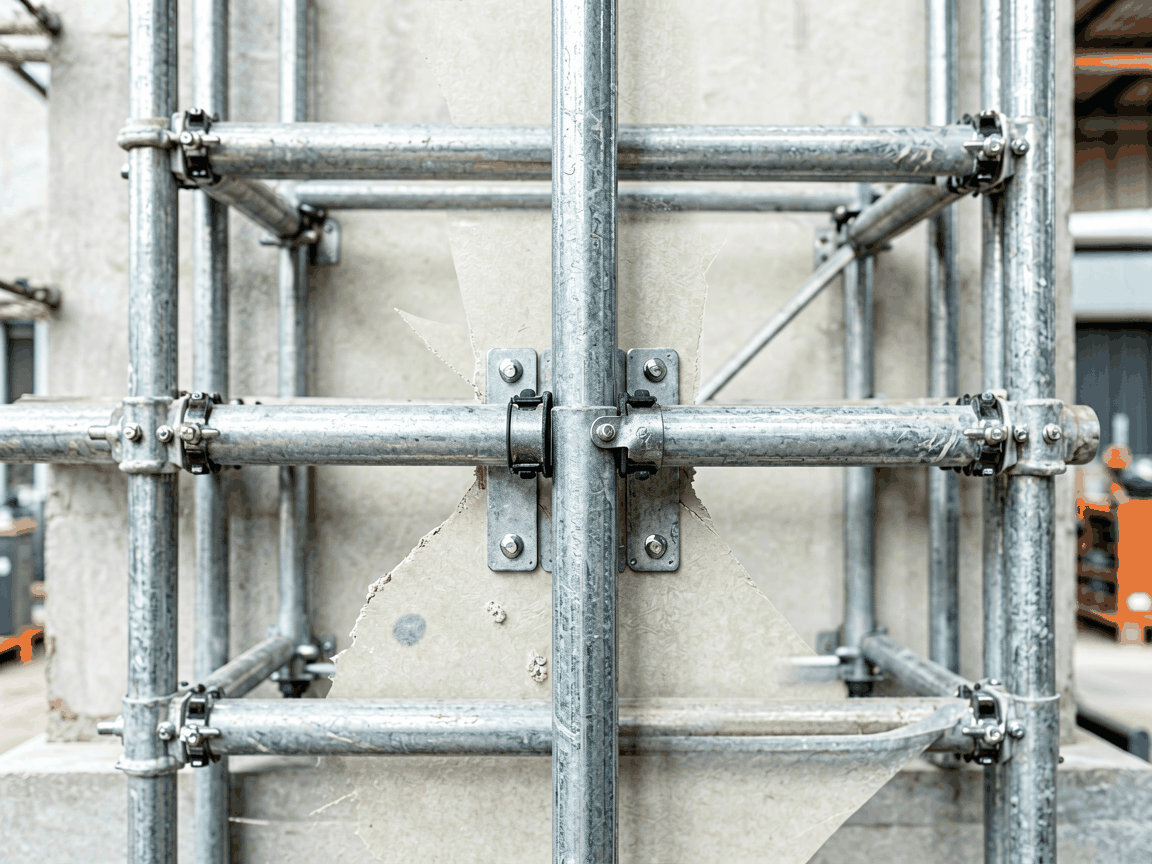
They are also widely used in modular scaffolding where diagonal bracing must connect to standards at non-perpendicular angles. Unlike rigid couplers, swivel versions prevent binding during erection and accommodate slight frame deviations caused by thermal expansion, foundation settling, or cumulative tolerance stack-up.
Material handling equipment such as adjustable gantry cranes or portable lift frames employs these couplers to join outriggers or mast sections that must pivot during setup or repositioning. The high strength-to-weight ratio of drop forged steel enables compact designs that do not sacrifice safety margins.
Dimensional inspection follows first-article validation using CMM or optical comparators to verify critical features such as bore diameter, pin hole alignment, lug thickness, and overall length. Geometric tolerances are typically held to ±0.5 mm for functional surfaces and ±1.0 mm for non-critical exteriors, ensuring interchangeability and proper fit with mating components.
Non-destructive testing (NDT) is standard for safety-critical applications. Magnetic particle inspection (MPI) detects surface and near-surface discontinuities such as cracks or laps that may occur during forging or heat treatment. Ultrasonic testing (UT) may be employed on thicker sections to identify internal inclusions or porosity undetectable by surface methods.
Mechanical validation includes tensile testing of coupon samples taken from each heat lot to confirm yield and tensile strength, elongation, and reduction in area. Hardness surveys across cross-sections verify case depth and core consistency. Batch records are retained for traceability, supporting audits and warranty claims.
| Property | Drop Forged | Cast Steel | Machined from Bar |
|---|---|---|---|
| Grain Flow Alignment | Follows part contour; enhances strength | Random; no directional benefit | Follows bar length; may not match stress paths |
| Porosity Risk | Very low (dense microstructure) | Higher (shrinkage, gas trapping) | None (solid bar) |
| Fatigue Resistance | Superior due to grain flow and density | Moderate to low (dependent on quality) | Good (if no stress concentrators) |
| Lead Time | Moderate (die-dependent) | Shorter (pattern-dependent) | Shorter (no tooling) |
| Cost at Volume | Lower (after die amortization) | Low | Higher (material waste, machining time) |
While cast couplers offer lower initial tooling costs and machined versions provide flexibility for low-volume prototypes, drop forged swivel couplers deliver the best combination of mechanical integrity, consistency, and lifecycle cost for high-reliability, repetitive-use applications. The initial investment in forging dies is justified by reduced failure rates, longer inspection intervals, and lower total ownership cost over time.
For technical consultation, customization requests, or to discuss material certification, traceability, or testing requirements for your OEM swivel coupler application, contact our engineering team.
Request Technical Specification or Quote