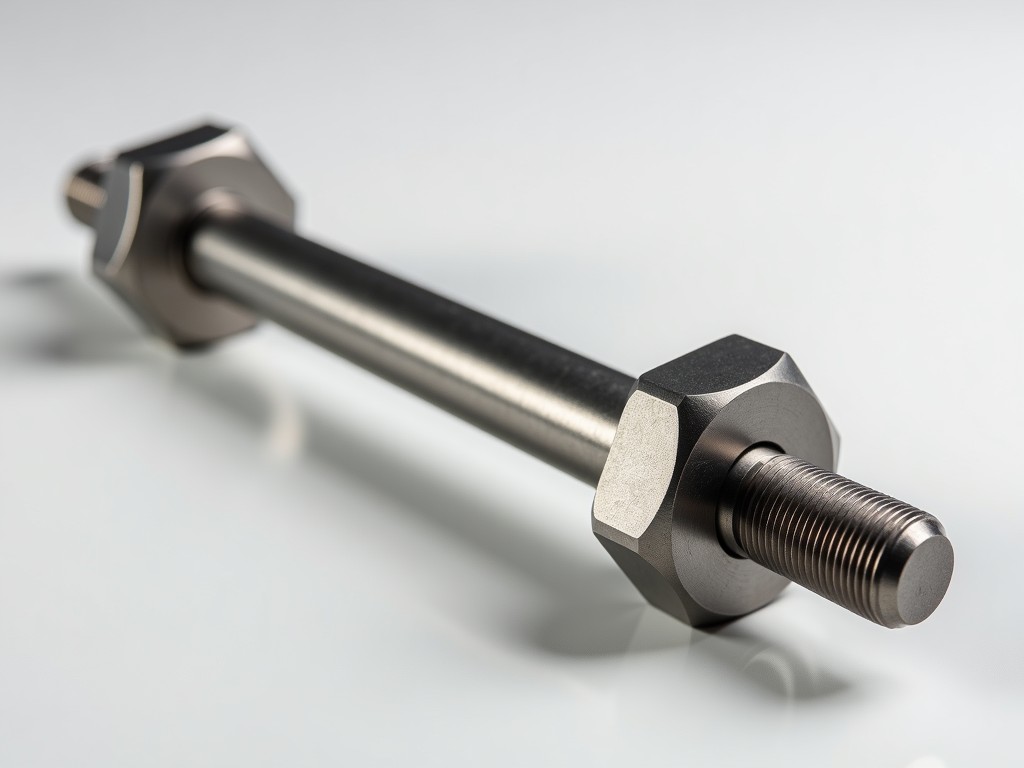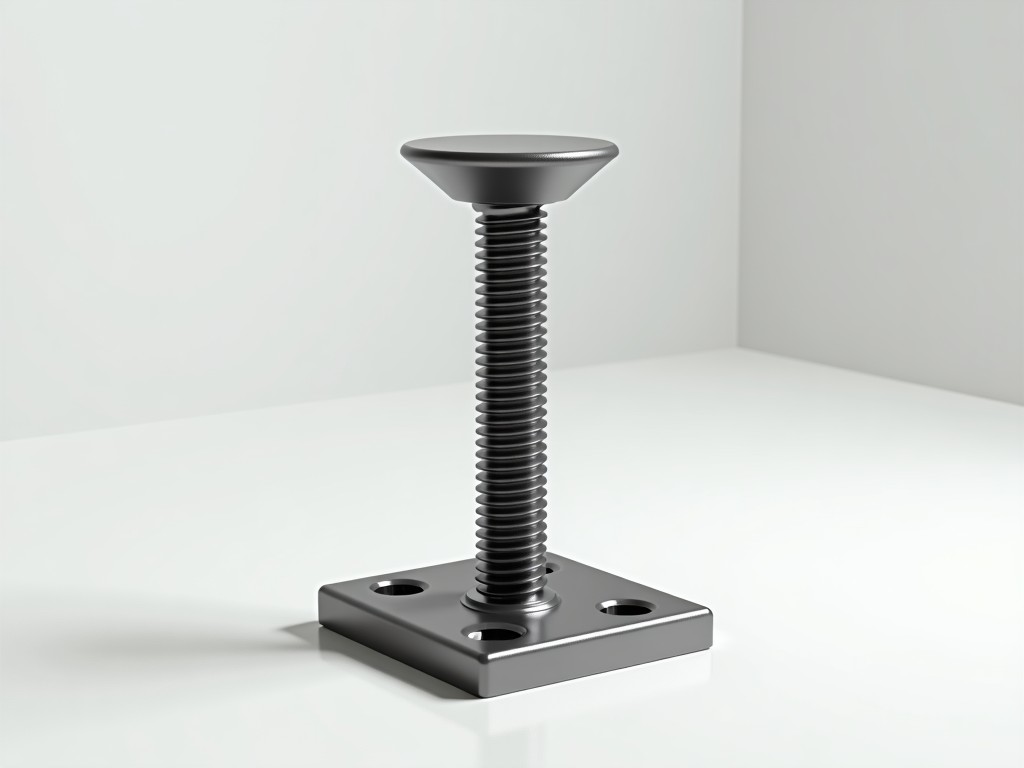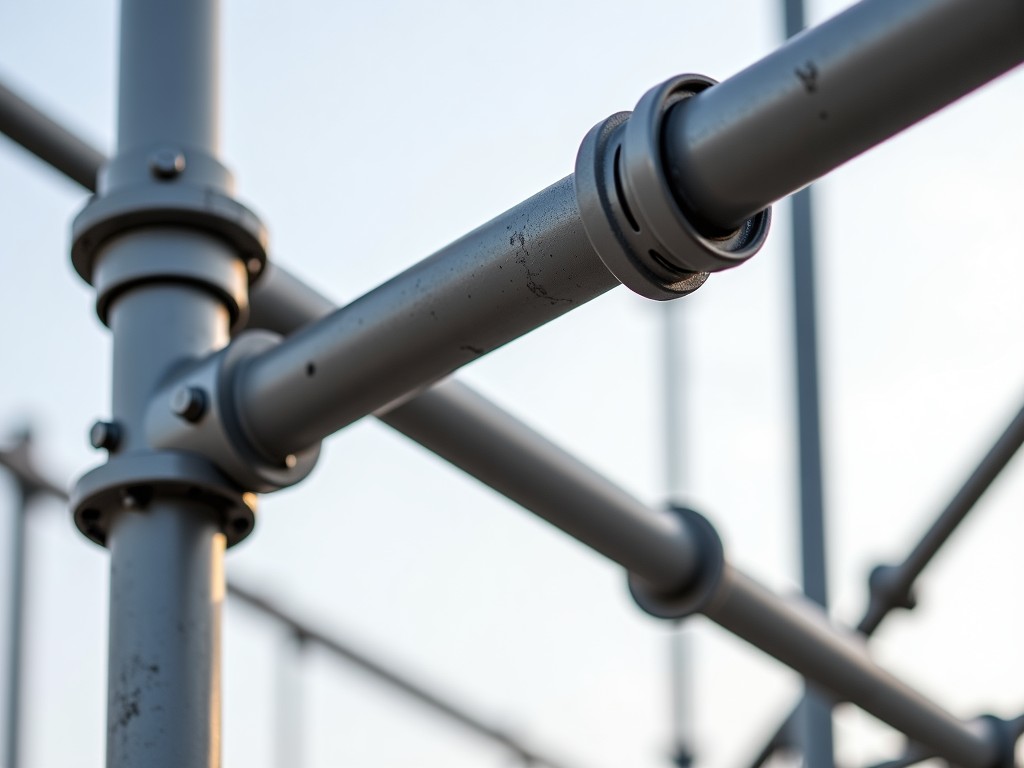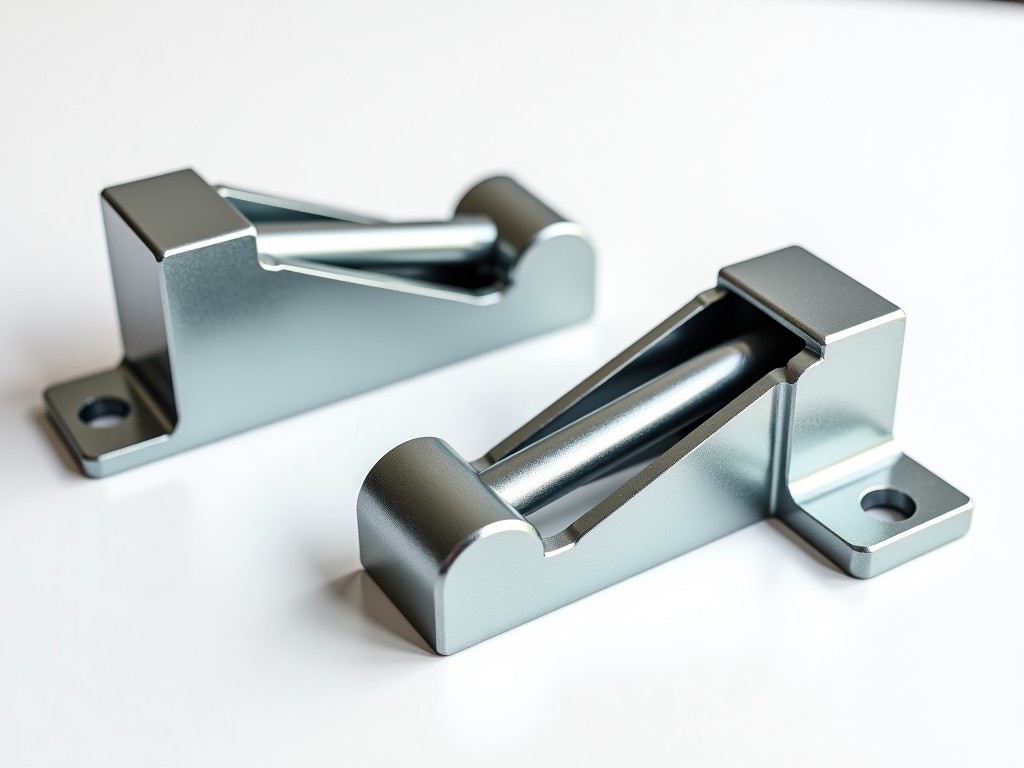
Steel prop jacks are adjustable vertical support systems used in construction, formwork, and temporary shoring applications. They consist of a threaded inner tube, outer sleeve, base plate, and top plate, allowing precise height adjustment through a mechanical acme thread or pin-hole system.
OEM prop jacks are manufactured to specific client engineering requirements, including load capacity, stroke length, material grade, and surface treatment. Unlike off-the-shelf models, OEM versions integrate directly into client-specified formwork systems or shoring designs, ensuring dimensional compatibility and structural integrity.
Procurement engineers select OEM prop jacks when standard products fail to meet project-specific constraints such as unique connection interfaces, non-standard adjustment ranges, or stringent material traceability requirements for regulated industries.
Load capacity is determined by material yield strength, tube wall thickness, and thread geometry. Common OEM specifications range from 20 kN to 50 kN safe working load, verified through static testing per EN 1065 or ANSI/ASSE A10.9 standards.
Adjustment stroke typically spans 300 mm to 600 mm, with fine-threaded variants offering 1.5 mm pitch for millimeter-level precision. Coarse-thread designs prioritize faster adjustment for temporary works where precision is secondary to speed.
Critical components include: inner tube (cold-drawn steel, OD 48–60 mm), outer tube (welded or seamless, OD 60–75 mm), acme thread (trapezoidal, 8–12 mm pitch), forged steel base/top plates (minimum 8 mm thickness), and adjustable pin-hole collar for rapid positioning.
Tube material selection depends on environmental exposure and load duration. S235JR carbon steel is standard for indoor, short-term use. S355JR offers higher yield strength for reusable systems. Hot-dip galvanizing (Zn min. 55 μm) provides corrosion resistance for outdoor storage and repeated wet/dry cycles.
Alternative treatments include powder coating (epoxy or polyester, 80–120 μm thickness) for chemical resistance in industrial environments, or zinc-phosphate priming for paint adhesion in client-specified finish systems. Stainless steel (304/316) variants are available for corrosive or hygienic applications.
Material test certificates (EN 10204 3.1) are available upon request, documenting chemical composition and mechanical properties for each heat batch. Traceability is maintained from raw material to final inspection.
OEM customization begins with interface analysis: determining how the prop jack connects to formwork beams, slab tables, or shoring frames. Common adaptations include welded lugs, bolt-on brackets, or proprietary pin systems matching client hardware.
Adjustment mechanism may be modified based on site practices: handwheel for ergonomic operation, ratchet handle for confined spaces, or remote-operated versions for high-rise core work. Thread protection sleeves prevent concrete ingress during use.
Base and top plates are often redesigned to distribute load onto specific substrates — such as soft soil, timber soffits, or steel beams — using enlarged bearing areas, spherical washers, or load-spreading grilles to prevent localized deformation.
Quality assurance follows a preventative model: incoming material verification, in-process dimensional checks, and final functional testing. Critical dimensions (tube concentricity, thread pitch, plate flatness) are monitored via CMM or laser scanning at 100% frequency for OEM batches.
Load testing is performed on a sampling basis per batch, applying 1.5x rated load for 3 minutes to detect elastic deformation or thread stripping. Deflection is measured with dial indicators; permanent set exceeding 0.5 mm triggers batch investigation.
Surface treatment thickness is verified using magnetic or eddy-current gauges. Galvanized coatings are tested for adhesion (cross-hatch test) and uniformity. Visual inspection checks for weld defects, burrs, or thread damage under 10x magnification.
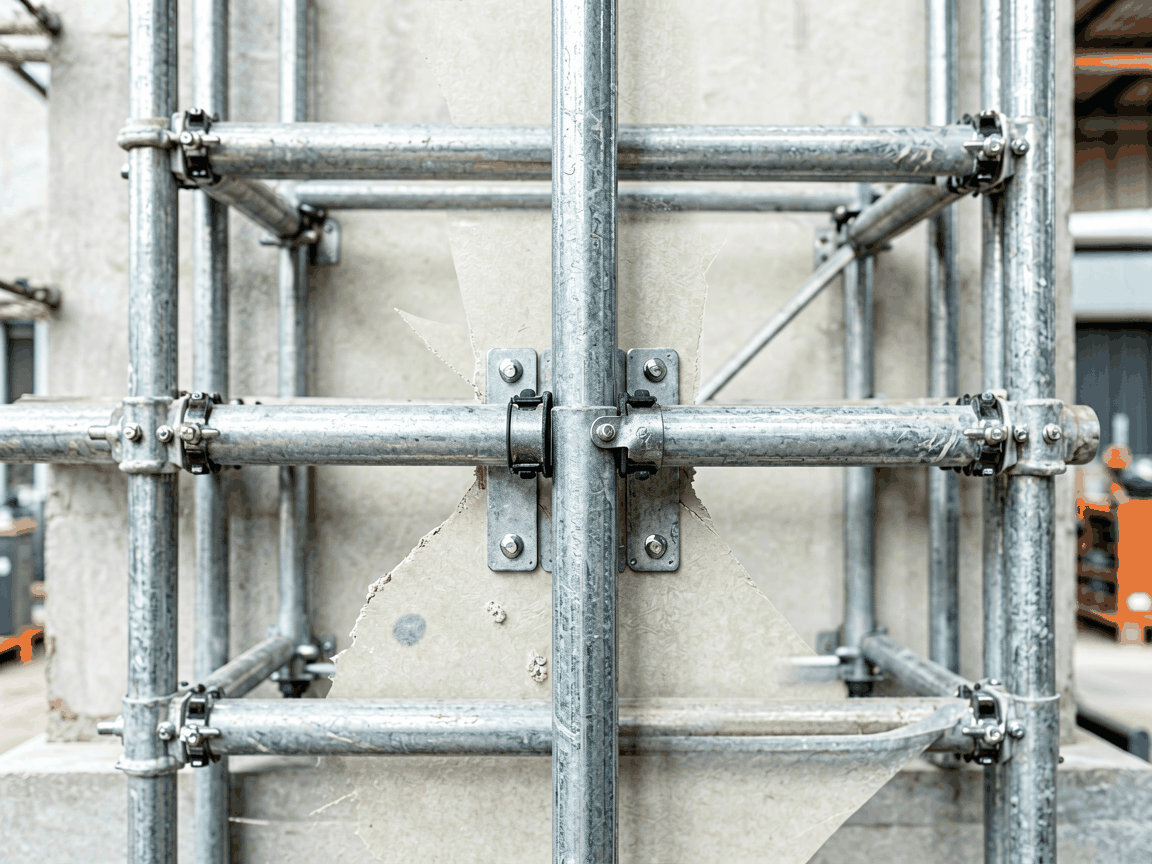
In high-rise concrete construction, OEM prop jacks support slab tables and flying forms, where integration with aluminum or steel formwork rails requires precise mounting geometry. Custom top plates with V-notches or bolt patterns ensure zero movement during concrete pour.
For bridge falsework, prop jacks must accommodate uneven terrain and dynamic loads from equipment movement. OEM versions often include swivel base plates or screw-jack extensions to maintain verticality on slopes exceeding 5% grade.
In industrial maintenance, prop jacks support heavy machinery during alignment or replacement. OEM designs feature low-profile bases and high-load capacity (up to 50 kN) to fit under equipment with limited clearance, reducing the need for extensive foundation work.
| Parameter | Standard Product | OEM Solution |
|---|---|---|
| Load Capacity | Fixed (e.g., 20 kN) | Customizable (15–50 kN per requirement) |
| Stroke Length | Fixed ranges (e.g., 400–600 mm) | Adaptable (200–800 mm with intermediate options) |
| Interface Type | Generic top/base plates | Client-specific lugs, brackets, or pins |
| Material Traceability | Batch-level (optional) | Heat-level with 3.1 certification |
| Surface Treatment | Limited options (paint or HDG) | Full range (HDG, powder coat, SS, duplex) |
| Lead Time | Stock availability | 4–6 weeks (tooling-dependent) |
Yes. Inner/outer tube diameter, wall thickness, stroke length, thread pitch, and plate dimensions are adjusted based on load requirements and interface constraints. Dimensional changes may affect load capacity and require revalidation.
Required inputs include: safe working load, minimum/maximum extension height, connection details to formwork or shoring, material preference (carbon steel, galvanized, stainless), estimated quantity, and delivery timeline.
Inspection includes dimensional verification (CMM/gauges), material testing (mill certificates), surface treatment thickness, functional load sampling, and visual checks for defects. Full documentation is available upon request.
Standard packaging uses steel straps on pallets with corner protection. For export, options include waterproof wrapping, fumigated plywood crates, or containerized racks to prevent deformation during transit.
To discuss your specific prop jack requirements, including load capacity, stroke length, material specifications, or interface design, contact our engineering team. Provide your project parameters for a detailed technical review and quotation.
Request Technical Quotation