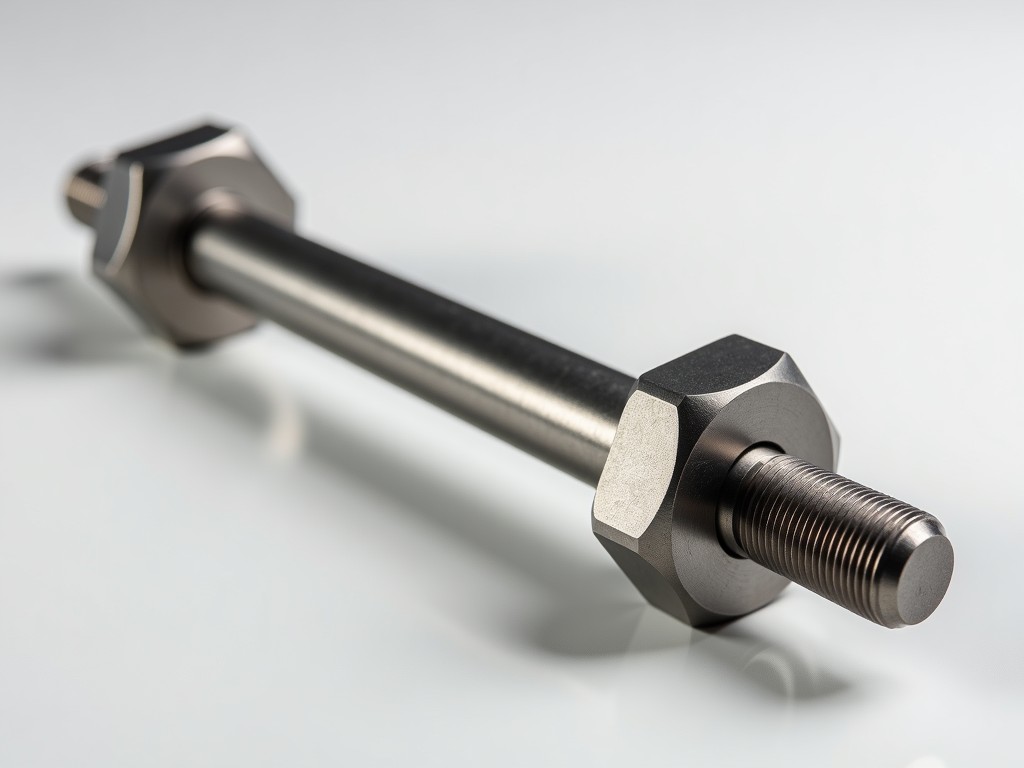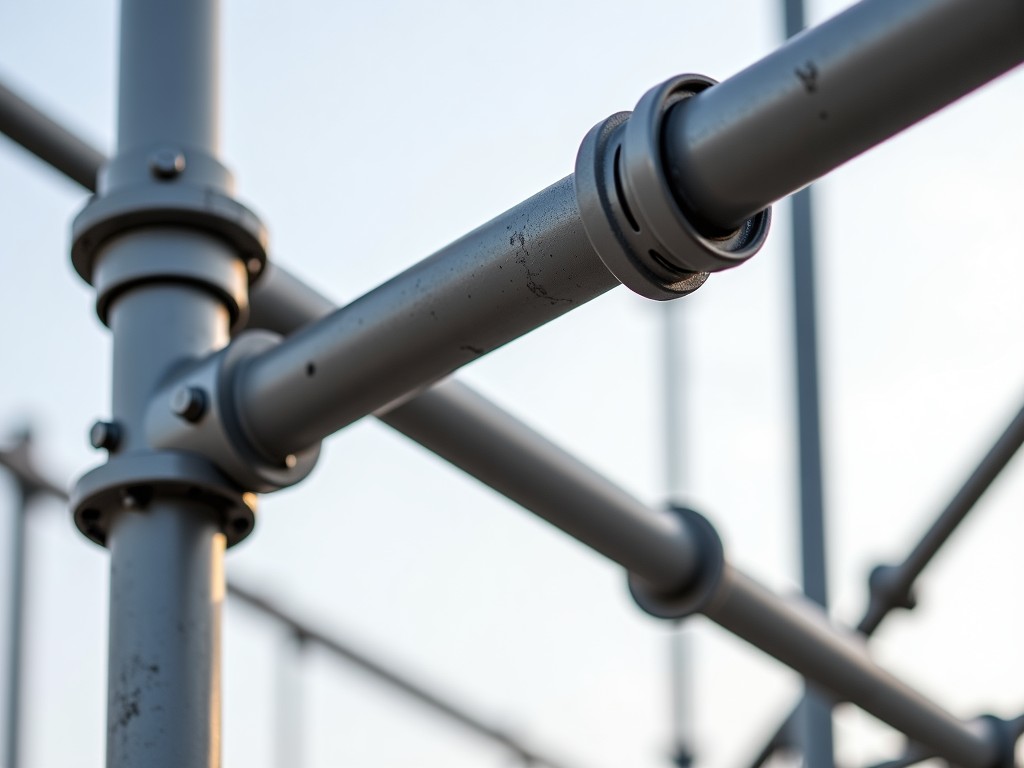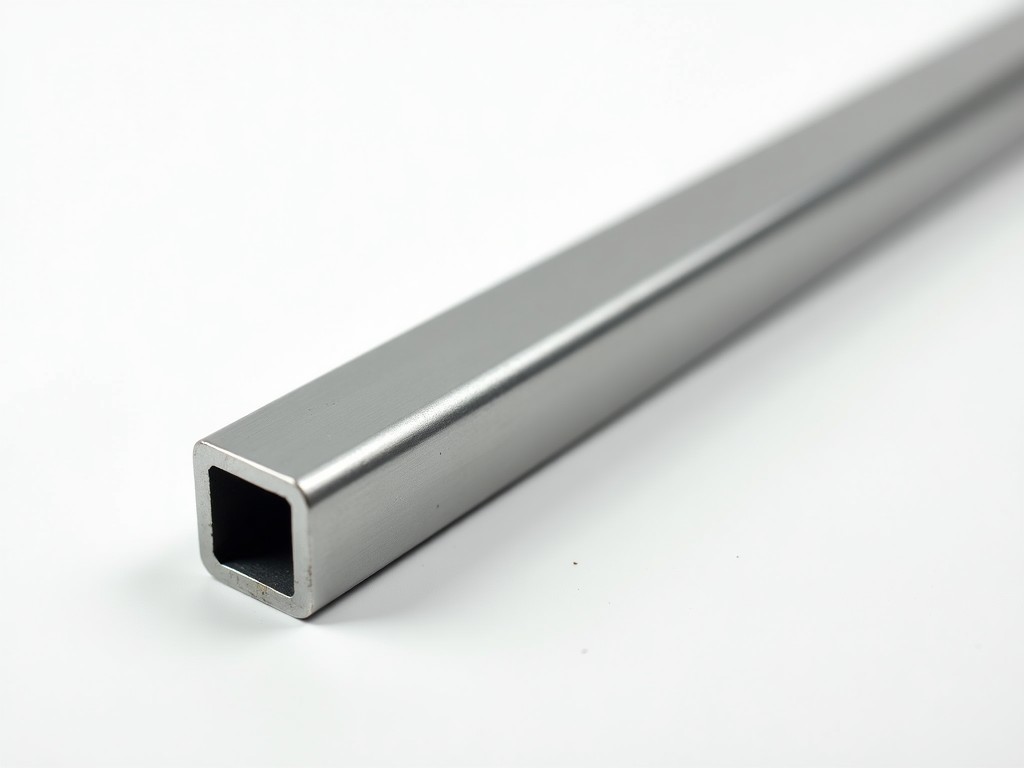
Square scaffold span pins are precision-engineered fasteners designed to securely connect horizontal scaffold tubes (ledgers, transoms) to vertical standards in modular scaffolding systems. Their square cross-section provides rotational resistance, preventing tube slip under load and maintaining structural alignment critical for safety and stability.
Unlike round pins, square span pins eliminate rotational movement at the joint, ensuring consistent load transfer and reducing wear on scaffold components. This design is particularly valuable in high-load applications such as façade support, shoring, and heavy-duty access platforms where lateral forces and dynamic loading are prevalent.
Manufactured from high-strength steel, these pins are engineered to withstand significant shear and tensile forces while maintaining dimensional integrity over repeated assembly and disassembly cycles. Their geometry is optimized for compatibility with standard scaffold tube diameters and coupler specifications.
The square cross-section of the span pin creates a positive mechanical lock within the scaffold coupler, resisting both axial pull-out and rotational torque. This dual-action resistance is essential for maintaining joint rigidity under eccentric loading conditions common in complex scaffold geometries.
Pin length is calibrated to match the internal width of standard scaffold couplers, ensuring full engagement without protrusion that could snag on equipment or personnel. Typical lengths range from 75mm to 120mm, selected based on coupler design and tube wall thickness.
Surface treatments such as hot-dip galvanizing or zinc plating provide corrosion resistance suitable for outdoor construction environments. The coating thickness adheres to ISO 1461 or ASTM A153 standards, ensuring durability in humid, saline, or chemically exposed conditions.
OEM square scaffold span pins are typically produced from low-carbon steel grades such as Q235 or S275JR, selected for their balance of strength, ductility, and weldability. These materials allow for cold forming or machining to precise tolerances while retaining toughness under impact loads.
For higher-load applications, alloy steels like 42CrMo4 may be used, offering increased yield strength through controlled heat treatment. Hardness values are maintained within a range that prevents brittleness while resisting deformation under cyclic stress.
Manufacturing processes include precision cutting, cold heading, or CNC machining to achieve consistent square profiles and dimensional accuracy. Each pin undergoes straightness verification to ensure proper insertion and load distribution within the coupler.
Span pin dimensions are standardized to interface with common scaffold coupler types, including swivel, fixed, and putlog couplers. The square section size (typically 12mm to 16mm) matches the coupler’s receiving hole, ensuring zero play and optimal load distribution across the pin’s faces.
Length is determined by the coupler’s internal width plus sufficient engagement depth to prevent pull-out. Standard lengths are incremental (e.g., 75mm, 90mm, 105mm) to accommodate variations in coupler design across manufacturers while maintaining compatibility with major scaffolding systems like Cuplock, Kwikstage, and tube-and-coupler.
Tolerances are held to ±0.5mm on square dimension and ±1.0mm on length to guarantee interchangeability and reliable performance. These tolerances prevent binding during installation while eliminating excessive movement that could compromise joint integrity.
The square geometry provides superior resistance to bending and torsional loads compared to round pins of equivalent cross-sectional area. Under shear loading, the flat faces distribute stress more uniformly, reducing stress concentration points that could lead to premature fatigue.
Typical safe working loads (SWL) for OEM square span pins range from 15kN to 25kN per pin, depending on material grade, diameter, and coupler design. These values are derived from empirical testing and finite element analysis, incorporating dynamic impact factors for construction environment loads.
Safety factors are applied in accordance with regional scaffolding standards (e.g., EN 12810, ANSI/ASSE A10.8), typically ranging from 4:1 to 6:1 for ultimate tensile strength to SWL. This ensures adequate margin for overload scenarios, corrosion degradation, and wear over service life.
Hot-dip galvanizing is the preferred finish for outdoor scaffolding applications, providing a metallurgical bond of zinc to steel that offers sacrificial protection. Coating weights typically exceed 55µm average thickness, ensuring longevity in corrosive atmospheres per ISO 9223 classifications.
Electroplated zinc or zinc-nickel alloys are used for applications requiring tighter dimensional control or specific appearance requirements. These coatings provide adequate protection for indoor or semi-exposed environments with lower corrosion rates.
Alternative finishes such as powder coating or Dacromet® are available upon request for specialized chemical resistance or aesthetic needs. Each treatment is selected based on exposure conditions, maintenance accessibility, and project-specific durability expectations.
In façade retention systems, square span pins maintain precise alignment of horizontal tubes supporting weight-bearing loads from concrete pours or cladding installation. Their resistance to rotation prevents gradual misalignment that could lead to uneven load distribution or coupler fatigue over extended pour durations.
For shoring and falsework supporting elevated slabs or bridge decks, the pins ensure vertical standards remain perfectly plumb under dynamic loading from construction traffic and material storage. This stability is critical for preventing differential settlement and maintaining structural tolerances.
In suspended access platforms and stage scaffolding, square pins resist lateral sway caused by wind or worker movement, enhancing platform stability and worker confidence. Their consistent performance reduces the need for frequent re-tightening or adjustment during long-duration projects.
OEM suppliers offer dimensional customization to match proprietary coupler designs or non-standard scaffold systems. Square section sizes can be adjusted from 10mm to 20mm in 1mm increments, with corresponding length modifications to maintain proper engagement depth.
Material substitutions are available based on project-specific demands, including stainless steel grades (304, 316) for highly corrosive environments or food-grade applications, and hardened alloys for extreme load conditions. Each substitution undergoes feasibility review for manufacturability and cost impact.
Additional features such as drilled holes for safety cotter pins, knurled ends for improved grip, or tapered profiles for easier insertion can be integrated into the design. These options are evaluated for their effect on load path, stress distribution, and installation efficiency.
| Parameter | Typical Range | Notes |
|---|---|---|
| Square Section Size | 12mm – 16mm | Matches standard coupler hole dimensions |
| Length | 75mm – 120mm | Dependent on coupler internal width |
| Material | Q235, S275JR, 42CrMo4 | Selected based on load requirements |
| Surface Finish | Hot-dip galvanized, Zinc plated | Custom finishes available |
| Safe Working Load (SWL) | 15kN – 25kN | Per pin, with 4:1–6:1 safety factor |
Quality control begins with raw material verification, including mill test certificates for chemical composition and mechanical properties. Incoming steel is inspected for surface defects, dimensional consistency, and proper certification before entering production.
During manufacturing, each pin undergoes dimensional checks at critical stages—square section size, length, straightness, and surface finish thickness. Statistical process control (SPC) monitors key dimensions to detect drift and maintain tolerance compliance.
Final inspection includes visual examination for burrs, sharp edges, or coating defects, followed by functional testing where applicable. Batch testing may include tensile or shear strength validation to confirm performance characteristics before shipment.
For technical inquiries, custom specifications, or quotation requests regarding OEM square scaffold span pins, please contact our engineering team. Provide your scaffold system details, load requirements, environmental conditions, and quantity needs for a precise response.
Submit Inquiry