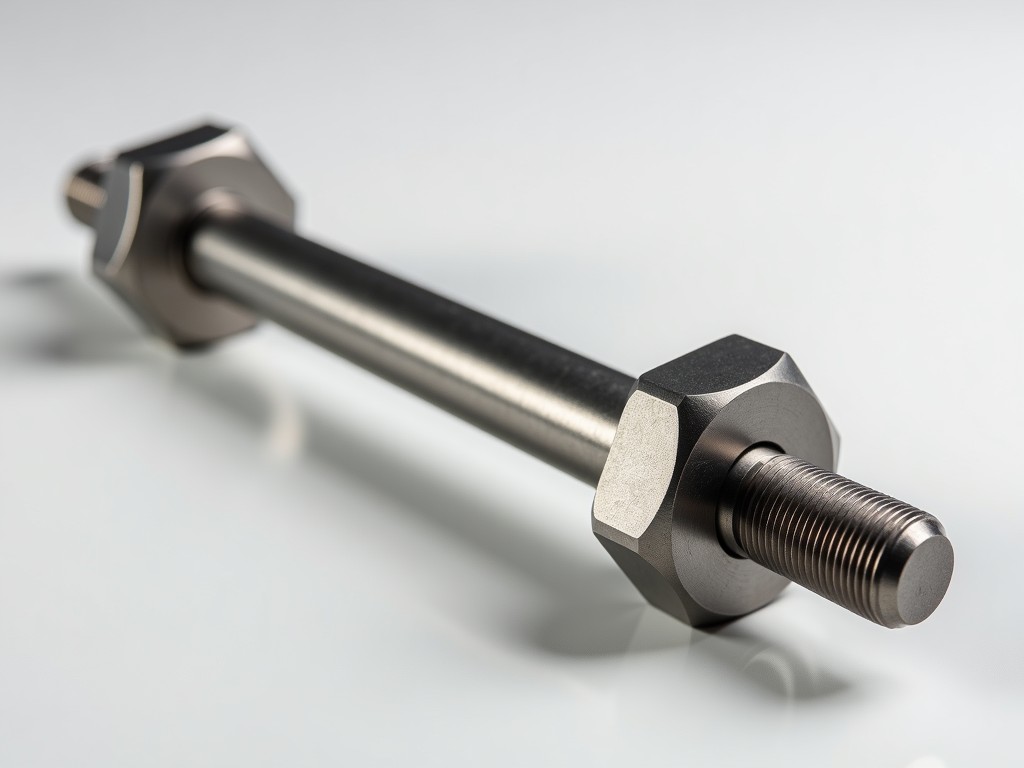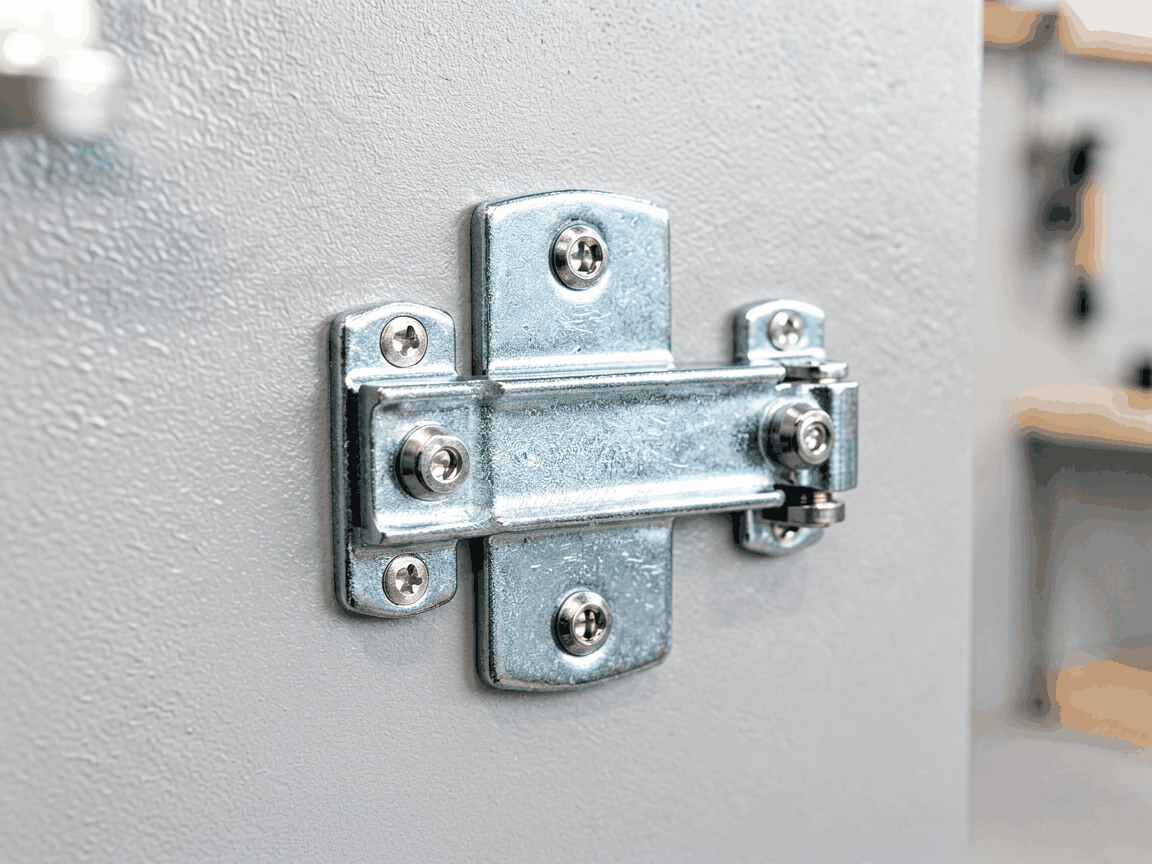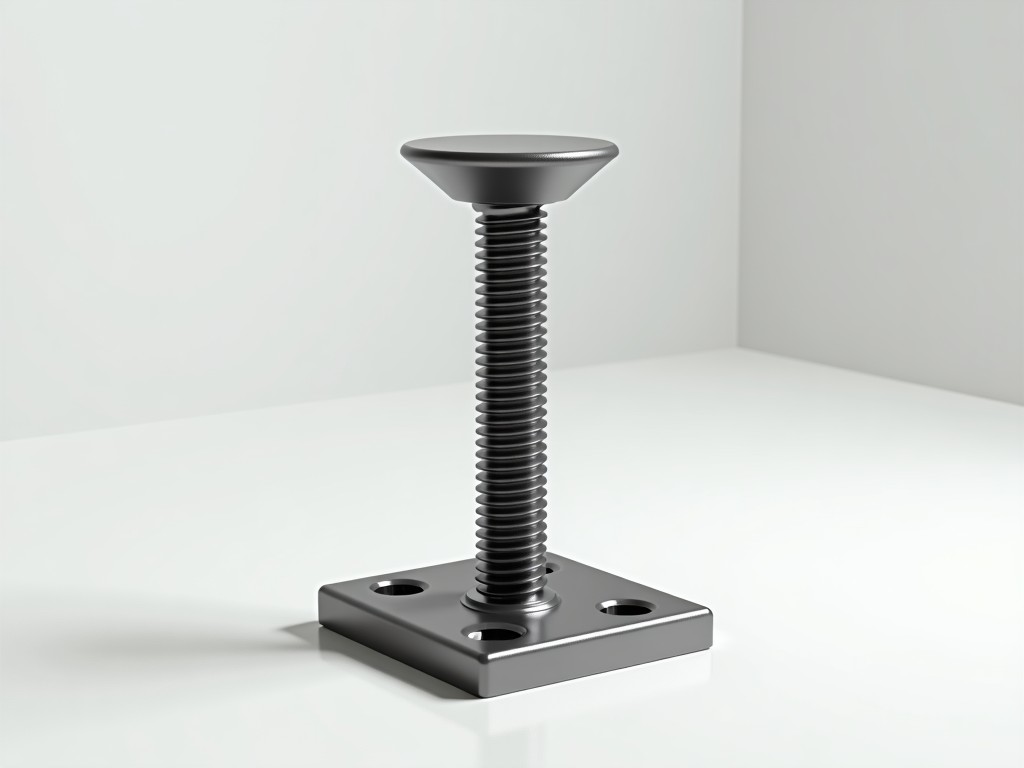
Mild steel (MS) clamps are essential components in formwork systems used for casting concrete structures. They secure shuttering panels, alignment bars, and bracing elements to maintain dimensional accuracy and prevent movement during concrete pouring and curing. Unlike permanent fasteners, these clamps are designed for repeated use, allowing quick installation and removal without damaging formwork materials.
The primary function of an MS clamp is to provide reliable clamping force while accommodating minor tolerances in formwork assembly. Proper clamping ensures that formwork remains rigid under hydrostatic pressure from wet concrete, which can exceed 150 kN/m² depending on pour height and rate. Failure to maintain formwork integrity leads to defects such as bulging, misalignment, or surface imperfections in the final concrete element.
Material selection directly influences performance and lifespan. Mild steel with a carbon content of 0.15–0.25% offers a balance of strength, ductility, and weldability. This grade resists brittle fracture under impact and allows for straightening if slightly deformed during use. Surface treatment, such as powder coating or galvanization, further enhances corrosion resistance in humid or alkaline environments common on construction sites.
The clamp body typically features a forged or pressed C-shape or U-shape profile to maximize stiffness while minimizing weight. This geometry distributes load evenly across the jaws, reducing stress concentration points that could lead to fatigue cracking over repeated cycles. Jaw faces are often machined or ground flat to ensure full contact with formwork components, minimizing slippage under load.
Adjustment mechanisms vary by design. Screw-type clamps use acme or trapezoidal threads for precise force control and self-locking capability under vibration. Lever-operated clamps employ cam mechanisms for rapid actuation, trading some force precision for speed in high-volume applications. Both types include a safety stop to prevent over-tightening, which could damage formwork or induce premature yield in the clamp itself.
Throat depth—the distance from the clamp screw center to the inner frame—determines compatibility with different formwork thicknesses. Standard depths range from 60 mm to 120 mm, accommodating common shuttering materials like plywood (18–25 mm), steel sheets (2–4 mm), or aluminum profiles. Deeper throats are available for specialty systems but increase overall size and weight.
| Parameter | Typical Range | Notes |
|---|---|---|
| Clamping Force Capacity | 8–25 kN | Dependent on screw size and material grade; verified via static load test |
| Jaw Opening (Adjustable Range) | 0–100 mm | Measured at maximum throat depth; varies by model |
| Throat Depth | 60–120 mm | Custom depths available upon request |
| Material Standard | IS 2062 E250 / ASTM A36 | Mild steel with guaranteed minimum yield strength of 250 MPa |
| Surface Treatment | Powder coating (60–80 µm) or hot-dip galvanization (55 µm avg) | Enhances corrosion resistance in alkaline concrete environments |
| Weight (per unit) | 0.8–2.1 kg | Dependent on size and design; affects handling efficiency |
MS clamps are widely used in traditional timber and plywood formwork where they secure walers, soldiers, and strongbacks to vertical or horizontal framing members. In such systems, clamps prevent lateral spreading of formwork under concrete pressure, which could otherwise cause panel bowing or joint opening. Their adjustability allows crews to accommodate minor variances in cut lumber or site-built frames without requiring precise pre-cutting.
In steel or aluminum panel formwork, clamps serve as connectors between panels and accessories like alignment sleeves, spreaders, or push-pull props. Here, clamping force must be sufficient to resist not only hydrostatic pressure but also dynamic loads from vibration during concrete consolidation. The clamp’s ability to maintain consistent force over multiple pours is critical for achieving uniform surface finish across large pour areas.
For circular or curved formwork—such as columns, tanks, or tunnels—specialized MS clamps with radiused jaws or adjustable arms maintain tight contact with curved surfaces. These variants prevent gaps that could lead to concrete leakage or uneven curing. In climb formwork systems for high-rise cores, clamps facilitate periodic lifting and repositioning of formwork while maintaining alignment accuracy over multiple cycles.
Choosing the appropriate MS clamp begins with evaluating the maximum expected formwork pressure. This depends on concrete density (typically 24 kN/m³), pour height, and rate of placement. For a 3-meter-high wall poured at 2 meters per hour, pressure at the base reaches approximately 48 kN/m². Multiplying by the tributary area per clamp gives the required force capacity, with a recommended safety factor of 1.5–2.0 for cyclic loading.
Compatibility with existing formwork components is equally important. Measure the thickness of walers, studs, or panel edges to determine necessary jaw opening and throat depth. If using adjustable clamps, ensure the minimum opening accommodates the thinnest expected component while the maximum opening handles stacked or reinforced sections. Mismatched dimensions lead to improper loading and potential clamp deformation.
Consider the expected number of reuse cycles. For projects exceeding 20–30 pours, invest in clamps with hardened wear surfaces or replaceable jaw inserts to maintain clamping efficiency. In environments with frequent exposure to concrete laitance or deicing salts, prioritize galvanized or coated finishes over bare steel. Finally, assess handling requirements—lighter clamps reduce fatigue during manual installation but may sacrifice force capacity.
Dimensional accuracy affects clamping consistency. Critical dimensions—such as screw pitch, jaw parallelism, and frame squareness—are held to tolerances of ±0.5 mm for high-cycle applications. Deviations beyond this range can cause uneven load distribution, leading to localized overstress or slippage. Manufacturers use CNC machining or precision forging to achieve repeatable geometry across production batches.
Material traceability ensures consistency in mechanical properties. Raw material certificates verify carbon content, manganese levels, and sulfur/phosphorus limits to avoid embrittlement or reduced ductility. Heat treatment, if applied, is documented to confirm case depth and hardness values for wear-resistant zones. Non-destructive testing methods like magnetic particle inspection may be used on critical welds or stress-concentrated areas.
Finish quality impacts both corrosion resistance and surface preparation for subsequent coatings. Powder coating thickness is measured via magnetic induction, targeting 60–80 µm for adequate barrier protection. Adhesion testing (per ASTM D3359) ensures coating remains intact during handling and use. Galvanized coatings undergo weight-per-area verification to confirm compliance with standards like IS 2629 or ASTM A123.
Regular inspection extends clamp service life and maintains safety. Before each use, check for cracks in the frame, stripped threads on the screw, or deformation in the jaws. Any sign of permanent set—such as a gap when the clamp is unloaded—indicates overloading beyond yield strength and requires removal from service. Lubricate acme threads periodically with graphite-based grease to prevent galling and maintain consistent torque.
Clean concrete residue promptly after formwork removal. Accumulated laitance holds moisture and accelerates corrosion, especially at coating defects or scratches. Use plastic or brass brushes to avoid damaging protective finishes. For long-term storage, apply a light oil film to bare steel areas and store in a dry, ventilated space to prevent rust formation.
Track usage cycles where possible. High-cycle applications benefit from maintaining a log of pours per clamp to predict fatigue life. While mild steel clamps exhibit good fatigue resistance, repeated overload cycles can initiate cracks at stress concentrators like thread roots or sharp bends. Replace clamps showing signs of wear, such as increased play in adjustment mechanisms or reduced clamping force at set torque.
For technical inquiries, customization requests, or quotation details regarding MS clamps for concrete shuttering applications, please contact our engineering team. Provide project-specific details such as formwork type, expected concrete pressure, reuse cycle estimates, and environmental conditions to receive accurate recommendations.
Contact Us