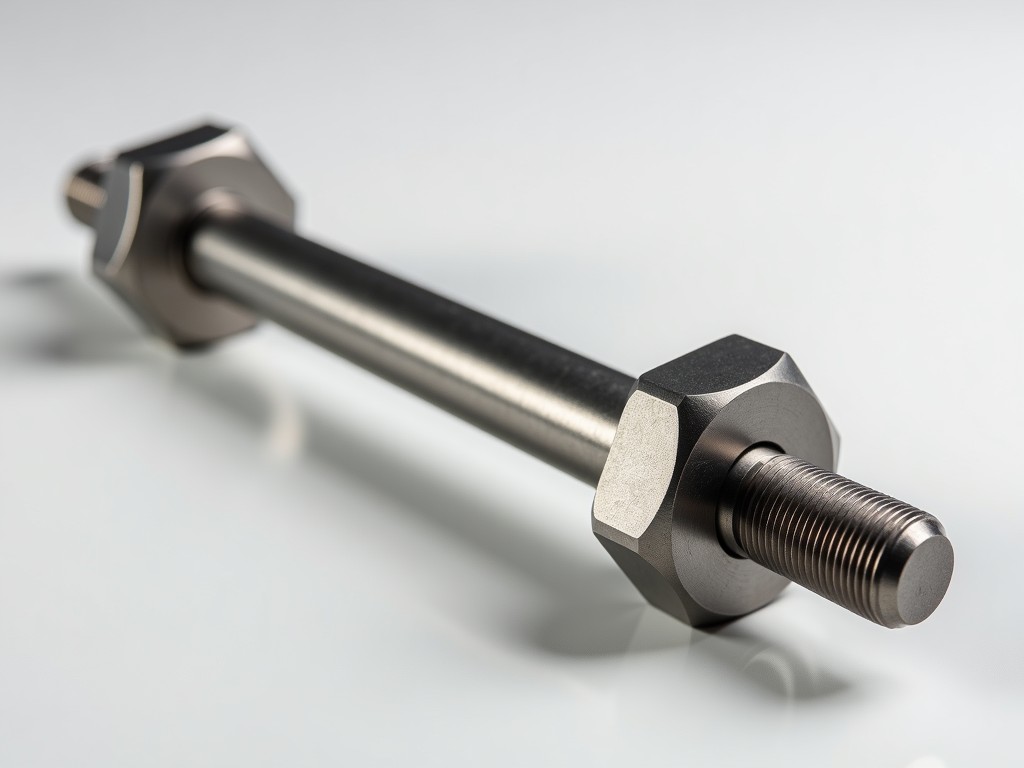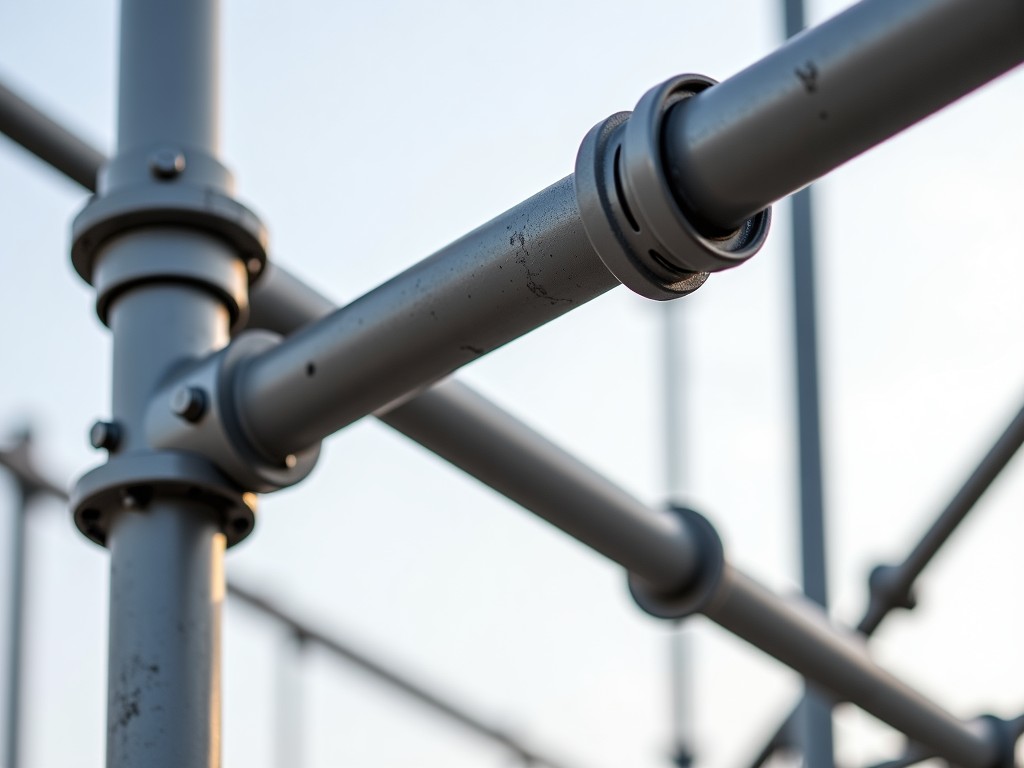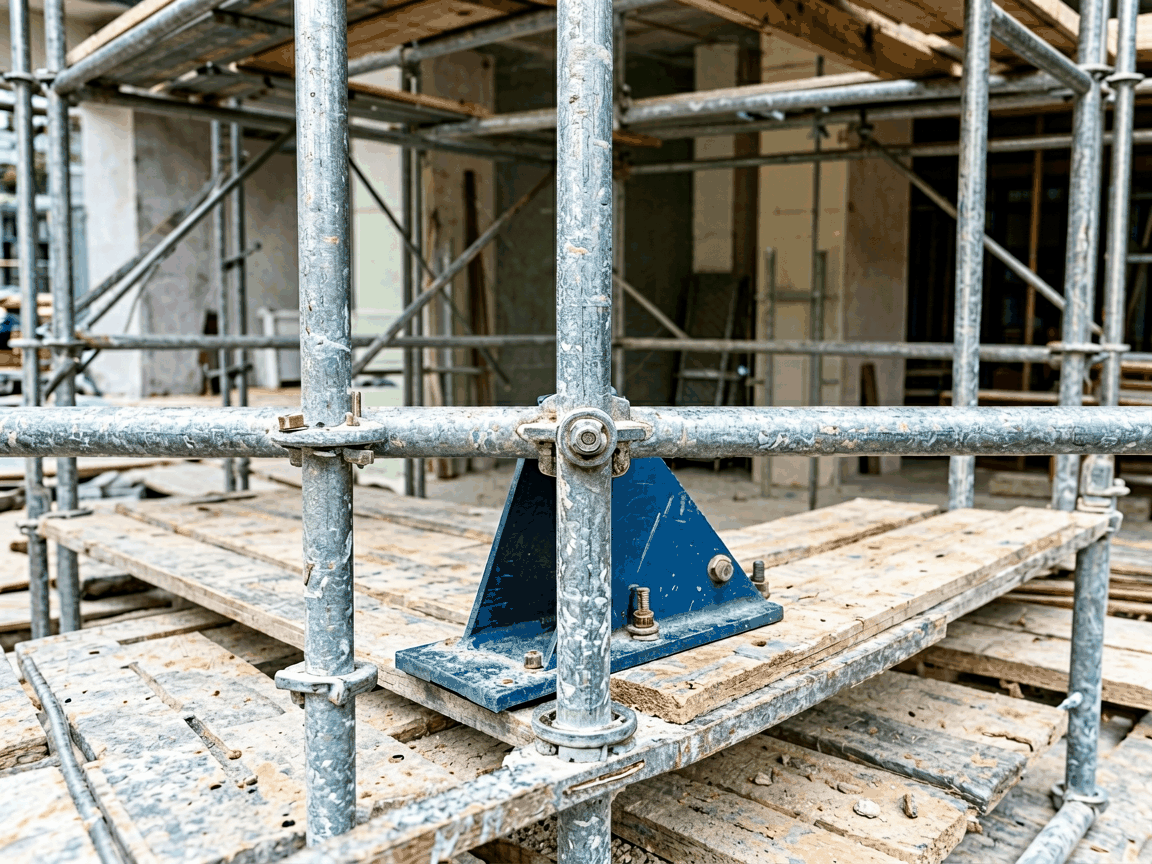
Mivan wedge pins are precision-engineered fastening components used exclusively in aluminum formwork systems for high-rise concrete construction. Unlike general-purpose scaffolding pins, these pins are designed to secure panel-to-panel and panel-to-brace connections under repeated loading cycles typical in slip-forming and table-form operations. Their primary function is to maintain dimensional accuracy of the formwork assembly during concrete pour, preventing lateral displacement that could compromise wall thickness tolerances or surface finish.
The wedge mechanism relies on elastic deformation of the pin body and frictional locking within a tapered sleeve or hole pattern machined into the formwork rail. When driven home with a mallet, the pin’s tapered end expands slightly within the receiver, creating a self-tightening joint resistant to vibration and dynamic loads. This eliminates the need for threaded fasteners or bolts, significantly reducing assembly and disassembly time on-site while maintaining consistent clamping force across hundreds of reuse cycles.
Material selection is critical due to the abrasive nature of concrete and the cyclic stress environment. Mivan wedge pins are typically manufactured from hardened alloy steel, such as 4140 or 42CrMo4, subjected to quenching and tempering to achieve a core hardness of 38–42 HRC with surface induction hardening to 50–55 HRC. This combination provides resistance to wear at the shear interface while retaining sufficient toughness to withstand impact during installation and removal without brittle fracture.
Dimensional consistency is paramount for interchangeability within the formwork system. Standard Mivan wedge pins are produced to tight tolerances: shank diameter typically 16mm ±0.05mm, overall length ranging from 100mm to 150mm depending on panel thickness, and wedge angle precision ground to 7°–9° inclusive. These specifications ensure uniform engagement depth and predictable clamping force across all pins in a given formwork bay, which is essential for maintaining panel alignment during high-pressure concrete placement.
Surface treatment enhances durability in harsh site conditions. After machining, pins undergo phosphating followed by either a rust-inhibiting oil dip or a thin electro-galvanized coating (5–8µm thickness) to resist corrosion during storage and between pours. The coating is deliberately kept thin to avoid interfering with the wedge fit; excessive buildup would prevent full insertion and reduce locking effectiveness. Some manufacturers offer optional black oxide finish for improved galling resistance in high-frequency reuse scenarios.
Load capacity is determined through empirical testing rather than theoretical calculation due to the complex friction-dependent nature of the joint. Typical safe working load (SWL) for a single Mivan wedge pin in shear is rated between 15–20 kN, based on cyclic load testing simulating 500+ reuse cycles. This rating assumes proper installation (full insertion, clean hole, no debris) and is validated per project-specific formwork design calculations accounting for concrete pressure, pour rate, and panel spacing.
While alloy steel is standard, material selection can be adjusted based on project duration, environmental exposure, and formwork reuse expectations. For short-term projects or low-reuse scenarios (<50 cycles), lower-cost carbon steel (e.g., C45) with appropriate hardening may be specified. For marine environments or prolonged exposure to chlorides, stainless steel grades such as AISI 304 or 316L are available upon request, though their lower hardness necessitates larger diameters or reduced SWL to maintain equivalent performance.
Customization extends to length, head design, and surface features. Pin length is tailored to match the specific formwork rail depth and panel thickness combination—common lengths include 110mm, 125mm, and 140mm. Head styles vary between flat, domed, or recessed to accommodate different hammer types or access constraints. Some designs incorporate a circumferential groove near the head to retain a retaining clip or safety wire in high-vibration applications, preventing accidental dislodgement during handling.
Tolerance classes can be tightened for precision applications such as architectural concrete or slip-forming cores where joint play must be minimized. In such cases, shank diameter tolerance may be reduced to ±0.02mm and wedge angle held to ±0.5°, requiring additional inspection steps. These high-precision variants are typically reserved for reuse-intensive projects exceeding 1,000 cycles where cumulative wear could otherwise degrade alignment accuracy over time.
Quality assurance begins with material traceability. Each batch of raw steel is accompanied by mill test certificates verifying chemical composition and mechanical properties. Incoming material undergoes spectroscopic analysis to confirm alloy content before cutting. First-article inspection includes dimensional verification of shank diameter, length, wedge angle, and head geometry using calibrated micrometers, height gauges, and optical comparators to ensure conformance to drawing specifications.
Hardness testing is performed on a sample basis per batch using Rockwell C scales, with measurements taken at the shank mid-point and near the wedge tip to verify case depth and core strength. Surface coating thickness is checked via magnetic induction or x-ray fluorescence to ensure compliance with specified microns. Visual inspection under 10x magnification identifies machining defects such as burrs, tool marks, or cracks that could act as stress concentrators during cyclic loading.
Functional validation involves assembling a test joint with a representative formwork sleeve and applying axial and lateral loads using a hydraulic press. The pin must withstand the specified SWL without permanent deformation or pull-out, and demonstrate consistent insertion/extraction force within an acceptable range (typically 150–300N). Pin-to-pin variation in clamping force is monitored to ensure uniformity—critical for preventing uneven panel pressure during concrete pour.
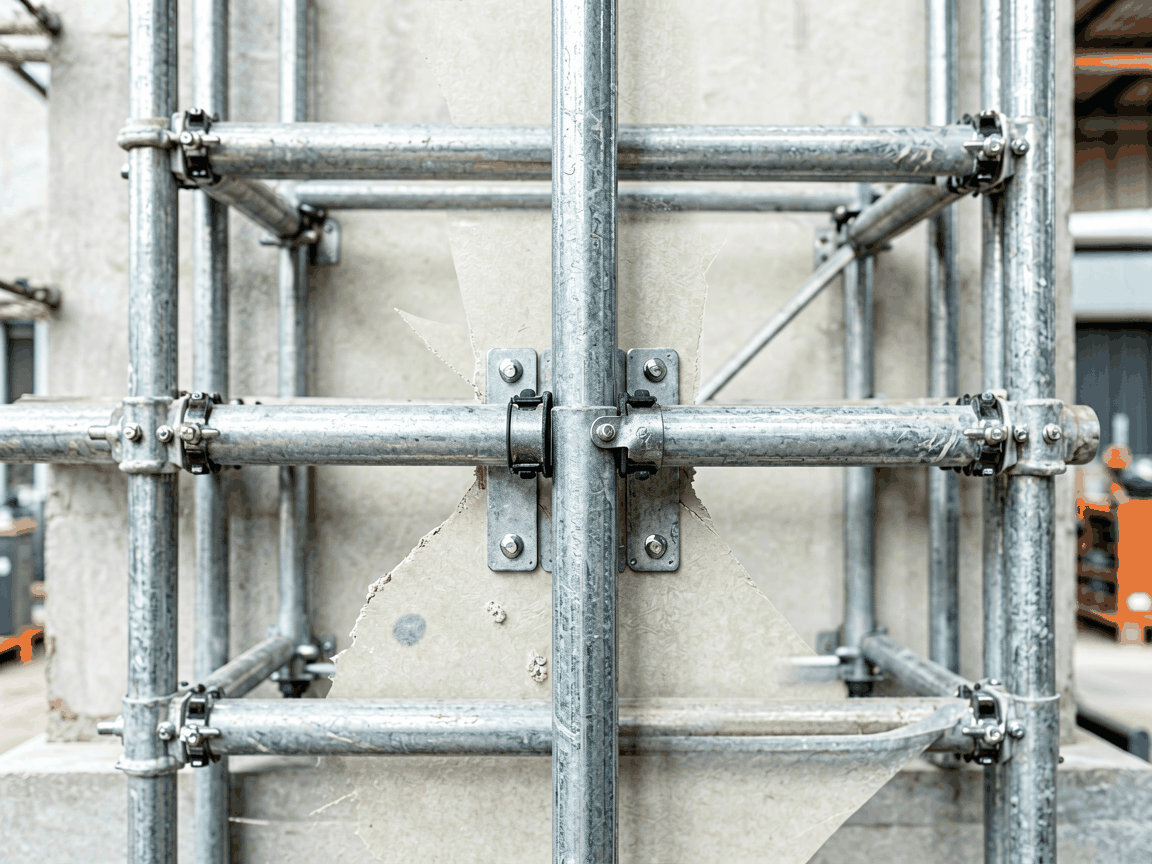
Mivan wedge pins are integral to tunnel form, table form, and climbing formwork systems where speed, repetition, and surface quality are critical. In tunnel form applications, hundreds of pins secure wall and slab panels in a monolithic pour, requiring rapid installation and removal to maintain cycle times of 24–48 hours per floor. The pin’s simplicity allows unskilled labor to operate safely with minimal training, reducing dependency on specialized fitters and accelerating formwork erection and stripping.
In high-rise core wall construction using climbing formwork, wedge pins maintain vertical alignment of overlapping panels as the system jumps upward. Any play in the connection would accumulate over multiple jumps, leading to cumulative misalignment and unacceptable tolerances in elevator shafts or stairwells. The self-tightening nature of the wedge joint compensates for minor settlement or creep in the formwork structure, preserving geometric integrity without frequent retightening.
For architectural concrete finishes, where surface defects are unacceptable, the precision of the wedge pin joint minimizes panel movement during pour, reducing the risk of misalignment marks, bulges, or honeycombing. Unlike bolted connections that require torque control and risk over-tightening damage to aluminum rails, wedge pins provide a forgiving yet secure method that protects the formwork investment while delivering consistent concrete quality.
| Feature | Mivan Wedge Pin | Threaded Bolt & Nut | Spring Pin / Cotter |
|---|---|---|---|
| Installation Speed | 2–3 seconds per pin (hammer drive) | 15–20 seconds per bolt (wrench torque) | 5–8 seconds per pin (press or hammer) |
| Removal Speed | 2–3 seconds (hammer knock-out) | 15–20 seconds (nut off, bolt extract) | 5–8 seconds (press out) |
| Reusability (cycles) | 500–1,000+ | 200–300 (thread wear, galling) | 300–500 (deformation risk) |
| Maintenance Need | None (self-tightening) | Periodic torque check | Inspection for deformation |
| Vibration Resistance | High (wedge lock) | Medium (requires lock washer) | Low (prone to loosening) |
| Surface Damage Risk | Low (no marring) | Medium (tool slip, over-torque) | Medium (hole elongation) |
*Values are typical ranges based on industry testing; actual performance depends on installation, material, and site conditions.
To receive a accurate quotation and lead time, provide the following technical details: formwork system manufacturer and model (e.g., Mivan, Peri, Doka), panel thickness, rail hole diameter, required pin length, expected reuse cycles, and environmental exposure (indoor, outdoor, marine). Surface finish preference (phosphated/oiled, galvanized, black oxide) and quantity per shipment should also be specified. This information enables proper material selection, hardness specification, and packaging configuration to match project logistics.
Samples are available for validation upon request, typically delivered within 7–10 working days for standard configurations. For custom lengths or material grades, sample lead time extends to 15–20 days. Bulk shipments are packaged in heavy-duty cardboard boxes with internal dividers or reusable plastic trays to prevent pin-to-pin contact and surface damage during transit. Export packaging includes moisture-barrier lining and corner protection to meet ISPM 15 standards for international freight.
Technical support includes application guidance on installation technique, recommended hammer type (typically 500g–800g mallet), hole preparation (deburring, cleaning), and inspection procedures for reused pins. We do not offer installation services but provide detailed technical drawings and inspection checklists to ensure correct use on-site. All products are manufactured under ISO 9001:2015 quality management principles with full traceability from raw material to dispatch.
For technical inquiries, quotations, or sample requests regarding Mivan wedge pins for your formwork scaffolding system, contact our engineering team to discuss your project-specific requirements.
Contact Technical Team