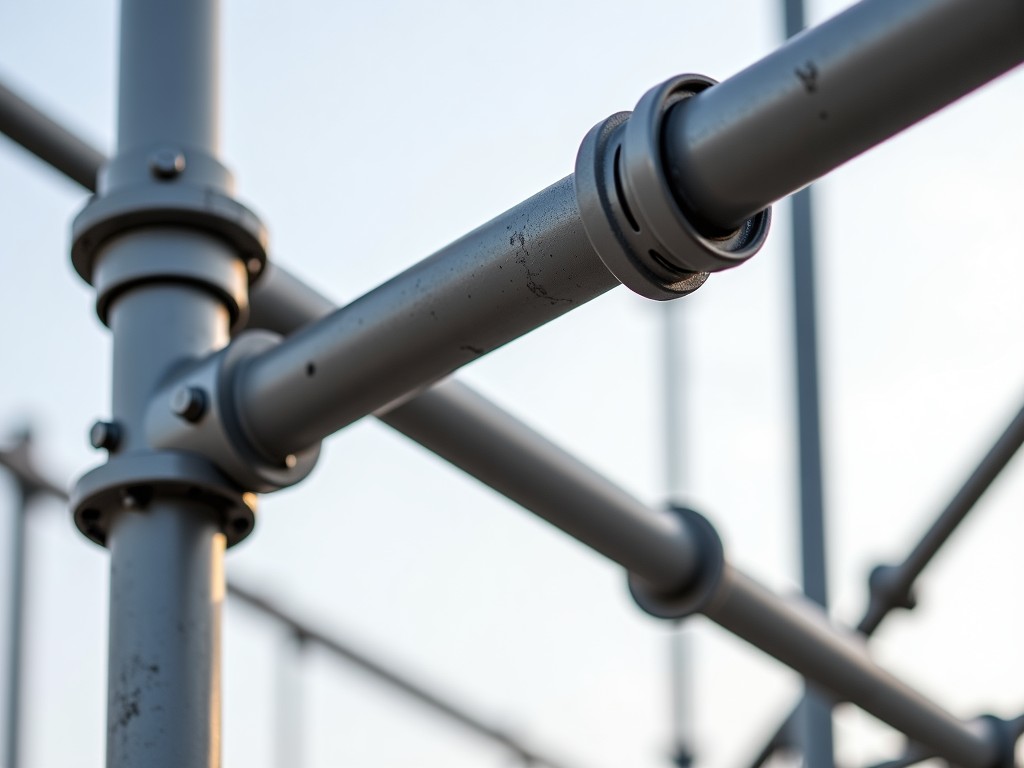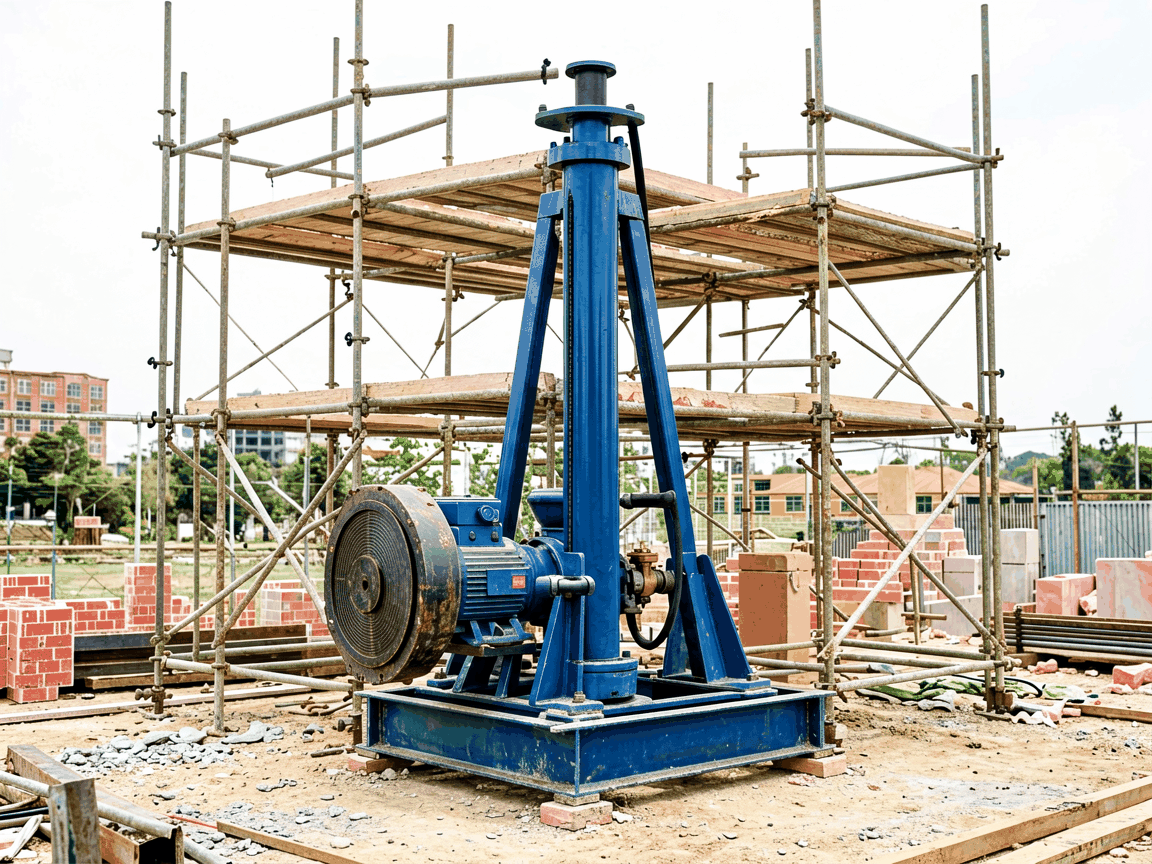
Masonry pump jack scaffolding is a vertical lifting system designed for efficient and safe access to elevated work areas on masonry construction projects. It consists of adjustable support brackets, steel pumping mechanisms, and platform assemblies that allow workers to raise and lower work surfaces incrementally as bricklaying or block laying progresses vertically.
Unlike fixed scaffolding, pump jack systems eliminate the need for repeated disassembly and reassembly when moving vertically, reducing labor time and improving workflow continuity on multi-story masonry walls.
The system operates through a pair of triangular steel brackets fixed to the wall at intervals, each supporting a pump jack mechanism that engages a steel lifting pole. Workers operate foot pumps or hand cranks to raise the platform in small, controlled increments—typically 1 to 2 inches per cycle—allowing precise height adjustment as the masonry course advances.
Platforms are constructed from laminated wood or steel grating and are sized to accommodate one or two workers with tools and materials. Safety features include automatic pawl locks that engage if pumping pressure is released, preventing unintended descent, and guardrail compatibility for fall protection compliance.
Standard pump jack brackets are rated for a maximum working load of 500 pounds per side, including worker, tools, and materials, with a 4:1 safety factor applied to all structural components. The steel pumping mechanism is designed to withstand repeated cyclic loading without deformation or loss of engagement.
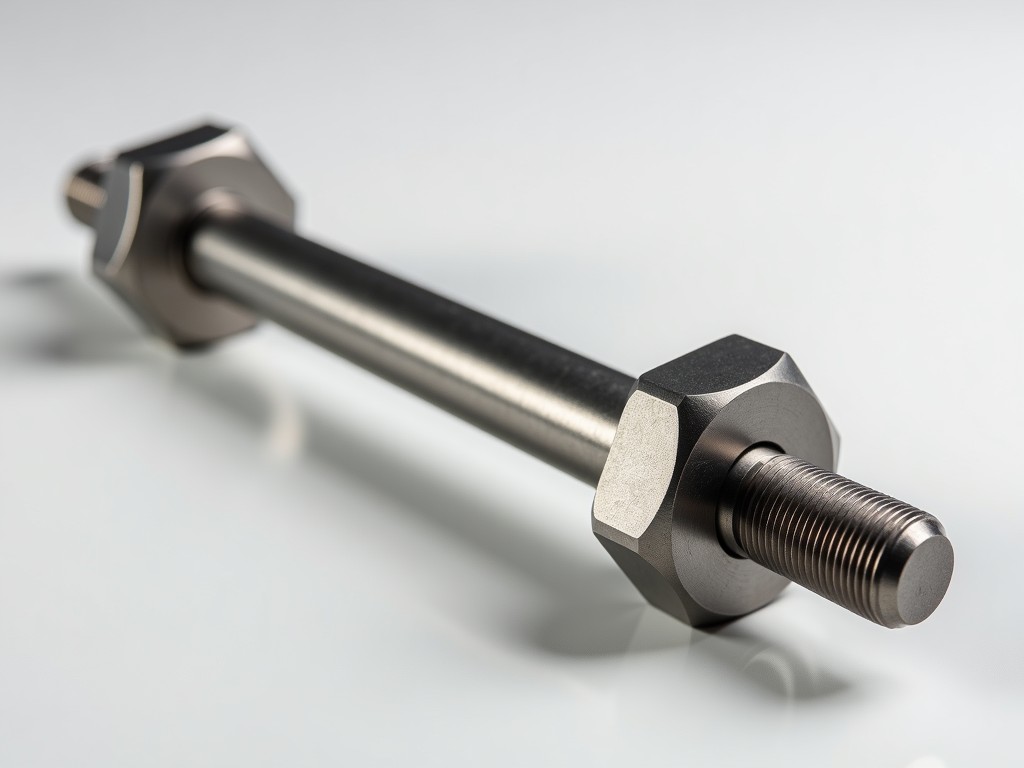
Lifting poles are typically 1.5-inch diameter Schedule 40 steel pipe, available in lengths from 6 to 24 feet to accommodate varying wall heights. Extension couplers allow for field assembly of longer poles when required, maintaining axial alignment and load transfer integrity.
The vertical adjustment range of a pump jack system is limited only by the length of the lifting pole and the stability of the wall attachment. Typical applications allow platform positioning from 2 feet above the ground up to the top of the wall, with reattachment points spaced every 8 to 10 feet vertically to prevent pole buckling.
This adjustability enables masons to maintain optimal working height—usually between waist and chest level—reducing strain and improving mortar joint consistency. Materials such as bricks, blocks, and mortar buckets can be loaded directly onto the platform at each level, minimizing ground-level handling.
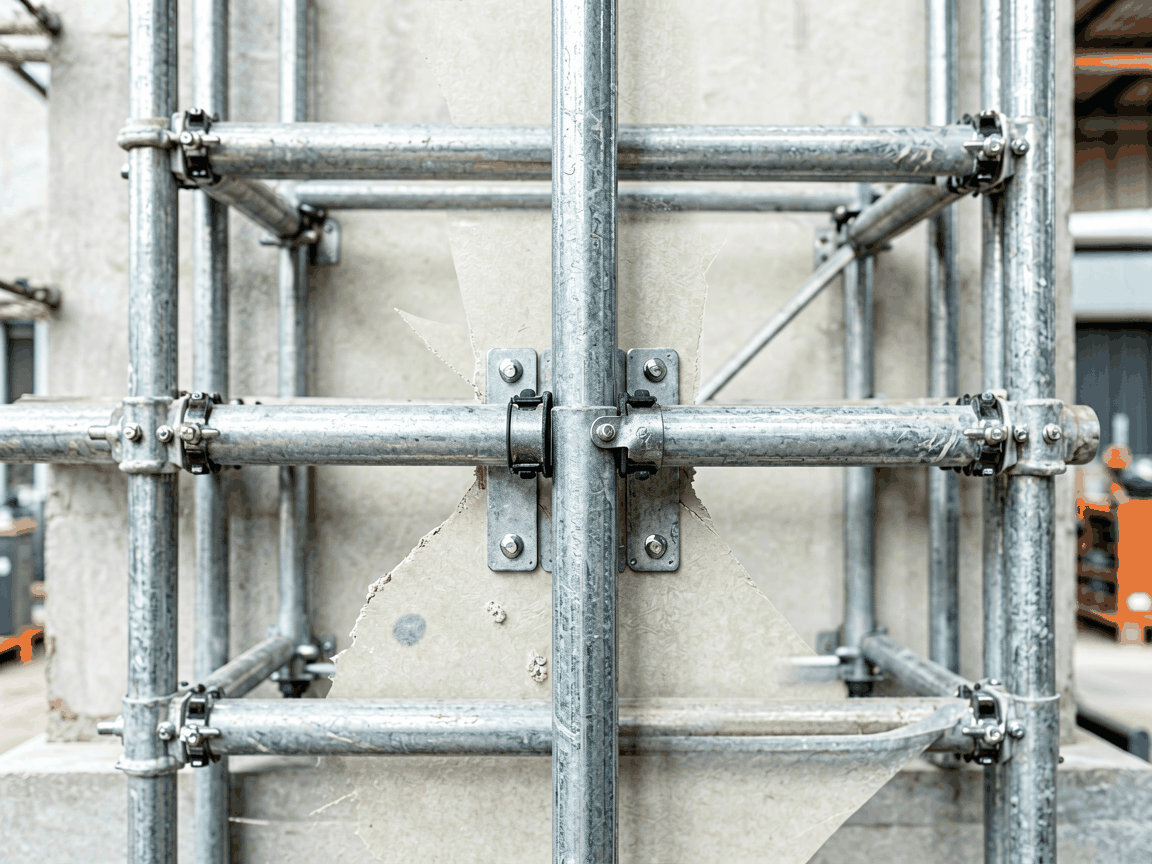
Pump jack brackets are secured to the masonry wall using either through-bolts with backing plates or adjustable anchor systems that engage the mortar joints. Through-bolting requires drilling into the block or brick and installing galvanized steel plates behind the wall to distribute load and prevent pull-through.
For temporary applications where wall penetration is undesirable, adjustable clamps or hook-on brackets can be used on the top course of completed masonry, transferring load through compression and friction. All attachment methods are designed to accommodate standard 8-inch nominal masonry units and varying joint thicknesses.
Every pump jack mechanism includes a dual-pawl safety system that automatically locks the lifting pole in both upward and downward directions if the pump handle is released. This prevents accidental platform descent due to operator fatigue or mechanical slip.
Platforms are equipped with toeboards and are designed to accept standard 2x4 or 2x6 guardrail posts and midrails, enabling compliance with OSHA 1926.451 scaffolding requirements. Regular inspection of pawl mechanisms, pump seals, and pole straightness is recommended before each use.
Primary structural components—brackets, pump housings, and lifting poles—are manufactured from hot-rolled ASTM A36 steel or equivalent, with zinc-rich primer and polyester topcoat for corrosion resistance in outdoor environments. Pump internals use hardened steel gears and nitrile rubber seals to withstand dirt, moisture, and frequent cycling.
Wood platforms are typically made from pressure-treated southern yellow pine or laminated veneer lumber (LVL) rated for exterior use, resisting warping and rot. Steel grating platforms offer an alternative for high-moisture or fire-sensitive environments, providing slip resistance and non-combustibility.
Pump jack scaffolding is most effective on straight, uninterrupted masonry walls where vertical progression is consistent, such as apartment buildings, schools, and commercial façades. It allows crews to follow the mortar line upward without repositioning base supports, unlike frame or tube-and-clamp systems that require base relocation at each lift.
It is particularly advantageous in retrofit or infill projects where ground space is limited, as the system’s footprint is confined to the wall plane. The ability to work on one side of the wall only also makes it suitable for property-line constructions where access from the opposite side is restricted.
| Feature | Pump Jack Scaffolding | Frame Scaffolding | Tube-and-Clamp |
|---|---|---|---|
| Vertical Adjustment Method | Incremental pumping (1-2 in/cycle) | Full disassembly/reassembly | Clamp adjustment & re-erection |
| Typical Load Capacity (per side) | 500 lbs | 1000 lbs | Dependent on configuration |
| Wall Attachment Required | Yes (brackets) | No (independent towers) | No (independent) |
| Setup Time per Level | Low (no base move) | High (relocate towers) | High (re-clamp) |
| Best Suited For | Straight masonry walls | Open façades, irregular shapes | Complex geometries, heavy loads |
Before each use, inspect the pump mechanism for smooth operation, verify that pawls engage fully and release cleanly, and check for hydraulic fluid leaks (if applicable) or worn seals. Lifting poles must be straight, free of dents or bends, and couplers must be tight and aligned.
Platforms should be examined for splinters, cracks, or loose fasteners; steel grating must be checked for weld integrity and corrosion. After use, clean dirt and mortar residue from moving parts and store components in a dry environment to extend service life. With proper maintenance, pump jack systems can remain serviceable for 5–10 years of regular use.
Pump jack systems can be adapted to non-standard wall thicknesses through adjustable bracket arms or custom-fabricated extensions. Platform widths can be modified to accommodate material staging requirements, and longer lifting poles can be supplied with intermediate stabilizers to prevent flex in tall applications.
For projects requiring frequent relocation, quick-release pins or bolt-on base plates can reduce setup time. All modifications are engineered to maintain load path integrity and compatibility with existing safety mechanisms.
For technical specifications, load charts, or to discuss how masonry pump jack scaffolding can improve efficiency and safety on your next project, contact our engineering team.
Request Technical Consultation