Leveling screw jacks are essential components in scaffolding systems, providing precise vertical adjustment to compensate for uneven ground conditions. They ensure structural stability, load distribution, and worker safety by allowing controlled elevation of scaffold standards without relying on shims or improvised leveling methods.
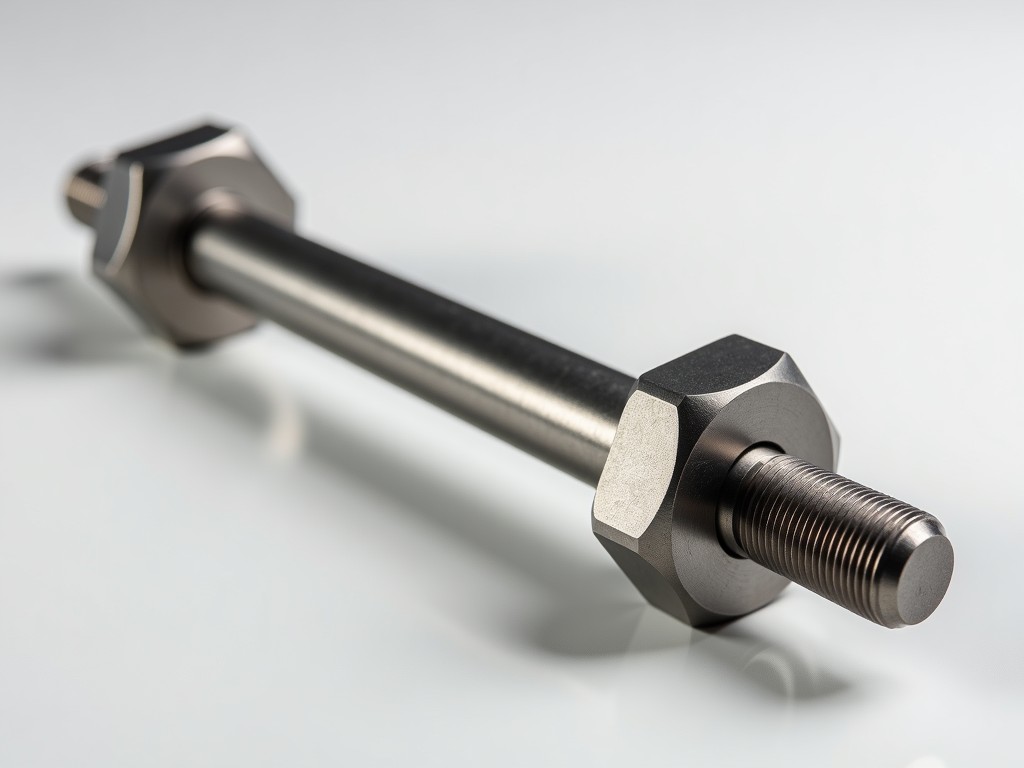
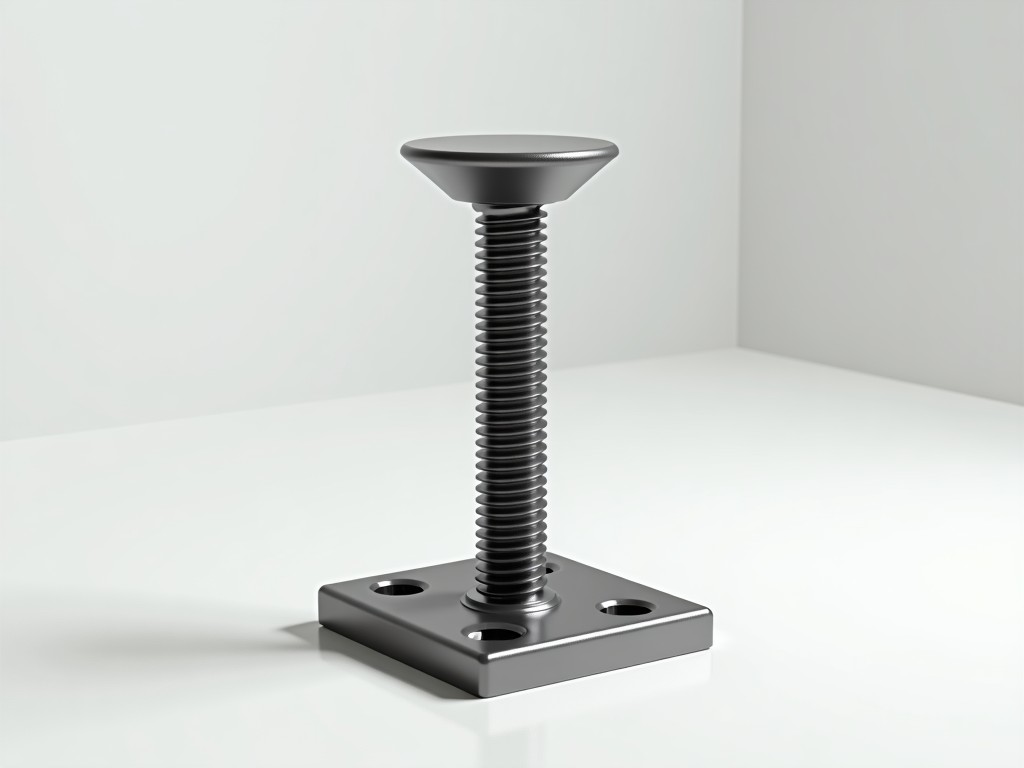
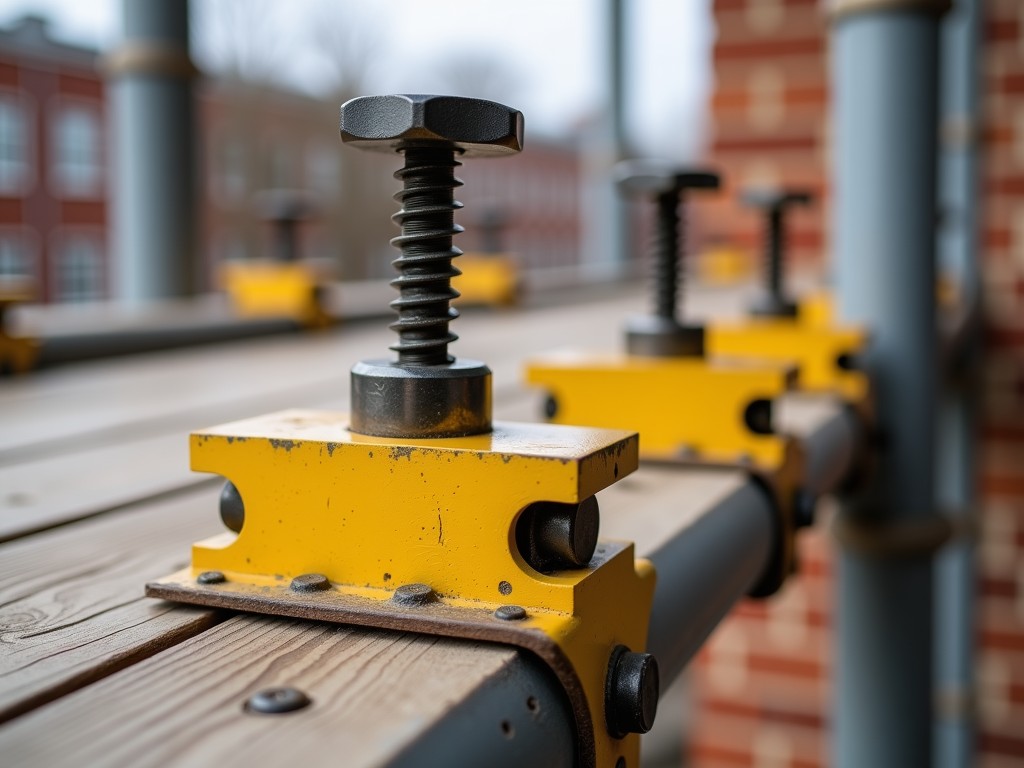
The leveling screw jack operates through a threaded spindle mechanism housed within a steel tube or base plate assembly. Rotating the handle or nut advances or retracts the spindle, enabling fine adjustments typically within a 200–300 mm range. The acme or trapezoidal thread profile provides high load-bearing capacity with self-locking characteristics, preventing unintended descent under load. This mechanical advantage allows a single operator to support several hundred kilograms per jack with minimal effort.
Standard duty leveling jacks for scaffolding typically support working loads between 20 kN and 36 kN, depending on tube diameter, wall thickness, and material grade. The spindle is commonly manufactured from C45 or equivalent carbon steel, hardened and threaded to withstand repeated cycling. The base plate, usually 150×150 mm or 200×200 mm, distributes load over a sufficient area to prevent soil penetration or slab damage. Some designs incorporate a swivel base to accommodate slopes up to 5–7 degrees without compromising axial alignment.
While carbon steel is standard for cost-effective performance, hot-dip galvanization per ISO 1461 is widely applied to enhance corrosion resistance in outdoor environments. For prolonged exposure or harsh conditions, stainless steel grades such as A2 (304) or A4 (316) are available, though at higher cost. Alternative coatings like zinc plating or powder coating may be specified for indoor use or aesthetic requirements, though they offer less durability than galvanization in wet or abrasive settings.
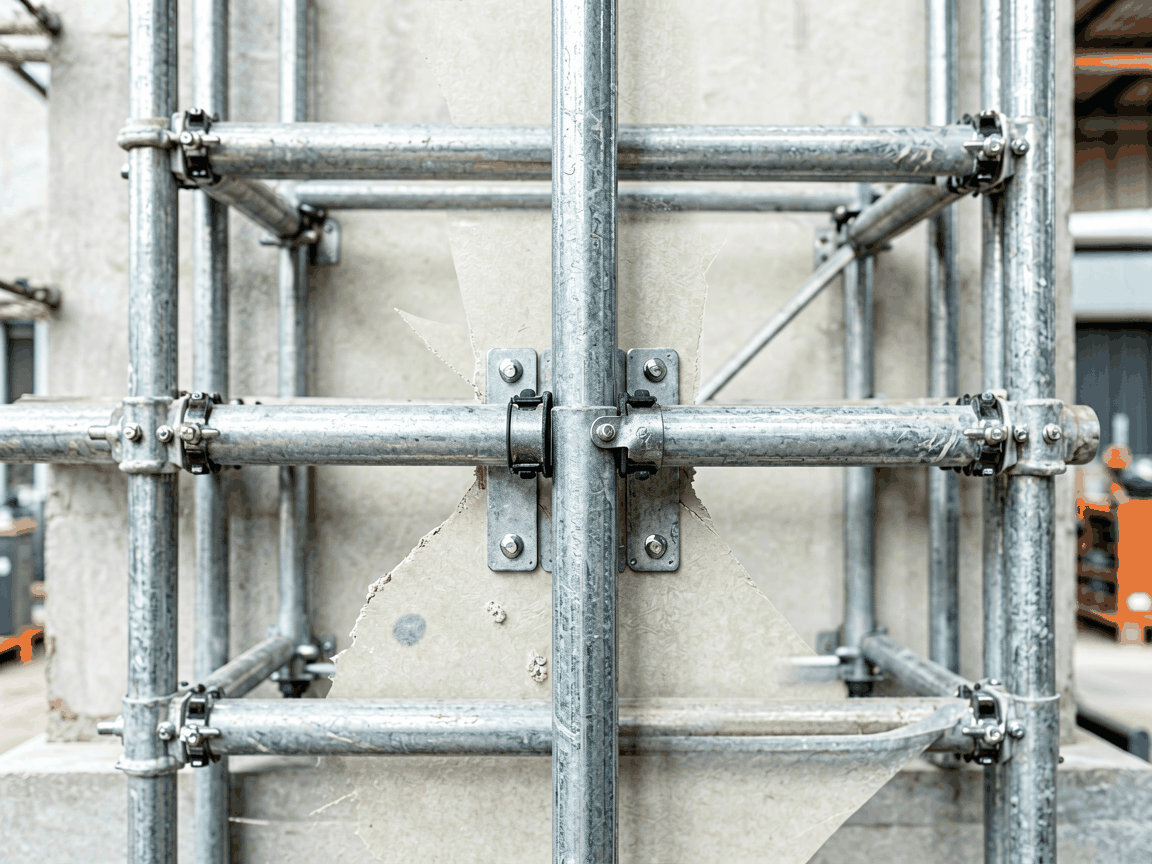
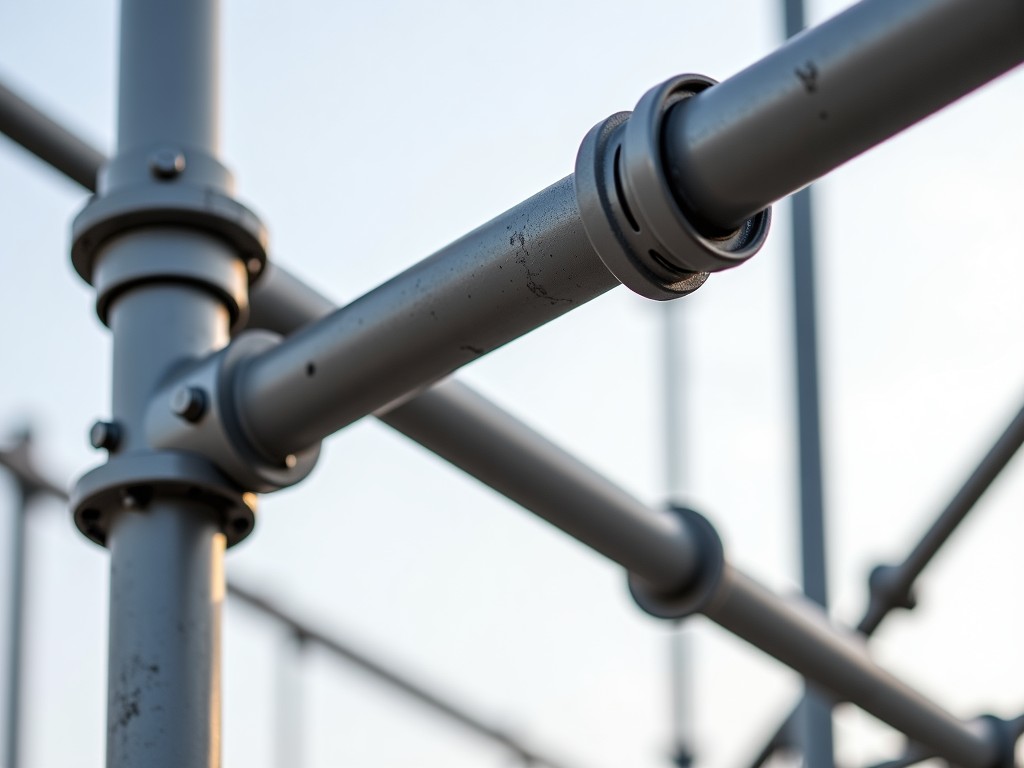
Leveling screw jacks interface with scaffolding standards via a spigot, socket, or U-head receiver, depending on the system type (e.g., ringlock, cuplock, kwikstage, or tube-and-coupler). The spigot diameter typically ranges from 38 mm to 48 mm to match standard scaffold tube dimensions. Proper engagement depth—usually a minimum of 100 mm—is critical to prevent pull-out under lateral or uplift forces. Designers must verify compatibility between jack output and scaffold coupling tolerances to avoid play or premature wear.
The effective adjustment range is determined by spindle length and usable thread engagement. Most models offer 250 mm of travel, with 50 mm reserved at each end to prevent over-extension or thread disengagement. Operators should avoid extending beyond the marked safe limit, as this reduces thread engagement and increases bending risk. Regular lubrication of the thread and inspection for wear, deformation, or corrosion are necessary to maintain safe operation, especially in high-cycle or harsh environments.
Leveling screw jacks must comply with regional scaffolding standards such as EN 12810/12811 (Europe), ANSI/ASSE A10.8 (North America), or AS/NZS 1576 (Australia/New Zealand). These standards specify minimum material properties, thread strength, deformation limits, and corrosion resistance. Third-party testing or certification may be required for rental fleets or public works projects. Users should retain documentation confirming compliance with applicable regulations.
These jacks are indispensable in scenarios where ground uniformity cannot be assumed—such as renovation sites, sloped terrain, or occupied buildings with uneven flooring. In facade work, they enable precise alignment of working platforms with architectural features. In shoring and formwork, they support temporary loads during concrete curing. Their ability to make micro-adjustments is critical when scaffolding must align with pre-installed equipment, ducts, or piping where millimeter-level precision affects installation quality.
While standard configurations cover most use cases, certain projects require tailored solutions. These may include extended spindle lengths for deep voids, reinforced bases for soft ground, or integrated noise-dampening pads for interior work. Thread pitch can be adjusted to balance speed and precision—finer threads offer greater control but require more rotations. For OEMs or system integrators, jacks can be supplied with proprietary fittings, laser-etched markings, or special packaging to support logistics and inventory control.
Production involves cold forming or machining of spindles to precise thread tolerances, typically following ISO 724 or DIN 103 standards. Base plates are punched or laser-cut from flat stock, then welded or pressed onto the tube. Galvanizing occurs post-assembly to ensure full coverage. Dimensional checks, thread go/no-go gauging, and load testing on sample units help verify consistency. Traceability is maintained via batch marking to support recalls or investigations if needed.
With proper care, a galvanized leveling jack can endure 5–10 years of regular use in construction environments. Key failure modes include thread galling from dirt ingress, base plate deformation from overloading, and spindle bending due to lateral forces. Preventive maintenance includes cleaning threads after use, applying dry lubricant, and storing jacks in dry conditions. Damaged units should be removed from service immediately—repair is generally not recommended due to safety liability.
| Feature | Leveling Screw Jack | Shims or Wedges | Hydraulic Jack |
|---|---|---|---|
| Adjustment Precision | High (mm-scale) | Low (discrete steps) | High |
| Load Capacity | 20–36 kN | Limited by material | 50+ kN |
| Self-Locking | Yes | No | Requires valve |
| Maintenance Needs | Low (lubrication) | None | Medium (seals, fluid) |
| Cost | Moderate | Low | High |
Unlike shims, screw jacks provide reversible, repeatable adjustment without material degradation. Compared to hydraulic systems, they offer greater simplicity, lower maintenance, and inherent safety through mechanical self-locking—making them the preferred choice for most scaffatting applications where extreme force or speed is not required.
Leveling jacks are relatively heavy due to their steel construction—typically 2.5–4.0 kg per unit depending on size and finish. Manual handling should follow ergonomic guidelines to prevent strain. When used in environmentally sensitive areas, zinc runoff from galvanized coatings should be considered, though levels are generally low and comply with most regional regulations. End-of-life recycling is straightforward due to high steel content.
For project-specific configurations, load requirements, or compatibility verification, consult our technical team to ensure proper selection and safe deployment.